
Review · TOKYO SAMURAI EXPERIENCES
Tokyo: Samurai Sword Academy in the Hometown of the Last Samurai
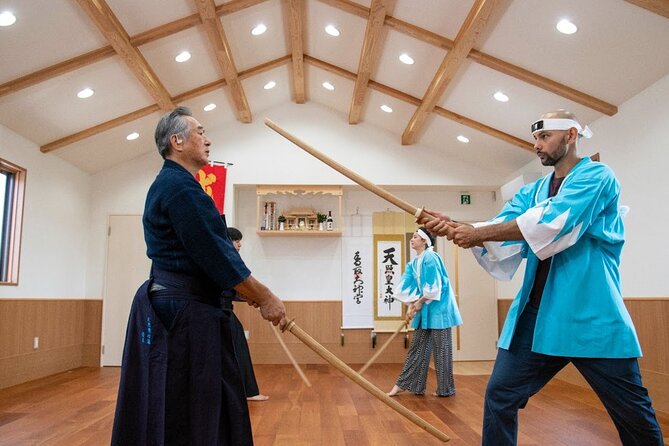
One step into the dojo and the mood changes fast. This is an authentic Tennen Rishin-ryu sword training session in Hino, Tokyo, tied to the Shinsengumi and guided by Masao Inoue, with the chance to handle a Japanese sword yourself. I love how practical the teaching feels, and I love that the program stays grounded in Edo-period form and etiquette, not Hollywood theatrics. The only drawback is that it asks for some physical comfort with basic stances and controlled movement, so if you have mobility limits, you’ll want to plan carefully.
This experience is interesting because it places you in the Shinsengumi story without making you chase it across the whole city. You meet at the Genzaburo Inoue Shiryokan and then practice the basics of Tennen Rishin-ryu where students train, led by a chairman who is connected to the Shinsengumi legacy. That connection matters, because you feel like you are learning a skill with lineage behind it, not just taking a one-time demo.
With a small group, the atmosphere stays serious, but friendly. The session runs about 2 hours, and the tour is limited to 4 travelers, which makes it easier to get corrections on your stance and grip. For a $118.60 price point, you’re paying for real instruction time and hands-on handling, not a photo stop.
Key Points You’ll Care About
- Hands-on kenjutsu in an authentic dojo setting, focused on basics and form
- Led by Masao Inoue, chairman of the Tennen Rishin-ryu Hino Dojo and descendant linked to Shinsengumi leadership
- Taught using Tennen Rishin-ryu fundamentals, including stance, etiquette, and kata basics
- You handle a Japanese sword, so you learn how it feels, not just how it looks
- Small group size (up to 4), so corrections are more personal
- English support is available, including guidance noted from Yu Ma in the program feedback
Why Hino City Feels Different Than Central Tokyo
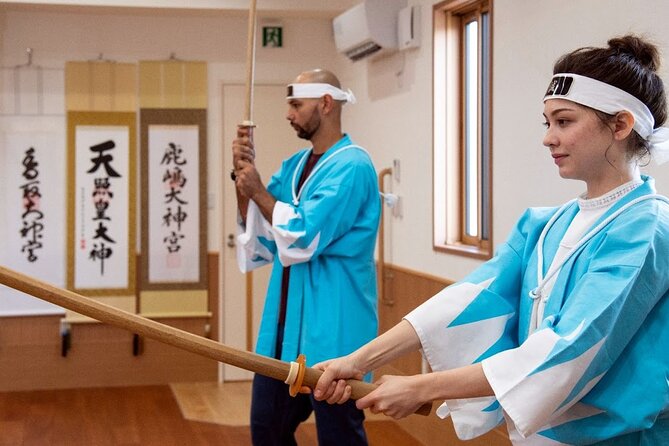
If you’ve been to Tokyo before, you know it can be loud and fast. This program moves in a different direction, toward Hino and the Shinsengumi world. Hino is described as the hometown of the group tied to the Last Samurai idea, and that framing sets expectations: you’re not just learning sword tricks, you’re stepping into a place where the tradition is practiced.
What I like about this approach is that it doesn’t pretend everyone will become a swordsman in one afternoon. Instead, it focuses on the essentials you need first: posture, holding the sword, respectful behavior in training, and the way basic forms start to connect. You leave with a better understanding of what the practice actually demands.
There is also a good sense of calm before you swing anything. Even if you’ve never trained, you can feel that the dojo expects seriousness. That matters because sword practice is safer and better when you treat it like a craft, not a stunt.
You can also read our reviews of more tours and experiences in Tokyo Prefecture.


Meeting Masao Inoue and the Shinsengumi Lineage at the Shiryokan
The experience is led by Masao Inoue, the chairman of the Tennen Rishin-ryu Hino Dojo. He’s also described as a descendant connected to Genzaburo Inoue, who was an executive figure within the Shinsengumi story. That background is not offered as trivia. It’s part of why this session feels anchored in real practice and real people.
You start at the Genzaburo Inoue Shiryokan, which gives you context before the sword work begins. Even if you only skim what’s there, just knowing you’re in a place dedicated to that lineage changes how you pay attention in training. It helps you understand why teachers keep repeating things like grip, distance, and respectful movement. This isn’t just about technique, it’s about discipline.
In one piece of feedback, the practice was described as supervised by Master Inoue Genzaburo, and that lines up with what the program says about the Inoue connection. Another detail that shows up in the experience feedback is English support from Yu Ma, which is a huge practical help if you want to understand corrections clearly rather than guess what your instructor means.
What You Actually Learn in Tennen Rishin-ryu Basics
This is not framed as a casual lesson where you watch and move on. The experience is described as a true swordsmanship session at an authentic dojo, and your time is built around learning the essence of Tennen Rishin-ryu through basic forms and hands-on practice.
Here’s what you can reasonably expect to focus on during the session:
- 礼儀作法, or manners and training etiquette
- How to hold the sword and set your posture
- Basic kata forms, meaning patterned movements that teach distance, timing, and control
- A progression from handling to controlled practice, guided by instructors
The program notes specifically mention learning the basic forms and trying handling a Japanese sword that embodies samurai spirit. And the feedback you get from past participants reinforces that etiquette and posture are taught carefully, including how to get into guard and how to practice kata without rushing.
This matters for value. Many “samurai experiences” are basically theater with a prop sword. Here, the teaching emphasizes form first. That’s why even beginners can enjoy the session, because you’re building correct basics instead of trying to replicate flashy moves.
Handling a Japanese Sword: What Feels Different Fast
You’re actually going to handle a Japanese sword during the experience. That might sound obvious, but it’s the heart of why this is more than a history walk. When you hold a sword, you immediately notice what your body has to learn: the weight distribution, the way your hands communicate with the blade, and how small corrections change your whole movement.
The program describes the sword as the soul of the samurai, and while that line is poetic, the practical meaning shows up in the lessons. In the feedback, people called out learning the way the sword is held, the position of the stance, and the way instructors teach carefully. Another person specifically mentioned that they were guided on sword posture and kata, plus more serious practice with real blades.
If you’re thinking, I want to try it once but I’m not an athlete, that’s probably the right mindset. You’re not expected to perform like a trained swordsman. You’re expected to follow instructions, keep your movement controlled, and learn how to stand and hold correctly.
One small consideration: because you are doing real training movements, you should have moderate physical fitness. That doesn’t mean you need to be strong. It means you should be comfortable with standing, holding positions briefly, and moving with some control.
The Serious Moment: Trial Cutting and Controlled Practice
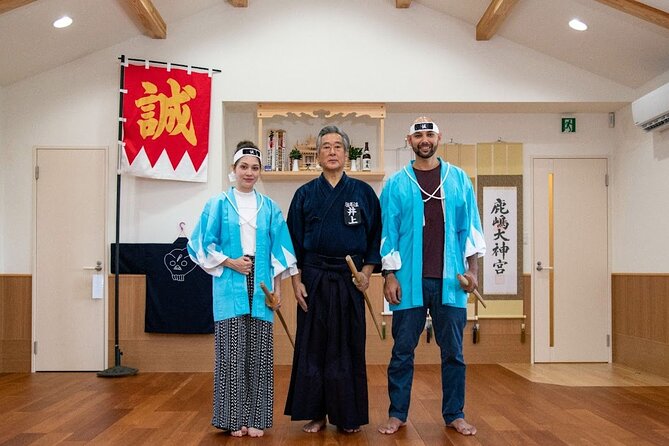
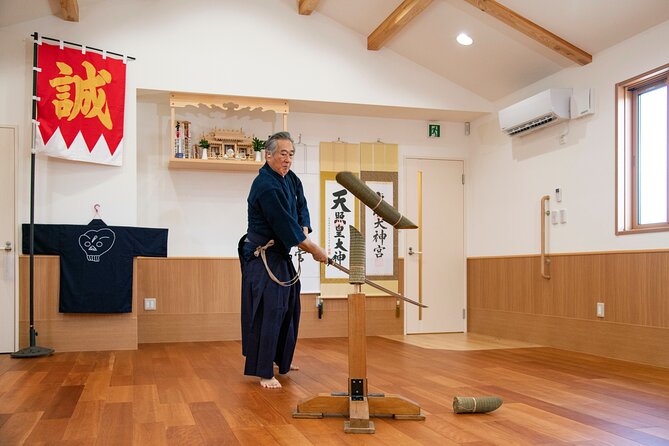
A big reason people come away impressed is that the session doesn’t stop at theory. The feedback includes mention of 真剣の試し斬り, which is trial cutting with a real sword. The presence of trial cutting changes the whole vibe. It adds a real-world consequence to the lessons, because it proves what you did with posture and grip.
Now, you should not assume this means you start cutting wildly. The context in the experience is that the instructors teach you step by step and supervise your practice. In a dojo setting, the whole point is controlled movement and safe distance.
Why does this matter for your experience? Because it compresses learning. When you see how alignment affects outcome, you finally understand why instructors repeat basic forms. It’s one thing to be told to set your stance. It’s another thing to feel the difference when your body position and timing aren’t aligned.
If you want a souvenir photo, this is not that style of experience. It’s about discipline, attention, and getting feedback in real time.


Small Group Training in Tokyo, With English Support
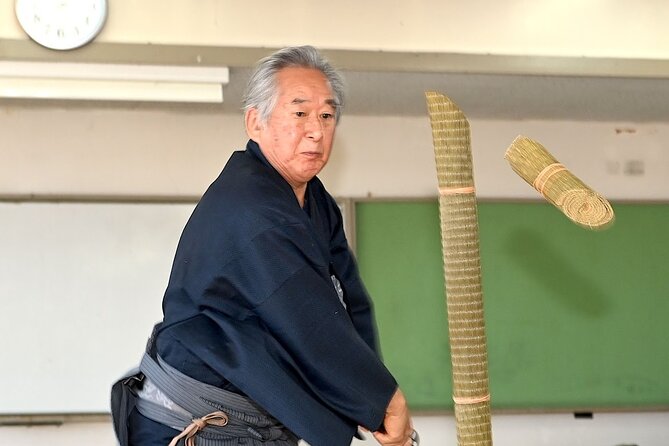
This program has a maximum of 4 people. That small size is not a random detail. It’s what makes a short 2-hour session actually useful. In small groups, instructors can watch your stance, correct your grip, and adjust your kata without turning your session into a lecture.
Language can also be a deciding factor in Tokyo. The program feedback references English support from Yu Ma. Even if you have basic Japanese, having someone translate corrections or help you understand what you are doing changes everything. You’ll spend less time wondering and more time practicing correctly.
The other benefit of small group training is that you can ask questions without feeling like you’re holding up a crowd. Sword practice moves quickly, and if you need clarity, you’ll get it faster when there aren’t many students in the room.
Price, Timing, and Value for a 2-Hour Dojo Session
At $118.60 per person for about 2 hours, you’re not buying a long sightseeing day. You’re buying instruction time in a real dojo setting, including the chance to handle a Japanese sword. For me, that’s where the value sits: you’re paying for expertise plus hands-on coaching, not for transportation from place to place or a museum pass.
The start time is listed as 1:00 pm, and the experience ends back at the meeting point. That loop can be convenient if you want to build your Tokyo day without worrying about complicated logistics. The activity is also described as near public transportation, which helps if you are already in the area or if you want an easy connection from other plans.
One more practical note: the experience is often booked about 31 days in advance on average. If you have a specific week in Tokyo and you care about getting this kind of hands-on cultural activity, it’s smart to reserve early rather than hope something opens last minute.
Who This Samurai Sword Workshop Is For (and Who Might Skip)
This suits you best if you want real practice, even if you’re brand new. The program explicitly frames itself as real swordsmanship training at an authentic dojo, with basic forms and guided handling of a Japanese sword. If you like skills that have rules, repetition, and discipline behind them, you’ll probably enjoy the structure.
It’s also a strong fit if you’re interested in Japanese culture through people and practice, not just landmarks. The Shinsengumi connection is presented as the bridge to the Last Samurai idea, and training in Tennen Rishin-ryu is where the history becomes physical.
It may be less ideal if you have limited mobility or you’re uncomfortable standing for parts of a short session. The experience calls for moderate physical fitness, which likely means you should be able to move safely through basic stances and controlled swings.
If you’re the type who wants a relaxed, casual souvenir activity, this may feel too serious. This is training. You’ll want to match that energy.
Should You Book Samurai Sword Academy in Hino?
Book it if you want one of the few Tokyo experiences that truly gives you a hands-on skill. For the price, you’re getting a real dojo environment, instruction focused on basics, the chance to handle a Japanese sword, and guided practice that can include trial cutting. The small group size also boosts the odds you get corrections that actually help you.
Consider passing if you want a laid-back, purely visual activity. This is about posture, etiquette, and controlled practice, not watching someone perform for you. Also, if standing or controlled movement is a problem, the moderate fitness requirement is worth taking seriously.
If you do book, show up ready to listen. The best moments in this kind of training come when you stop trying to guess and start following the instructors’ cues. With Masao Inoue leading and English support available through Yu Ma, you’re in a good position to understand the why behind the moves, not just the what.
FAQ
How long is the sword academy experience?
The experience is about 2 hours.
Where does the experience take place?
It’s in Tokyo Prefecture, with the meeting point at Japan, 191-0011 Tokyo, Hino, Hinohonmachi, 4-chōme 1112. The activity ends back at the meeting point.
What is the price per person?
The price is $118.60 per person.
Is this a small group tour?
Yes. The maximum group size is 4 travelers.
Do I get a mobile ticket?
Yes, the experience includes a mobile ticket.
Do I need prior sword experience?
No prior experience is required. The program is described as a way for anyone to learn swordsmanship basics in an authentic dojo setting.
Do I need moderate physical fitness?
Yes. The experience notes that travelers should have a moderate physical fitness level.
Will I receive help in English?
English guidance is mentioned in the experience feedback, including support from Yu Ma.
What is the cancellation policy?
Free cancellation is available. You can cancel up to 24 hours before the experience start time for a full refund.
More Tour Reviews in Tokyo Prefecture

Not for you? Here's more nearby things to do in Tokyo Prefecture we have reviewed
Tokyo Samurai Experiences, side by side.
 ★ 4.6Samurai Ninja Museum Guided tour and ExperienceFrom $271,010 reviews
 ★ 5.0Samurai Sword & Archery Class from Samurai DescendantFrom $193603 reviews
 ★ 5.0Best Samurai Experience in TokyoFrom $65458 reviews
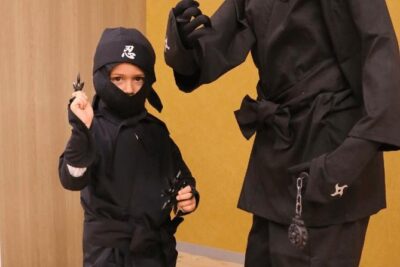 ★ 5.0Ninja Experience (Family Friendly) at Samurai Ninja Museum TOKYOFrom $47441 reviews
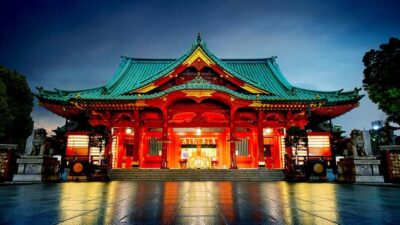 ★ 4.6Samurai Entertainment Night Show in Kanda ShrineFrom $41417 reviews
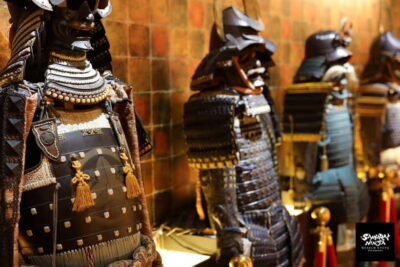 ★ 4.8Samurai Ninja Museum Asakusa: Samurai Sword Lesson & TourFrom $63306 reviews
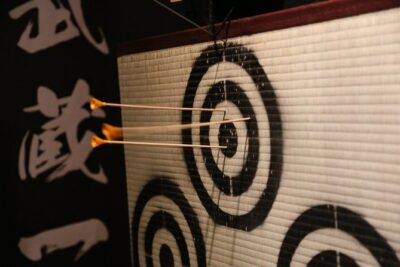 ★ 5.0Ninja Samurai 2-hour hands-on lesson by Japanese master in TokyoFrom $86194 reviews
 ★ 5.0Samurai Sword Experience (Family Friendly)at SAMURAI MUSEUM TOKYOFrom $65168 reviews
This tour also belongs to