
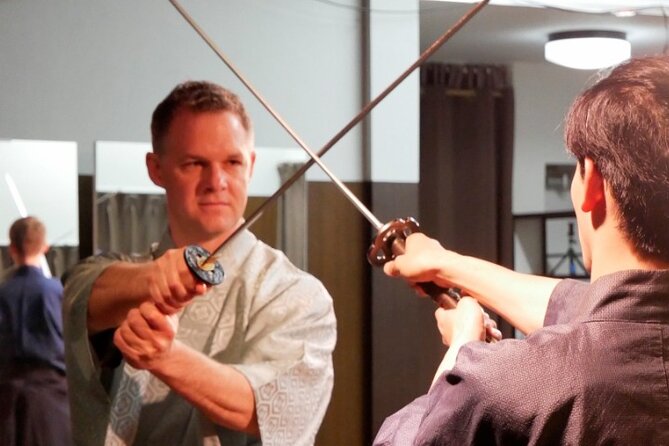
Review · TOKYO SAMURAI EXPERIENCES
Best Samurai Experience in Tokyo
Tokyo goes samurai for an hour.
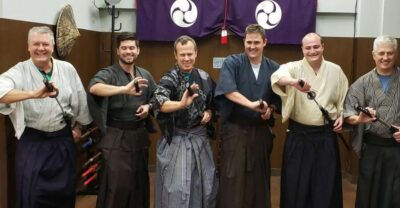
In Samurai Theater Tokyo near Shinjuku, you pick your kimono and hakama, dress as a samurai, and learn core katana skills in an Edo-era style training hall. The whole setup feels like stepping into a museum-dojo hybrid, with armor and weapons around you.
I also like the teaching style. The instructors are described as authentic teachers with film and drama experience, and they stay patient even when you are learning from zero. Plus, the experience is photo and video friendly, so you can capture the moment without feeling like you need permission for everything.
One thing to consider is that the time is short. This is a one-hour, beginner-focused practice session, so you will walk out with skills and confidence, not full sword mastery.
Key highlights before you go
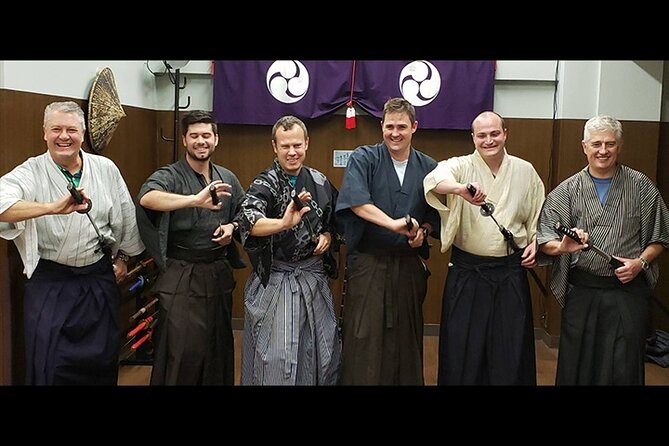
- Pick your own kimono and hakama so the look feels personal, not costume-bin generic
- Learn katana basics step by step including drawing, holding, swinging, and retracting
- Practice chambara sword-fight moves after the basics, so it feels like more than a lecture
- A music-driven battle finale turns your training into a fun performance moment
- Small group size up to 10 keeps attention on you
- Easy media setup for phone photos and videos inside the space
Samurai Theater Tokyo, in a dojo made for photos
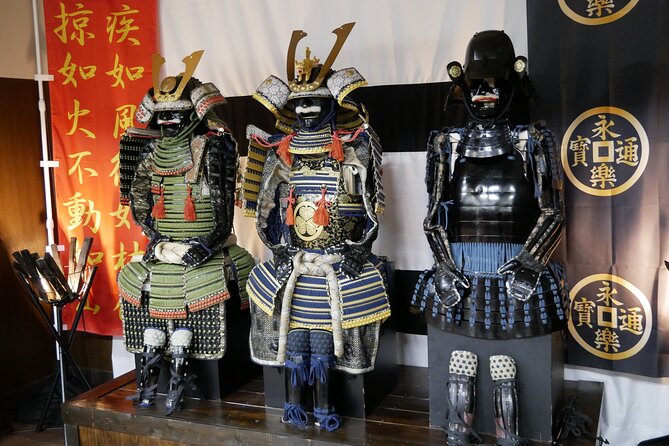
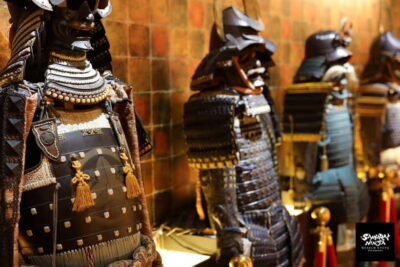
The setting is a big part of the appeal. Samurai Theater Tokyo is designed to look like an Edo-period dojo, and it does a good job of feeling separate from modern Tokyo. You walk into a space with armor and weapons on display, including swords, spears, and the kinds of props that instantly make the theme click.
The practical upside for you is simple. When the environment looks right, you get into the role faster. And because photography is allowed, you can actually use the space as part of your memory, not just stare at it while holding your phone awkwardly.
The room is also set up for action. You are not just watching a reenactment behind glass. You learn, practice, and then put it together.
You can also read our reviews of more tours and experiences in Tokyo.



Price and what $65 buys you in real value
At $65 per person, this is not trying to be the cheapest thing in Tokyo. It is, however, priced like an experience where you do real activities: instruction plus costumes, in a focused one-hour session.
Here is what is included:
- All fees and taxes
- A professional guide or instructor
- Samurai costumes
That matters because the costume and teaching are usually where these experiences either feel overpriced or feel like a bargain. Here, the costume choice is part of the program, not an afterthought. And the instruction is hands-on, not just a safety speech and a quick demo.
If you are comparing it to other Tokyo activities, think in terms of time and participation. You get a complete arc in about an hour: dress up, learn basics, practice a fight segment, and end with a performance-style sequence.
The value gets even better if you are traveling with kids or a mixed group, because this is one of those rare activities where adults and teenagers are entertained while kids get the dress-up and movement they crave.
Getting to the meeting point without stress
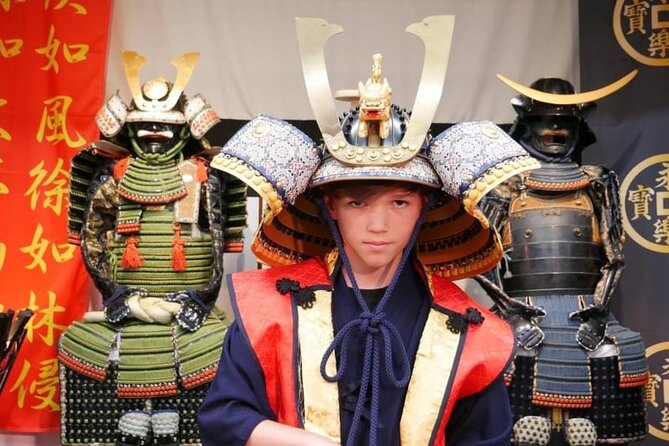
You meet at Samurai Theater Tokyo, 40 Yokoteramachi, Shinjuku City, Tokyo 162-0831. The big practical note is that it is near public transportation, so you do not need a private car.
Also, the location can feel a little tucked away. Some people mention it is down side roads and that it is easier once you spot a flag. My advice is to give yourself a few extra minutes and approach slowly, especially if you are walking in a group or with kids who move slower.
This is the kind of stop where you want to arrive calm. Once you start costume dressing, you will not want to be rushing.
Choosing your kimono and hakama, and why comfort surprises people
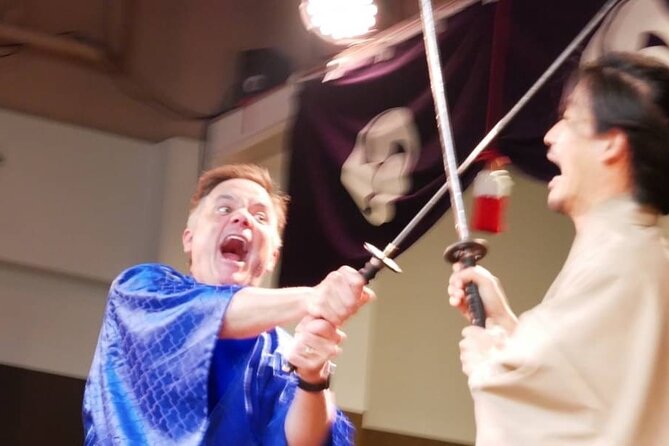
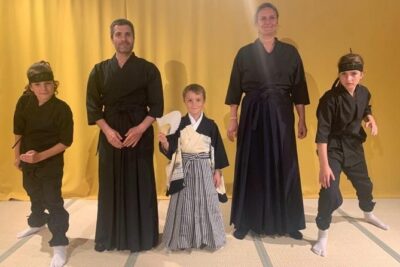
One of the most praised parts of this experience is the costume moment. You do not just get handed something random. You choose your favorite kimono and hakama, then change into samurai attire.
The comfort detail is worth taking seriously. More than one review calls out how comfortable the outfit was once it was on. That is important because lots of cosplay-style clothing looks dramatic but can feel restrictive. Here, the feedback suggests the team sets you up in a way that lets you move and practice.
For you, this is not just for the photos, though you will get plenty. It also changes how you carry yourself during the sword training. Clothing affects balance and posture, and the program clearly wants you to feel like you are part of the dojo routine, not just wearing a costume for a minute.
If you are traveling solo, you should also feel good about this part. The staff are described as friendly and accommodating for solo visitors, including taking photos and filming you during the session.
Katana basics that start simple and stay safe
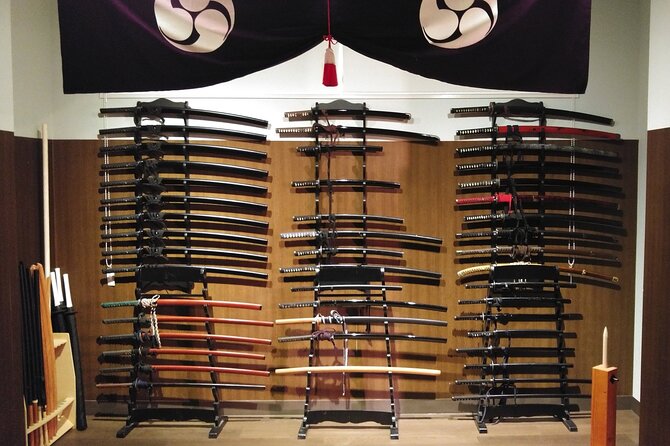
This is not a show where you watch someone else do everything. You learn how to handle a sword from scratch, with coaching.
The core sequence covers:
- how to draw the sword
- how to hold it
- how to swing it
- how to retract it
That order is practical. Drawing and retracting are where beginners feel most unsure. If you skip those steps, people get sloppy and tense. Here, the structure builds confidence move by move.
Safety is also addressed. Reviews mention learning the safety of wielding a katana, and that the instructors explain steps at a good pace. You will likely feel calmer if you come in with the mindset of learning basics, not performing tricks.
One more point I like: you are not expected to be athletic or experienced. The whole session is built for most travelers, meaning it is designed to work even if your only sword experience is playing a video game.



From lessons to chambara: the fun part that still follows instruction
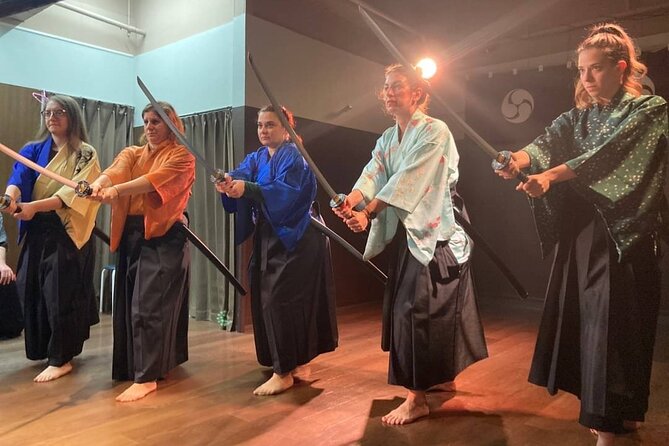
After the basics, you practice a simple chambara sword-fight. This is where the session stops feeling like a class and starts feeling like a game with rules.
The program then escalates into a music-based battle sequence. You are essentially given a choreographed chance to exterminate bad guys to the music. It is playful, but it also uses what you just learned. You do not just wave a sword around and hope for the best. You follow prompts and timing as the action ramps up.
Why this works for you is that it turns technique into memory. If you just learn movements, you forget them quickly. When you practice in a short fight format, your brain locks it in because it has a goal and rhythm.
There is also a choreography piece where you can perform what you practiced. People describe it as a short routine you can record, which is perfect for taking home something more fun than a selfie in front of armor.
Phone photos and videos: how to get the shots you actually want
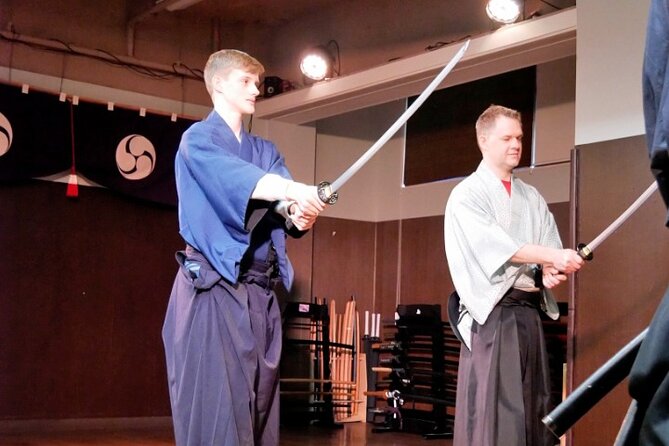
Photography and video recording are allowed inside the museum space, so you will not have to choose between participating and capturing the moment. You can film your training and the final routine.
A smart move is to plan your shots before you are dressed as a samurai. Once you are in full outfit, you will be busy listening and moving. The most memorable photos are usually the ones taken while you look ready, not while you are still adjusting sleeves.
Several reviews mention the staff taking photos for you. If that is your preferred style, you can focus on doing the moves and let the instructors handle some of the recording.
Also, if you want video, hold your phone steady before the sequence starts. The music-driven finale is the kind of moment that goes fast, and you will want footage that is not shaky.
Instructors with drama experience, taught like real coaches
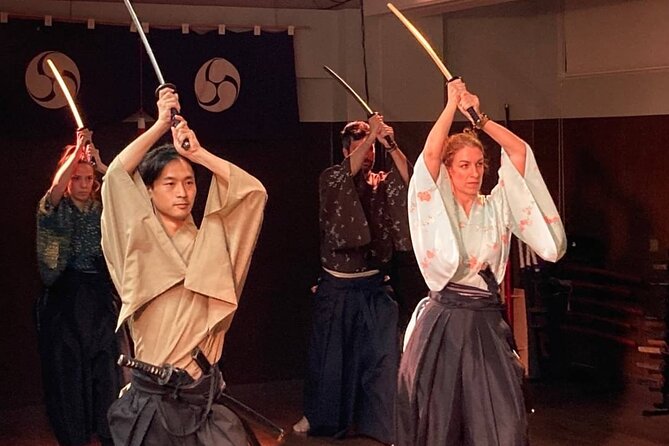
The teaching team is repeatedly described as professional, engaging, and patient. That matters because sword training needs calm instruction, not yelling or guesswork.
The program says the teachers are authentic instructors who have appeared in major Japanese dramas and movies. Even without a named celebrity in your group, you can feel that background in how the session is run. It is structured like performance plus safety plus repetition.
The reviews also mention that instructors:
- keep a good pace for kids and adults
- help people who are unsure
- are friendly and accommodating for families
- take initiative in helping with photos and filming
For your experience, that means you spend less time worrying about getting it wrong and more time enjoying the role.
And because the group is capped at 10, you are less likely to get lost in the shuffle. In a bigger class, you would get one quick correction and then drift. Here, you get coaching.
Who should book this samurai experience, and who might not
This is best for people who want hands-on fun with a real cultural theme. It is also great if you like interactive museums, costume activities, and anything Edo-period themed.
You will probably love it if:
- you want a family-friendly Tokyo activity that keeps kids moving
- you want a memorable costume moment without renting extra gear
- you are a beginner who wants to learn basics safely
- you want videos and photos you can share later
It might feel less satisfying if you are an enthusiast looking for long-form, advanced sword instruction. This is a short session, and the program is built around foundational moves and a simple fight format.
One more good fit note: one person can join the tour. If you are solo in Tokyo and want an activity that does not require a partner, this is a strong option.
Practical tips to make the hour go smoothly
A one-hour experience moves quickly. So plan for focus.
- Arrive with enough time to find the entrance calmly.
- Wear shoes you can stand and move in for about an hour.
- If you care about photos, remember that you are in costume and acting, not just posing.
- Come ready to learn basics like drawing, swinging, and retracting, and you will enjoy the ending more.
Also, since this is near public transportation and does not include private transport, you will want to handle getting there on your own. The pay-to-play value comes from the training and costumes, not from logistics.
If you are trying to fit it into a busy Tokyo schedule, the good news is that same-day reservations are possible and your ticket is mobile. That helps if your plan shifts during the day.
Should you book Samurai Theater Tokyo?
Yes, I think you should book it if you want a high-participation Tokyo activity with costumes, sword basics, and a fun finale. It is only about an hour, but it is structured like a complete mini-story: Edo-style setting, costume choice, katana fundamentals, chambara practice, then a music-driven battle sequence.
If you are traveling with kids, this is a particularly solid pick. Reviews highlight how family-friendly it feels, how patient instructors are, and how kids enjoy the movement and costume changes. Some families also mention a small gift for kids at the end, which is a nice extra if you are traveling with little samurai fans.
If you want advanced sword training, you might feel under-hyped by the short duration. But if you want confidence with basics and photos you will actually be proud to post, this delivers.
In short, book it when you want to do, not just watch. Samurai Theater Tokyo is built for that.
FAQ
How long is the Samurai Theater Tokyo experience?
It lasts about 1 hour.
What is included in the $65 price?
The price includes all fees and taxes, a professional guide or instructor, and samurai costumes.
Can I take photos or record video during the program?
Yes. Photography and video recording are allowed inside the museum.
Can one person join the tour?
Yes. One person can also join the tour.
What group size should I expect?
The tour has a maximum of 10 travelers.
Is private transportation included?
No. Private transportation is not included.
What is the cancellation policy?
You can cancel for free up to 24 hours in advance for a full refund. If you cancel less than 24 hours before the start time, you will not receive a refund.
More Tour Reviews in Tokyo
Not for you? Here's more nearby things to do in Tokyo we have reviewed







Tokyo Samurai Experiences, side by side.
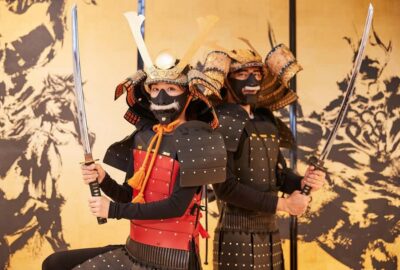 ★ 4.6Samurai Ninja Museum Guided tour and ExperienceFrom $271,010 reviews
 ★ 5.0Samurai Sword & Archery Class from Samurai DescendantFrom $193603 reviews
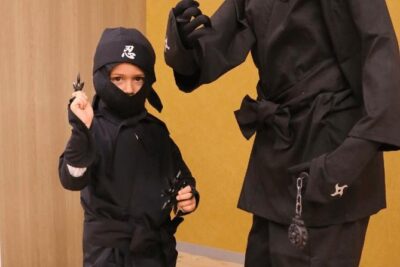 ★ 5.0Ninja Experience (Family Friendly) at Samurai Ninja Museum TOKYOFrom $47441 reviews
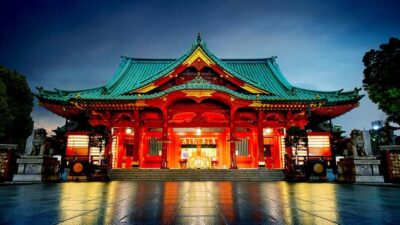 ★ 4.6Samurai Entertainment Night Show in Kanda ShrineFrom $41417 reviews
 ★ 4.8Samurai Ninja Museum Asakusa: Samurai Sword Lesson & TourFrom $63306 reviews
 ★ 5.0Ninja Samurai 2-hour hands-on lesson by Japanese master in TokyoFrom $86194 reviews
 ★ 5.0Samurai Sword Experience (Family Friendly)at SAMURAI MUSEUM TOKYOFrom $65168 reviews
 ★ 4.9Best Samurai ExperienceFrom $63124 reviews
This tour also belongs to