
Review · TOKYO SAMURAI EXPERIENCES
Odawara: Guided Ninja & Samurai Tour of Odawara Castle
Ninja training meets real castle history. I loved the way the walking tour around Odawara Castle Park with guide Jeff makes the Hojo clan story feel grounded, and how Shidou led ninja training that turns shuriken practice and hand gestures into something you actually do, not just watch. One thing to plan for: food and drinks are not included, so you will want your own snacks or a nearby meal idea.
This is a 150-minute, English-led experience with museum stops and an after-hours workshop. I also liked that you skip the ticket line and keep moving, so you get history and hands-on practice without wasting time.
Key takeaways before you go
- Meet your guide at the Odawara Castle Ninja Centre and start with a clear game plan from the get-go
- Hojo clan context on the castle keep grounds, so the ninja and samurai stories have real anchors
- Real armor at the Samurai Museum, including helmets and swords, not just costumes and props
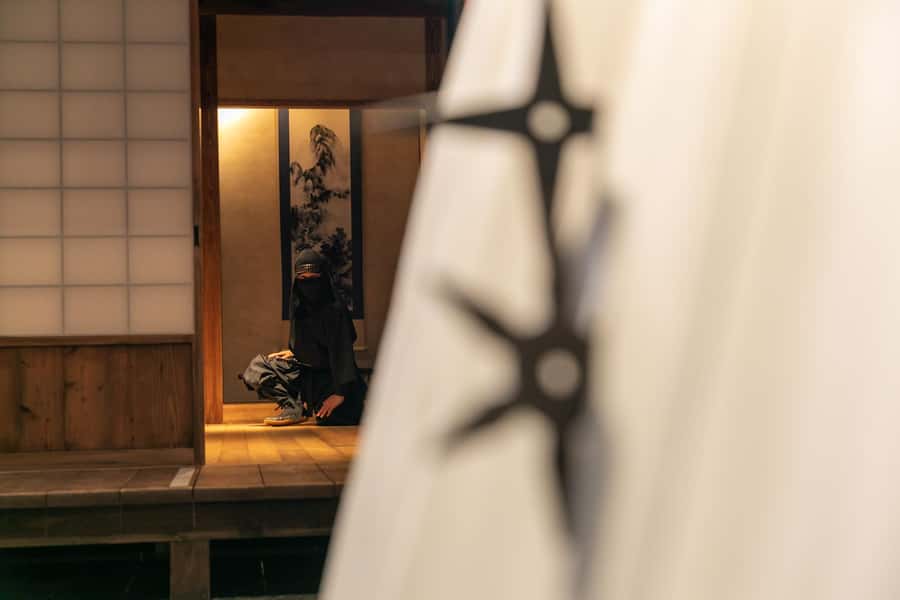
- An after-hours Ninja Museum workshop that feels like a special session, not a public show
- Hands-on weapon and movement drills, including shuriken and sword practice
- Family-friendly pacing, with activities that work even if you are traveling with younger kids
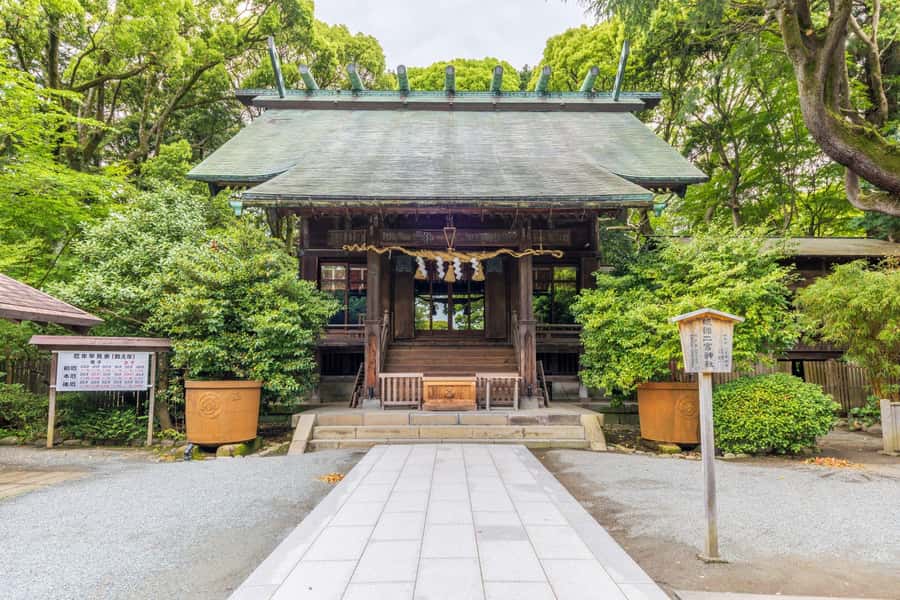
First stop at 小田原城NINJA館: meet your guide and set the vibe
You begin at the Odawara Castle Park area at the 小田原城NINJA館, meeting your guide right by the Ninja Centre entrance. From the start, the tone is casual but structured. You are not being herded around, you are being taught how to look at what you see.
A big reason this tour works is that the guide treats the setting like a living place with layers. Jeff, for example, is the kind of guide who answers questions without brushing them off, even when you ask follow-ups. If you like learning in small chunks while walking, this flow is a good fit.
Another plus is that you are not fighting entry lines for museums. You skip the ticket line, which matters in Japan when you are squeezing in a short day trip.
Expect some light prep for the later training. You will be introduced to the idea that ninja skills were not just about throwing weapons. They were about control, timing, breathing, and movement, and you will see that theme repeat later in the session.
Odawara Castle Park walk: Hojo stories with blossom-season atmosphere
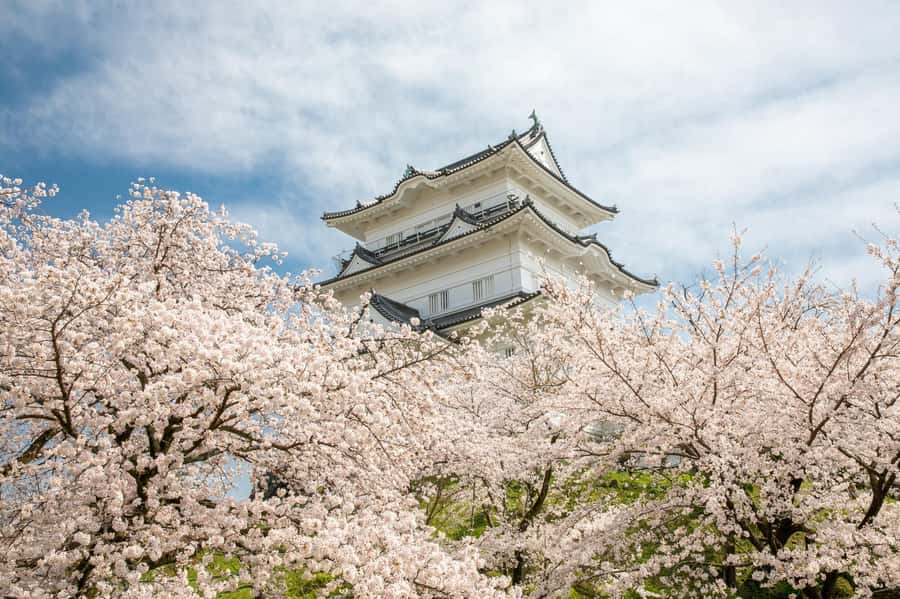
The tour then moves into Odawara Castle Park for a guided walk. Even if you only have a short time in Odawara, you get the sense of why this place mattered. The castle grounds are a great stage for stories, and the guide uses them well.
What I liked most is how the tour connects the famous ninja image to the reality of feudal Japan. The Hojo clan story is a central thread here. You learn that the castle keep area was home to the Hojo clan, who ruled the region for five generations during the Sengoku period.
That matters because it keeps the history from turning into generic samurai movie talk. You see the physical setting, then you get a reason it was fought over, ruled, and remembered. This is the difference between trivia and understanding.
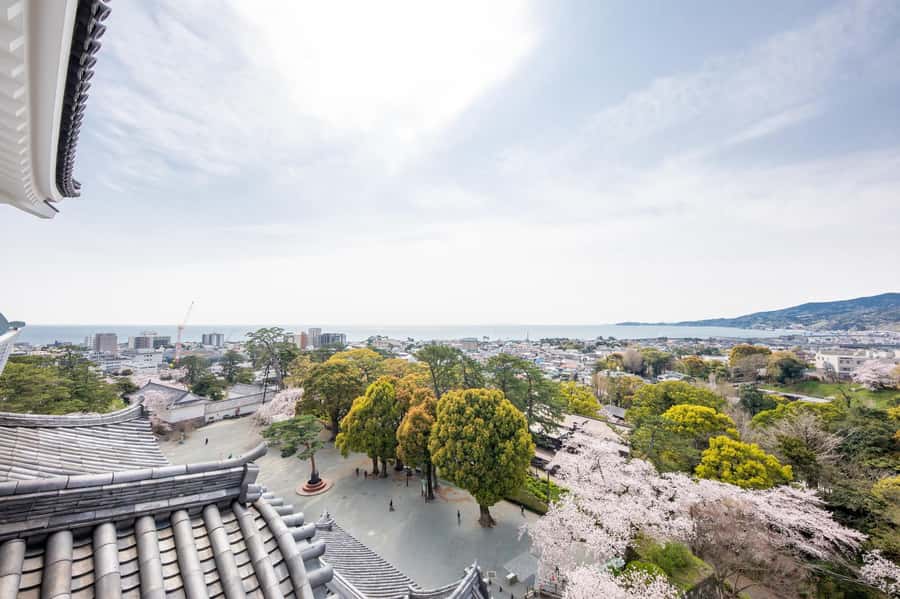
Also, if your timing lines up with seasonal blossoms, the atmosphere in the castle park is simply nicer. Even people who are not into flowers tend to appreciate a calmer walking pace when the grounds look their best. Bring a phone for photos, but also give yourself time to look up and around while you listen.
Potential drawback to note: this portion is a walking segment inside a defined time window. If you are traveling with someone who has trouble with steady walking, you may want to go slower and use the guide’s pacing as your buffer.
Tokiwa Kimon Samurai Center: a quick stop that adds useful context

Next comes the Tokiwa Kimon Samurai Center, another guided stop that supports what you will see later in the larger museum spaces. Think of this as a context layer. It is not the main event, but it helps you understand what you are about to see and why the artifacts matter.
This is where you start to connect armor and weapons to everyday thinking in a war-focused society: protection, identity, and the message sent by the look of a warrior. You are not just looking at objects; you are learning what roles they played.
The time here is brief, so you need to stay switched on. If you are easily distracted, you might miss details. But if you enjoy asking questions, the guide is the right person to prompt those moments.
This short museum-center stop also helps the overall rhythm of the day. You get a break from open walking, then you move back into the castle grounds and the final hands-on session.
Samurai Museum: real armor and swords you can actually study
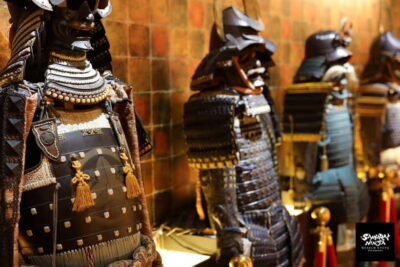
The Samurai Museum stop is one of the most consistently praised parts of this experience. The point is simple: you see authentic samurai artifacts, including armor, helmets, and swords. This is not just aesthetic. When you stand in front of the gear and hear what it was designed to do, the whole samurai world becomes more concrete.
What I love about this kind of museum visit is that it slows you down just enough. Even in a short tour, you get a chance to notice features and ask questions without feeling like you are rushing through a self-guided checklist.
If you are traveling with kids, this is also a smart stop. It gives them something visual to hook onto before the ninja portion takes over. In the past, people have mentioned how the tour stays fun for different ages, and this museum segment helps make it work for families.
One practical note: museums can vary in how busy they feel on the day you go. Here, the benefit is that you have guided time and built-in progression, so you are not stuck deciding what to see first.
Walking the keep grounds: where ninjas and samurai stories meet
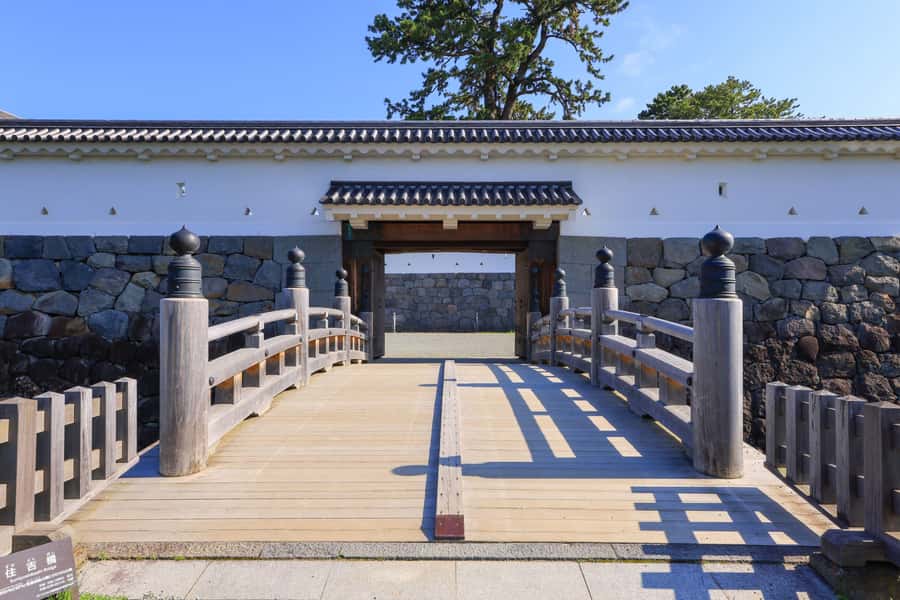
As the tour moves toward the castle keep area, the guide shifts into more narrative, and the castle architecture helps the story make sense. You walk around the grounds of the castle main keep, and you hear how the Hojo clan era shaped the area during the Sengoku period.
This is the part where ninja history feels less like a theme park. Ninjas are presented as shinobi with a role in that era, not as cartoon figures. The stories you hear are the reason this tour is worth doing even if you have already seen other castles around Japan.
It also helps that the guide is comfortable handling questions. People have singled out guides like Jeff and Naoya for being friendly, humorous, and responsive. If you are the type who asks what something means or how something worked, you will likely get more than a basic answer.
Seasonal timing can also color this section. A pleasant day makes walking easier, and blossom season gives you a softer, more memorable mood than gray winter sightseeing.
Ninja Museum after-hours workshop: breathing, meditation, shuriken, and hand gestures
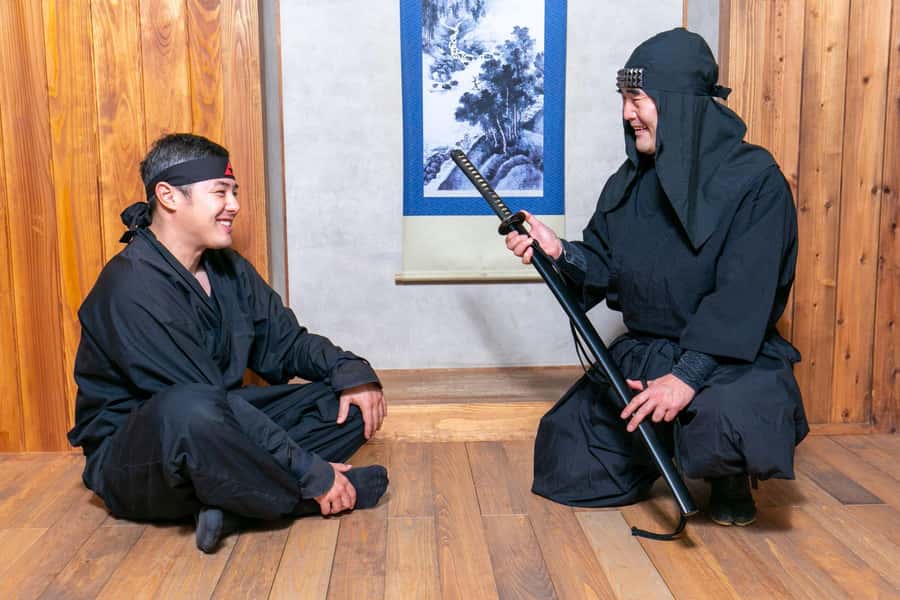
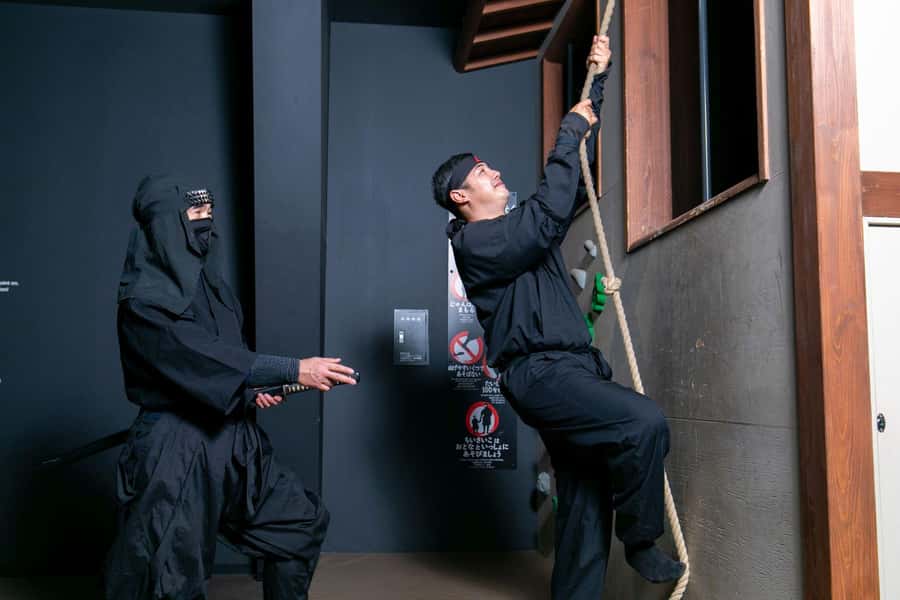
Then comes the part that makes the tour feel like more than a sightseeing loop. You enter the Ninja Museum after regular hours for an exclusive interactive ninja training demonstration and workshop.
The way it is structured is smart. You do not jump straight to weapon throwing. You start with fundamentals like breathing, meditation, and movement. That foundation matters because it explains the why behind the actions. It also makes the session calmer than you might expect if you only picture rapid-fire ninja theatrics.
After the basics, you practice tools and techniques with shuriken and sword training. People also mention trying blow darts and throwing ninja stars at targets. The workshop style is interactive, so you will do the motions, not just watch someone else do them.
A memorable element is the closing focus on iconic ninja hand gestures. These are part of the training identity, and the workshop ends with you getting that moment of transformation, where you feel included in the ritual and not left outside the fun.
In the workshops led by instructors like Shidou and Shudo, the energy is often described as friendly and encouraging. The tone you want for this kind of class is the one that helps you laugh at missed throws while still taking the basics seriously. That balance is exactly what people highlight most often.
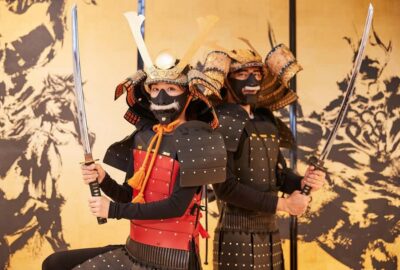
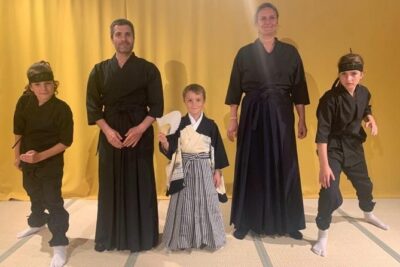
One more practical thing: you receive ninja attire for the training workshop. You should expect to change into it and then wear it during the drills. It adds to the experience, and it helps kids feel like they are part of the story.
Skip ticket lines, get museum tickets, and why the $116 price can make sense
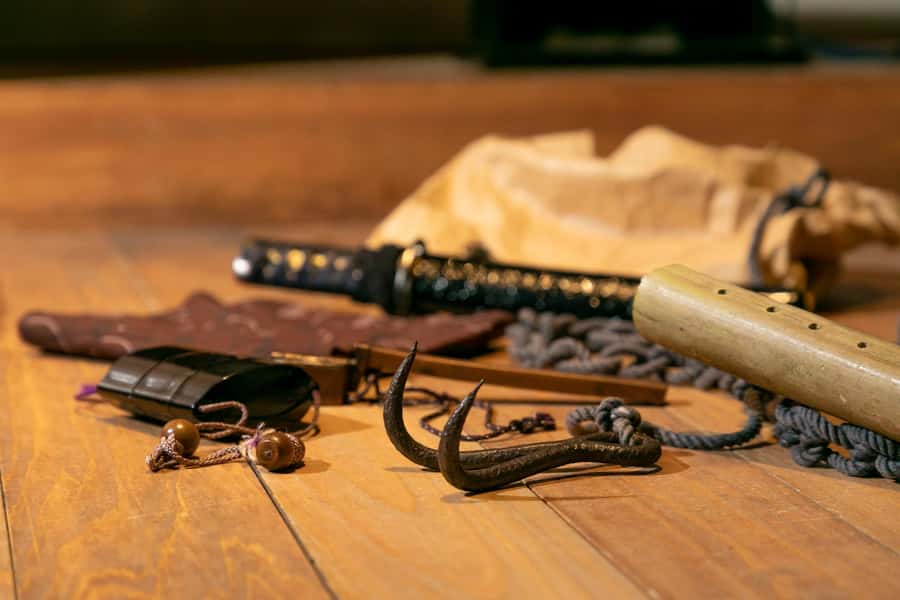
Let’s talk value, because $116 per person can sound high if you think this is only a guided walk. But in practice, you are paying for three things at once: a guided history component, entry to both the Samurai Museum and the Ninja Museum, and the interactive after-hours training with instruction and ninja attire.
The price also reflects the fact that the Ninja Museum portion happens after regular hours. That is not just a normal open-time demo. You are getting a more controlled session where the group can focus on instruction and practice.
You should also consider what you would pay if you did this in separate pieces. A guided English tour at a castle area plus museum admissions plus a hands-on class usually adds up quickly. Here, the package keeps the time compact and the logistics simpler.
For best value, match your expectations to the format. This is 150 minutes, so it is not a long, slow, all-day deep cultural immersion. Instead, it is a tight, high-action history-and-skills blend. If that sounds like your travel style, the price feels more reasonable.
If you do not care about hands-on training at all, you might find you prefer a cheaper castle-focused guide. But if you want to learn and do, the package is strong.
Who this tour fits best (and who might want a different plan)
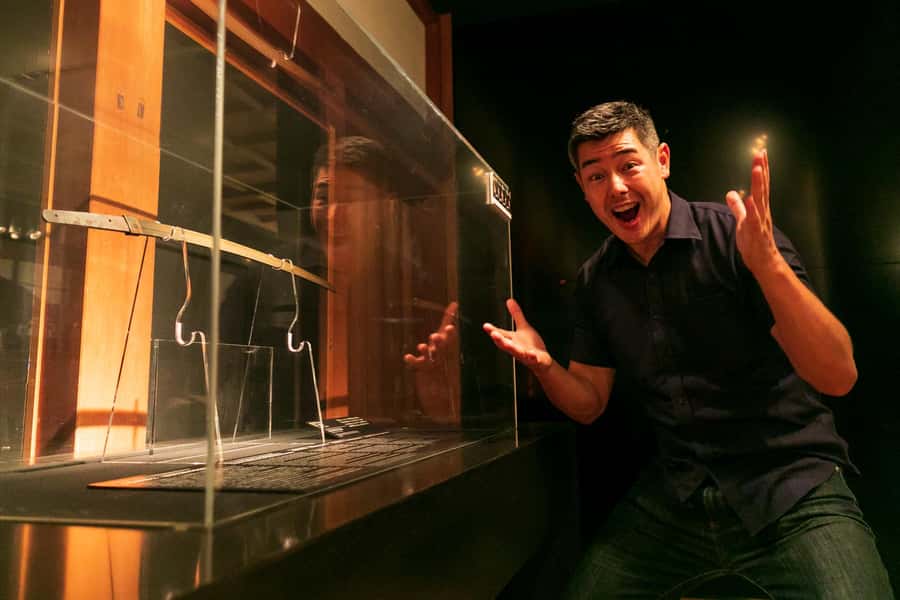
This works especially well if you want a day trip from Tokyo area and you like structured time. Odawara is just south of Tokyo, between the Pacific coast and the mountains of Hakone, so it is a natural stop if your schedule is already building around that region.
It is also a great match for families. The workshop has been described as fun for all ages, and instructors handle beginners patiently, even when kids are excited and adults are a bit rusty.
If you are a history fan, you will appreciate the Hojo clan context and the fact that the armor museum portion is built into the tour rather than tacked on. If you are a martial-arts fan, you will appreciate that the workshop includes breathing, meditation, and movement, not just weapon play.
If you are someone who prefers purely contemplative travel, this tour might feel a little too active. You get stories, but you also get practice drills, movement work, and lots of interaction. For some people, that is exactly what they came for.
Also, remember there are no food and drinks included. That is easy to fix, but it is still a real planning factor.
Practical tips for getting the most out of your 150 minutes
Here’s how you can make this day smoother.
Wear comfortable shoes. You will walk through castle grounds and museum spaces. Even if the pace is friendly, it adds up in 150 minutes.
Bring a small towel or plan for a quick wipe if you feel sweaty. The training section includes movement drills and throwing practice, so you might want to be ready for it.
Arrive on time at the meeting point near the Odawara Castle Ninja Centre entrance. The tour is built as a timed progression, so late arrivals can squeeze your experience.
If you are traveling with kids, it helps to set expectations before you start. Tell them they will not just learn, they will practice. That simple framing tends to make the experience click fast.
Finally, plan your food. Since meals are not included, I recommend eating before or after your tour, or at least bringing a small snack you can manage calmly before the workshop portion.
Should you book the Odawara Ninja and Samurai Tour?
Book it if you want something rare: castle history plus a hands-on ninja workshop in one compact, English-led package. The most praised parts are consistent for a reason. The guides, including Jeff and Naoya, are described as warm, friendly, and responsive, and the ninja instructors like Shidou and Shudo are clearly good at making beginners feel capable.
Skip it if you only want quiet sightseeing and you would rather spend your time on your own at Odawara Castle. This tour is action-oriented by design, and it is structured around practice, museum stops, and a guided after-hours session.
If you are deciding between “see artifacts” and “do something fun,” this tour manages both. And with $116, you are paying for instruction, admissions, and the after-hours experience, not just a walk around the grounds. For many people, that is exactly the sweet spot.
FAQ
How long is the Odawara guided ninja and samurai tour?
The tour duration is 150 minutes.
Where do I meet the guide?
You meet your guide at the entrance of the Odawara Castle Ninja Centre (Ninja Museum), at 小田原城NINJA館.
Is the tour offered in English?
Yes. The tour includes a live guide in English.
What is included in the price?
Included are the guide, entry tickets to the Samurai Museum and the Ninja Museum, and ninja attire for the training workshop.
Are food and drinks included?
No. Food and drinks are not included.
Can I get a refund if I cancel?
Yes. Free cancellation is available up to 24 hours in advance for a full refund.
Tokyo Samurai Experiences, side by side.
 ★ 4.6Samurai Ninja Museum Guided tour and ExperienceFrom $271,010 reviews
 ★ 5.0Samurai Sword & Archery Class from Samurai DescendantFrom $193603 reviews
 ★ 5.0Best Samurai Experience in TokyoFrom $65458 reviews
 ★ 5.0Ninja Experience (Family Friendly) at Samurai Ninja Museum TOKYOFrom $47441 reviews
 ★ 4.6Samurai Entertainment Night Show in Kanda ShrineFrom $41417 reviews
 ★ 4.8Samurai Ninja Museum Asakusa: Samurai Sword Lesson & TourFrom $63306 reviews
 ★ 5.0Ninja Samurai 2-hour hands-on lesson by Japanese master in TokyoFrom $86194 reviews
 ★ 5.0Samurai Sword Experience (Family Friendly)at SAMURAI MUSEUM TOKYOFrom $65168 reviews
This tour also belongs to