
Review · TOKYO
Furoshiki Cloth Wrapping
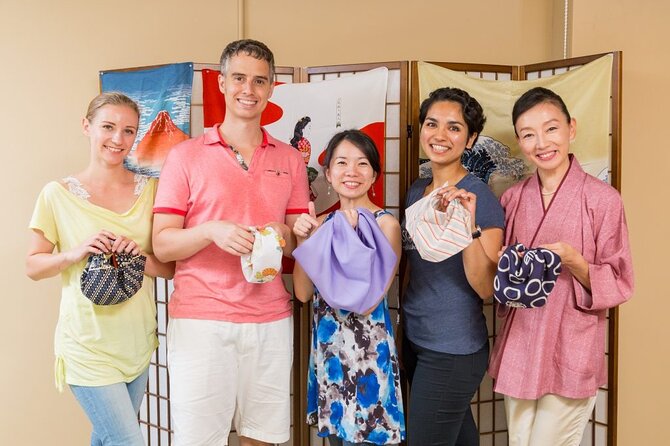
A cloth can turn into anything. In this Tokyo furoshiki workshop, you learn seven wrapping techniques, then take home a keepsake cloth to practice. The main drawback is simple, you need a bit of patience, especially with the knots at first.
What I like most is the combination of hands-on crafting and clear cultural context. The instructor keeps things friendly and practical, so you are not stuck translating concepts while your hands do nothing. Also, the class size stays small, up to 28 people, so it feels guided rather than rushed.
You’ll focus on reusable wrapping for gifts and everyday carry. You’ll learn why this Japanese cloth tradition still matters today, especially as an eco-minded alternative to single-use wrapping.
Key Highlights You’ll Care About
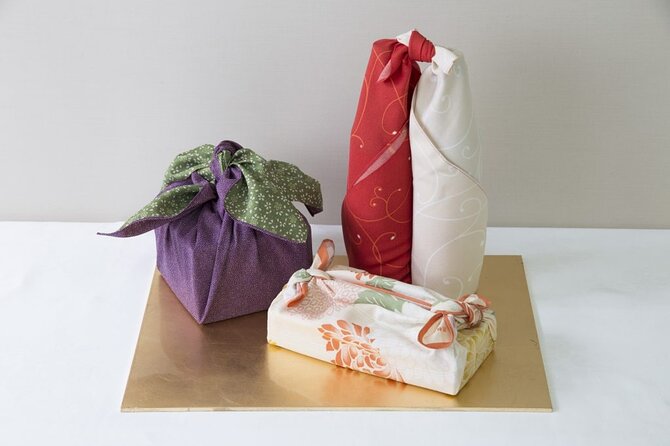
- Seven techniques in one session, starting with folds and knots
- Take-home furoshiki, so your learning does not stop when class ends
- Practical outcomes, from wraps you can use to cloth accessories
- Eco-friendly mindset, including sustainable alternatives for everyday items
- Small group format, capped at 28 for workable instruction
A 90-Minute Furoshiki Reset in Tokyo
This workshop is a smart break from Tokyo’s nonstop walking and constant decision-making. For 1 hour 30 minutes, you get to slow down, work with your hands, and end with something useful instead of another souvenir magnet.
The concept is wonderfully simple: cloth replaces waste. Furoshiki is a traditional Japanese art of wrapping with fabric, and the class leans hard into the practical side. You learn ways to wrap gifts, carry items, and even make wearable cloth accessories for friends and family.
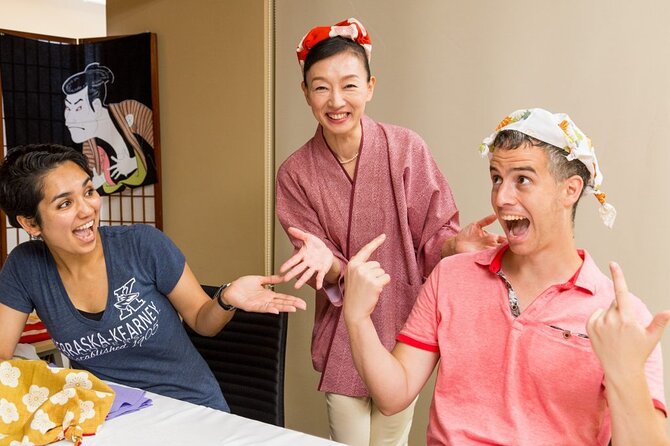
What makes it especially appealing is that you are not just watching. You are making, practicing, and redoing until the method clicks. If you like learning a basic craft you can actually use at home, this fits.
You can also read our reviews of more tours and experiences in Tokyo.



Where You Meet: Kikai Shinkō Kaikan Near Shibakōen
The workshop starts at Kikai Shinkō Kaikan, 3-chōme-5-8 Shibakōen, Minato City, Tokyo 105-0011. It ends back at the same meeting point, so you are not hunting down a second location after the class.
Getting there is straightforward because it is near public transportation. That matters in Tokyo, where a short ride can save a lot of energy. Still, plan a little buffer so you do not arrive flustered, since the first part starts with basic folds and knots.
One more practical thing: there is no food or beverages included. I recommend you eat before you go, or you might spend the class thinking about what you will snack on after.
The Workshop Flow: From Basic Folds to 7 Techniques
The session is designed like a gentle skill ladder. You begin with basic folds and knots, then you move into more advanced techniques. That structure is perfect if you are starting from zero, because you build muscle memory instead of trying to memorize steps.
Early on, you learn the core idea behind furoshiki: you are shaping cloth so it holds an item securely. Once you get comfortable with how the fabric moves, the rest feels more like problem-solving than magic.
Then comes the part that makes this class a good value. You cover seven different wrapping techniques in one workshop, not just one impressive wrap you forget the next day. By the end, you have multiple ways to handle different shapes and sizes, from gifts to carries.
What You Learn That Actually Transfers to Home
A lot of classes teach “a craft,” but not every one helps you reproduce results later. This one gives you a souvenir furoshiki cloth to practice at home, which is the difference between a fun hour and a skill you keep.
You also get cultural stories and context while you work. The goal is not academic history for its own sake. Instead, you learn how furoshiki connects to modern eco habits, and why reusable wrapping is still valued in Japan.
I like that the class frames furoshiki as an everyday tool. You learn sustainable methods you can use for wrapping gifts, covering items, or carrying things, not just for a one-time event photo.
Knots and Folds: The Skill That Makes Everything Easier
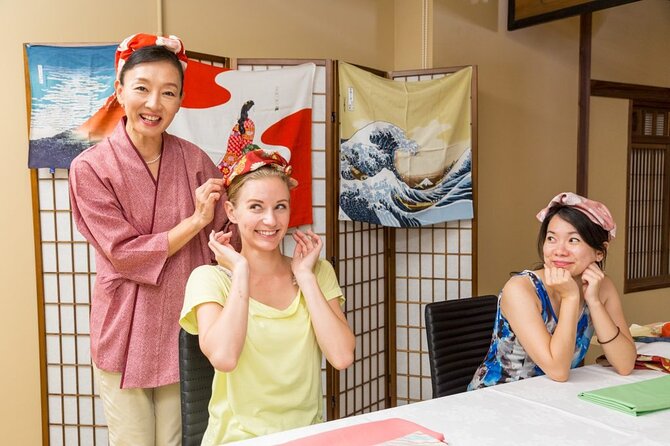
In furoshiki, the knots are where people often get stuck. In this workshop, you start with the basics, which is key, because once the knot logic makes sense, everything gets easier.
The instructor is friendly and knowledgeable and focuses on getting you to understand what your hands should do next. If you get one step wrong, you are not thrown out of the process. You can correct, redo, and keep moving forward with the technique.
Here’s how I’d think about it as a learner: you are not memorizing a sequence, you are learning a set of cloth moves. Once you understand those moves, you can adapt them to different gift sizes later without panicking.



Sustainable Wrapping: Small Change, Real Impact
The workshop’s eco angle is not vague. It includes ideas for environmentally friendly alternatives to household items, which keeps it grounded in daily life.
Even if you never fully switch your wrapping habits, learning furoshiki changes how you plan for gifts. You start thinking ahead: instead of grabbing new paper and tape, you reach for a cloth you can reuse.
That is why the take-home cloth matters. You can keep the practice going, and you are more likely to use what you learned. A reusable method also reduces the “wrap, unwrap, throw away” loop that makes gift-giving wasteful.
What You’ll Make: Bags, Hats, Covers, and Wearables
The workshop goes beyond typical gift wrapping. You practice techniques that can turn cloth into functional items like bags, covers, and other useful wraps. The experience also mentions wearable cloth accessories, so you are not limited to “things you wrap on a table.”
I find this part fun because it changes your mental model. Cloth stops being decoration and becomes gear. You learn that with the right fold and tie, you can create storage and carry options without plastic or cardboard.
If you are traveling, this also helps. You can think about furoshiki as lightweight organization you can use at home, on trips, or for small practical needs. It is not a replacement for luggage, but it can replace some temporary wrapping or bagging you would otherwise do with disposables.
The Instructor Experience and Class Size (Up to 28)
Group size is limited to a maximum of 28 travelers, which keeps the pace workable. In craft workshops, too-large groups can mean you wait for attention. Here, the cap helps you stay supported while you practice.
The instruction style is practical. I’d expect you to get explanations, demonstrations, and then time to copy the technique at your own speed. That is especially helpful if you are learning alongside people of different ages or experience levels.
The workshop is also described as nationally accredited, so you are in the hands of someone trained in the craft. That matters when you are trying to learn knots and folds correctly the first time, since small details can change how the wrap holds.
Price and Value: Is $77.26 Worth It?
At $77.26 per person, this workshop is not a bargain-bin activity. But it is also not just paying for a show. You’re getting a structured class focused on real skills, plus a take-home cloth you can use immediately.
Here’s the value math that matters. If you keep one technique and use it a few times at home, you start getting your money back in practical terms. Gift wrapping costs add up, and reusable cloth wrapping can reduce how often you buy new wrapping materials.
The other value factor is the scope. With seven techniques covered in one session, you leave with variety. That is better than workshops that teach one or two methods but leave you wanting more.
Also, there is mention of group discounts and mobile ticketing. Group discounts can help if you are pairing up with friends or a family member who wants to learn alongside you.
Timing, Tickets, and What to Bring to the Session
The class runs about 1 hour 30 minutes. Because the focus is hands-on, your best move is to arrive calm and on time so you can start with the basic folds and knots without feeling behind.
You use a mobile ticket, and confirmation is sent within 48 hours of booking, subject to availability. Plan your schedule so you’re not cutting it too close if you are trying to fit this workshop into a busy Tokyo day.
As for what you should wear, the listing does not specify. In cases like this, I generally suggest comfortable clothes and sleeves that do not get in the way. You do not want to spend the class adjusting your outfit while you try to tie a knot.
Who This Workshop Fits Best
This is a great choice if you want a hands-on cultural experience that is not locked behind language barriers. The craft is visual and tactile, and you get guided practice, so you can participate even if your Japanese is limited.
It also works well for families. The workshop setup and skill ladder make it reasonable for teens and older kids who like doing things with their hands.
If you are the type who enjoys learning a small craft you can repeat, you’ll likely get a lot from the take-home cloth. If you prefer passive activities, you might find the knot practice takes focus.
Tips to Get Better Fast During Class
Here are a few practical moves that help when you’re learning furoshiki:
- Start by watching the fold first, then tie. If you tie too early, the cloth may not sit right.
- Accept one redo as normal. Knots improve after a couple attempts.
- Pay attention to how the cloth tightens. When you understand that, you get better results quickly.
Also, take time during the practice rounds to compare your wrap to the instructor’s method. Small differences in tension can change whether the wrap looks neat and holds securely.
Should You Book This Furoshiki Workshop?
Book it if you want a Tokyo activity with lasting value. The take-home furoshiki cloth, the seven techniques, and the practical focus on wrapping and carrying make it more than a one-time craft.
I’d skip it if you are short on time and only want something scenic. This is a skill-building workshop, and the real payoff is what you can do after you leave.
If you like sustainable habits and you enjoy learning by doing, this workshop is a smart use of your time in Tokyo.
FAQ
How long is the furoshiki cloth wrapping workshop?
It lasts about 1 hour 30 minutes.
Where is the meeting point in Tokyo?
You meet at Kikai Shinkō Kaikan, 3-chōme-5-8 Shibakōen, Minato City, Tokyo 105-0011, Japan.
What techniques will I learn in the class?
You learn seven different furoshiki wrapping techniques, starting with basic folds and knots and then moving to more advanced methods.
Do I get a cloth to take home?
Yes. You receive a souvenir furoshiki cloth so you can practice at home.
What is included with the ticket?
The ticket includes the souvenir furoshiki cloth and instruction from a nationally accredited furoshiki instructor.
Is transportation or food included?
No. Transportation to the venue and any food or beverages are not included.
How big is the group?
The class has a maximum of 28 travelers.
When will I receive confirmation, and is there a mobile ticket?
Confirmation is received within 48 hours of booking, subject to availability, and you use a mobile ticket.
What is the cancellation policy?
You can cancel for free up to 24 hours in advance for a full refund. If you cancel less than 24 hours before the start time, the amount paid is not refunded.











