
Review · SHINJUKU TOURS
Tokyo: Shinjuku Food Tour (13 Dishes at 4 Local Eateries)
Shinjuku food comes fast here. This 3-hour walking tour is built for people who want a shortcut through the neighborhood’s best eating lanes, without standing in line or figuring out what to order. Tastings are included, so you just focus on eating and listening.
I especially like the sheer variety, 13 dishes served across 4 local eateries, including different styles like an izakaya meal and street-style bites. The pace stays manageable, and the tour format keeps things social but not huge, with a maximum group size of 12.
One possible drawback: the experience can feel a bit more about food sampling than deep explanations. A few participants noted they wanted more guidance on what each dish was and how to eat it, so if you learn best by hearing lots of details, plan to ask questions along the way.
Key things I’d plan around
- 13 dishes in 4 places means you get range, not repeat samples
- Tastings included so your budget stays simpler
- Small group (up to 12) helps you actually talk to your guide
- Two complimentary drinks split between alcohol and non-alcohol options
- History woven into the walk at famous Shinjuku areas like Golden Gai
- Guide names like May, Hoshi, Igor, and Kei show up often in feedback for strong English and a fun tone
Why Shinjuku Feels Easier When Food Is Scheduled
Shinjuku can be a lot, fast. Even if you love neighborhoods with energy, it’s still tough to pick where to eat when every alley looks tempting and every menu feels like a puzzle. This tour solves that in a very practical way: you follow a route, hit four eateries, and taste 13 dishes that are already part of the plan.
The best part is the money and mental load control. You do not keep paying at each stop. Instead, the tour bundles the tastings and two drinks into one set price, so you can say yes to things you might skip solo. That matters in Tokyo, where you can absolutely get full with a few “simple” choices. Here, you get guided variety without trying to outsmart the menu.
I also like how the tour anchors food in place. You are not just eating, you are moving through key Shinjuku zones like Omoide Yokocho, Kabukicho, and Shinjuku Golden Gai, with stories that explain why these areas matter. That turns your meal into something you can remember, not only something you taste once.
You can also read our reviews of more food & drink experiences in Tokyo

Price and Value: What You Really Get for $86.22
At $86.22 per person, the headline question is: is it worth it in Tokyo? Here is the value logic that helps you decide.
You are getting:
- 13 Japanese dishes at 4 eateries
- 2 complimentary drinks (alcohol and non-alcohol options)
- A professional expert guide and a city walking and culture tour
Think about it this way. If you try to recreate this yourself, you would likely pay separately for multiple meals, cover drinks, and spend time figuring out where to go and what to order. Even if you find great food, the “time cost” is real, especially around Shinjuku Station and the surrounding maze of streets.
This tour does something smart for solo travelers too. You do not have to gamble on random spots. You follow a pre-selected path where the guide helps manage the order flow so the sampling stays smooth. That is also why it works well for first-time visitors. You get to experience iconic Shinjuku eating culture without spending your evening lost or stuck in a line that ends up being a bad match for your tastes.
Meeting Point and Route Reality: How the 3-Hour Walk Feels
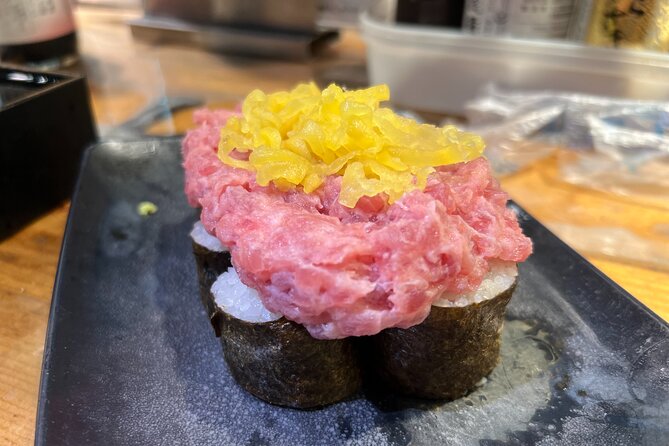
You start at AOKI Shinjukunishiguchi Honten in Nishishinjuku, then the tour ends near the Southeast Exit of JR Shinjuku Station. If you would prefer, the operator can escort you back to Starbucks, just tell your guide.
A few things to know so your timing goes smoothly:
- Duration is about 3 hours, so it is a true evening activity, not a slow all-day stroll
- The tour uses a mobile ticket
- It is near public transportation, which matters in Tokyo where one wrong turn can steal time
This is the part I’d treat seriously: Shinjuku is busy. If you’re arriving from somewhere else, give yourself extra buffer. Several guide styles in feedback mention being helpful with timing and logistics, but you still do not want to stress the start.
Also, wear shoes that can handle frequent walking. You are moving between distinct neighborhoods and alley clusters, including narrow lanes where crowds can make pace feel tighter.
Stop 1: Omoide Yokocho and the Art of Eating in Tiny Lanes
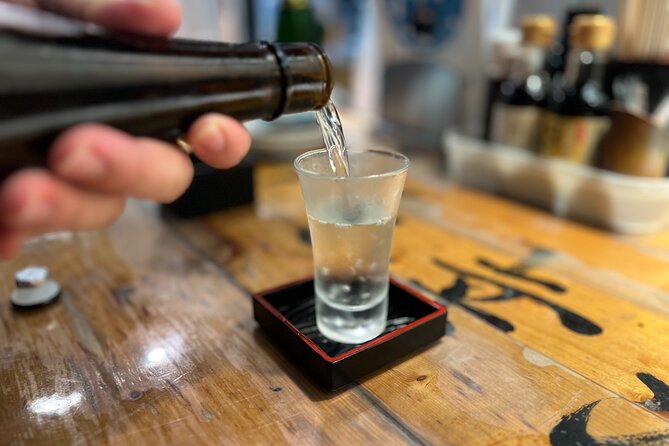
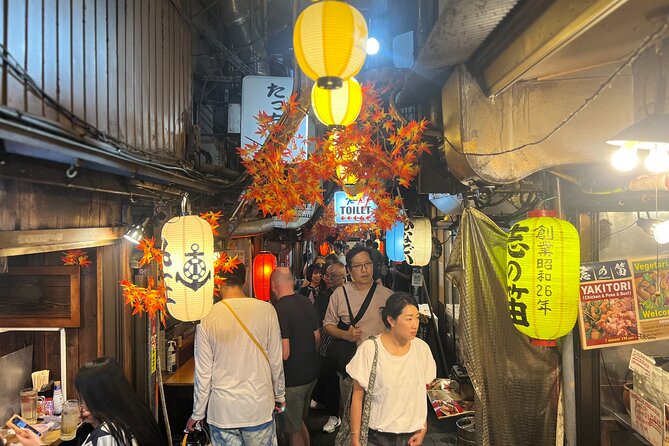
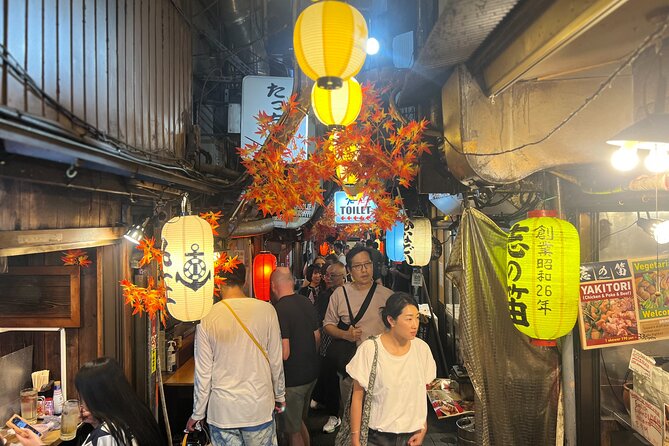
Omoide Yokocho is the kind of place you can miss if you are not looking for it. The vibe is built around narrow lines and tiny izakayas and food stalls, with that back-alley intensity that makes you want to pick any open seat and start eating.
In this stop, you get about 1 hour in the area, and that time matters because the food culture here is all about rhythm. You arrive, settle into the lane energy, and start tasting. It’s not a sit-and-digest long course; it’s more like snack-meal momentum.
What makes this stop appealing is contrast. Shinjuku has big neon surfaces and wide streets, but Omoide Yokocho is closer to old-school Tokyo side streets. It is a fast way to see a different texture of the city in one evening.
Drawback consideration: these alleys can feel tight. If you do not love close quarters or crowd noise, you may find the environment more intense than other stops. It’s part of the authenticity, but it is good to know what kind of atmosphere you’re signing up for.
Stop 2: Kabukicho for Nightlife Context and a Traditional Meal
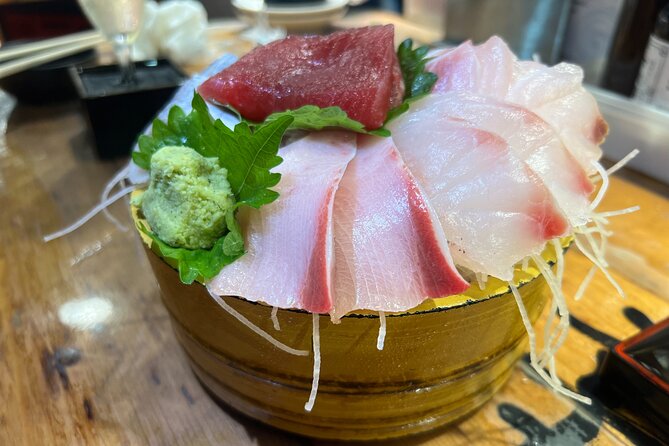
Kabukicho is Tokyo’s well-known entertainment district, and this tour uses it as a cultural frame. About 1 hour here includes explanation of the area’s establishments and a visit to a traditional Japanese restaurant.
Why this works for a food tour: Kabukicho is not just flashing signs. It’s a district with a layered identity, and your guide uses that setting to explain how entertainment neighborhoods developed and what kinds of food experiences people go for in that context.
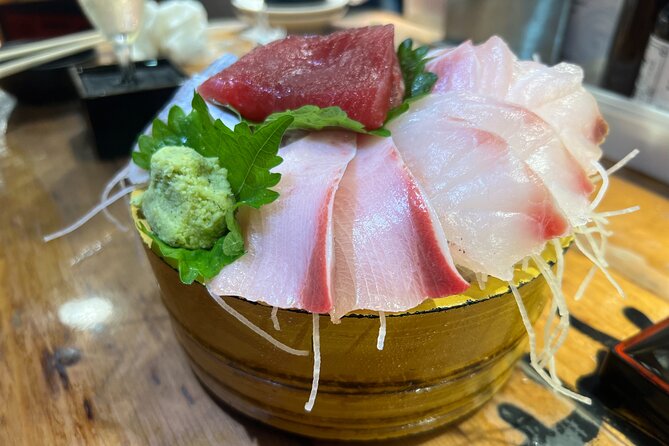
You also get a traditional restaurant meal in the Kabukicho stop, which helps balance the more street-heavy feel of Omoide Yokocho. The menu style can vary by restaurant choice, but the concept stays consistent: you’re tasting in a setting that locals associate with going out.
If you’re sensitive to nightlife energy, go in with the right expectations. This is not quiet old-town Tokyo. It’s a neon district, and you’ll feel that on the street before you sit down to eat.
More Tokyo tours and experiences for the shortlist


Stop 3: Shinjuku Golden Gai and Why Those Alleys Matter
Golden Gai is famous for narrow alleys and tiny bars, with the neighborhood known for preserving post-war architecture. It’s one of those places where the geography itself tells a story.
You get about 1 hour here, and your guide’s job is to help you understand what you’re seeing. The alleys are small, and the details are easy to miss if you walk through without context. Golden Gai also links food with atmosphere. The bars are the stage, and the food culture fits the intimate scale.
A practical note: Golden Gai is compact. That means more standing and slower moving in the tight lanes. If you have mobility constraints, the tour can still be helpful because guides often coordinate around the group. But you should still consider whether you’re comfortable with narrow alleys and a bit of waiting.
One more caution from the reality of tours: occasionally, a stop like Golden Gai might not land exactly as you expect depending on how the day runs. If Golden Gai is your top priority, it helps to message the operator before you book to confirm what’s included on your date.
The 4th Eatery and the Drinks: Where Variety Really Shows Up
The tour is structured around four eateries, but only three named zones are listed in the stop overview. In practice, the “fourth” part shows up as the remaining restaurant or stall type needed to complete the dish count and include different styles like gastrobar and street-style tastings.
Included food types in the tour plan include:
- 1 stall
- 1 izakaya
- 1 traditional eatery
- 1 gastrobar
You can also expect two complimentary drinks during the tour. Alcohol and non-alcohol options are included, so you can choose based on your preferences. This is a nice touch because it keeps the experience feeling like a proper night out, not a strict tasting session.
One sweet moment shows up in some schedules too. A participant described a dessert stop for taiyaki at the end, after the four main dining stops. I cannot promise every date includes the same dessert plan, but taiyaki is a very plausible “final bite” type for this style of tour.
If you like having a mix of savory and sweet, this is where you’ll notice the tour feels designed for fun, not only for eating.
How the Guide Shapes the Night (and What to Ask)
The biggest signal from feedback is that guides can make the difference between a good tasting walk and a memorable one.
Names that show up for strong experiences include:
- May
- Agathe
- Hoshi
- Igor
- Kei
- Lloyd
- Nathan
- Emma
- Elena
- Daiichi
- Paula
Beyond the names, there are consistent strengths mentioned: clear English, friendly energy, and history stories that help you connect what you’re eating with where you are. One guide was also described as adding quick sight stops like a giant 3-D cat, Godzilla on top of a building, and a red light district look. That kind of add-on turns the walk into a mini Shinjuku sampler of sights, not only food.
But there is also a useful warning. A few people wanted more explanation about the dishes themselves, like what you’re eating and how to tackle it. If that matters to you, do not wait for the tour to read your mind.
Good questions to ask early:
- What is this dish, in plain terms?
- How is it usually eaten in Japan?
- Is there a specific sauce or technique I should use?
If you ask once at the first stop, you’ll often get better attention for the rest of the evening.
Small Group Size: The Hidden Advantage
This tour caps at 12 travelers. That matters more than it sounds.
With a group that size, you usually get:
- Faster ordering and fewer delays at each stop
- More chance to hear your guide without constantly turning your head
- A more personal vibe when the guide calls out what’s next
It’s also helpful for solo travelers. You are eating together, but you are not swallowed by a crowd. In Tokyo, that balance is gold.
A possible drawback is that “small” is still a group. If you prefer total freedom and zero scheduling, you might feel constrained by a fixed route. And if your guide provides less food-by-food commentary, group dynamics can make it harder to ask for extra time at each stop.
Who This Tour Is For (and Who Should DIY)
You’ll likely love this tour if:
- You want a high variety Shinjuku evening without meal planning stress
- You like eating in local settings rather than guessing from far away
- You’re comfortable walking for about 3 hours
- You want history context with your food, especially around Kabukicho and Golden Gai
You might skip this tour if:
- You want extremely detailed explanations of every dish
- You dislike nightlife districts and narrow alleys
- You prefer to choose your own restaurants and stay longer in one place
In many cases, a tour like this is a smart first step. It helps you learn what Shinjuku neighborhoods do best, and then you can come back on a later night and order favorites with more confidence.
Final Verdict: Book It or Pass
I’d book this Shinjuku Food Tour if you want a structured, budget-friendly way to eat widely in one evening. The biggest strengths are simple: 13 dishes, four local eateries, tastings included, two drinks included, and a small group that keeps things moving. If you also care about Shinjuku’s alley history and entertainment district context, the route hits the right themes.
Before you go, think about your preference for guidance. If you want lots of dish-level explanation, ask early and keep asking. Also, if Golden Gai is the absolute top reason you booked, confirm its inclusion for your date.
If those points fit your travel style, you’re in for a fun Shinjuku night that feels like local food research, without the research homework.
More Food & Drink Experiences in Tokyo
More Tours in Tokyo





More Tour Reviews in Tokyo


Not for you? Here's more nearby things to do in Tokyo we have reviewed












Shinjuku Tours, side by side.
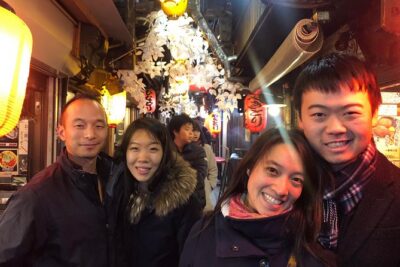 ★ 5.0Tokyo Bar Hopping Tour in Shinjuku (All-You-Can-Drink + Dinner)From $1063,587 reviews
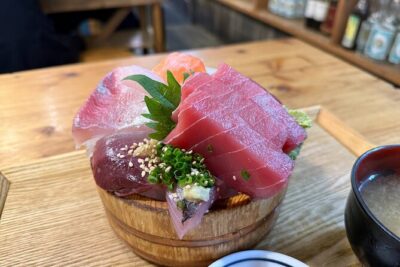 ★ 4.9Shinjuku Food Tour (15 Dishes and 4 Eateries)From $852,033 reviews
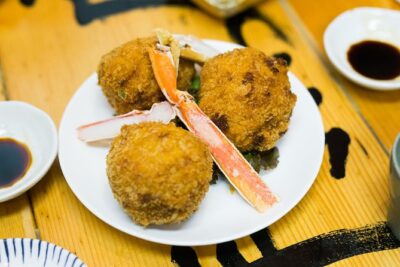 ★ 5.0Best of Shinjuku: Izakaya Food Tour (4 Stops, 14+ Tastings)From $921,863 reviews
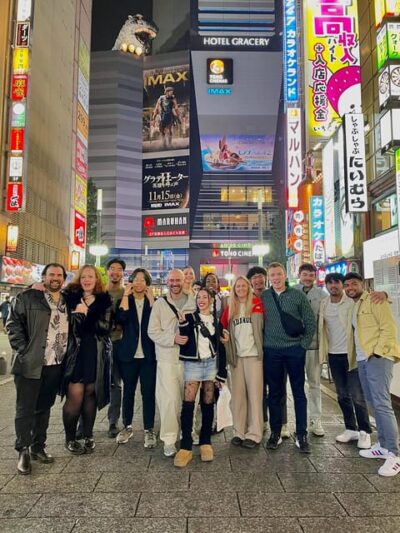 ★ 4.9Shinjuku Local Bar and Izakaya Guided Walking TourFrom $341,794 reviews
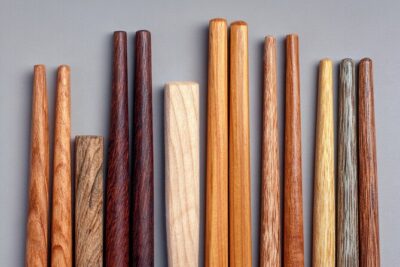 ★ 5.0Tokyo Shinjuku Chopsticks Making ClassFrom $201,763 reviews
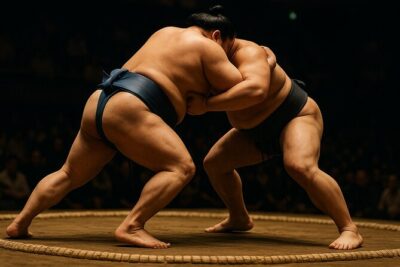 ★ 5.0Tokyo Shinjuku Sumo Show & Experience with PhotoFrom $791,750 reviews
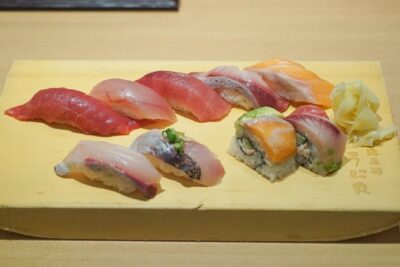 ★ 5.0Tokyo Night Foodie Tour in Shinjuku – Seasonal Sushi, Wagyu BeefFrom $1111,161 reviews
 ★ 4.8Sumo Show and Experience in ShinjukuFrom $691,001 reviews
This tour also belongs to