
Review · TOKYO CITY TOURS
Tokyo: teamLab Planets TOKYO Digital Art Museum Entry Ticket
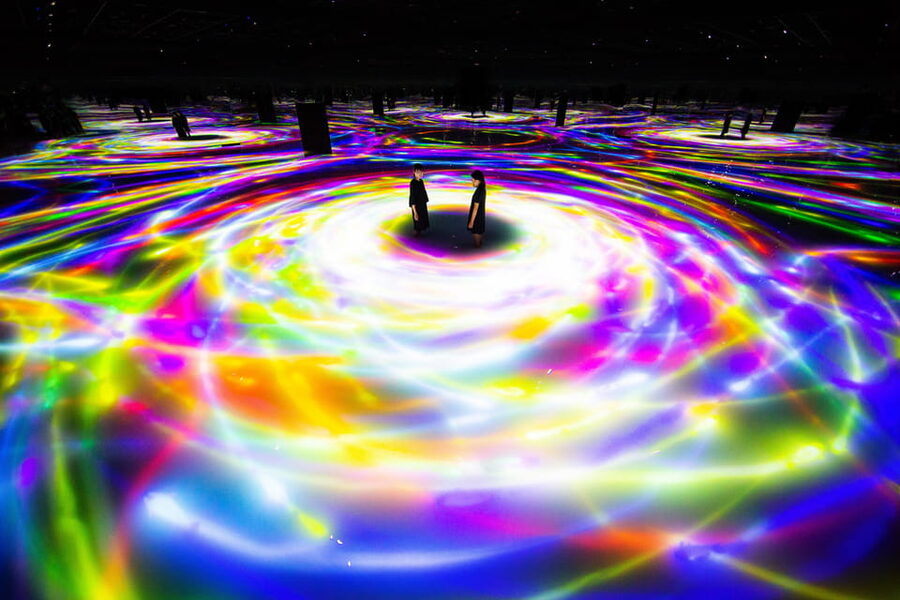
You walk in, and the art responds. I love the way your movement changes the visuals in real time, and I especially like the Water Gallery with its koi and rising water effects. The catch is barefoot entry, plus some rooms where the water can reach knee height, so what you wear matters.
This is a 1-day ticket for about a day’s worth of wonder across 10,000+ square meters of installations, with sound, light, and tactile effects aimed at all five senses. Staff keep the flow moving and the order is usually solid, but peak times can feel hectic, so you will enjoy it more if you pick a calmer entry slot.
Key things to know before you go
- Your presence affects the artwork: sensors track you, and the pieces react to your movement.
- Water rooms are a highlight: expect the Water Gallery, koi visuals, and water up to knee height.
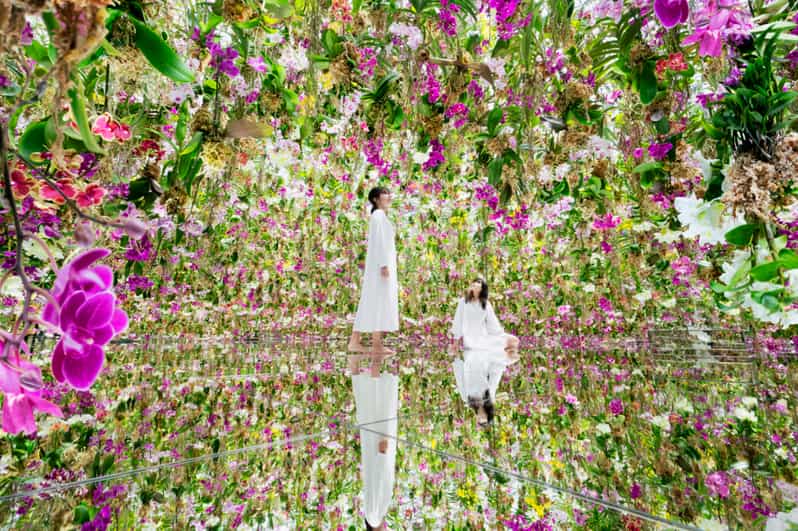
- Barefoot and reflective floors: you will walk in bare feet on mirroring surfaces in some areas.
- Timed entry is strict: you can enter only in the first 30 minutes after your chosen time.
- Semi-outdoor feel: parts of the experience can be cold, even in Tokyo.
- An app can help: using the teamLab app in advance can make the visit smoother.
What teamLab Planets TOKYO feels like, in plain terms
teamLab Planets TOKYO is not a sit-and-look museum. It is a “step inside the artwork” experience where digital scenes respond to your movement and presence. The idea is simple, and the result is unusual: you become part of the display instead of standing outside it.
What I like most is the way the exhibition uses more than visuals. You get light and sound, but also tactile elements through the water and the way you interact with the installations. It is designed for all five senses, so even if you are not a big art person, you still have something to do with your body and attention.
If you are sensitive to stimulation, plan carefully. This experience is not recommended for people with epilepsy, and it is also not recommended if you are very sensitive to light. It is also not a good fit for people with heart problems, given the physical and sensory nature of the rooms.
More Tokyo tours and experiences for the shortlist

Tickets, timing, and the 30-minute entry window
Your ticket is valid for 1 day, and you choose a starting time. That is important, because entry is only possible in the first 30 minutes after your selected entry time. If you show up late, you do not get a refund and you may miss entry altogether.
There is also a big heads-up: you cannot purchase tickets for admission on the same day. You need to sort your ticket ahead of time, and you will receive an official voucher by email. You use that voucher to enter the facility.
I also suggest you mentally budget for lines and waiting. Even with ticketed entry, there can be a staging period where staff manage access in an orderly way. The upside is that the indoor flow is usually controlled and not chaos for the whole visit, but you should still plan to arrive with calm patience, not last-minute stress.
One more practical note for Tokyo: there are multiple teamLab locations in the city. Make sure your booking is specifically for teamLab Planets TOKYO, not the other teamLab building that can be easy to mix up when you are booking in a hurry.
Barefoot rules, water up to the knees, and what to wear
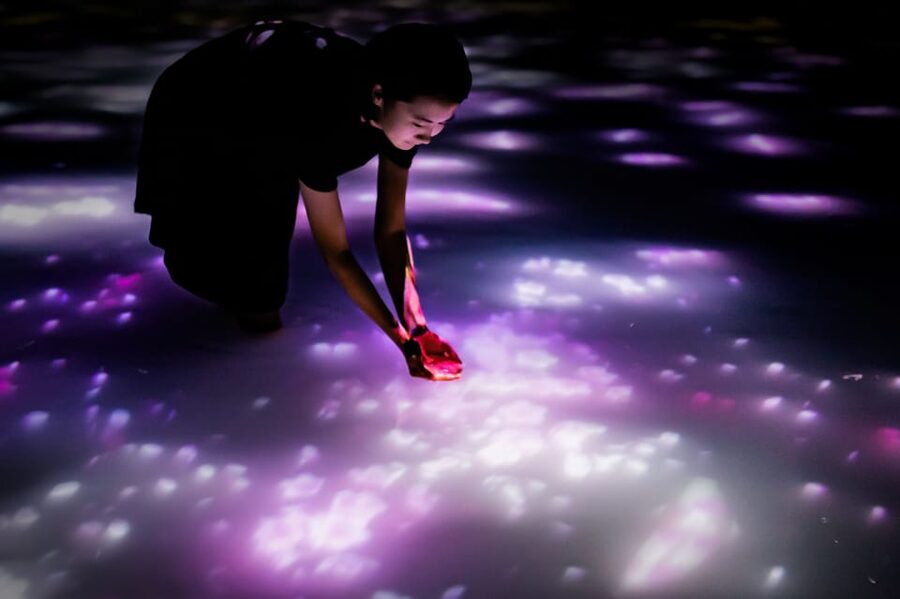
This is where many people either have a great time or feel annoying little friction. You have to enter barefoot. Some areas use mirroring materials on the floor, which can look like it continues forever. Walking carefully helps, especially if you tend to move fast.
Then come the water rooms. In parts of the exhibition, the water level can rise up to knee height. The museum recommends you wear trousers that can be rolled up. If you hate wet pants or cold surprises, plan your outfit with that in mind. Bring pants you do not mind getting damp.
You will also want to think about temperature. Some areas feel semi-outdoor, and it is wise to dress warm. I would rather be slightly overdressed than shiver through the best parts.
For your stuff, lockers are available for small items. You can store what you do not need while you are moving through the interactive areas, which helps you focus on the art instead of carrying bags around.
A guided walk through the installations, with the real wow moments
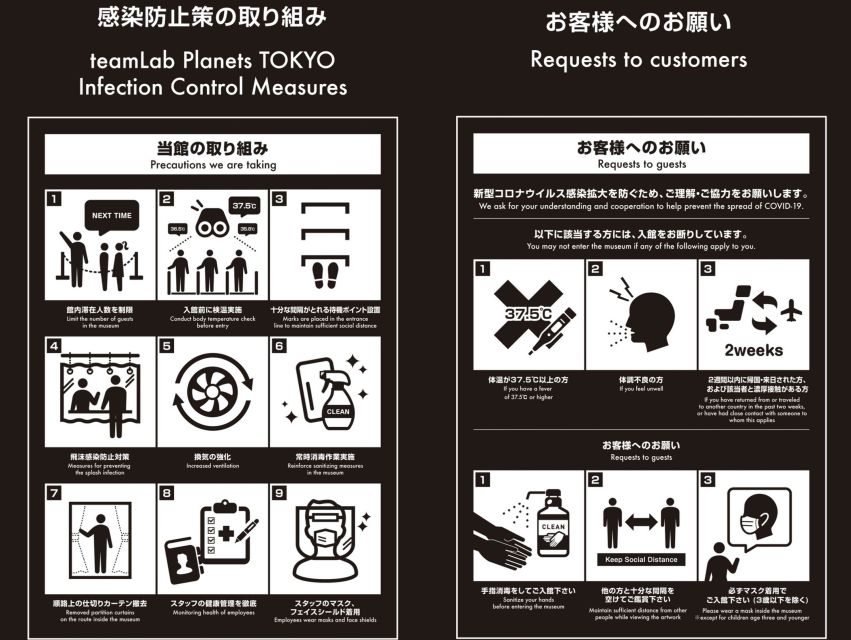
The exhibition covers multiple areas across more than 10,000 square meters, so the best strategy is to expect variety. You will not experience one single “room.” You will move through a sequence of different scenes, each with its own lighting, soundscape, and interaction style.
The Water Gallery and koi moments
If you only remember one thing, remember the Water Gallery. It comes up again and again as a standout. The visuals are striking, and the physical effect of being in the water adds a layer that you just do not get in standard digital art.
Expect the water to rise in some areas, and expect to stay alert with your footing on the way in and out. When it hits, it feels like you are inside a moving dream, not watching a screen.
You can also read our reviews of more museum experiences in Tokyo



Forest and flowers, including falling flower effects
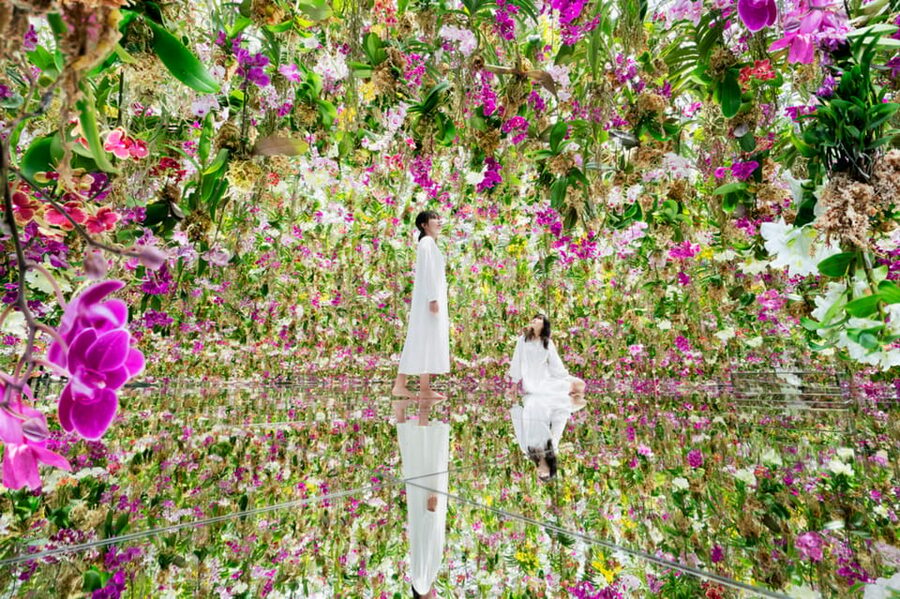
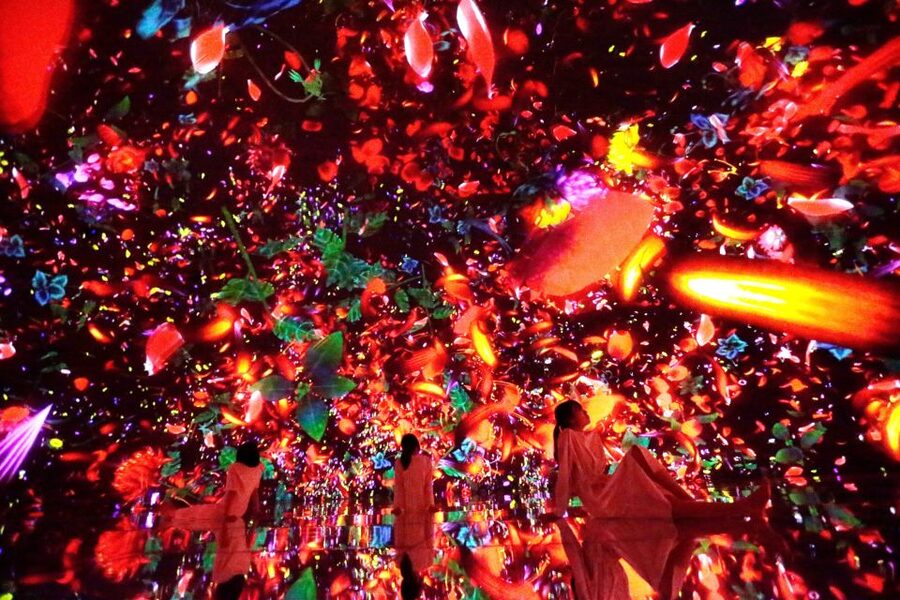
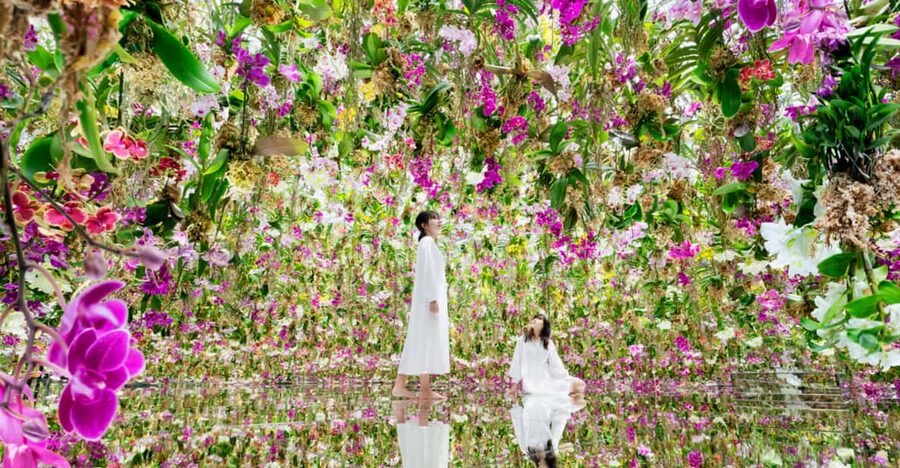
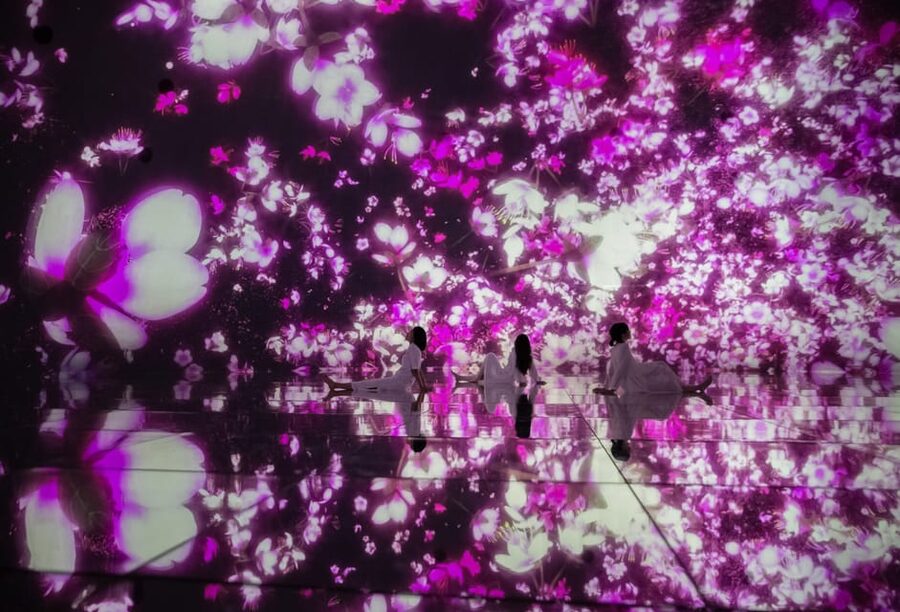
Another favorite cluster is the forest-and-flowers zones. People talk about flowers that fall, and flower walls where petals move and react. These are the moments that make the whole experience feel almost emotional, not just technical.
If you go solo, you might feel a little awkward at first. But once you accept that you are part of the scene, the awkwardness fades. In these rooms, standing still can be just as meaningful as moving, because the artwork responds to presence rather than just frantic motion.
Orchid highlights and the joy factor
Orchids get named as a highlight, and it makes sense. Orchid scenes tend to reward slow attention. You can stand, watch, and let the lighting and patterns settle into your senses.
This is also a great reminder to take your time. The best rooms reward patience. If you speed-run through, you will miss the feeling the installation is trying to give you.
Reflection-heavy and sensory-heavy zones
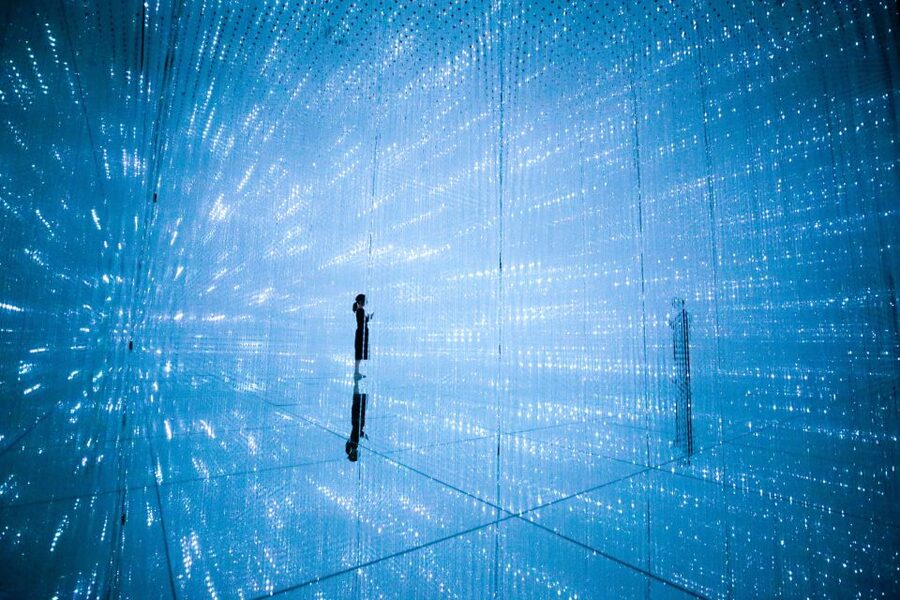
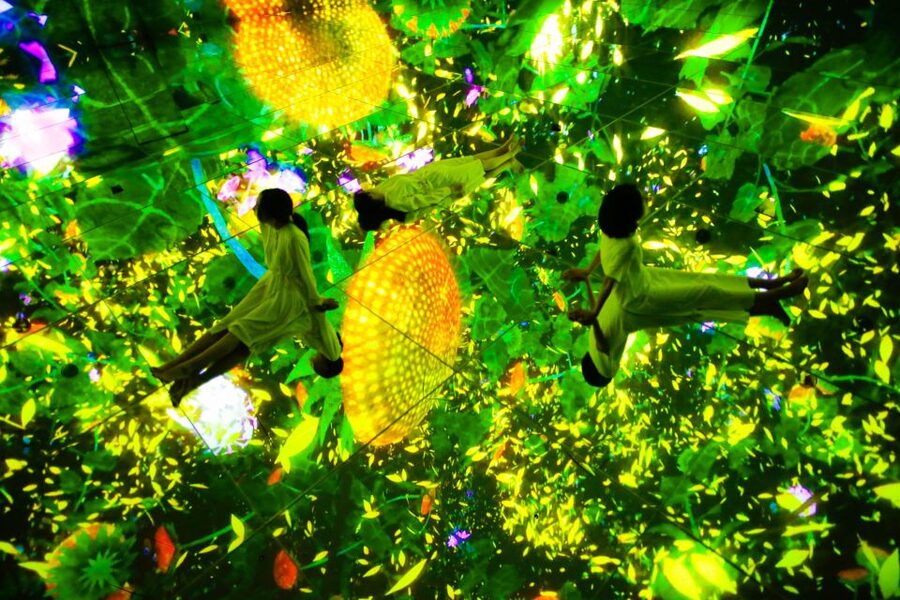
Because parts of the floor are mirroring material, you will see your own movement turned into part of the visual language. It is fun, but it can also be disorienting if you are not expecting it. Move steadily, and do not push yourself to the point where you feel clumsy.
Also, eating, drinking, and smoking inside the exhibition are prohibited. That matters for pacing. You might want to eat before you go, then focus fully on the artwork once you are inside.
How long to plan, and how to handle peak-time crowds
Even though your ticket is listed as a 1-day entry, you should plan time on site. Some people finish faster, but others recommend spending at least a couple hours if you want to see enough installations without feeling rushed.
Crowds can change the vibe. The experience uses bodies and space, so it can get busy at certain entry times. The good news is that staff manage the flow of people and keep things fairly orderly. Still, if you want a calmer experience, book a less busy time slot when you can.
There is also a smart way to think about your pacing. Do not try to do everything in one frantic loop. Pick a few “anchor” rooms you care about most, then enjoy the rest as they come. That way, if one area feels packed, you can move on without ruining your mood.
If you are the type who likes to get your bearings quickly, you might also find navigation easier if you use the teamLab app ahead of time. Some visitors find the directions confusing in a couple spots, so having a little extra guidance can save you time and wandering.
Who should go, and who should skip
teamLab Planets TOKYO works for a wide range of ages, including families. It is interactive enough that kids can find their way in quickly, and adults often end up staying longer than they expected.
That said, it is not for everyone.
Skip this if you have:
- heart problems
- epilepsy
- strong light sensitivity
Also, wheelchair users should think twice. Some areas are not accessible by wheelchair, and wheelchair access is not recommended based on how the routes and rooms work.
There are also rules that affect who should book:
- intoxication is not allowed
- unaccompanied minors are not allowed
- children younger than 13 must be accompanied by an adult
If you are going with friends, you can all enjoy it at your own pace, but you should still agree on basic timing so nobody gets left behind while you are in water or reflection-heavy rooms.
Price check: is $25 worth it?
At about $25 per person for entry, it is priced like a “main event” activity in Tokyo rather than a quick stop. I think it is a fair value because you are not paying just for visuals. You are paying for a large physical space where the artwork reacts to you, plus multiple installations that play with sound, light, and sensation.
Where the value gets even better is when you plan well:
- If you book an entry time that avoids the worst crowds, you will enjoy more rooms without rushing.
- If you dress correctly for barefoot and water, you stay comfortable and can focus on the experience.
- If you budget enough time, you stop treating it like a checklist.
If you only have one day that includes an interactive, sensory activity, this is the kind of thing that can become a memory you do not swap for anything else.
If you hate getting wet, hate barefoot walking, or you are easily overwhelmed by flashing light and intense stimulation, then the $25 is not the real cost. The real cost would be your comfort and enjoyment.
Quick tips I’d actually use on my own visit
- Pick the time slot that fits your energy: early or off-peak can make the whole experience feel smoother.
- Wear trousers you can roll up if you do not want to spend the visit thinking about your clothing.
- Bring your ID and keep it handy, since visitors may be asked to show ID for proof of age and/or school affiliation.
- Plan for warm layers if you get cold easily. Some areas feel semi-outdoor.
- Use the app if you like structure so you do not lose time wandering.
- Set expectations about food: eating and drinking are not allowed inside the exhibition, so handle snacks before entry.
Should you book this ticket?
Book teamLab Planets TOKYO if you want something hands-on and unusual, and you are excited to move through art instead of watching it from the edge. I would also book it if you travel with family or friends who do not agree on museums, because this experience gives everyone a role.
Do not book it if you cannot handle barefoot walking in mirroring floors, you need wheelchair-friendly routes, you have epilepsy, or you are very light sensitive. In those cases, the rules and sensory design will likely work against you.
If you are on the fence, the decision is usually simple. This is a $25 ticket that becomes a highlight when you plan your outfit, choose a smart entry time, and give yourself enough time to linger.
More Museum Experiences in Tokyo
More Tickets in Tokyo

More Tour Reviews in Tokyo






Not for you? Here's more nearby things to do in Tokyo we have reviewed












Tokyo City Tours, side by side.
 ★ 5.01-Day Tokyo Bus TourFrom $12914,250 reviews
 ★ 4.5TOKYO SKYTREE® Admission ticketFrom $1311,192 reviews
 ★ 4.0Mt Fuji & Hakone Cruise, Drum Show Bullet Train 1 Day from TokyoFrom $1497,413 reviews
 ★ 5.0Shinjuku Food Tour (13 Dishes at 4 Local Eateries)From $866,603 reviews
 ★ 4.4Tokyo Mt Fuji 5th St & Hakone Cruise Bus Tour w/Bullet TrainFrom $1545,024 reviews
 ★ 5.0Flagship 2-Hours Official Street Go-Kart Tour – Tokyo Bay ShopFrom $644,974 reviews
 ★ 4.5From Tokyo: Mount Fuji Full-Day Sightseeing TripFrom $684,970 reviews
 ★ 3.9Hop-On Hop-Off Sightseeing Bus TicketFrom $304,207 reviews
This tour also belongs to