
Review · MOUNT FUJI TOURS
Mount Fuji Trip with English speaking guide ( customizable)
A private Fuji day keeps the surprises small. This trip takes you from Tokyo into Fuji country with a flexible schedule and a private chartered car, so you can slow down for photos or speed up if the weather turns. You’ll hit the classic sights like Chureito Pagoda, Oshino Hakkai, and Lake Kawaguchiko, and you may add Hakone stops when conditions are right. The tradeoff to plan for: Fuji views depend on fog and weather, and traffic can stretch the day.
I like that the day is built around short, guided time blocks, then you get breathing room to explore at your pace. Guides such as Mirza, Malik, and Naeem have been praised for keeping things smooth and adding practical photo stops. Still, one caution worth taking seriously is that English quality can vary by guide, so if fluent history talk matters to you, I’d confirm expectations at the time of booking.
Key points worth your time
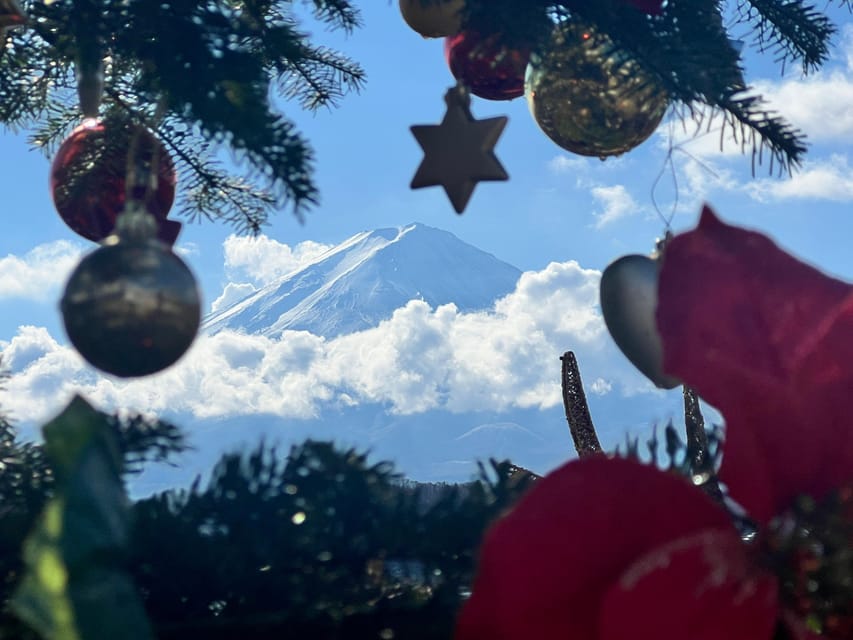
- Private, up to 6 people, with hotel pickup and drop off in Tokyo’s 23 wards
- Chureito Pagoda framing, one of Japan’s most photographed mountain views
- Oshino Hakkai ponds, fed by Fuji snowmelt and easy to enjoy even with limited time
- Fuji Five Lakes timing, especially Lake Kawaguchiko and Oishi Park for mirror-like views
- Hakone option for a full day, including Ropeway, Owakudani Valley, and Lake Ashi scenery
- Your guide can tailor, including extra photo time when you spot great seasonal color
Why a 12-hour private Mount Fuji day trip from Tokyo is actually useful
Mount Fuji looks great on posters. In real life, it’s all about timing, weather, and not rushing. This is a full-day route, but it is structured so you are not trapped in a rigid schedule. You get guided time at each stop, then you can choose how long to linger in the areas that matter most to you, especially around viewpoints.
Because you travel in a private vehicle (air-conditioned, with WiFi when needed), you avoid the stress of transfers and train schedules. That matters with Fuji and Hakone because weather can change quickly, and you often need flexibility to make the best of what’s available that day.
This also makes sense if you are traveling with mixed ages. Past groups were comfortable going at their own pace, rather than one fast walking speed for everyone. If you are older than 95 years, this is simply not suitable, and that’s worth respecting.
You can also read our reviews of more guided tours in Fujiyoshida
The Tokyo departure, and why morning timing can make or break Fuji
Your day starts with pickup from your hotel or address inside Tokyo’s 23 wards. The trip length is listed as about 12 hours, with roughly two hours of driving each way. What can move the needle is when you depart.
On weekends and during flower season, traffic can get ugly on the highway. The provider also notes that drivers could be late up to 30 minutes due to conditions. And you should expect the entire day to potentially run late, with return timing delayed by 2 to 3 hours if road conditions are heavy.
My practical take: if Fuji is a top priority for you, push for an early start. That gives you a better shot at clear visibility, and it also helps you avoid arriving at the most popular spots when crowds peak and views get hazy.
Oshino Hakkai: crystal ponds, short hikes, and that Fuji water story
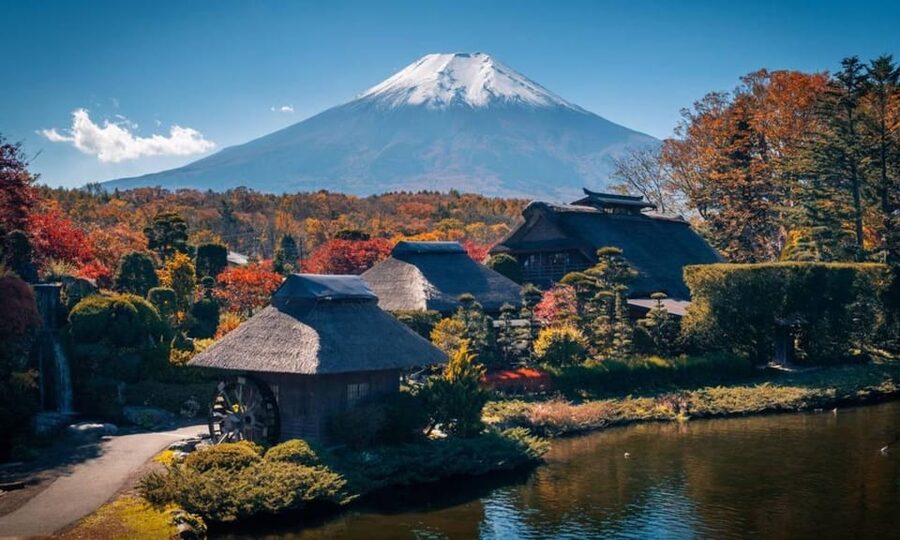
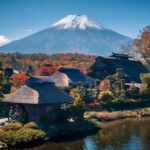
Oshino Hakkai is where you see Mount Fuji in everyday life. You stop for about 45 minutes, with time for photos and a guided visit. The big reason people love this place is simple: the ponds here are fed by snowmelt from Mount Fuji, so the water is clear and the reflections can feel almost unreal.
The village setting helps too. You’re walking around an area with traditional touches, and it’s the kind of stop where you can enjoy the atmosphere without needing to be super athletic. If you want a break from viewpoint crowds, this is often the calmest-feeling segment of the day.
Possible drawback: it is popular. Even if the stop is well-paced, you should still expect some waiting for the best angles. If your main goal is photos with clean reflections, keep your camera ready and be flexible with where you stand.
Kitaguchi Hongu Fuji Sengen Shrine: cedar trees, pilgrimage energy, and quiet moments
Next up is Kitaguchi Hongu Fuji Sengen Shrine, a sacred site tied to pilgrimage and the idea of ascending Mount Fuji. You get about 40 minutes, with time for a photo stop and guided sightseeing.
What makes this stop worthwhile is the atmosphere. The shrine area sits among towering cedar trees, and the whole place feels designed for slowing down. Even if you’re not the type who reads every sign, the setting does the work.
For you, the value here is balance. After the scenic, open-air look at Oshino Hakkai, this shrine gives you a different kind of Mount Fuji experience: spiritual, quiet, and more grounded in Japanese mountain culture. It also works well if you want a mental reset before you go upward toward the 5th station area.
Mt Fuji 5th Station: the altitude hit, and the big weather catch
The tour includes a stop at the Mt. Fuji 5th Station area, with about 45 minutes for photo stops, guided visit, and sightseeing. This is one of the most dramatic segments because it changes your perspective. You’re higher, closer to the mountain’s volcanic zone, and the sky can feel different.
But here’s the key consideration: visiting the 5th station depends on weather. The provider warns it might be closed in rain or bad conditions. The entry ticket for the 5th station is also not included, so you will want cash or a card ready for any on-site fees.
Practical tip: if you arrive and visibility is poor, don’t spend the whole time hoping it will instantly clear. Instead, use the guided time for context, enjoy what you can see, and then pivot to viewpoints where reflections are still possible.
Lake Kawaguchiko and Oishi Park: your best odds for a mirror Mount Fuji moment
From the shrine and altitude stop, you shift to the Fuji Five Lakes area. Lake Kawaguchiko is on the schedule with about an hour for break time, a photo stop, and lunch. Then Oishi Park gets around 40 minutes with photo time plus guided sightseeing.
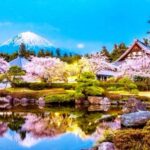
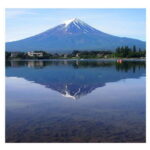
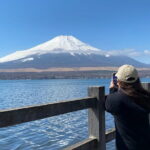
Why this area matters: Lake Kawaguchiko is famous because the mountain can reflect in the still water. When it’s clear, it looks like someone carefully placed Fuji into the lake. When it’s not clear, you still get a pleasant lakeside break, and you can enjoy the mood of Fuji country even without a perfect mirror.
Oishi Park is a smart addition because it gives you a different viewpoint angle than the lake itself. It’s also a place where you can take your time, try a few locations, and compare how the mountain looks as you move.
If you care about seasonality, keep your eyes open for changing color along the viewpoints. One of the best things about the guides in past tours was reacting to what looked good on the day, including extra photo time when seasonal color showed up.
Chureito Pagoda: the classic frame, and how to not waste your 45 minutes
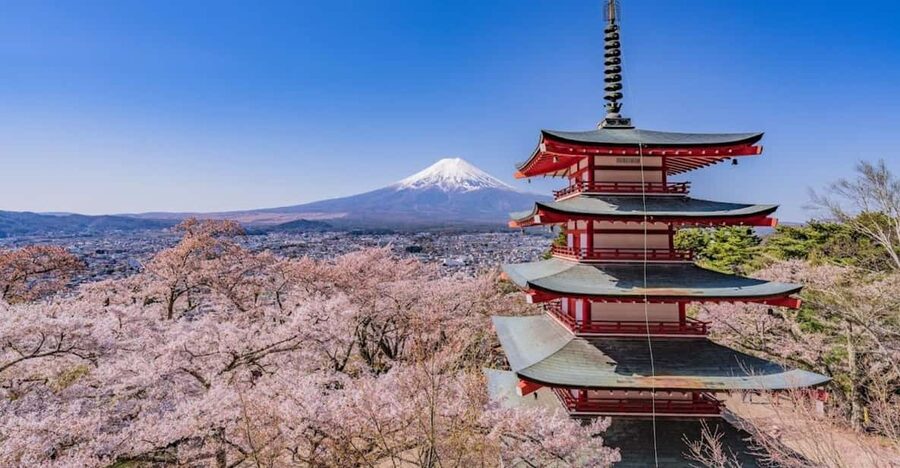
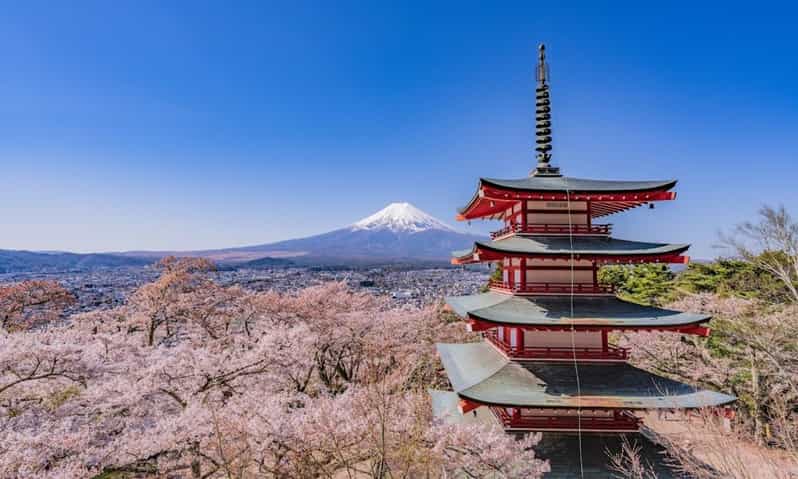
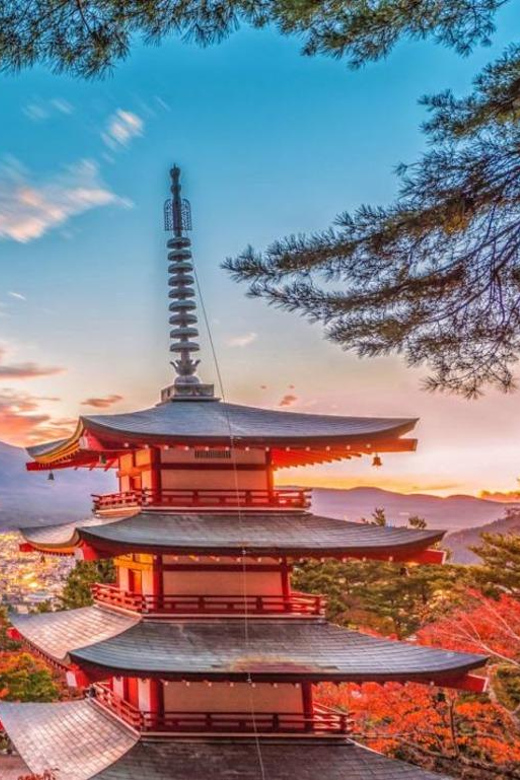
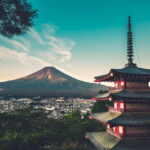
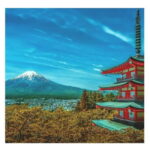
The Chureito Pagoda stop is about 45 minutes, including photos, a visit, and guided sightseeing. This is the one that turns your Fuji photos from nice to iconic.
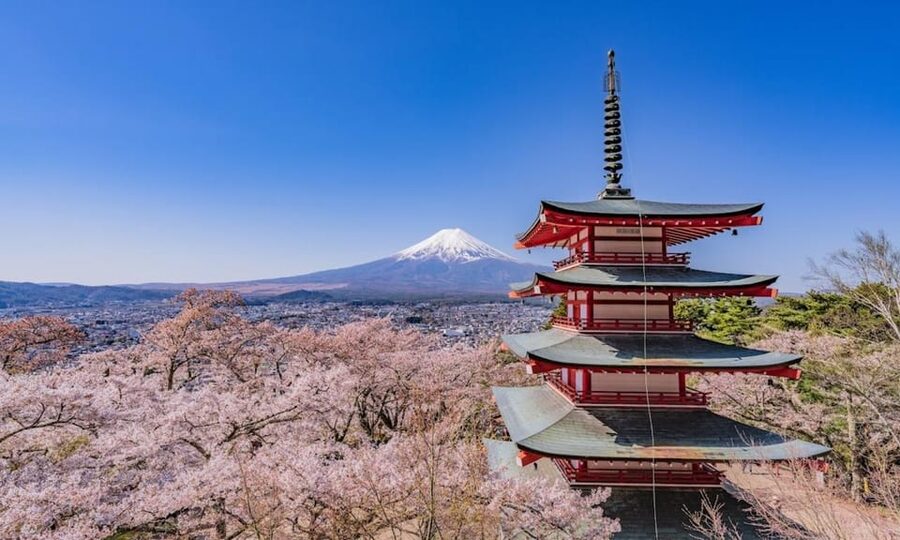
The pagoda’s power comes from its shape and placement. From the right spot, you get Mount Fuji rising in the background with the pagoda in front, giving you that postcard composition. Depending on the season, cherry blossoms or autumn leaves can add even more drama.
My advice here is to treat this stop like a photo appointment. Arrive ready, pick a baseline angle quickly, then only move if you see a clear improvement. If crowds are thick, don’t chase perfection at the cost of enjoyment. A good guide should help you find workable viewpoints quickly, and you can then enjoy the view at a comfortable pace.
Hakone add-ons: Ropeway, Owakudani Valley, and the volcanic view factor
The day can include Hakone, and this is where you get a different side of the region. You may be able to do the Hakone Ropeway, and you can also include a Lake Ashi experience on a clear day.
With the Ropeway, you get a cable-car ride over volcanic landscapes and panoramic views. The focus here is the Owakudani Valley area, known for steaming sulfur vents. It’s a strange, powerful sight that feels worlds away from the calm lake reflections you saw earlier.
Tickets matter: ropeway tickets and motorboat or similar cruise tickets are not included. Your guide should point you toward ticket counters or where you need to buy what’s extra, which saves real time when you’re managing a group.
Possible drawback: the Hakone portion is more weather-sensitive in a practical way. If visibility is low, panoramic value can drop. That doesn’t make it useless, but it does mean your best photo results may come from the lake and shrine areas instead.
Lake Ashi cruise and walk: when Fuji meets water, again
Lake Ashi is on the route with time for photos, guided visit, sightseeing, and a walk. This stop is often where the day clicks into place visually, because you’re back on water.
The lake’s appeal is that Mount Fuji, when visible, can reflect on the surface, just like in the Fuji Five Lakes area. Past guides also helped groups find good photo points and kept the timing smooth so people did not feel rushed.
If you’re the type who likes to stretch your legs, the included walk time helps. If you’re more into photos than strolling, use the walk as a chance to test angles around where the boat stops or shoreline paths are available.
Owakudani Valley shopping and Hakone Shrine: texture, culture, and a breather
Owakudani Valley shows up again with time for photos, guided sightseeing, shopping, and sunrise timing. Even if you are not a sunrise chaser, the schedule hint matters. It suggests the stop is meant for morning light and cooler temps, which can help comfort and visibility.
Then you go to Hakone Shrine for a break, photos, and guided visit. Shrines in this area add a different tone than the earlier Fuji Sengen Shrine. They feel more tied to the Hakone hot spring culture and regional worship.
Hakone Shrine and Owakudani together are a good pairing because they offer contrast. You get volcanic spectacle plus a moment of quiet before you move toward the museum portion.
Hakone Open-Air Museum: your planned free time break
The Hakone Open-Air Museum is included with time for a break, photo stops, and guided visit, plus free time and shopping. This is a useful addition because it breaks up the day between outdoor views and driving.
Since the schedule includes both guided time and free time, you can decide how deep you want to go. If you like sculpture and outdoor museum settings, you’ll probably enjoy it. If you’d rather focus on views, use the guided portion to get oriented, then spend your free time where your interests pull you.
Either way, it gives the day variety, which helps when you’ve been staring at Fuji angles for hours.
Price and value: how $407 per group up to 6 can pencil out
The price is $407 per group up to 6, for a total day around 12 hours. That’s a private day trip, including hotel pickup and drop off, an English-speaking guide and driver, and an air-conditioned vehicle with WiFi when needed, plus water bottles.
Here’s the value math: if you fill the group fully, it works out to roughly $68 per person. For a private charter with a guide and driver, that’s the kind of pricing where it can beat splitting taxis or building your own route while also paying for guided direction.
You also get timing help. This day can be long and traffic-prone, so not having to manage navigation, ticket counters, and route decisions is part of what you are paying for.
Costs not included can add up depending on what you choose, especially Mt. Fuji 5th station entry, ropeway tickets, and any Lake Ashi cruise fees. If you want maximum Hakone, plan for those extras.
What I would watch out for before you book
A few issues are worth taking seriously, because they affect satisfaction more than people expect.
1) Weather visibility is not guaranteed
Fuji views depend on conditions, and the provider is clear that panoramic views cannot be promised. Plan a backup mindset. You can still enjoy the shrines, lakes, and Hakone scenery even when Fuji is hazy.
2) The day can run long on heavy traffic days
Golden Week and flower season are notorious for delays. The drive to the first destination can stretch, and arrival back in Tokyo can slide. If you have a strict dinner reservation, don’t set it too close to pickup return time.
3) Hakone parts may depend on the day’s flow
Some experiences can shift based on timing. If Hakone Ropeway or Lake Ashi cruise is your must-do, make sure you and your guide align early so you don’t lose it to schedule compression.
4) English quality can vary by guide
Most guides have been praised for clear communication. Still, one past experience reported weaker English fluency and limited historical context. If your travel style depends on detailed explanation, consider messaging in advance and making sure you get a confident English-speaking guide.
Should you book Travel on smile’s Mount Fuji and Hakone day trip?
If you want the highlights of Mount Fuji without doing logistics, this is a strong choice. It’s especially good for small groups who want comfort, photo timing help, and a private driver so you can set your own pace at each stop.
Book it if:
- Fuji is your priority, and you want multiple viewpoints across Fuji Five Lakes and Chureito Pagoda
- You want optional Hakone add-ons like Ropeway and Lake Ashi when the day is clear
- You prefer a guide who can tailor time, like adding extra photo stops when seasonal color hits
Skip it or adjust your expectations if:
- You are traveling on a day with strict timing windows in Tokyo, because traffic can run late
- You rely on flawless English history explanations, since guide language skills can vary
- You need the 5th station at all costs, because weather can close it
If you go in with flexibility, comfortable shoes, and a plan to accept whatever weather gives you, this kind of private day trip is one of the easiest ways to turn a Tokyo stay into a true Fuji memory.
FAQ
Where does pickup happen for this Mount Fuji trip?
Pickup is possible from your hotel in Tokyo, or anywhere inside Tokyo’s 23 wards. Pickup is not available from airports, ports, and stations, so you should confirm your location first if you are not staying in a normal Tokyo hotel area.
How long is the trip?
The duration is listed as 12 hours. Driving time is about 2 hours to reach the area, and about 2 hours back to Tokyo, but the exact timing can shift due to road conditions.
Is Mount Fuji 5th Station included?
The tour includes a stop at Mt. Fuji 5th Station, but the 5th station entry ticket is not included, so you may need to pay on the spot. Access can also depend on weather.
Are tickets included for the Ropeway or Lake Ashi cruise?
No. Ropeway tickets and Lake Ashi motorboat or cruise tickets are not included. Your guide can help you with where to purchase what you need.
What language options are available?
The live tour guide is available in English, Arabic, and Hindi.
What should I bring for the day?
Bring comfortable shoes and clothes, a camera, drinks, and a charged smartphone. You should also be ready with what you need for extra tickets since some entrances are not included.
More Guided Tours in Fujiyoshida
More Tour Reviews in Fujiyoshida
Not for you? Here's more nearby things to do in Fujiyoshida we have reviewed

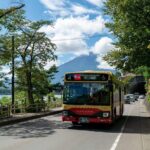
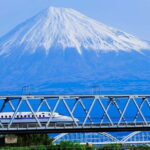
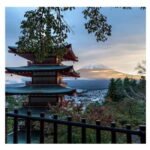
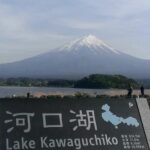
Mount Fuji Tours, side by side.
 ★ 5.0Mt Fuji and Hakone 1-Day Bus Tour Return by Bullet TrainFrom $16326,383 reviews
 ★ 4.0Mt Fuji & Hakone Cruise, Drum Show Bullet Train 1 Day from TokyoFrom $1497,413 reviews
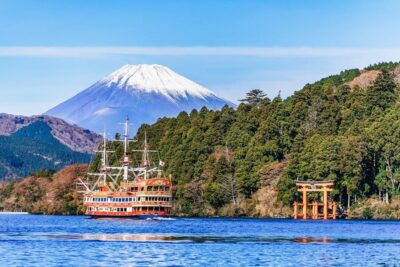 ★ 4.4Tokyo Mt Fuji 5th St & Hakone Cruise Bus Tour w/Bullet TrainFrom $1545,024 reviews
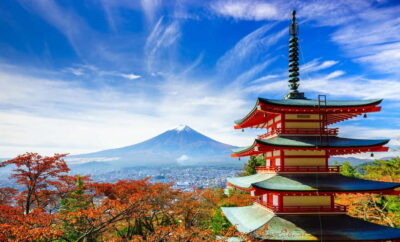 ★ 4.5From Tokyo: Mount Fuji Full-Day Sightseeing TripFrom $684,970 reviews
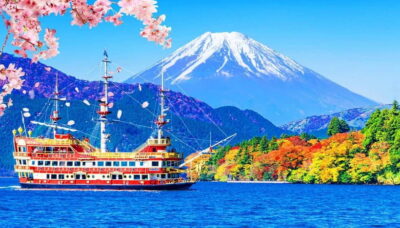 ★ 4.7Mt. Fuji Tour, Hakone Ropeway, Owakudani, Lake AshiFrom $544,002 reviews
 ★ 4.2Mt. Fuji 5th Station & Hakone Cruise 1-Day Bus TourFrom $1292,381 reviews
 ★ 4.7Mt Fuji Top 5 Spots Day Tour: Arakurayama Park,Oshino HakkaiFrom $532,066 reviews
 ★ 5.0Private Tour to Mt. Fuji and Hakone (Fully Licenced Operator)From $4971,910 reviews