
Review · MOUNT FUJI TOURS
From Tokyo: Mount Fuji Full-Day Sightseeing Trip
Fuji views start before you even reach Fuji. This tour strings together Kawaguchiko Lake for classic photos, then follows with Oshino Hakkai where you can see the famous spring-fed ponds and even taste the water. I like how the schedule keeps giving you new angles instead of dumping everything into one spot. One thing to factor in is that you are buying timing and weather luck, not a guaranteed summit view.
The bus ride is set up to feel safe and comfortable, and the guiding style can be a big part of the day. Guides like Sophie, Evita, Annie, and Itsuki have been praised for clear instructions and keeping the group moving at the right moments when visibility improves. The main downside is that you will spend a lot of time on your feet, and the stops are popular, so expect crowds and tight logistics at peak times.
Key highlights you will care about
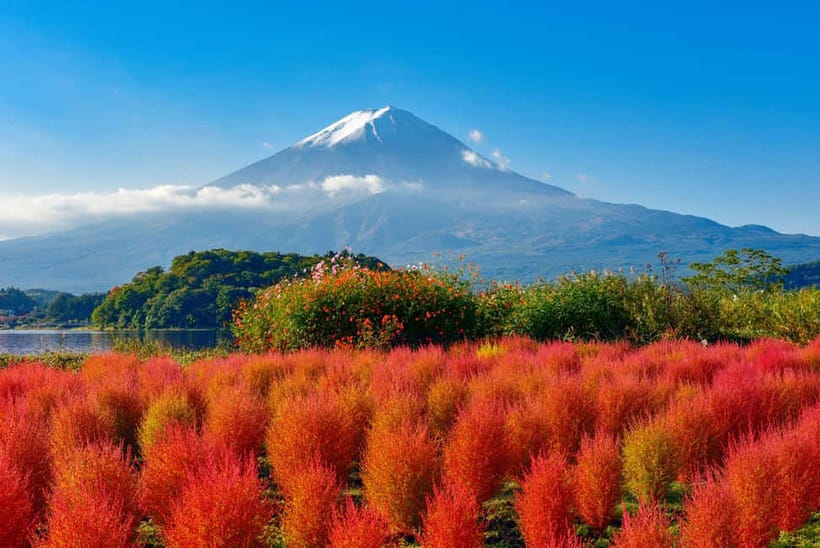
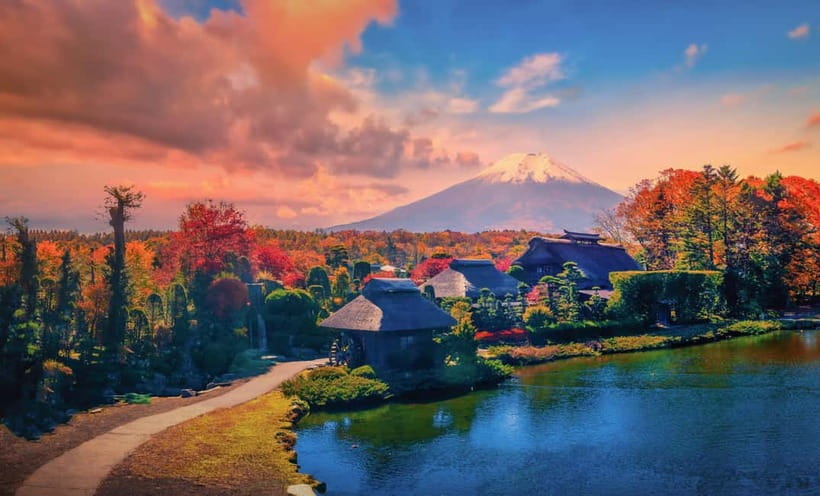
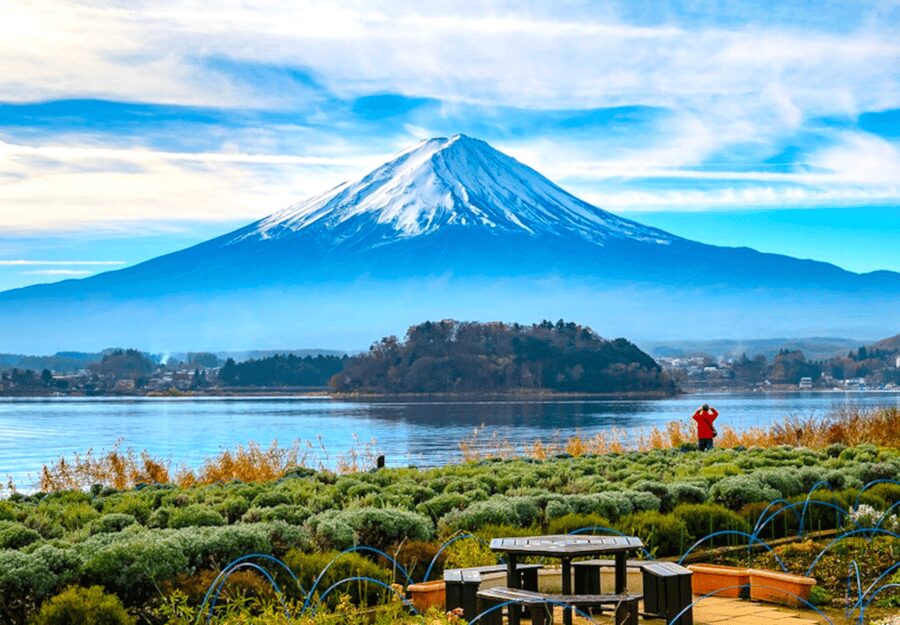
- Kawaguchiko Lake photo stop that sets the tone with Mount Fuji reflected across the water
- Oshino Hakkai spring ponds and tasting for a hands-on connection to Fuji’s water story
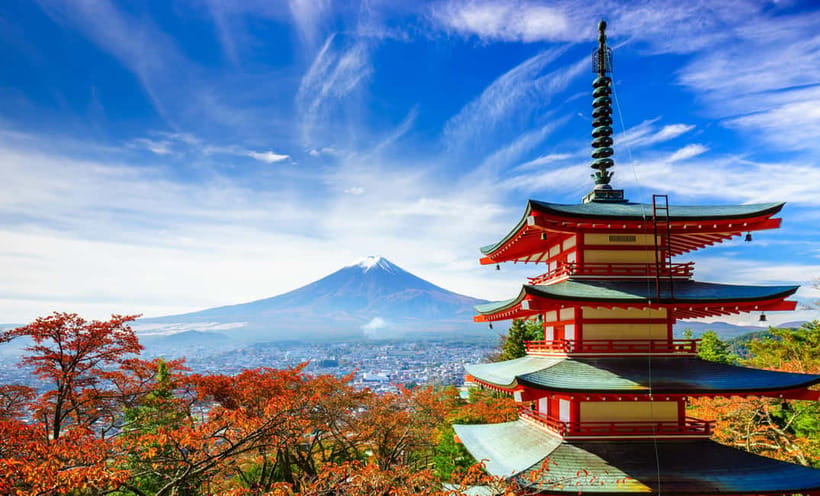
- Arakurayama Sengen Park and Chureito Pagoda with big-city-and-mountain views from a high viewpoint
- Mt. Fuji 5th Station altitude experience at around 2,300 meters, plus cold, thin-air reality
- Weather-based itinerary swaps if the 5th Station road is closed, with a winter option for diamond Fuji viewing
Why This Mount Fuji Day Trip From Tokyo Feels Worth It
A Mount Fuji day trip can be either a smooth sampler or a rushed sticker-bundle. This one leans toward the sampler side, because it hits four high-impact areas with different moods and different proof that Fuji is not just one view. You get lake scenery, shrine-and-pagoda drama, spring-water culture, and finally the high-altitude “you are really here” feeling at the 5th Station.
The price, $68 per person for about 10 hours, makes sense only if you compare it to doing this on your own with multiple admissions and long bus planning. Here, you get the entry fees included for the stops on the route, plus a 3-star safety air-conditioned coach and an English support guide (also Mandarin and Cantonese). What you do not get is food and drinks, so you will need a bit of cash or card for lunch and snacks.
Your biggest variable is also the most important: visibility. Even on a clear season day, clouds and haze can slide in fast. If Fuji disappears, the day is still enjoyable, but your photos will be fewer. That uncertainty is part of the deal on any Mount Fuji itinerary.
More Tokyo tours and experiences for the shortlist
Pickup Points and Bus Comfort, The Part You Feel All Day
You start with two pickup options: Shinjuku Nishiguchi (Yaesu area at the Sumitomo Mitsui Bank branch) and a Tokyo Station Yaesu meeting spot. The meeting point can vary by booking, and finding it quickly matters because the schedule is built on not wasting time. One caution that pops up is that the pickup area can be a little tricky if you come out on the wrong side of a station exit. If you are arriving early, give yourself buffer time so you can locate your exact spot calmly.
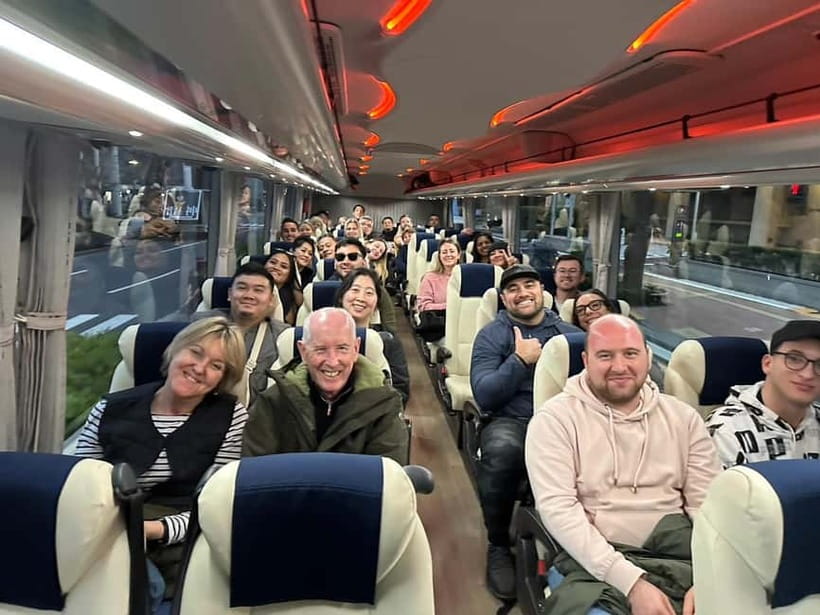
Once you are onboard, the bus is described as clean and comfortable, with air-conditioning. In winter, warmth on the coach is a real plus, because the mountain areas can feel brutal even when the sun is out. Group tours can sometimes feel hectic, but many guides keep things organized with clear meeting instructions and repeated reminders.
Oishi Park by Kawaguchiko Lake, Your Best First Fuji Bet
Oishi Park is where you start stacking your odds. You arrive at Kawaguchiko Oishi Park and get a photo stop and time to walk around, usually about 30 minutes. This is the classic Fuji-lake setup: Mount Fuji in the background, with the lake giving you water reflections when the sky cooperates.
This stop is valuable for two reasons. First, it helps you calibrate. After you see Fuji from the lake side, you understand what kind of visibility you are working with for the rest of the day. Second, it is an easier entry into the region than hiking up immediately, so you are not already tired when the schedule gets more active later.
Practical note: 30 minutes is enough to take photos and stroll, but not enough to treat it like a long picnic break. If you want maximum pictures, position yourself early near the best viewpoints and save shopping for later stops.
Arakurayama Sengen Park and the Chureito Pagoda View

Next comes Arakurayama Sengen Park in Fujiyoshida, halfway up Mount Arakura, usually with about 75 minutes for the area plus walking around. This is where the tour earns its “wow” factor. The scenery opens up and the view frames both the five-storied pagoda area (often linked with the Chureito Pagoda photo) and Mount Fuji in the same visual scene.
The park experience is more than a single photo. You get time for viewpoints, shrine walks, and city-and-mountain framing that feels different from Kawaguchiko. In spring, you can also admire cherry blossoms in the Arakura Sengen Park area, though you should expect heavier crowds if you visit during peak blossom weeks or on weekends.
Plan for stairs and movement. The area can mean steps and a bit of climbing, and one of the best practical tips is simple: decide early what matters to you. If you want the view from higher up, give yourself time to climb, but if you are managing energy, stick to the most accessible overlooks. Either way, this stop is a highlight because the perspective makes Fuji look taller and closer than it does from the lake.
Hikawa Clock Shop, A Time Buffer for Snacks and Souvenils
Between major scenery stops, the tour includes a visit to Hikawa Clock Shop, with some free time. This is one of those practical pauses that helps a group tour stay enjoyable. You can browse, use it as a mini break, and handle small needs like buying a snack or a quick drink, especially since food is not included in the tour price.
The downside is that it is a shop stop, not a nature stop, so if you are trying to minimize retail time, you may want to keep your expectations realistic. Use the time for what it is good for: stretching your legs, grabbing something to eat, and stocking up for the later colder high-altitude portion.






Oshino Hakkai, Spring Ponds and Fuji Water You Can Taste
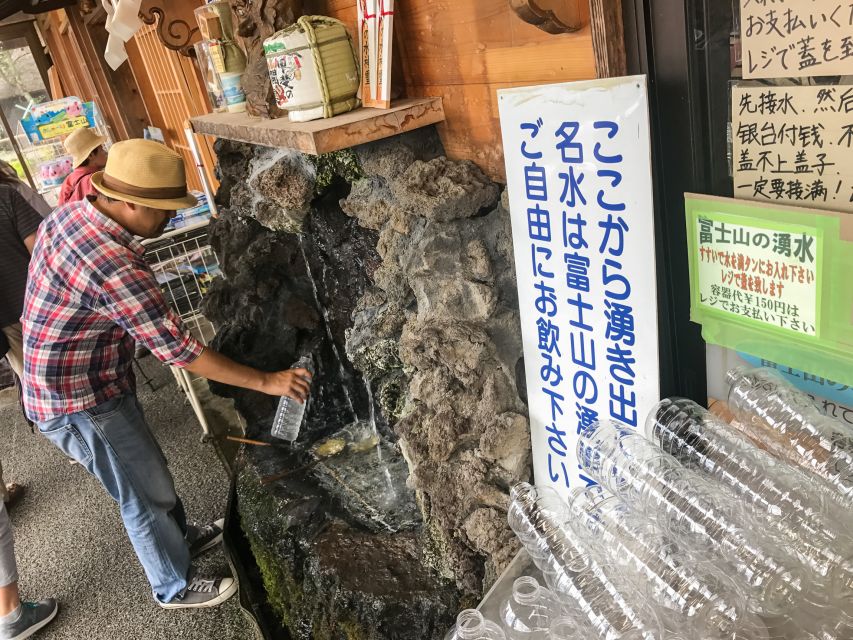
Oshino Hakkai is one of the most famous places in the Fuji area, and it earns that reputation. You get a longer visit, about 80 minutes, typically including lunch time. The key attraction is the set of eight spring-fed ponds and the walking paths around them.
This stop connects you to Fuji in a more cultural and physical way than the viewpoints do. The ponds show how water collects and flows in the region, and tasting the water is part of the attraction here. I like Oshino Hakkai because it gives the day a sense of place, not just a series of photos.
Crowds can be intense, so move with purpose. Use the time to:
- find a couple of ponds that match your photo style
- keep an eye on where food or queues are forming if you plan to eat here
- bring cash if you want to buy small souvenirs, since queues can slow down browsing
This is also where you can reset your energy before the final push to the mountain station.
Mt. Fuji 5th Station, The Cold-Air Reality Check
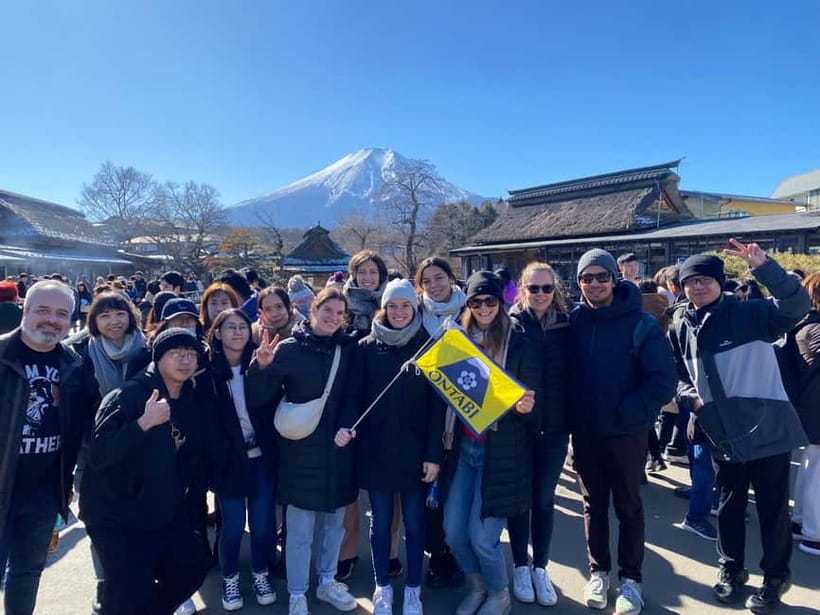
The final scenery stop is Mount Fuji 5th Station, around 2,300 meters high, with about 40 minutes on-site. If the weather is decent, this is your closest, most dramatic “I am standing at Fuji” moment of the day. You can get a very close view of the top in clear conditions, buy small souvenirs, and eat something warm if vendors are active.
Even when visibility is good, expect cold. People often focus on pictures, but what you will actually feel most is the thin-air chill. You also have less time than you might want, so treat this stop like a photo sprint plus a short wander, not a long exploration.
There is also a built-in contingency. If the road to the 5th Station is closed due to weather or traffic, the itinerary can be changed to Mt. Fuji 4th Station, Mt. Fuji 1st Station, or Lake Yamanakako Hana no Miyako Park. In winter, there is a special twist where the tour may shift toward diamond Fuji sunset viewing from the alternatives rather than pushing to 5th Station.
So, if your personal goal is the highest possible station, it helps to mentally accept that winter and poor weather can change the plan.
Winter Upgrade: Diamond Fuji Viewing Plans
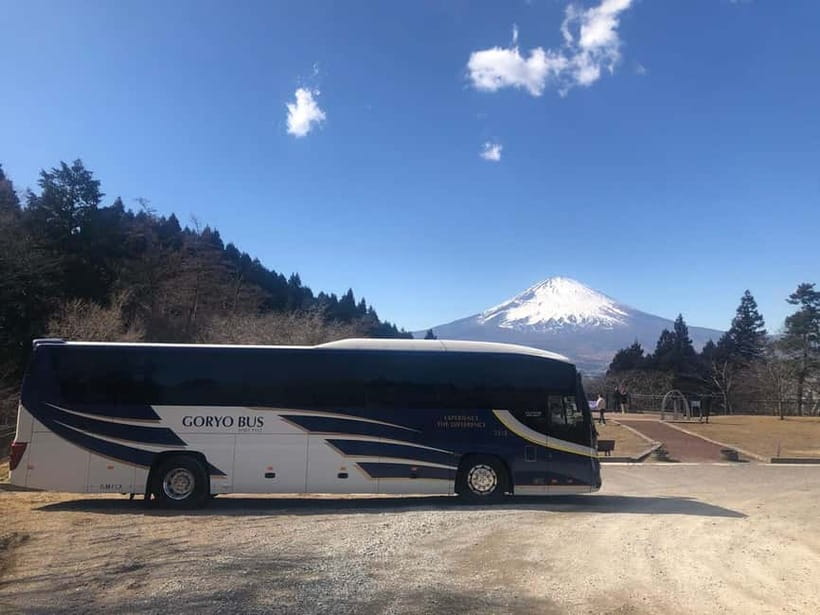
If you are visiting in winter, pay attention to the seasonal note. When conditions allow, the tour may go to a different viewing location such as Lake Yamanakako Hana no Miyako Park to chase the diamond Fuji effect. This is a different kind of Mount Fuji experience, more sunrise-and-sky focused than summit-and-platform.
The tradeoff is time and logistics. Diamond Fuji viewing depends heavily on both timing and cloud cover. If you are the type who wants one “must try” seasonal experience, the winter option is a compelling reason to book. If your only goal is “stand on the mountain,” then you should be ready for the standard station alternatives if conditions change.
Price and Value: What $68 Buys You (and What It Does Not)
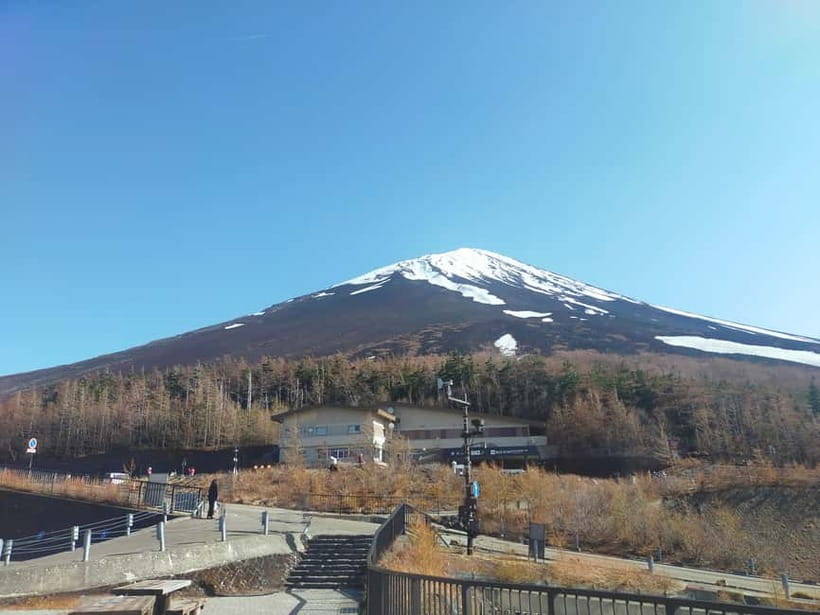
At $68 for a full-day trip, the best value is in what is included:
- pickup and drop-off from two convenient Tokyo-area areas
- entry fees for the sightseeing stops
- a 3-star safety air-conditioned bus
- a professional guide in English, plus Mandarin or Cantonese options depending on your group
What is not included is food and drinks, and that matters on a day this long. In practice, you will probably eat lunch during the Oshino Hakkai portion, but you still need snacks for energy, especially if you walk a lot at Arakura and Oshino.
Also, remember what you are paying for: time efficiency. Mount Fuji from Tokyo is not a simple DIY hop. This tour bundles transportation and admissions into a single day with a guide to keep you moving and informed, which is where a lot of the value sits.
Getting the Most From the Day: Timing, Weather, and Photo Habits
Visibility is the main game, so treat the schedule like a living weather plan. Guides are praised for adjusting stop timing when Fuji appears between clouds, which is smart in this region where the sky can change quickly. You should too. If Fuji shows for a few minutes, do not wait for the perfect outfit shot. Get the photo first, then relax.
A few practical habits that help:
- Wear layers for the mountain station portion, since temperatures can swing fast.
- Keep your camera strap and phone accessible, because delays to gather gear waste precious visibility moments.
- Decide in advance which stop is your priority for climbing, either Arakura or just the accessible viewpoints.
- Use your shop stop strategically. Get quick snacks and water there so you are not scrambling later.
One more thing. Some people mention the meeting point can be hard to spot, and one or two wished the guide had less talking at times. If you prefer a quieter day, plan to tune out during transfers and focus on the photo windows and the on-site explanations.
Who Should Book This Tour?
This Mount Fuji day trip is best for you if:
- you want an efficient one-day introduction to the Fuji area
- you like structured stops with guides giving context and photo timing
- you are okay with a lot of walking and standing
- you want to reduce the stress of public transit planning and admissions
It may be less ideal if:
- you want a fully flexible, slow itinerary with long free time
- you strongly dislike crowds at popular viewpoints
- you expect guaranteed clear views of Fuji every minute, because weather decides that
For families, this tour has a rule that unaccompanied minors are not allowed, and children must be accompanied by an adult. If you travel with older guests, the walking volume is still real, so bring comfort shoes and plan restroom breaks early when you can.
Should You Book It? My Straight Answer
Book this tour if your priority is seeing Mount Fuji from multiple iconic angles in one day, without building a complex logistics plan. The combination of Kawaguchiko Lake, Arakura’s pagoda viewpoints, Oshino Hakkai’s water ponds, and the 5th Station altitude experience is a strong “greatest hits” route.
Skip it or choose another option if you need guaranteed summit views, hate crowds, or want lots of downtime. This is a full day. It moves. It walks. But when the sky clears, the payoff feels like you got much more than a single photo moment.
If you do book, your best strategy is simple: dress for cold, keep moving during the best visibility windows, and treat the day as Fuji weather roulette with a very well chosen set of stops.
FAQ
How long is the Mount Fuji day trip from Tokyo?
The tour duration is about 10 hours, depending on the starting time and conditions on the road.
Where do I get picked up and dropped off?
You have two pickup and drop-off location options around Shinjuku and Tokyo Station, including a Shinjuku Nishiguchi option and a Tokyo Station Yaesu-area option. The exact meeting point may vary based on what you booked.
What sightseeing spots are included in the route?
The trip includes Oishi Park by Kawaguchiko Lake, Arakurayama Sengen Park with the pagoda area, Oshino Hakkai, and Mt. Fuji 5th Station. If the 5th Station road is closed, the itinerary may change to Mt. Fuji 4th Station, Mt. Fuji 1st Station, or Lake Yamanakako Hana no Miyako Park.
Is the cost $68 per person enough for food, or do I need extra money?
Food and drinks are not included. You will want to budget for lunch and snacks during the day.
What is included in the tour price?
Included are pick up and drop off, entry fees for the sightseeing spots, a 3-star safety air-conditioned bus, and a professional live guide (English, and also Mandarin or Cantonese options).
What if I want to go in winter to see diamond Fuji?
In winter, the tour may go to Mt. Fuji 4th Station or Mt. Fuji 1st Station, or to Lake Yamanakako Hana no Miyako Park to see the diamond Fuji sunset view.
Are there any baggage or age restrictions?
Large bags or luggage are not allowed. Unaccompanied minors are not allowed, and children must be accompanied by an adult.
More Full-Day in Tokyo
More Tour Reviews in Tokyo
Not for you? Here's more nearby things to do in Tokyo we have reviewed












Mount Fuji Tours, side by side.
 ★ 5.0Mt Fuji and Hakone 1-Day Bus Tour Return by Bullet TrainFrom $16326,383 reviews
 ★ 4.0Mt Fuji & Hakone Cruise, Drum Show Bullet Train 1 Day from TokyoFrom $1497,413 reviews
 ★ 4.4Tokyo Mt Fuji 5th St & Hakone Cruise Bus Tour w/Bullet TrainFrom $1545,024 reviews
 ★ 4.7Mt. Fuji Tour, Hakone Ropeway, Owakudani, Lake AshiFrom $544,002 reviews
 ★ 4.2Mt. Fuji 5th Station & Hakone Cruise 1-Day Bus TourFrom $1292,381 reviews
 ★ 4.7Mt Fuji Top 5 Spots Day Tour: Arakurayama Park,Oshino HakkaiFrom $532,066 reviews
 ★ 5.0Private Tour to Mt. Fuji and Hakone (Fully Licenced Operator)From $4971,910 reviews
 ★ 4.9Mount Fuji Full-Day Private Tour from Tokyo (Customizable)From $3931,470 reviews