
Review · MOUNT FUJI TOURS
Mount Fuji & Hakone Private Tour with Bullet Train Return
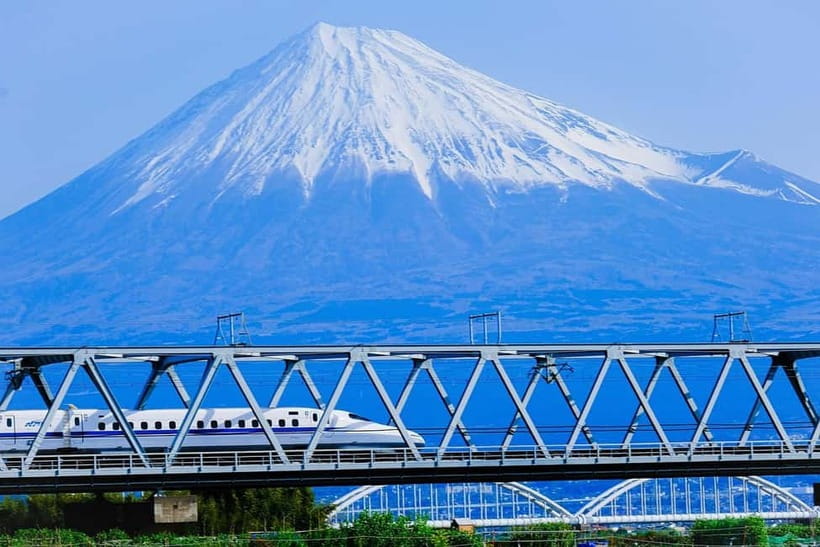
Fuji and steam, wrapped into one day trip. This private tour strings together iconic viewpoints with hotel pickup and an included bullet train return, so you spend less time figuring out trains and more time looking at Mount Fuji.
I love the calm stop at Oshino Hakkai and the raw geothermal scene at Owakudani, both of which feel very different from each other. One consideration: entrance fees and rides like the ropeway and any lake cruise are not included, so your total will creep up once you’re there.
Key things that make this tour click
- Private guide and hotel pickup in Tokyo 23 wards, with a clear plan for a full day
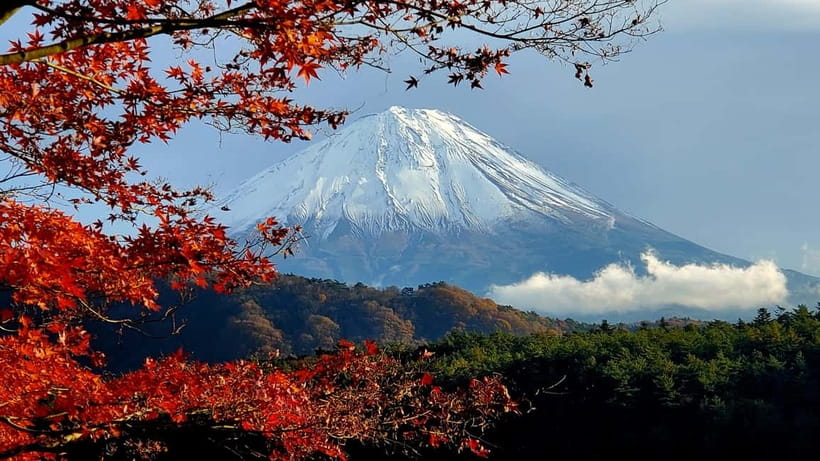
- Mount Fuji views from multiple angles, including Chureito Pagoda and later across the water
- Hakone’s volcano and lake combo, with time for the steam valley and Lake Ashi
- Bullet train return to Tokyo, with the drop-off at Odawara so you can take the Shinkansen back
- Flexibility in the Fuji-area choices, since you select 3 of the 5 options before heading to Hakone
Mount Fuji and Hakone in one day, without the train stress
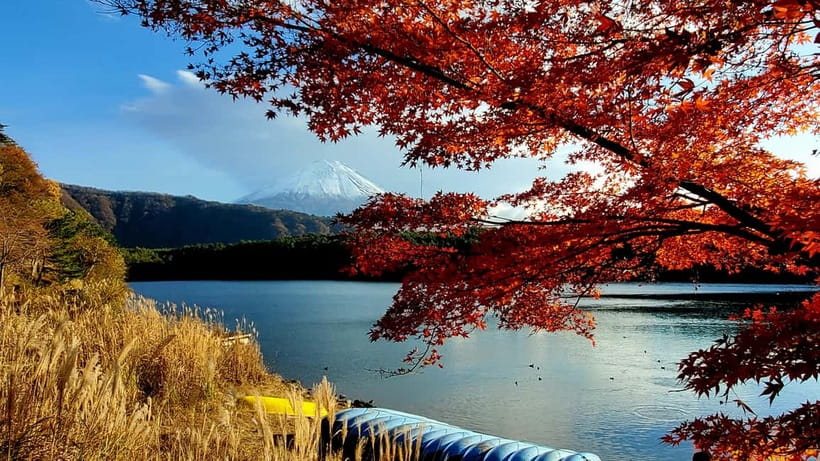
If your Japan trip has limited time in the Fuji-Hakone region, this kind of private, guided day is a smart way to make it count. The real win here is how the route is built: you get classic Fuji photography stops, then you transition to Hakone where the scenery shifts from clean lake views to active volcanic energy.
The day is also structured for people who do not want to spend the whole trip managing transit connections. Your guide handles the driving, the timing, and the navigation. You just show up ready for walking, photos, and the kind of scenery that makes you stop talking.
The included bullet train return is another big deal. Instead of ending the day in a remote place and then hunting for your own route back to Tokyo, you end at Odawara Station, where the Shinkansen takes you back toward Tokyo. That reduces risk on a day when weather and traffic can already be unpredictable.
You can also read our reviews of more private tours in Fujiyoshida
Price and logistics, including the Shinkansen return
At $280 per person for a 10-hour private tour, the value depends on what you normally pay for transportation, guides, and rail tickets in Japan. Here, you get several cost-heavy items bundled together: English guided service, hotel pickup and drop-off, a modern vehicle, parking fees, petrol, highway tolls, and bullet train tickets (Odawara to Tokyo).
What is not included matters too. Meals and drinks are on you, and certain rides or entrances have separate fees, including:
- Hakone Ropeway, listed at about 3,000 yen
- Lake Ashi cruise ship, listed at about 3,000 yen
- Oshino Hakkai museum, listed at about 300 yen
So the most honest way to think about the price is this: you’re paying for a guided route that saves time, plus the transport and train ticket back. Your remaining spend is mainly food and optional or semi-optional activities with listed fees.
Also note the practical timing detail: the tour is 10 hours total including pickup and drop-off, but your driver can be 10 to 30 minutes late due to road conditions, traffic congestion, or accidents. On a day like Hakone, that’s normal. Build a little buffer into your expectations.
Pickup in Tokyo, and how to set yourself up for an easy meetup
Your tour starts with pickup from your hotel or Airbnb in the Tokyo 23 wards. You’ll also want to plan for a clean meetup process. The provider asks for a WhatsApp contact so they can send a live location for where to find the vehicle.
That’s not just convenient, it’s a real time-saver. Tokyo can be confusing at street level, and a live location beats guessing which side of the road you’re on.
Bring cash, wear comfortable shoes, and dress in layers. You’ll be on foot for several sightseeing chunks, including walking around viewpoints and stopping for photos. The vehicle has rules too: no smoking, no food inside, and no alcohol or drugs. If you’re the type who likes to snack during rides, save it for outside the car.
Finally, keep this end-of-day detail in mind: the tour finishes at Odawara Station, and your guide won’t travel with you on the train back to Tokyo. You’ll be responsible for getting from Tokyo Station to your hotel after that.
Chureito Pagoda and Kitaguchi-hongu Fuji Sengen Shrine, a spiritual Fuji intro
You start with two very different ways of seeing Mount Fuji, both of which are worth your time even if you already have Fuji photos from elsewhere.
Chureito Pagoda: the classic framing moment
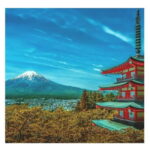
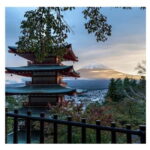
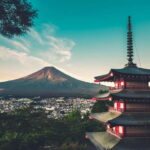
Chureito Pagoda is a five-story structure perched on a hill, and it’s famous for a reason. You’ll get photo time plus a guided walkthrough and time to wander. This is the kind of stop where you’re likely to understand why Fuji photographers chase light and weather. Even when the view is only partly clear, the mountain’s shape is unmistakable.
If you want your photos to look great, arrive ready to adjust. You may need to move a few steps to get a clean composition with the pagoda and the mountain behind it.
Kitaguchi-hongu Fuji Sengen Shrine: where Fuji meets Shinto practice
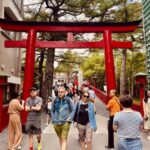
After the viewpoint, you switch gears to Kitaguchi-hongu Fuji Sengen Shrine. This Shinto shrine is dedicated to Mount Fuji, and it changes the mood fast. You’re not just looking at a mountain, you’re seeing how people connect with it through sacred space.
Your guide will point out what to look for while you take photos and have some free time. There’s also mention of shopping, which is useful if you want small souvenirs related to the shrine area.
The benefit of starting with these two stops is pacing. You get the iconic image, then you get the meaning behind it, so the day feels more than a photo checklist.
Oshino Hakkai: eight ponds fed by snowmelt, and why it feels peaceful
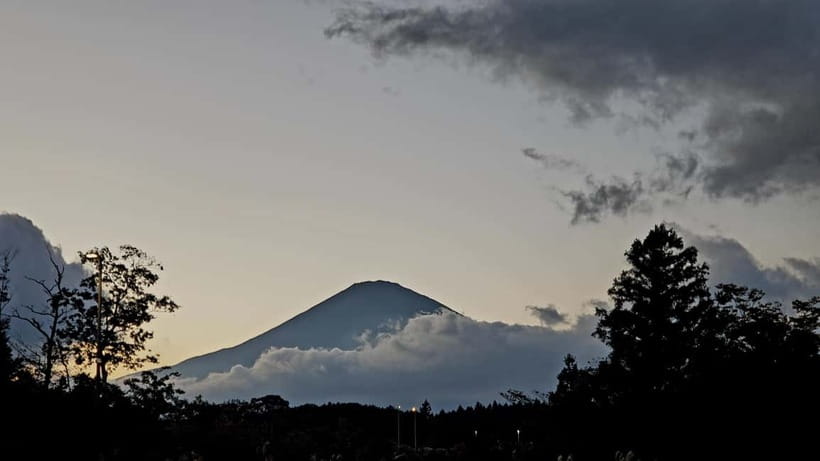
Next comes Oshino Hakkai, a set of eight ponds fed by melting snow from Mount Fuji. This stop is a nice contrast to crowds at some Fuji viewpoints. The ponds tend to feel quiet and almost museum-like, but in a natural way.
You’ll have guided time plus free time for photos and shopping, and there’s also the option of the Oshino Hakkai museum fee if you want it. The listed museum cost is about 300 yen.
What makes Oshino Hakkai special is the ecosystem idea. Clear water from Fuji-driven sources supports a particular kind of plant and life pattern around the ponds. You might not be conducting scientific study in the moment, but you can notice how different it feels from typical tourist fountains or landscaped ponds.
Practical tip: bring a little patience. This is not only about the ponds, it’s also about timing and getting a sense of how the water looks from different angles.
Fujikawaguchiko and Lake Yamanaka, Fuji views paired with lake time
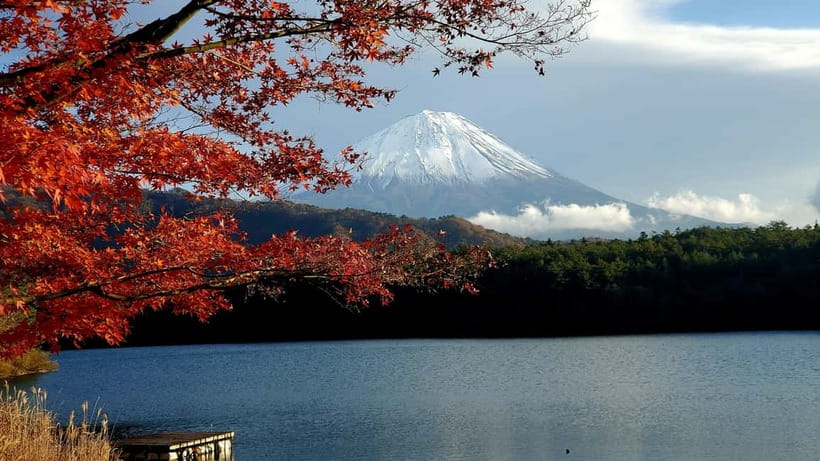
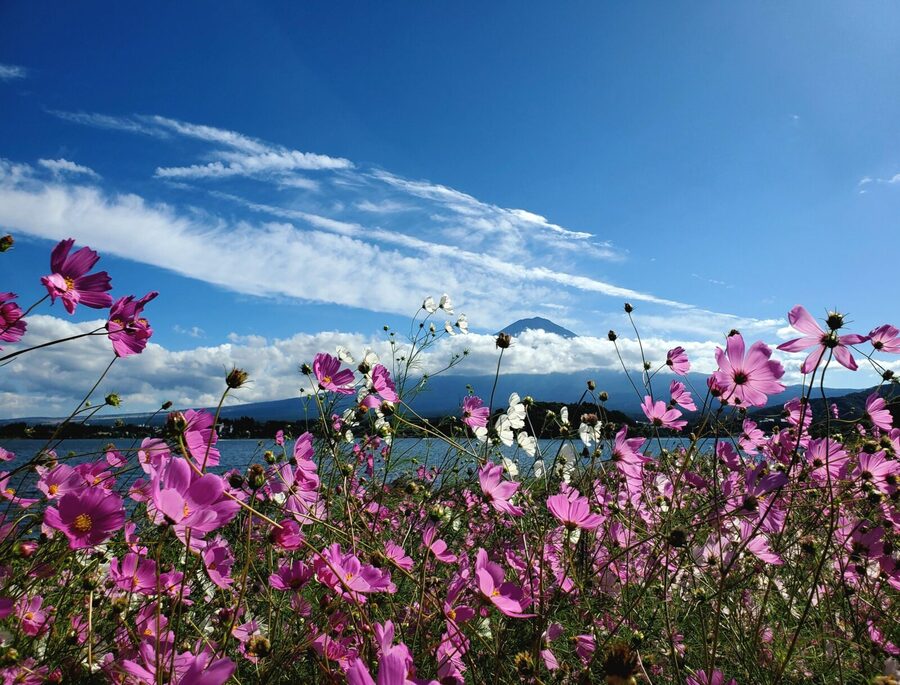
From the shrine-and-pond area, you head toward the Fuji Five Lakes region for more water-and-mountain scenery. In this day plan, you’ll visit Fujikawaguchiko (about an hour) and then Lake Yamanaka (about an hour). You’ll have a mix of guided sightseeing, photo time, and free time.
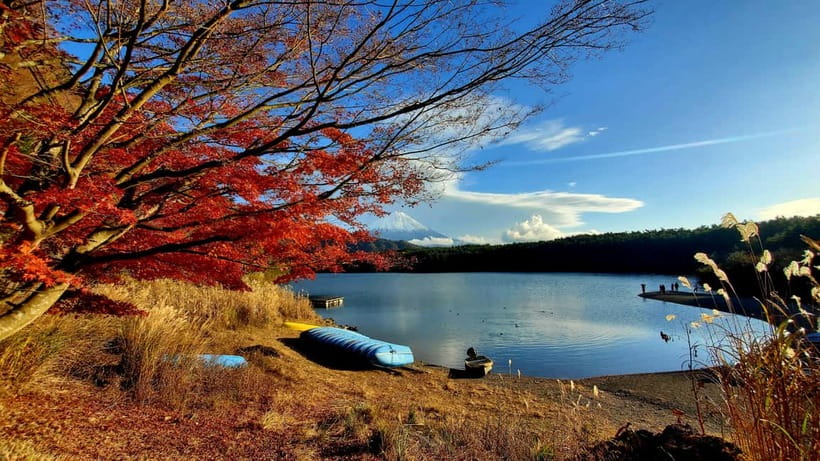
Why this part is valuable is simple: Mount Fuji looks different when you’re closer to the lake line, and the atmosphere changes as you shift from shrine terrain to lakeside air. Lakes also give you more chances to see the mountain across open water, which later becomes a theme again when you reach Hakone.
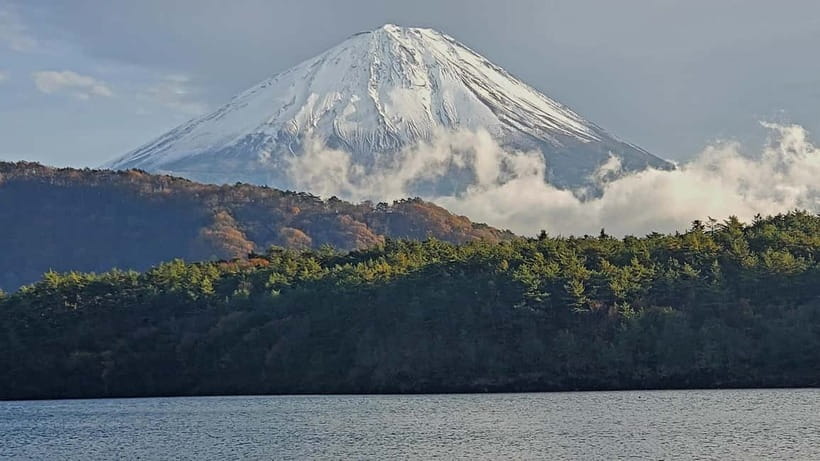
A drawback here is that lake weather can change quickly. If it’s hazy or misty, the mountain might soften. Still, that softness can create a different look, and your guide can help you decide where to stand for the best odds of a clear view.
If you’re thinking about food, this is usually where you might want to stop and eat. Meals are not included, so this is one of your best opportunities to handle it without rushing.
Hakone Ropeway and Lake Ashi: aerial views, then the mountain across the water
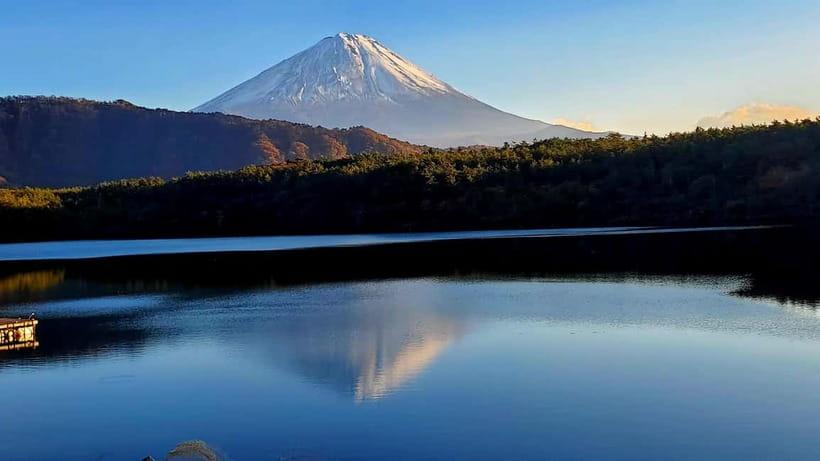
When you get to Hakone, the route turns practical and scenic at the same time. You’ll spend time at Hakone Ropeway first, with photo time and guided sightseeing plus views on the way. The ropeway fare is listed as about 3,000 yen.
This is where you can get that sweeping, high-angle sense of the region. From above, you understand why Hakone feels like a volcanic bowl with forests spilling down around it. Even if you do not love heights, a short ropeway segment can be an easy way to see far more than you could by road alone.
Then you move to Lake Ashi, where you get photo time, guided sightseeing, and some walking time. There’s also an option for a lake cruise ship with a listed fee of about 3,000 yen.
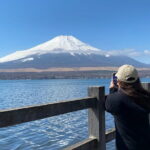
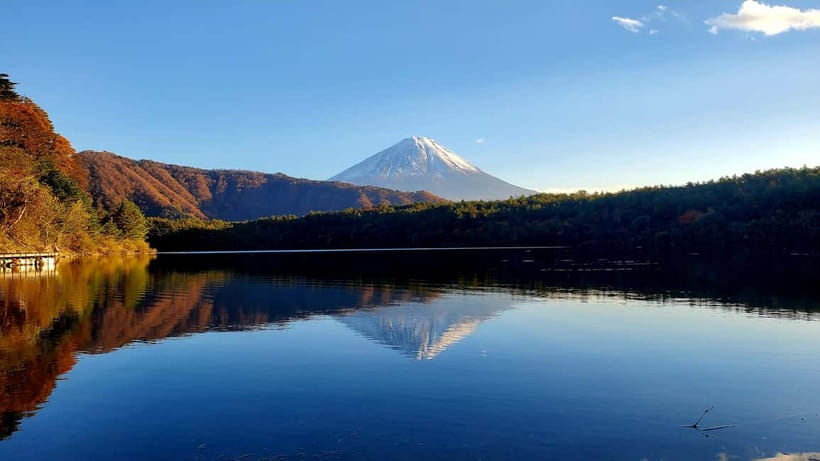
Here’s the real reason Lake Ashi matters: when you look at Mount Fuji from across the water, the mountain often appears framed by shoreline curves. It can feel like a different Mount Fuji image than you got earlier from pagoda steps or pond edges.
One more timing note: ropeway and cruise timing depends on conditions and operations. So if your day has strict reservations afterward, you should treat this part as the flexible chunk and keep plans light.
Owakudani Valley: where the sulfur smell makes the day real
After the calmer lake stop, you go straight into Owakudani Valley, the volcanic center of Hakone. You’ll have about 45 minutes there for sightseeing, and the experience is described as steaming hot springs, bubbling mud pools, and sulfurous fumes.
This is where the tour earns its drama. You can see geothermal activity up close and smell the sulfur air in the area. It’s not subtle, and that’s exactly why it’s memorable.
Practical advice: bring a mask if you’re sensitive to smells, and keep your pace steady. Surfaces around active geothermal zones can be uneven or slick. Comfortable shoes are not optional for this part.
Also, don’t expect the valley to feel like a theme park. It feels industrial in a nature way, controlled and watched over, but still raw. That contrast is often what people remember most from Hakone.
The guide factor, and why Ryu’s style seems to matter
A private tour lives or dies on the guide. This one has an English guide service, and it can include languages such as Urdu, Punjabi, and Hindi depending on your group needs.
From provided experience details, the guide Ryu stands out for being entertaining and good at explaining Japanese culture in a way that keeps you engaged. He also shows up as a calm problem solver. One important example involves traffic disruption linked to a visit by the Royal family, which shut down roads. The takeaway for you: when the day gets weird, your guide is prepared to rework timing so you still get the best possible version of the route.
Even if your day runs smoothly, that kind of experience matters. Hakone and the Fuji area can be timing sensitive, and weather can affect what looks best. A strong guide helps you adjust without turning the day into chaos.
What you should budget for, and how to avoid last-minute surprises
The tour includes:
- English guided tour service
- Bullet train tickets
- Petrol and highway tolls
- Hotel pickup and drop-off in Tokyo 23 wards
- Modern and clean vehicle, plus parking fees
What you should budget extra for:
- Meals, drinks, snacks
- Hakone Ropeway (about 3,000 yen)
- Lake Ashi cruise ship (about 3,000 yen)
- Oshino Hakkai museum (about 300 yen)
My suggestion: decide ahead of time whether you want the ropeway and the cruise. If you’re the type who wants every view option, plan for both listed fees. If you’re more focused on walking and photos rather than rides, you can skip one and spend that money on food or souvenirs.
Also bring cash as requested. Japan is more cash friendly than people expect, and smaller shops around sightseeing areas can make life easier if you have it.
Who this private Mount Fuji and Hakone tour fits best
This tour is a great match if:
- You want a private guide and hate the stress of transfers
- Your schedule is tight and you need a full day plan that hits Fuji and Hakone highlights
- You’re traveling with people who appreciate both nature and cultural stops, like Chureito Pagoda and a Shinto shrine
- You value the included Shinkansen return so the end of the day stays simple
It might be less ideal if:
- You hate any walking and standing around viewpoints. The day includes multiple stops with time on foot.
- You want full control of every activity fee, since some rides are time-linked and priced separately.
- You have very strict timing requirements right after arriving back at Tokyo, since your day can shift 10 to 30 minutes with traffic.
Language note: the tour mentions live guides in English and also Urdu, Punjabi, and Hindi. If those languages matter to you for explanations and shopping, this is a plus.
Should you book this private Mount Fuji and Hakone tour?
If you want an organized, scenic day that pairs Mount Fuji viewpoints with Hakone’s volcano and lake, I think this is a strong booking. The biggest value is that you’re not fighting transit while trying to see the right views, and the included bullet train return reduces end-of-day stress.
Book it if you’re comfortable budgeting for meals and the listed activity fees like the ropeway and possible lake cruise. Skip it or choose something else if your goal is a slow, unstructured stay in Hakone, or if you only care about one tiny slice of the region.
For most people on a first or second Japan trip, this hits a sweet spot: iconic sights, real Hakone atmosphere, and a logistics plan that keeps your day moving in the right direction.
FAQ
How long is the private tour?
The tour lasts 10 hours, including pickup and drop-off.
Where does the tour start and where does it end?
It starts with pickup from your hotel or Airbnb in Tokyo 23 wards. It ends with drop-off at Odawara Station, where you take the bullet train to Tokyo Station.
Are bullet train tickets included?
Yes. Bullet train tickets are included for the return from Odawara Station to Tokyo Station.
Who does the guide transport during the return trip to Tokyo?
The tour ends at Odawara Station, and the guide does not travel with you on the bullet train. You are responsible for getting from Tokyo Station to your hotel.
Is hotel pickup included?
Yes, pickup and drop-off are included for hotels or Airbnb in Tokyo 23 wards.
What extra fees should I expect?
Meals and drinks are not included. Also, some rides and entrances have separate fees, including Hakone Ropeway (around 3,000 yen), the Lake Ashi cruise ship (around 3,000 yen), and the Oshino Hakkai museum (around 300 yen).
Do I need cash?
Yes, cash is recommended to bring.
What should I wear or bring for the day?
Wear comfortable shoes and comfortable clothes. Bring cash as noted.
Will the schedule always be on time?
The driver may be late 10 to 30 minutes sometimes due to traffic, road conditions, or accidents.
Can I book for a private group and choose options in the Fuji area?
It is a private group, and you select 3 of the 5 options from the Fuji area before visiting Hakone.
More Private Tours in Fujiyoshida
More Tours in Fujiyoshida
More Tour Reviews in Fujiyoshida
Not for you? Here's more nearby things to do in Fujiyoshida we have reviewed

Mount Fuji Tours, side by side.
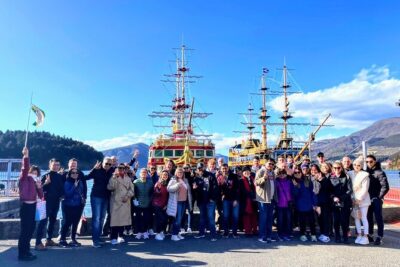 ★ 5.0Mt Fuji and Hakone 1-Day Bus Tour Return by Bullet TrainFrom $16326,383 reviews
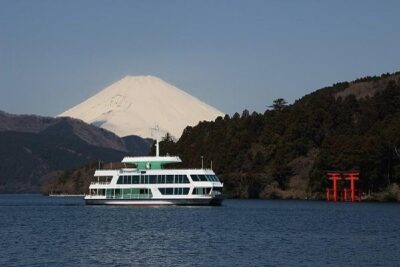 ★ 4.0Mt Fuji & Hakone Cruise, Drum Show Bullet Train 1 Day from TokyoFrom $1497,413 reviews
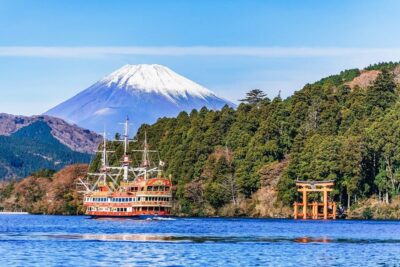 ★ 4.4Tokyo Mt Fuji 5th St & Hakone Cruise Bus Tour w/Bullet TrainFrom $1545,024 reviews
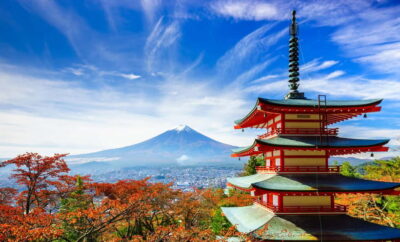 ★ 4.5From Tokyo: Mount Fuji Full-Day Sightseeing TripFrom $684,970 reviews
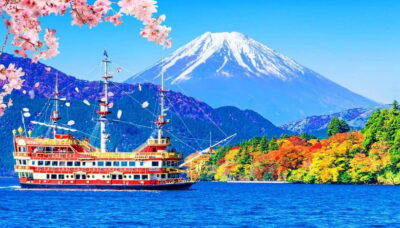 ★ 4.7Mt. Fuji Tour, Hakone Ropeway, Owakudani, Lake AshiFrom $544,002 reviews
 ★ 4.2Mt. Fuji 5th Station & Hakone Cruise 1-Day Bus TourFrom $1292,381 reviews
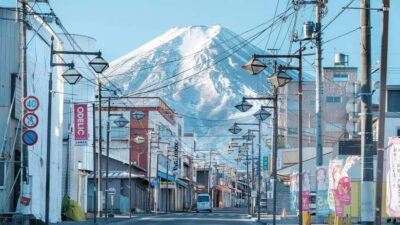 ★ 4.7Mt Fuji Top 5 Spots Day Tour: Arakurayama Park,Oshino HakkaiFrom $532,066 reviews
 ★ 5.0Private Tour to Mt. Fuji and Hakone (Fully Licenced Operator)From $4971,910 reviews
This tour also belongs to