
Review · MOUNT FUJI TOURS
Tokyo: Mt. Fuji Tour, Hakone Ropeway, Owakudani, Lake Ashi
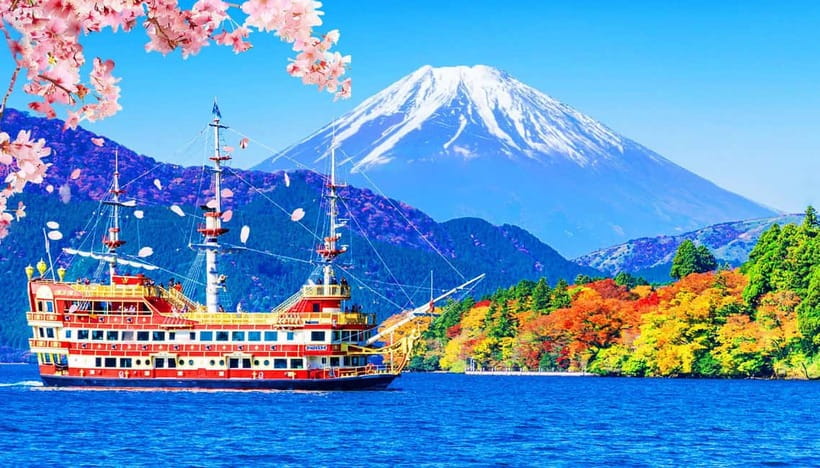
Mt. Fuji in one long day? This tour strings together the classic Hakone views and geothermal drama in a tight 10-hour circuit, with the Lake Ashi Torii gate and Hakone Ropeway panoramas as the headliners. You also get the Owakudani volcanic valley plus Oshino Hakkai’s snowmelt ponds, so it feels like more than just a sightseeing bus ride. One thing to keep in mind: Mt. Fuji visibility is weather-dependent, so go in expecting luck, not a guarantee.
You’ll also like how the day mixes big icons with small moments, like the quiet Hakone Shrine grounds and the photo-friendly pond reflections at Oshino Hakkai. The ropeway and guided stops keep things moving, which is great if you’re short on time in Tokyo. The possible downside is simple: lunch is not included, and the best views often mean you need to plan for queues and a steady pace.
Key Highlights You Will Actually Care About
- Hakone Shrine plus the Lake Ashi Torii gate: iconic views, with a specific seasonal closure you should note
- Hakone Ropeway included: wide-open ridge views when visibility is good
- Owakudani geothermal valley: try the famous black eggs in volcanic spring water
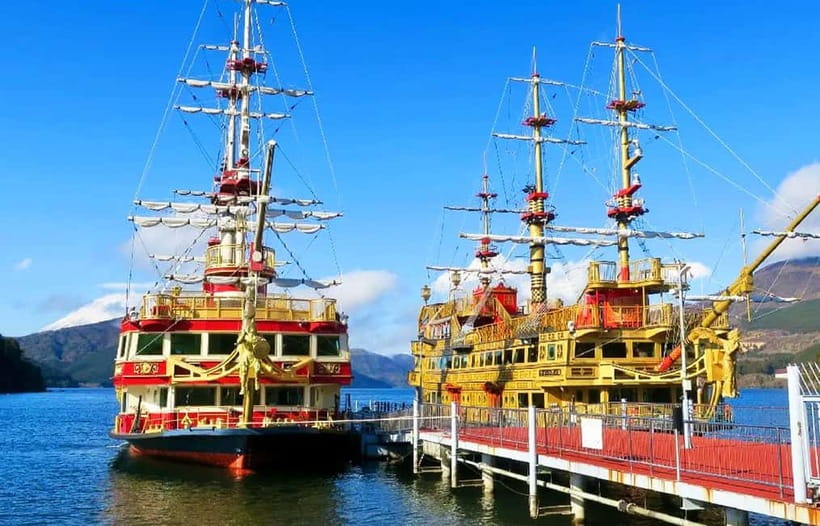
- Optional pirate ship on Lake Ashi: you pay extra, but the angles are special
- Oshino Hakkai ponds: eight Fuji-fed pools, built for reflection photos
- Fuji Five Lakes stop at Swan Lake Shore: a break from crowds, with swans framed under Fuji when clear
Why This Mt. Fuji and Hakone Day Trip Makes Sense
If you’re trying to see a lot of Japan’s Fuji country in one hit, this tour is built for you. It is a long day, but it is also a smart one. You start around Tokyo Station or Shinjuku, then move through Hakone for Lake Ashi views, a ropeway ride, and the volcanic Owakudani area before finishing at Oshino Hakkai.
I like that it is not just one sightseeing stop after another. You get a rhythm: sacred place, lake views, airy transport on the ropeway, geothermal weirdness, and then the calm ponds of Oshino Hakkai. That mix helps the day feel varied, not repetitive.
The other big plus is that you get a guide with multilingual support. In the guide roster I’ve seen names like Wanting, Jack, Leonard, Kousei, Sato, and Tom, and the common thread is that they keep you oriented and moving on time. For a day trip where timing matters, that is huge.
You can also read our reviews of more tours and experiences in Tokyo.



Pickup, Timing, and the Pace of a 10-Hour Circuit
This is a shared day trip, so you are on a group schedule with a bus and scheduled walking time at each stop. You meet your guide at either Tokyo Station or Shinjuku, and the exact meeting stand can vary by booking. One example stand shown in the route details is STAND T, 東京MODE學園.
Plan to arrive early, at least 15 minutes before the start. The staff member in a yellow vest will be at the meeting point, and the day’s handoff details are sent the evening before, so check your inbox and spam folder.
The tour runs about 10 hours from meeting to drop-off, though weather and traffic can shift the flow. You should avoid stacking plans right after, because the return timing can change.
Also note the simple onboard rule: no smoking in the vehicle, and no food in the vehicle. That means you’ll want to pack snacks and water if you get hungry during the ride between stops.
Hakone Shrine and the Lake Ashi Torii Gate Photo Stop
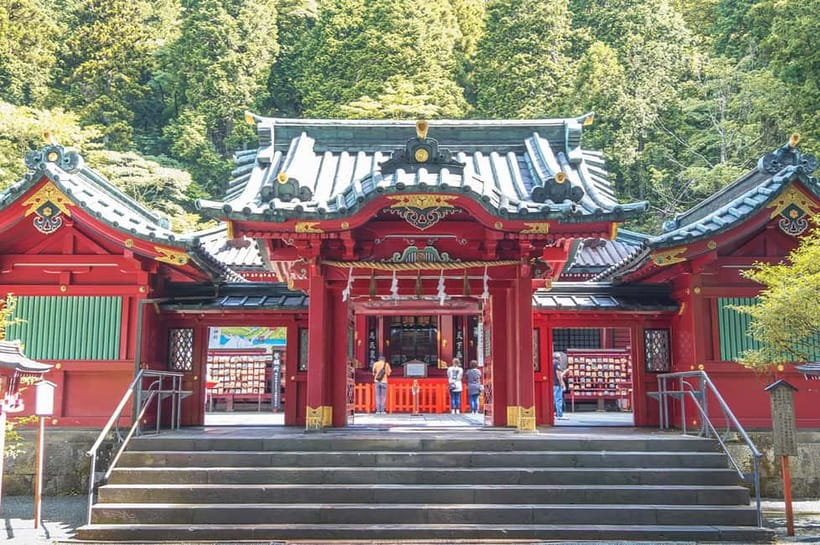
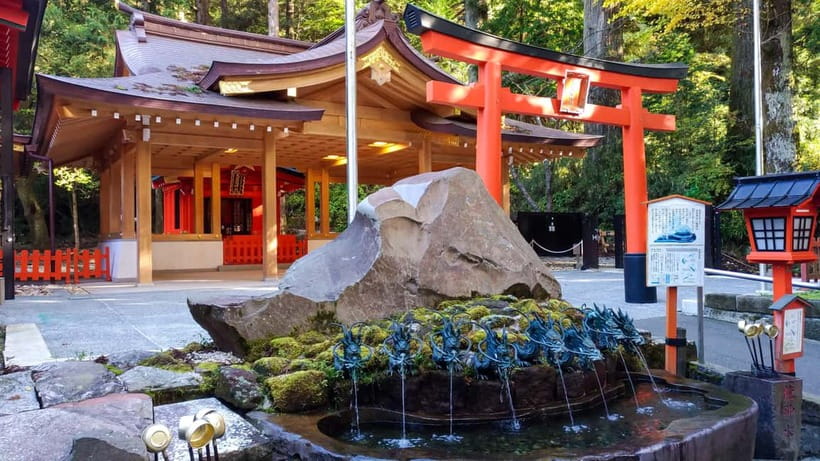
Hakone Shrine is the spiritual warm-up for the day. The shrine is historically tied to 757, and the setting on the Lake Ashi shoreline gives the visit a special feel. You get a short guided stop plus time to wander on your own, which is where the experience turns from checklist to atmosphere.
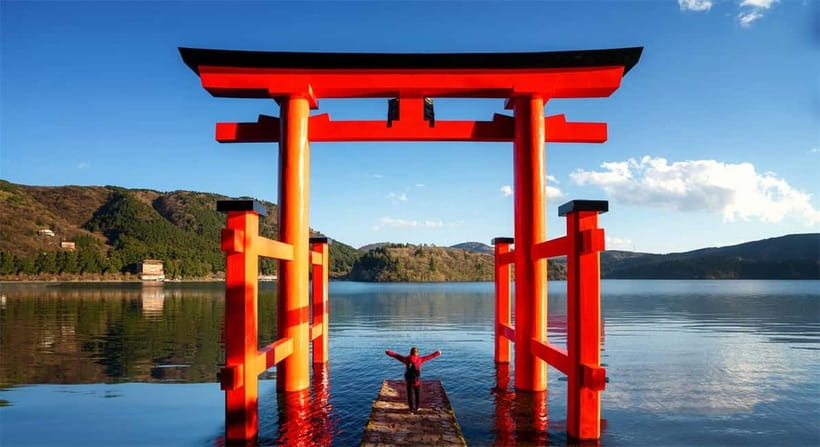
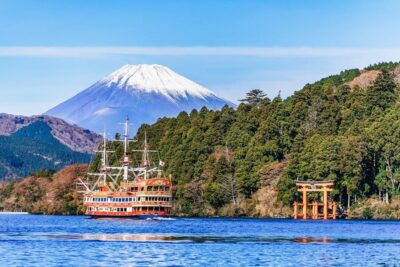
Then comes the moment most people come for: the red Torii gate standing by the lake. The view is the classic Fuji-adjacent postcard look, and it works from different angles depending on where you position yourself.
Two practical things matter here. First, you might see crowds, especially when the Fuji sky is clear. Second, there is a seasonal closure note you should take seriously: the Torii gate will be closed from Dec. 28 to Feb. 10, 2026. If you’re traveling in that window, adjust your expectations, because the whole photo moment changes.
If the Torii gate area is packed, you can still get good photos from nearby viewpoints. One tip I like is to stand close to the gate line area, but not locked into the very front, so you spend less time waiting and more time composing.
Optional Pirate Ship on Lake Ashi, and When It’s Worth Paying
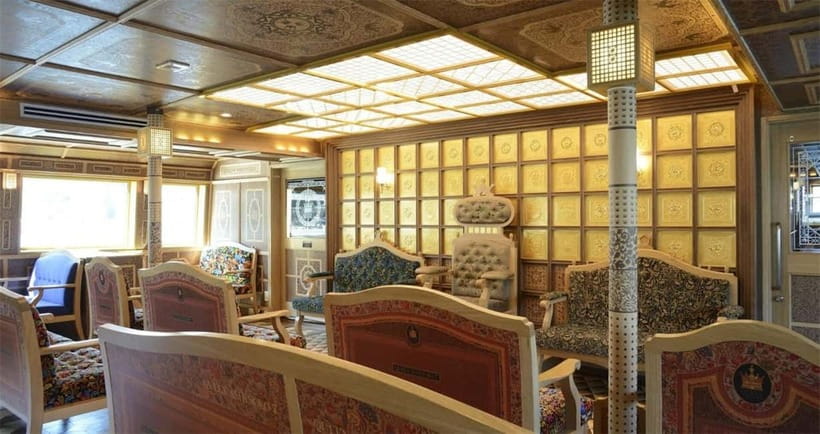
The Lake Ashi cruise is optional and self-paid, currently listed at around 1700 JPY. It is not included in the base price, but if you enjoy boats or want a different perspective on the Torii and the lake, it is the most “wow factor per minute” upgrade on the day.
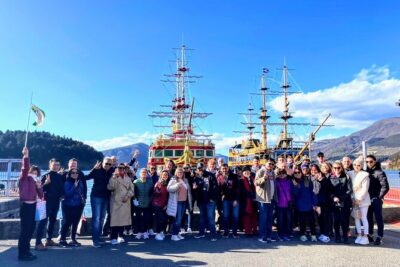
You’ll have a choice among themed ships: Royal II, Victory, and Queen Ashinoko. I like having options because it means the operator can rotate ships depending on availability and crowd levels, and you still get the same overall idea: a slow crossing with views opening and closing as the boat moves.
Here’s the reality check. Even with a great ship route, your payoff depends on weather, especially for Mt. Fuji visibility. If Fuji is hidden behind clouds, the cruise is still scenic, but it won’t deliver the same iconic mountain framing.
Also, expect queues. This is a popular day trip route, and boat boarding plus photo stops can get busy. If you are the type who gets stressed in lines, come with patience and a plan for where you want your photos.
Hakone Ropeway Included: Panoramas That Feel Like Moving Viewpoints
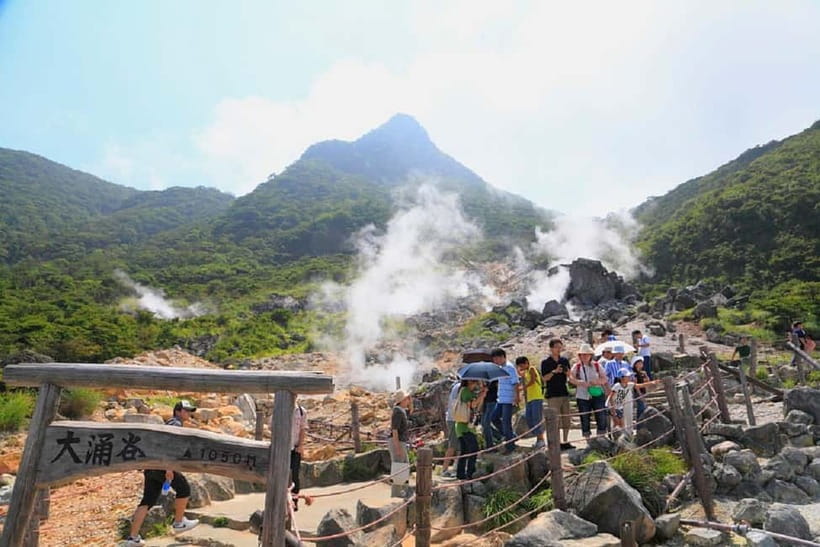
After Lake Ashi, the tour moves into the heights with the Hakone Ropeway. The ropeway ride is included, and that matters because it is one of the best ways to quickly change elevation without making the day even longer on foot.
From up there, you get panoramic views over Hakone and the lake region, and if visibility is clear, you may catch Mt. Fuji from above the waterline. Visibility is never guaranteed, but the ropeway gives you more chances than you’d have from ground-level viewpoints alone.
There is also a contingency built in. The ropeway may close due to bad weather or maintenance. If that happens, the information provided says you should email for a ticket refund of 1000 JPY per person. So even if the view plan changes, you are not totally stuck paying for a ride you cannot use.



Owakudani Volcanic Valley: Geothermal Drama and Black Egg Logic
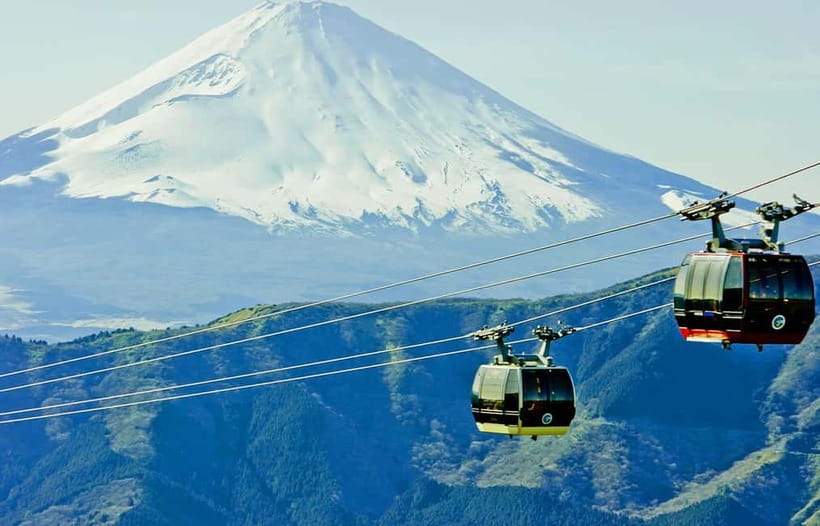
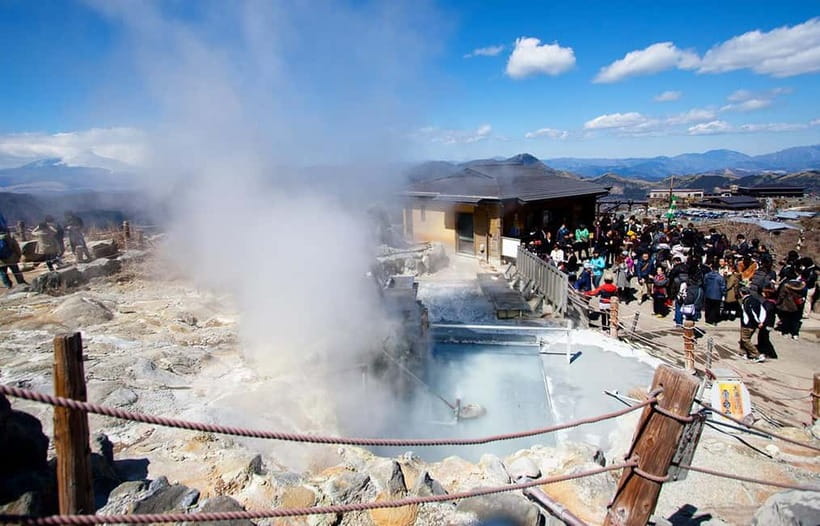
Owakudani is where the day turns from pretty to physical. This is the geothermal valley tied to a major eruption of Mt. Hakone about 4,000 years ago, and the area shows the results in a vivid, otherworldly way.
Your time here is guided and focused, roughly 50 minutes, which is long enough to walk the main areas and still try the local snack without feeling rushed. The star is the black eggs. These are boiled in volcanic spring water, and trying one is an easy way to connect what you see with what people actually do here.
A few practical notes. Wear comfortable shoes, because the terrain around volcanic sites can feel uneven. Also, the air near geothermal areas can be intense, so keep your breathing comfortable. If you have respiratory issues, this tour may not be suitable, and I’d take that warning seriously.
This stop is also where the guide’s commentary earns its keep. Even a short guided context can help you understand why the sulfur smell, the steam, and the hot springs are not just “cool photos,” but part of the active system shaping the valley.
Lake Yamanaka Swan Shore: A Calm Fuji Five Lakes Break
After the intensity of Owakudani, you get a lighter mood shift. The tour heads to Lake Yamanaka, one of the Fuji Five Lakes, and stops at Swan Lake Shore.
This is mainly a photo stop with free time. The area is known for swans, and if the sky cooperates, you can line up swans with Mt. Fuji in the background. Even when Fuji is faint, the lakefront still gives you a chance to reset after steam vents and geothermal steam clouds.
What I like about this stop is that it breaks the nonstop “landmarks only” flow. You get a more leisurely pace, and it helps the entire day feel balanced rather than exhausting.
One caution: lunch is not included, and this stop comes before Oshino Hakkai. Since there are limited opportunities for food along the way, pack snacks and water so you do not end up hungry while you’re trying to enjoy the photos.
Oshino Hakkai Ponds: Snowmelt Reflections With Real Photo Payoff
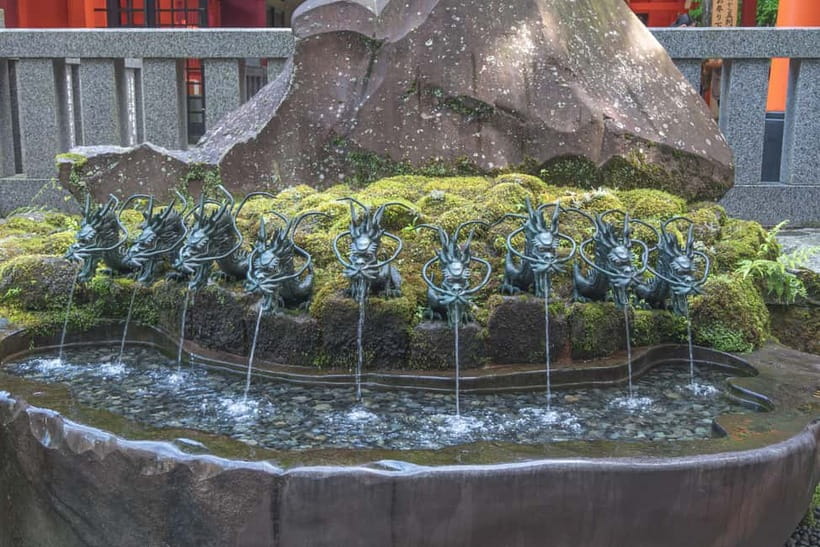
Oshino Hakkai is the finishing act most people remember. This scenic area has eight crystal-clear ponds fed by Mt. Fuji’s snowmelt, and they create some of the best reflective photo moments of the day.
Your time here is a guided photo stop with about 40 minutes. That is plenty of time to walk the pond paths, pick a few viewpoints, and decide how much time you want to spend photographing versus simply soaking in the quiet.
This stop works because the ponds are not only scenic, they’re specific. The eight ponds being tied to Fuji snowmelt gives you a clear story behind why the water looks the way it does. When you understand the source, the reflections feel earned, not random.
If the weather is clear, the mountain may show in the water. If it is not, the ponds still make sense. You can still get texture, color, and the calm atmosphere that fits well at the end of a long loop.
Price and Value: What You Pay For, What You Still Need to Budget
The listed price is $54 per person, and at that level, the value mostly comes from what is already included. You get Hakone Ropeway fare, pickup and drop-off at two designated points, air-conditioned transportation, a guide, a driver, and even the parking fee.
That matters in Tokyo area day trips because costs add up fast when you start stacking individual transport tickets. Bundling the ropeway into the package is especially helpful since it is one of the pricier segments to plan on your own.
What is not included is equally important. Food and drinks are not included, and the pirate ship cruise is also not included, around 1700 JPY. If you want the boat, budget for that. If you do not, you still have plenty to do without it.
Lunch is available during a designated restaurant break, and it is a separate decision from the tour price. Since lunch is not included, I recommend treating snacks as part of your strategy, not an afterthought.
Practical Tips That Keep the Day Enjoyable
This is a full day with multiple stations, so small planning habits make a big difference.
- Bring comfortable shoes. You’ll move through shrine areas, ropeway zones, and Owakudani paths.
- Pack snacks and water. There is no eating in the vehicle, and lunch happens at the restaurant stop later in the route.
- Dress for weather. Mt. Fuji visibility depends on the day, and conditions around lakes and volcanic sites can feel different from Tokyo.
- Use your camera early. If Fuji shows itself, it can vanish again. Torii gate and ropeway views are your key windows.
- If you hate waiting in lines, plan for it at peak points like the boat cruise area and the Torii gate.
One last practical note: this is not framed as a slow private tour. It is efficient. That is good value, but it does mean you should accept a steady pace, short walks, and scheduled time at each stop.
Who This Tour Fits Best, and Who Might Want Another Plan
This day trip fits best if you are a first-time visitor to Fuji country or you just want the highlights without managing multiple train and bus connections. It is also ideal if you like guided context, especially for places like Owakudani where a bit of explanation turns a steam scene into a story.
You should consider skipping this specific setup if you have mobility impairments. It is explicitly not suitable for people with mobility impairments. Also, if you have respiratory issues, the geothermal nature of Owakudani is a concern, and the tour is also listed as not suitable for people with respiratory issues.
If you are traveling solo, be aware that seating on a shared bus can pair people up. One traveler commented on discomfort with seating next to another person. That is not universal, but it is worth considering if you are sensitive to personal space.
Finally, remember the biggest variable: Mt. Fuji is not guaranteed. If you’re traveling on a day with clouds, you will still see a lot, but you may not get the full mountain framing everywhere you hope.
Should You Book This Mt. Fuji and Hakone Mix Tour?
I’d book it if you want a structured day that covers Hakone’s most recognizable views, includes the Hakone Ropeway, and ends with Oshino Hakkai’s water reflections. The value is strongest when you want transport, guide support, and a guided path through multiple stops that are otherwise a hassle to chain together.
I’d hesitate only if your schedule cannot handle a long day, or if your trip dates fall within the Torii gate closure window from Dec. 28 to Feb. 10, 2026. And if Mt. Fuji showing up clearly is your only “must,” treat that as a gamble you’re choosing to take.
If you’re flexible, pack snacks, and come ready for weather swings, this is a solid way to see a lot of Fuji country without turning your day into logistics.
FAQ
What is the duration of this tour?
The tour lasts about 10 hours, from your morning meeting time to the evening drop-off. The exact timing can vary with traffic, weather, and peak seasons.
Where do I meet the guide, and where will I be dropped off?
You meet at one of two starting points, Tokyo Station or Shinjuku Station, and you are dropped off at two designated points. The exact meeting stand can vary depending on your option.
Is lunch included in the tour price?
No. Lunch is not included, but you can bring something to eat, buy lunch at the attractions, or eat at a restaurant suggested by the guide during the scheduled break.
Is the pirate ship cruise included?
No. The pirate ship cruise on Lake Ashi is optional and self-paid, listed at about 1700 JPY.
What parts of the trip are included?
The included items are Hakone Ropeway fare, pickup and drop-off at two designated points, air-conditioned transportation, a multilingual tour guide, the driver, and parking fees.
What if the Hakone Ropeway closes?
The ropeway may close due to bad weather or maintenance. If it does, you should email for a ticket refund of 1000 JPY per person.
Is Mt. Fuji guaranteed to be visible?
No. Mt. Fuji visibility depends on the weather, and it is not guaranteed.
What should I bring?
Bring comfortable shoes, a camera, snacks, water, and weather-appropriate clothing.
Is this tour suitable for everyone?
No. It is not suitable for people with mobility impairments or for people with respiratory issues.
Are there any seasonal changes to the Lake Ashi Torii gate?
Yes. The Torii gate will be closed from Dec. 28 to Feb. 10, 2026.
More Tours in Tokyo
More Tour Reviews in Tokyo
Not for you? Here's more nearby things to do in Tokyo we have reviewed












Mount Fuji Tours, side by side.
 ★ 5.0Mt Fuji and Hakone 1-Day Bus Tour Return by Bullet TrainFrom $16326,383 reviews
 ★ 4.0Mt Fuji & Hakone Cruise, Drum Show Bullet Train 1 Day from TokyoFrom $1497,413 reviews
 ★ 4.4Tokyo Mt Fuji 5th St & Hakone Cruise Bus Tour w/Bullet TrainFrom $1545,024 reviews
 ★ 4.5From Tokyo: Mount Fuji Full-Day Sightseeing TripFrom $684,970 reviews
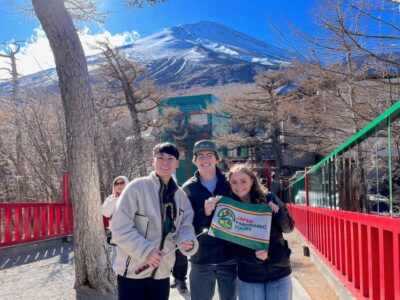 ★ 4.2Mt. Fuji 5th Station & Hakone Cruise 1-Day Bus TourFrom $1292,381 reviews
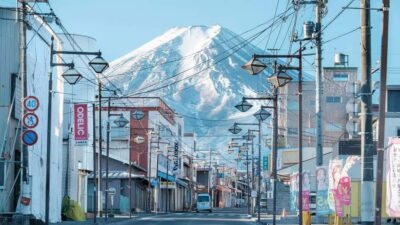 ★ 4.7Mt Fuji Top 5 Spots Day Tour: Arakurayama Park,Oshino HakkaiFrom $532,066 reviews
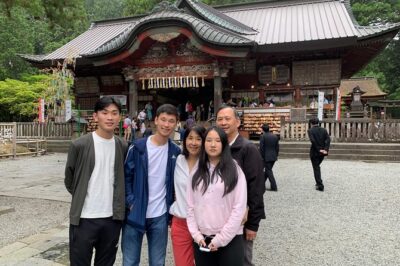 ★ 5.0Private Tour to Mt. Fuji and Hakone (Fully Licenced Operator)From $4971,910 reviews
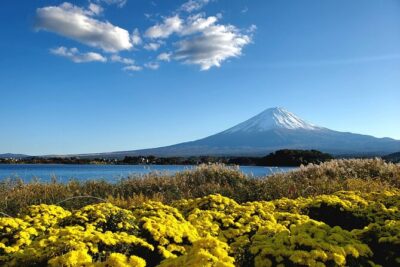 ★ 4.9Mount Fuji Full-Day Private Tour from Tokyo (Customizable)From $3931,470 reviews
This tour also belongs to