
Review · HAKONE DAY TRIPS
Fuji/Hakone Private Tour, English speaking guide, Photograph
Fuji and Hakone in one smooth private day. With hotel pickup from Tokyo, Saitama, Yokohama or Fujiyoshida and professional photo help, I like the flexible timing that lets you linger where Mount Fuji shows up best, plus you pick your own traditional lunch. The main catch is weather, plus a moderate amount of walking.
This is a private group for up to five people, so you get real control instead of racing a schedule with strangers. Expect a long scenic drive both ways, an air-conditioned van with Wi-Fi and bottled water, and a day packed with classic views and a hot-spring side of Japan.
Key things that make this tour worth your attention
- Flexible stop timing based on what you want to see and how long you stay
- A photographer-led approach so you know where to stand and when to shoot
- Hotel pickup and drop-off from Tokyo, Saitama, Yokohama, and Fujiyoshida
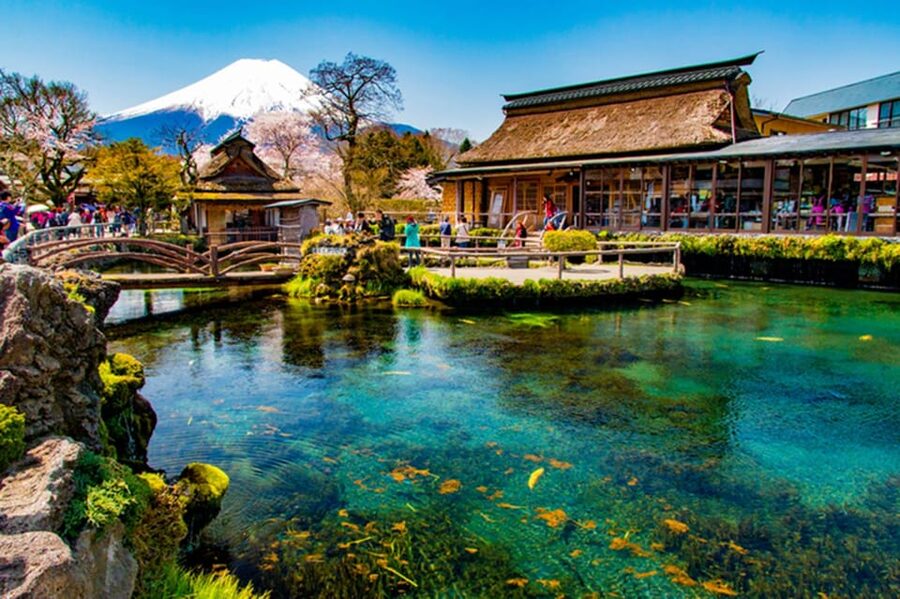
- Fuji Five Lakes area highlights like Oshino Hakkai, Chureito Pagoda, and Lake Kawaguchiko
- Hakone’s volcanic scenery with Owakudani and scenic cable rides
- Wi-Fi in the van and comfort features like air-conditioning and bottled water
A Private Fuji and Hakone Day With Pickup Choices and Photo-Friendly Comfort
The first thing I like is how easy the logistics feel. Pickup is available from several areas, including Tokyo, Saitama, Yokohama, and Fujiyoshida, with drop-off back in the same regions. That matters because the Fuji and Hakone region is not close, so getting “door-to-door” saves you from juggling trains, buses, and transfers.
You’ll ride in an air-conditioned van, and the tour includes Wi-Fi. There’s also bottled water, plus parking fees. Translation: you can focus on sightseeing and photos, not on constantly finding the next place to refuel yourself.
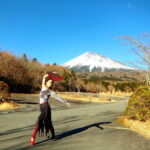
A big part of the appeal is the photo component. This isn’t just a driver who points out a view. The guide includes professional photographer support, and the tour notes you can take photos using a professional camera. In real life, that can mean better composition tips, knowing the best angles for Fuji, and getting help timing shots when the light is right.
One name that comes up in excellent feedback is Ahamed. People describe him as friendly, communicative, and careful on the road, with a talent for photography. The practical win for you is simple: when your guide understands how to translate a scenic stop into a great photo, you spend less time guessing.
You can also read our reviews of more guided tours in Fujiyoshida
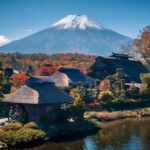
Oshino Hakkai Ponds: Fuji Reflections Start the Day Calm
Your Fuji day typically opens in Oshino Hakkai, a small village known for its crystal-clear ponds. The walking portion is about 45 minutes, with guided time plus a bit of shopping and sightseeing mixed in.
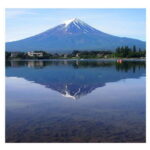
This stop is special because it feels slower than the big postcard viewpoints. The ponds are fed by pristine snowmelt from Mount Fuji, and the visual payoff is that Fuji can look close enough to touch, reflected in the water. When visibility is good, it’s a very photogenic place, and when visibility is poor, it still offers a peaceful village atmosphere.
A practical note: reflections depend on conditions. If the weather turns, you may still enjoy the scenery, but don’t expect every pond to mirror the mountain perfectly. Use this stop as your warm-up, not as your only “Fuji check.”
Mt. Fuji 5th Station and Chureito Pagoda: Icon Stops With Weather in the Driver’s Seat
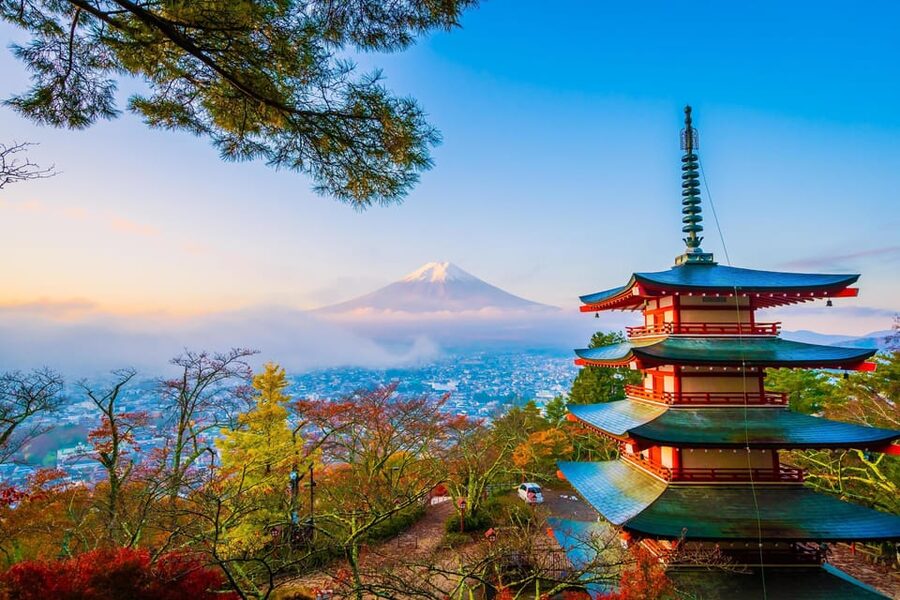
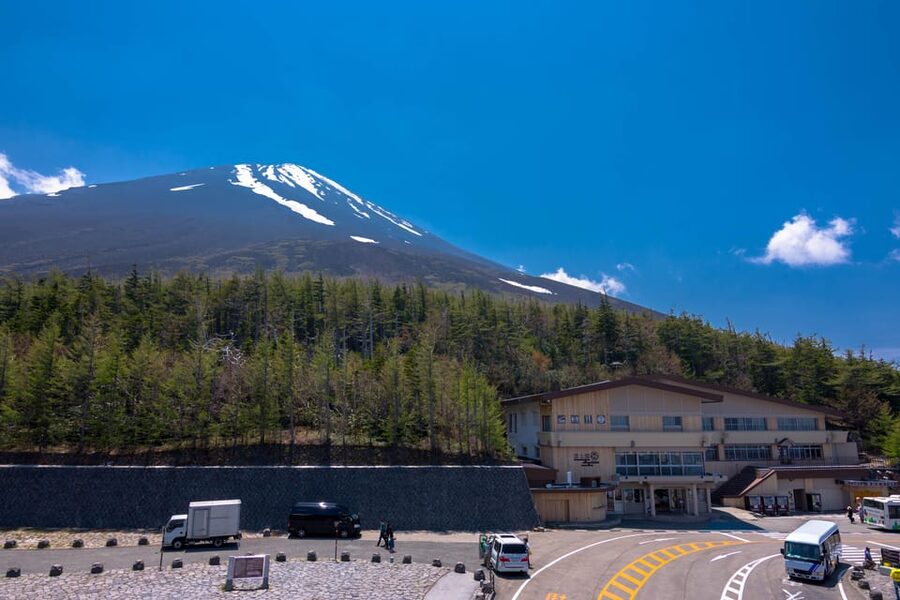
After Oshino Hakkai, the route often includes Mt. Fuji 5th Station, plus a scenic drive for views on the way. Time here is listed at about 1.5 hours, including visiting, sightseeing, and walking. This is the part of the day where you’ll want your warm layer ready. Even if Tokyo feels mild, higher elevations can feel cooler, especially with wind.
The value of the 5th station is perspective. It gives you a closer, more dramatic sense of the mountain, not just a distant backdrop. The drawback is also obvious: it’s a visibility-dependent stop. Cloud cover can reduce the view, so treat it as a “try for the best” moment.
Then comes the Chureito Pagoda area, where you’ll spend about 45 minutes. The five-story pagoda is famous because Mount Fuji appears behind it in a classic framing. Seasonal variety matters here: in some seasons you might see cherry blossoms, and in others autumn leaves provide the color contrast.
If you want photos that look effortless, this is where professional camera help really pays off. Small changes in angle can make a huge difference when you’re trying to frame Fuji behind the pagoda. Bring your patience, and let the guide position you.
Fujikawaguchiko Lunch Break: You Choose the Food, Not Just the Timing
You’ll reach Fujikawaguchiko for a break and lunch, with about 45 minutes allocated. This is one of the most “you-controlled” moments of the day because the tour is built around choosing a traditional Japanese lunch at a local eatery.
Why this matters: lunch in tourist zones can feel generic. Here, the point is to stay in the local flow. Ahamed has been described as making helpful food suggestions, including steering people toward regional comfort food like hoto noodles. If you like warm, filling dishes after walking, that kind of local recommendation can turn lunch into a highlight, not a chore.
One watch-out: since this is a full-day plan, lunch is not an all-you-can-eat marathon. It’s a reset, so pick something that won’t slow you down later.
Lake Kawaguchiko and Oishi Park: Boats, Flowers, and Fuji Reflections
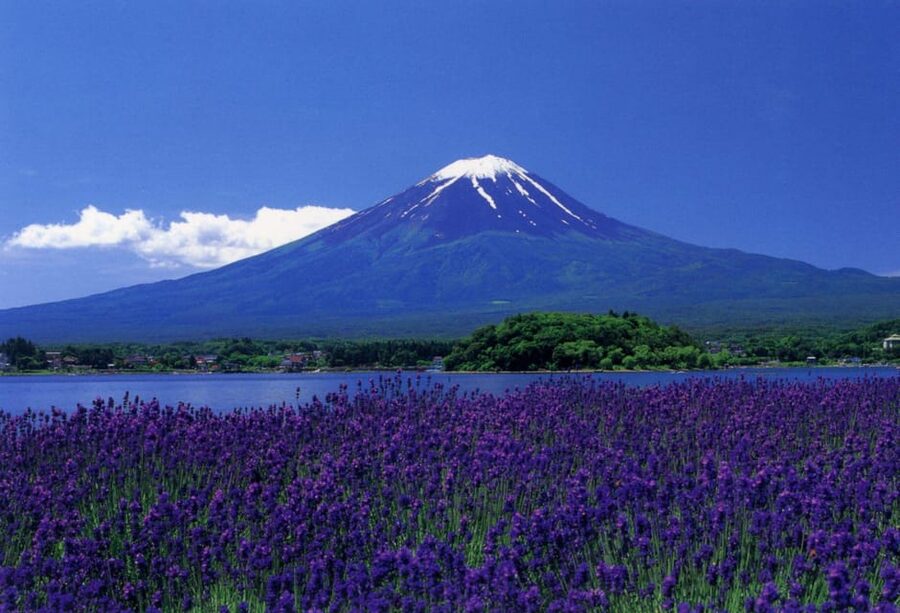
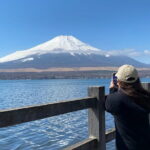
Next up is Lake Kawaguchiko, with about 30 minutes for sightseeing plus time for boat-style activities. The listed activities include an airboat ride and a duck boat ride. Even if you’re not usually into rides, these add variety. You’re not only standing around trying to capture Fuji in the distance, you get a different vantage point out on the water.
Then you’ll head to Oishi Park for sightseeing and walking, about 30 minutes. This area is known for gardens with views over the lake, and it also includes a café stop where you can enjoy ice cream flavors.
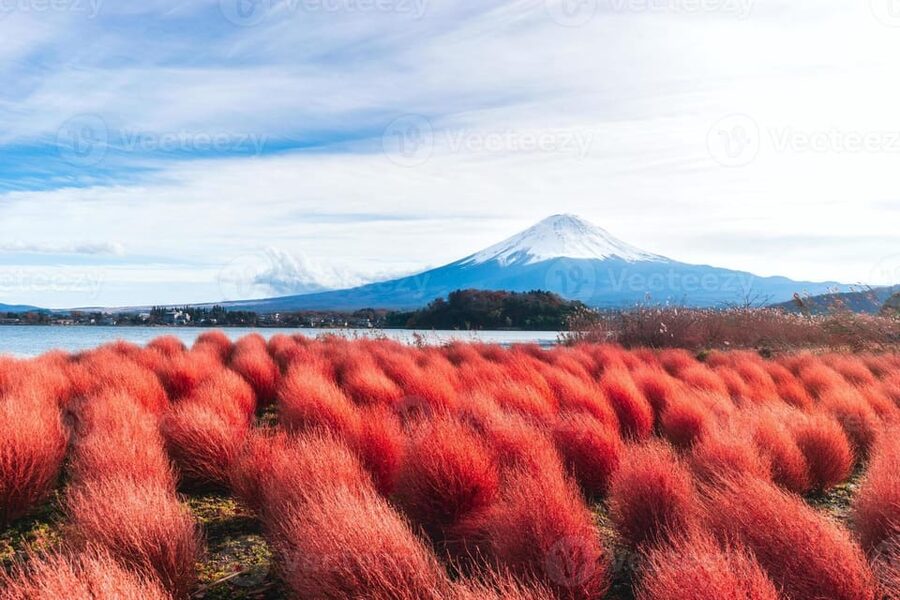
Here’s the realistic expectation: Fuji reflections are weather-dependent. Calm air, clear skies, and timing matter. If the mountain is visible, this part of the day can feel like the classic “Fuji mirror” moment. If it isn’t, you’ll still have a pleasant lakeside garden and the park café as a breather.
Either way, the advantage of having a guide is that they can help you decide how long to stay in each spot. If the view improves, you’re not stuck watching the clock.
You can also read our reviews of more private tours in Fujiyoshida
Kitaguchi-hongu Fuji Sengen Shrine: A Quiet Reset Under Cedar Trees
After the lakeside views, the itinerary commonly includes Kitaguchi-hongu Fuji Sengen Shrine. You’ll spend about 30 minutes visiting and walking through the area.
This stop offers a different tone than the pagoda and lake scenes. Because it sits among towering cedar trees, the atmosphere tends to feel more grounded and reflective. Even if you’re not deep into shrine etiquette, it’s a good place to slow your pace and reconnect with the spiritual side of Fuji. It also breaks up the day so you’re not just chasing viewpoints back-to-back.
Wear comfortable shoes here. Even “short” shrine walks can involve uneven ground or stairs, depending on how you move through the space.
Saiko Iyashi-no-Sato Nenba: Traditional Homes for a Slower Moment
Saiko Iyashi-no-Sato Nenba appears later in the day and is another short guided visit, about 30 minutes. You’ll be walking through the traditional homes area and learning as you go.
This stop is valuable because it adds texture. The Fuji region isn’t only famous for single postcard viewpoints. A village-style arrangement of homes helps you imagine daily life in the area, and it’s often a relief from the busiest photo corners.
If you want photos that look “lived in,” this is the kind of place that can deliver. If you’re short on energy, think of it as a gentle pacing stop before the longer drive onward to Hakone.
How the Hakone Portion Works: Owakudani Heat, Ropeway Views, and Lake Ashi
The transition to Hakone usually includes a scenic drive, with a break time along the way. Time on the road is listed at about 1.5 hours, so mentally plan for a busier stretch between stops.
Then you’ll head to Owakudani Valley, the geothermal area. You’ll have about 30 minutes here, including a cable car ride. Expect steam from the hot springs and the famous black eggs. The tour description notes the eggs are said to add years to your life, and it’s a classic volcanic-region snack.
After Owakudani, the plan includes the Hakone Ropeway for about 1 hour, plus Hakone Shrine for around 1 hour. Ropeway time can be great because it lifts you into a whole different viewing angle of the Hakone terrain. The trade-off is that your enjoyment depends on weather. If clouds roll in or it’s windy, visibility and comfort can drop.
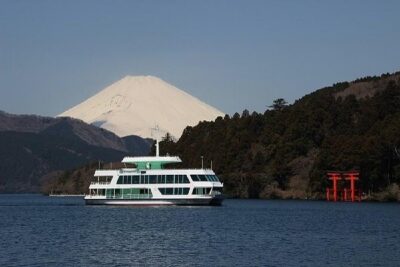
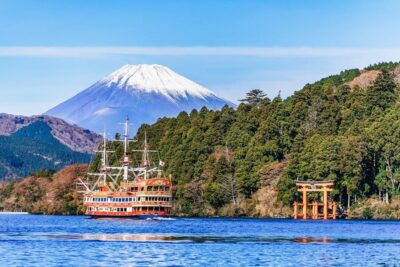
For the Hakone option, the tour description also includes a scenic pirate ship on Lake Ashi, with views of the Hakone Shrine torii gate floating in the water, plus possible Mount Fuji views depending on conditions. This is the moment that can feel like a movie set, especially when the lake is calm and the mountain is visible.
One practical tip: if you care most about photos, aim to keep your camera ready during the ferry and ropeway segments. Those are often the easiest times to capture wide angles.
Price and Value: Why a Private Day Costs $357
The price is $357 per group, for up to five people, and it’s a one-day trip. That may sound steep until you map what’s included.
Here’s the value math from your perspective:
- Private transportation in an air-conditioned van
- English speaking guide
- Hotel pickup and drop-off from multiple areas
- Professional photographer support
- Wi-Fi and bottled water
- Parking fees
Food and drinks are not included, and entrance fees are also not included. That’s the part to plan for. Still, if you’re splitting the cost among up to five people, you’re paying for convenience and expertise, not just seats on a bus.
The photo help is a serious value lever. If you’ve ever struggled to pose yourself in front of Mount Fuji, or spent time arguing with your phone camera, professional guidance can make a noticeable difference. And since this tour includes multiple Fuji and Hakone stops in one day, a private guide can help you use the time efficiently.
What the Best Guide Does for You (Not Just Where You Go)
A tour like this lives or dies on the guide’s judgment. Good timing beats good intentions.
Ahamed comes up in strong feedback for being attentive, communicative, and careful as a driver. People also describe him as flexible, tailoring the plan based on weather and what the group wants to prioritize. That matters because Fuji visibility can change fast. If the day is clearer in one area, your guide can steer you toward the better odds.
There’s also a cultural layer. In feedback, Ahamed was noted for explaining points about Fuji and temple sites in a way that adds meaning, not just facts on a signboard. For you, that means you’ll likely understand why these places are positioned the way they are, and what you’re looking at beyond the postcard.
The other thing I appreciate: he’s described as giving thoughtful food recommendations and even helping with kid-friendly pacing. In a private setup, those small adjustments are the difference between a stressful day and a smooth one.
Walking, Weather, and Comfort: The Stuff That Makes or Breaks Your Day
This tour includes moderate walking. You’ll be on your feet at Oshino Hakkai, around the pagoda area, at the shrine, and at the park gardens. You’ll also be moving through traditional home areas.
So pack for real walking, not museum walking. The tour suggests comfortable shoes, warm clothing, a hat, and sunscreen, and that’s good advice. Also bring your camera, since Fuji views and shrine architecture are exactly the kind of things worth photographing.
Weather is the biggest variable. The plan is designed for day trips, so if clouds move in or rain starts, you’ll still have things to enjoy, but the iconic Fuji views may be less reliable. This is where flexibility helps. A smart guide can adjust your time so you’re not wasting the best hours staring at a view that won’t show.
Who This Tour Suits Best
This tour is a strong fit if you want:
- A private group setup (up to five people)
- English guidance and a photo-focused approach
- Two regions in one day, Fuji first and Hakone after
- Flexibility, meaning you can spend more time where you’re getting good results
It can also work well for families. One booking highlighted success with a family of four including kids, largely because the schedule can be adjusted and the guide helps keep the day moving without chaos.
You might want to skip or reconsider if:
- You hate long drives and want only one region
- You have very limited mobility, since you’ll still do walking and scenic stop transitions even if the tour is wheelchair accessible
- You need a slow, unstructured day with lots of downtime. This is a packed route by design.
Should You Book This Fuji and Hakone Private Tour?
Book it if you want a high-efficiency day with a private English guide, photo support, and hotel pickup, and you’re happy to trade some downtime for a strong mix of Fuji viewpoints and Hakone geothermal scenery. The included Wi-Fi, air-conditioned van, and professional photography help make it feel smoother than trying to assemble this day on your own.
Don’t book it expecting perfect Mount Fuji views no matter what. Weather controls a lot of the best moments. What you can control is your willingness to be flexible, wear comfortable shoes, and let your guide adjust the timing.
FAQ
What is the duration of the Fuji and Hakone private tour?
The tour is listed as a 1-day experience.
How many people can be in the private group?
The price is for a group up to 5 people.
Where does pickup and drop-off happen?
Pickup and drop-off options include Fujiyoshida, Hakone, Yokohama, Saitama, and Tokyo. Pickup is possible from any place in Tokyo, Saitama, and Yokohama except Naita Airport.
Is there an English speaking guide?
Yes, the tour includes an English speaking guide.
Does the tour include transportation?
Yes. It includes private transportation in an air-conditioned vehicle, plus hotel pickup and drop-off.
Is Wi-Fi available during the tour?
Yes, the vehicle includes free Wi-Fi.
What does the tour include, and what does it not include?
Included: English speaking guide, professional photographer, air-conditioned vehicle with Wi-Fi, private transportation, parking fees, bottled water, and hotel pickup and drop-off. Not included: food and drinks, and entrance fees.
Which camera or photo help is provided?
You can take photos in connection with a professional camera, and the photographer guidance is part of the experience.
Is there walking involved, and what should I wear?
Yes, there is a moderate amount of walking. Wear comfortable shoes, and bring warm clothing, a hat, and sunscreen.
Is the tour wheelchair accessible?
Yes, it is listed as wheelchair accessible.
More Guided Tours in Fujiyoshida
More Tours in Fujiyoshida
More Tour Reviews in Fujiyoshida
Not for you? Here's more nearby things to do in Fujiyoshida we have reviewed

Hakone Day Trips, side by side.
 ★ 5.0Mt Fuji and Hakone 1-Day Bus Tour Return by Bullet TrainFrom $16326,383 reviews
 ★ 4.0Mt Fuji & Hakone Cruise, Drum Show Bullet Train 1 Day from TokyoFrom $1497,413 reviews
 ★ 4.4Tokyo Mt Fuji 5th St & Hakone Cruise Bus Tour w/Bullet TrainFrom $1545,024 reviews
 ★ 4.7Mt. Fuji Tour, Hakone Ropeway, Owakudani, Lake AshiFrom $544,002 reviews
 ★ 4.2Mt. Fuji 5th Station & Hakone Cruise 1-Day Bus TourFrom $1292,381 reviews
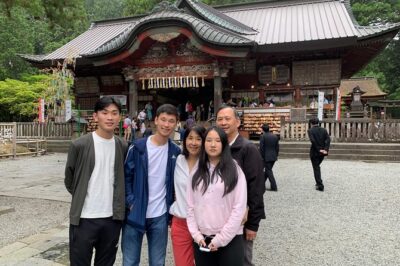 ★ 5.0Private Tour to Mt. Fuji and Hakone (Fully Licenced Operator)From $4971,910 reviews
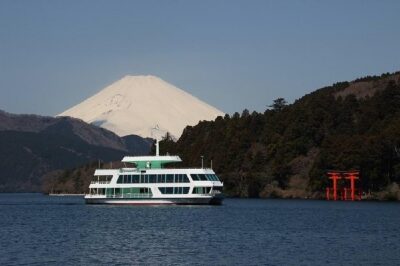 ★ 4.0Mt Fuji & Hakone Cruise, Drum Show Bus 1 Day from TokyoFrom $1221,287 reviews
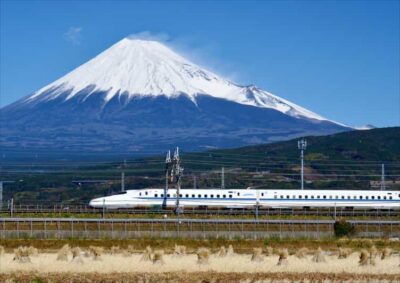 ★ 4.2From Tokyo: Mt. Fuji & Hakone Tour w/ Return by Bullet TrainFrom $1171,278 reviews
This tour also belongs to