
Review · MOUNT FUJI TOURS
Mt Fuji & Hakone Cruise, Drum Show Bus 1 Day from Tokyo
Fuji in one day, with far less stress. This Mt. Fuji and Hakone coach tour bundles the big hits, Lake Ashi cruise and Komagatake Ropeway, plus a stop at Mt. Fuji’s famous 5th Station. It is built for people who want a simple day plan from Tokyo, without juggling trains and buses.
I like that the itinerary is straightforward and “scheduled,” with round-trip air-conditioned bus service from central Shinjuku. I also like that key admission fees are included, so you are not constantly pulling out your wallet at every turn. And yes, the drum performance at lunch is a fun cultural bonus if the timing works out.
One possible drawback is weather. Even in peak season, Mt. Fuji views can be limited, and if rides or ropeways cannot operate, the tour swaps in alternatives instead of canceling. Go in with flexible expectations, and you will have a better day.
Key Points That Make This Tour Worth a Look
Shinjuku pickup at 8:10 am with a direct coach plan keeps the day simple
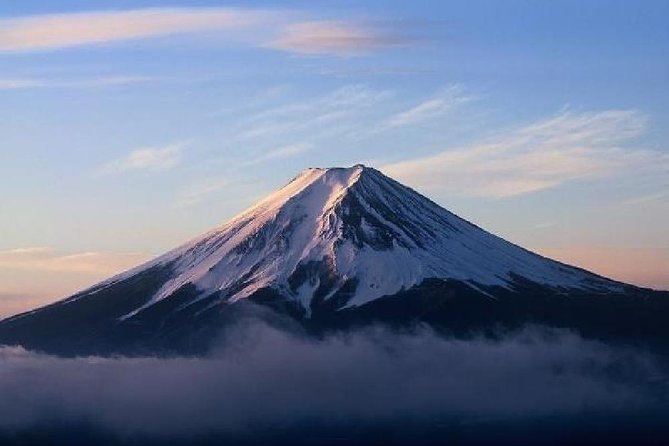
Mt. Fuji 5th Station sits at 2,300 meters, so it feels noticeably different from Tokyo
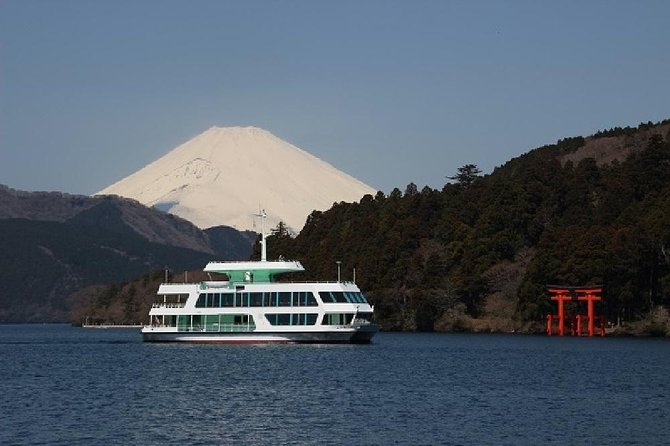
Lake Ashi cruise on the Sorakaze is short, but it is timed for the classic Fuji-photo moments
Komagatake Ropeway includes time at the top, with views over Hakone National Park
Lunch option includes meal choices plus a Japanese drum show, but the no-lunch option needs snacks
Weather swaps happen without drama, and the tour keeps moving even if the main sights are cloudy
A One-Day Coach Hit List: Fuji, Hakone, and Zero Train Hassle
This is not a loose “pick your own stops” day. It is a guided, clock-driven loop that takes you out of Tokyo and into the Fuji and Hakone area fast, then brings you back later in the evening. If you have limited time, that matters.
You start in Shinjuku at the JTB Sunrise Tours Sales Office (2-chōme-2-2 Nishishinjuku). From there, you ride an air-conditioned coach to the Fuji area, with a licensed English guide interpreter onboard. The pace is built around big visual payoffs, not museum hopping.
Also, this tour runs with a maximum of 44 people. That usually means you get group organization without the chaotic “everyone for themselves” feeling.
You can also read our reviews of more boat tours in Tokyo



Shinjuku Pickup, Comfort, and the 12-Hour Reality Check
Expect about 12 hours 35 minutes total, give or take with traffic and conditions. Your day begins at 8:10 am, and the finish is typically between 6 pm and 9 pm back around Shinjuku Station West, depending on your drop-off choice.
The bus is heated and air-conditioned for a reason. Even if it feels mild in Tokyo, Mt. Fuji and Hakone sit higher and the temperature can drop fast. The tour notes can be as low as -5°C in winter, and even in summer you might see a drop to around 14°C during the day. Bring layers, not just a light jacket.
One practical note: the tour mentions that if the group is large, transportation could be something other than a big bus. You still get coach service, but your comfort can vary a bit by vehicle size.
Mt. Fuji 5th Station: What You Get, and What Weather Can Steal
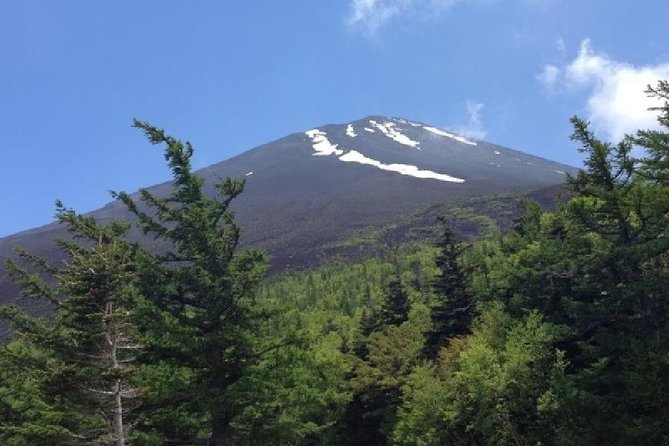
Mt. Fuji 5th Station is the emotional center of the day. It sits at 2,300 meters, so you get that high-altitude feeling immediately, even during the short visit. The tour time here is listed at about 30 minutes, and it is an admission-free stop.
What you do during that time is classic Fuji business. You can wander around the station area, including souvenir shops and torii gates and shrines that mark the mountain as a symbolic bridge between earth and the heavens. If you catch clear weather, this is where the iconic views happen.
Here is the honest part: weather can blunt the whole point. The tour is explicit that Mt. Fuji may not be visible even from the base, and in that case the tour will not be canceled and refunds will not be issued for that reason.
And if access is limited, the plan changes. The Fuji Subaru Line can close in winter from snowfall and freezing. If the Subaru Line is closed, or if the operator determines views may not be seen from the 4th and 5th Stations due to conditions, the guide will pivot you to alternatives such as Fujisan Museum, Lake Kawaguchi Oishi Park, Fujisan World Heritage Center, Itchiku Kubota Art Museum, or Oshino Hakkai. That is still a change of scenery, but it is not the same as standing on the mountain.
My advice: if Fuji visibility is your top goal, this tour is great, but treat it like a best-chance day, not a guaranteed postcard.
Lunch at Fuji Zakura Hotel and the Wadaiko Drum Show
Lunch is the main choice point on this tour. If you book the with lunch option, you head to Fuji Zakura Hotel for about 50 minutes. Tea or coffee comes with the meal.
The tour lists several meal styles: vegetarian, Muslim-friendly, and Indian thali. Vegetarian avoids meat and fish. Muslim-friendly avoids pork and alcohol, but it is not halal certified. The Indian thali is also listed as vegetarian and avoids meat and fish.
One more thing, and it is genuinely fun when you get it: at the lunch break area there can be a Japanese drum performance (wadaiko) by Social Welfare Corporation Fugakukai. The tour also notes the performance may not be viewable if you arrive late due to road conditions, or if the facility cancels without notice. There is also one hard date: the wadaiko performance will not be held on February 28, 2026.
If you choose the no lunch option, plan differently. The tour states meals are not included, and there are no cafes or restaurants near the lunch break area. That means you should eat earlier, or pack snacks before you leave Tokyo.
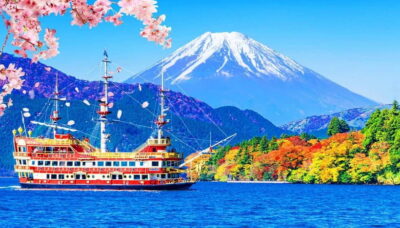
Lake Ashinoko on the Sorakaze: A Short Cruise With Big Photo Value
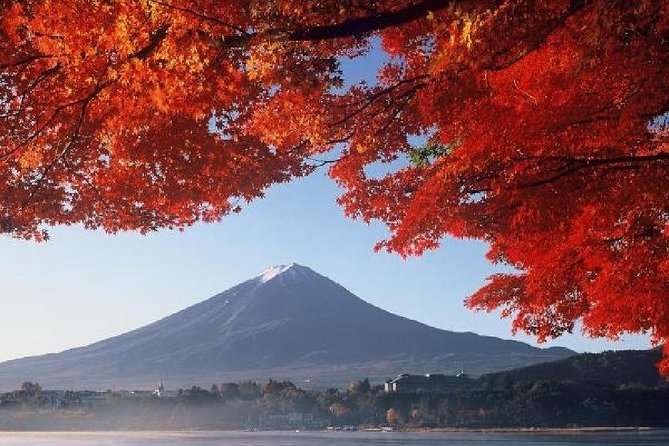
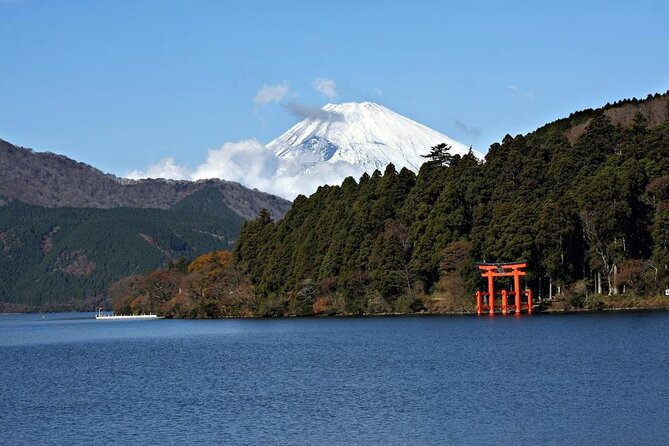
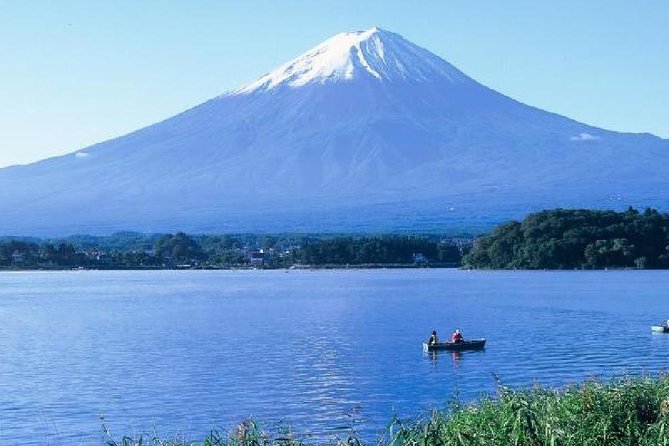
Lake Ashinoko is one of those places where the water and the mountain seem to collaborate. The tour takes you to the lake and boards the Sorakaze cruise ship.
The cruise time is listed at about 15 minutes, and admission is included. That is not a long floating day. It is more like a timed window for those wide views toward Mt. Fuji and nearby peaks, when the clouds cooperate.
This stop is also why the tour works for people who want both “nature” and “structure.” The bus day gets you to the right water, then you get a small, calming pause before the mountain cable car part of Hakone.
Weather can still affect the experience, though. If the Lake Ashi cruise cannot operate due to weather or road congestion, the tour swaps to other options such as an Appare Sightseeing Boat on Lake Kawaguchi, Hakone Pirate Ship, Hakone Ropeway, or even Owakudani. It keeps moving, but it will not feel identical.
More Tokyo tours and experiences for the shortlist



Hakone Komagatake Ropeway: Getting Higher for Clearer Views
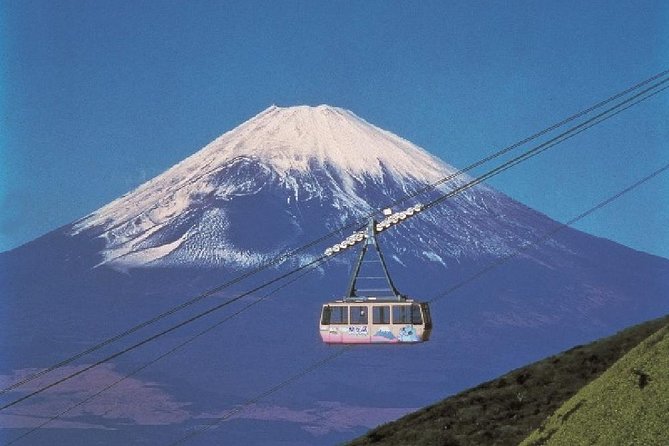
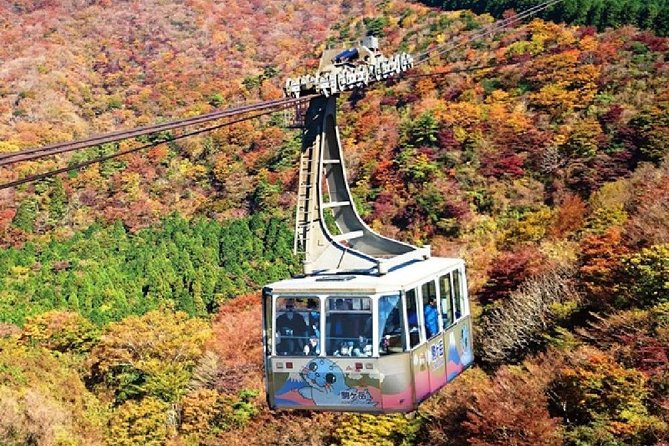
After the lake, you go to the Hakone Komagatake Ropeway. The schedule lists about 50 minutes at this stop, and admission is included.
Here is what you are doing: you ride the aerial tramway up the mountain to the summit area, with access connected to a shrine. The description specifically mentions Hakone Shrine Mototsumiya at the mountaintop. You also get that classic “Hakone views from above” effect, with visibility toward Fuji, the Izu Peninsula, and even the Izu islands on clearer days.
It is a smart pairing with Lake Ashi. The cruise gives you Fuji-in-the-distance energy. The ropeway shifts you to a higher vantage point where you can see more of the Hakone National Park area at once.
If the ropeway cannot operate, the tour states it will guide you to alternative facilities, including options like Hakone Ropeway, Hakone Jukkokutoge Panoramic Cable Car, Owakudani, Hakone Shrine, or additional museums and checkpoints depending on conditions.
Price and Value vs DIY Trips
At $122.55 per person, this tour is priced for convenience. You are paying for a full-day plan with a guide interpreter, round-trip coach transportation, and admission fees included.
That added value matters because Fuji and Hakone are not a quick hop from Tokyo. Even if you can DIY it, you still spend time figuring out routes, buying tickets, and managing transfers. This tour reduces that friction with one coordinated pickup and drop-off.
Also, the itinerary hits several paid experiences, not just lookouts. The cruise and ropeway admissions are part of the package. And if you pick the lunch option, lunch itself and the show component can add value.
Now, for balance: weather can shrink what you actually do. Mt. Fuji visibility is not guaranteed, and the tour does not cancel for that. One person described a snow road closure scenario where the main attractions were replaced and the refund felt too small. That is the risk you take with any single-day plan that depends on mountain access and operating conditions.
So think of the price as paying for structure and included admissions. When the day works, it is good value for time. When the day goes sideways weather-wise, it still tries to keep you busy, but not every substitute matches the original highlights.
Guide Style Matters: From Nao and Hiro to Joe and Miko
The guide can make or break a long day. The tour includes an English guide interpreter, and the difference in energy shows up strongly in the experiences people shared.
Names that come up positively include Nao, Hiro, Joe, Miko, Ito San, Toshi, and Marie. In those stories, the guides were described as engaging, helpful, and good at keeping the day moving. On top of that, some people loved the drummers as a cultural “okay, we are doing Japan now” moment.
There is also a caution sign. One person felt a guide was unpleasant and kept reading from notes in a monotone. Another felt the visits were too rushed and did not love the time distribution.
What should you do with that? Go in with a mindset that the schedule is tight. If you truly want slow exploration at one stop, you may prefer a private or multi-day plan. This tour is built for coverage, not lingering.
Also, one practical tip from the tour structure: bring warm clothes and be ready for short viewing windows. If you treat the stops like quick chapters in a book, you will get more satisfaction than if you expect a long Fuji hike time.
Should You Book This Mt. Fuji and Hakone Day Trip?
I would book this if you want a single-day, guided way to hit Mt. Fuji’s area and Hakone without the transport headaches. It is a solid fit for first-timers in Tokyo, people short on time, and anyone who likes the idea of a planned day with included admissions.
I would think twice if you are ultra-sensitive to weather disappointment or if you need lots of time to explore one location. The time at Mt. Fuji 5th Station is about 30 minutes, and the cruise is about 15 minutes. That can feel perfect or too short, depending on your travel style.
If you do book, do one simple thing that pays off: pack layers and keep expectations flexible. You are buying a best-effort day out of Tokyo, with great views when conditions cooperate and smart substitutions when they do not.
FAQ
What time does the Mt. Fuji and Hakone tour start, and where is the meeting point?
The tour starts at 8:10 am at the JTB Sunrise Tours Sales Office, 2-chōme-2-2 Nishishinjuku, Shinjuku City, Tokyo.
How long is the tour?
The duration is listed at about 12 hours 35 minutes (approximately).
How many people are on the tour?
The tour states a maximum group size of 44 travelers.
What is included in the price?
The price includes an English guide interpreter fee, round-trip air-conditioned heated bus, and admission fees. Lunch is included only if you select the with lunch option.
What lunch options are available, and what if I choose no lunch?
With the with-lunch option, you eat at Fuji Zakura Hotel for about 50 minutes and choose among vegetarian, Muslim-friendly, or Indian thali meals. If you choose no lunch, meals are not included, and the tour notes there are no cafes or restaurants near the lunch break area, so you should bring snacks or plan food in advance.
How long do you spend at Mt. Fuji 5th Station?
You get about 30 minutes at Mt. Fuji 5th Station, at roughly 2,300 meters elevation.
What happens if the Fuji Subaru Line is closed or Mt. Fuji views are poor?
If the Subaru Line is closed, or if conditions make views unlikely from the 4th and 5th Stations, the guide will take you to alternative facilities such as Fujisan Museum, Lake Kawaguchi Oishi Park, Fujisan World Heritage Center, Itchiku Kubota Art Museum, or Oshino Hakkai. The tour will not be canceled for these reasons, and refunds are not given for lack of visibility.
What if the Lake Ashi cruise or Komagatake Ropeway does not operate?
If those parts cannot run due to weather or road conditions, the tour guides you to alternative facilities, and the tour will not be canceled or refunded for that reason. Examples include Appare Sightseeing Boat on Lake Kawaguchi, Hakone Pirate Ship, Hakone Ropeway, and Owakudani.
Is there a multilingual audio guide available?
Yes. GPS-enabled audio guides in Chinese, Spanish, Italian, Thai, and French are available only for Shinjuku departure. You need to request it at booking, and availability is limited.
Are children or service animals allowed, and how does free cancellation work?
Service animals are allowed. Children up to 5 years old can join free of charge but do not get a provided bus seat or lunch. For cancellations, you can cancel for a full refund up to 24 hours before the experience start time; canceling later is not refunded.
More Shows & Entertainment in Tokyo
More Boat Tours & Cruises in Tokyo

More Tour Reviews in Tokyo




Not for you? Here's more nearby things to do in Tokyo we have reviewed












Mount Fuji Tours, side by side.
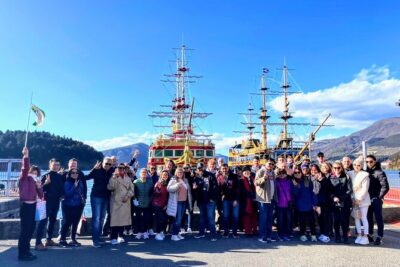 ★ 5.0Mt Fuji and Hakone 1-Day Bus Tour Return by Bullet TrainFrom $16326,383 reviews
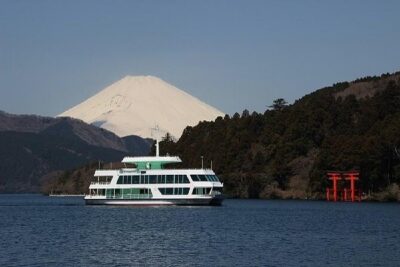 ★ 4.0Mt Fuji & Hakone Cruise, Drum Show Bullet Train 1 Day from TokyoFrom $1497,413 reviews
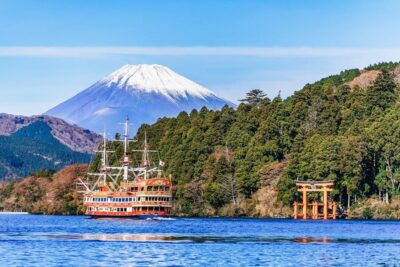 ★ 4.4Tokyo Mt Fuji 5th St & Hakone Cruise Bus Tour w/Bullet TrainFrom $1545,024 reviews
 ★ 4.5From Tokyo: Mount Fuji Full-Day Sightseeing TripFrom $684,970 reviews
 ★ 4.7Mt. Fuji Tour, Hakone Ropeway, Owakudani, Lake AshiFrom $544,002 reviews
 ★ 4.2Mt. Fuji 5th Station & Hakone Cruise 1-Day Bus TourFrom $1292,381 reviews
 ★ 4.7Mt Fuji Top 5 Spots Day Tour: Arakurayama Park,Oshino HakkaiFrom $532,066 reviews
 ★ 5.0Private Tour to Mt. Fuji and Hakone (Fully Licenced Operator)From $4971,910 reviews
This tour also belongs to