
Review · MEIJI SHRINE TOURS
Join a Unique Cultural Ceremony at Tokyo’s Meiji Shrine
One forest walk, then a sacred prayer. At Tokyo’s Meiji Jingu, you get the quiet nature break and the rare gokito access most visitors never see, led by an English fluent guide connected to the shrine. I love the calm, sensory walk through the forest path, and I love stepping into a ceremonial hall where priests chant with flutes and drums. The main drawback to plan around is the amount of walking, since Meiji Jingu covers ground and may not suit everyone.
The feeling here is different from typical shrine sightseeing. You are not rushing photos or trying to catch the biggest landmark. You are slowing down, breathing, and learning what you are watching as the ceremony unfolds.
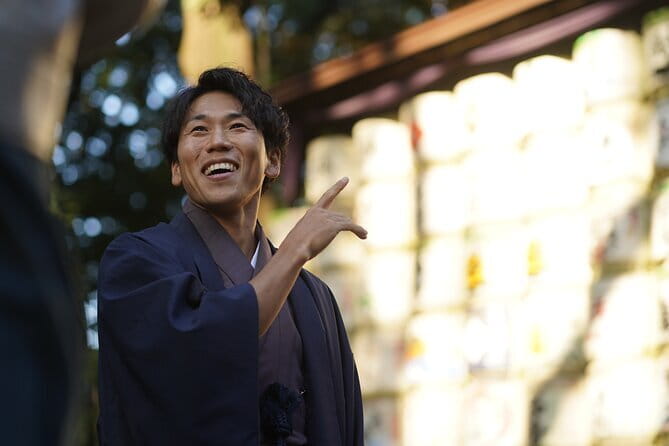
Guides such as Alex and Kohei have been highlighted for clear English, engaging explanation, and kind attention. That matters because the shrine can look simple at a glance, but the ritual has layers, and a good guide helps you actually understand what you are seeing.
Key things that make this tour worth your time
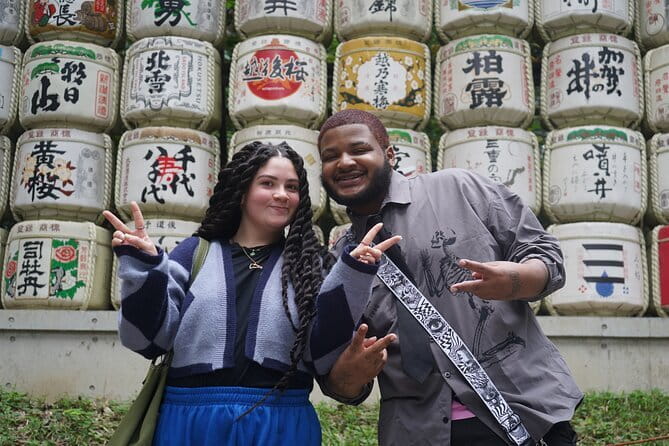
- A forest-first start at Meiji Jingu: City noise fades fast once you move onto the shrine’s wooded paths.
- Exclusive gokito ceremony access: You get to witness a traditional Shinto prayer ceremony most people never encounter.
- English guidance with official shrine ties: You hear what it means, not just what to look at.
- A sensory ceremony setting: A wooden hall with high ceilings, polished floors, and the scent of cypress.
- Sound matters here: Priests chant while flute and drum music echoes through the space.
- Bring cash for offerings and goods: The offering coins are not included, so you will want yen on hand.
A forest escape you can feel in your lungs
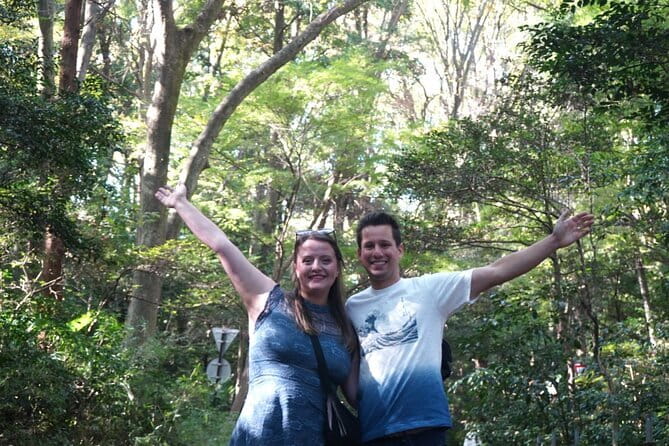
Meiji Jingu is one of Tokyo’s most iconic spiritual stops, but it can also be crowded and fast-moving if you just show up and rush to the main shrine. This tour changes the pace early by getting you moving through the forest paths first. You get space to breathe. You hear nature instead of traffic.
That walking matters more than you might expect. The shrine grounds are designed to be a gradual transition. As you move deeper in, you naturally slow your body and your attention follows. I like that this tour leans into that idea, so the shrine feels like a place you arrive at, not a checklist item.
You should come with comfortable shoes. The route involves a lot of walking. If you have any difficulty with mobility, plan carefully. The good news is that a wheelchair and pram are available, but the experience still covers enough ground that it may not work for everyone.
You can also read our reviews of more tours and experiences in Tokyo.



Why the meeting point at JR Yoyogi matters
You start at JR Yoyogi station. The instructions are straightforward: walk outside the WEST gate, and look for the map on the left. Legit Japan staff will be waiting for you dressed in a Japanese style outfit.
This is practical because Yoyogi is a busy station. The clearer the meeting point, the less time you waste trying to regroup. Also, meeting at a train hub makes it easier to fit into the rest of your Tokyo plan, whether you are staying in Shibuya, Harajuku, or farther out.
The tour ends back at the meeting point. That is helpful if you want an easy handoff to dinner plans. You do not get pushed into a complicated end location.
Entering the ceremonial space for gokito
The centerpiece is witnessing a Shinto prayer ceremony called gokito. If you have visited shrines before, you might think you already know what to expect. But this is not a quick look at an altar.
You step into a traditional wooden hall with high ceilings and polished floors. You may notice the scent of cypress in the space, and that detail is not just atmosphere. Smell, sound, and stillness combine to shape how you experience the ritual.
Inside, priests in traditional robes perform an ancient prayer. As they chant, flutes and drums echo through the hall. The overall effect is both structured and intimate. You do not need to catch every word to follow what is happening. The flow is in the rhythm of the chant, the timing of the actions, and the quiet around you.
Some people feel deeply calm. Others get chills. Either way, it tends to be the kind of moment that follows you after the tour because you cannot replicate it from behind a screen.
Practical note: audio recording is not allowed. That means you should plan to experience it with your ears and eyes, not with your phone.
What your guide actually changes about your understanding
A ceremony like gokito can feel mysterious if you only see it as a performance. The value here is how your guide frames it in plain language.
The tour includes an English fluent guide with official Meiji jinguu membership, and the explanations are designed to connect Japanese culture to what you may already know about spirituality, ritual, and respect. Guides such as Alex and Kohei have been praised for thoughtful guidance, engaging explanations, and kindness.
I especially like this part because it turns silence into information. When you know what a ritual is doing, you stop guessing. You start noticing. That is how you end up feeling like you understand the experience, not just observed it.
Also, the guide is not limited to facts. They often share cultural context that helps after the tour too. One neat benefit reported is how learning the ritual helps people enjoy shrines later in Kyoto, because they travel with a better sense of what they are seeing.
The quiet walk back out, and why it matters
After a ceremony like this, the natural reaction is to keep watching everything quickly. But the shrine already teaches the opposite.
This tour includes time around the grounds, letting the experience settle. You walk away with a different mindset. You notice details you might have walked past before: how people behave, how the space feels, and how the environment supports the ritual.
One review also mentioned a Japanese snack at the end of the experience. Even if you are not expecting food, that final stop can help you return from “ceremony mode” to normal travel mode without feeling abruptly cut off.
If you like having a small taste of local culture tied to your tour, this part is a nice touch.



Offerings, coins, and the practical side of being respectful
Shinto rituals often involve small offerings. The key practical detail is that coins for the offering box are not included, and you will also want cash for any goods you choose to buy.
This is why bringing cash is part of the instructions. If you show up without yen, you can still participate respectfully, but you may miss the chance to do the offering element in the way the ceremony expects.
Think of it like this: Meiji Jingu is not asking you to be an expert. It is asking you to follow the rhythm of the place. Having the right coins helps you do that without last-minute stress.
Price and value: what $121 really buys you

At $121 per person, you are paying for more than a guide and a shrine entrance. The price includes:
- all fees and taxes
- the fee to experience the traditional Japanese praying ritual
That ritual access is the main value driver. Regular visitors usually see the shrine from the outside. Here, you get access to a sacred Shinto ceremony that is rarely available to the public. If you care about authenticity and not just sightseeing, that access can be worth a lot.
Also consider the language factor. You are not relying on a vague audio guide. You get an English fluent explanation from a guide connected to the shrine. For many people, that turns the experience into something they can carry forward, instead of a short moment they forget a week later.
Not included items are also fairly clear. You are on your own for offering coins and for any goods. That transparency helps you plan.
Bottom line: if your goal is a meaningful, uniquely Japanese start to your Tokyo trip, this price tends to make sense.
Logistics and rules that affect your comfort
This is a calm, authentic experience, but it comes with a few rules.
- Not allowed: intoxication, alcohol and drugs, and audio recording.
- Bring: comfortable shoes, drinks, and cash.
- Language: English and Japanese.
- Walking: Meiji Jingu requires a lot of walking. Wheelchair and pram are available, but the overall route may still be challenging if you have mobility limitations.
- Health note: it is not suitable for people with a cold.
If you are sensitive to cold or you are traveling while fighting a lingering illness, this is the time to be honest with yourself. The ceremony setting is quiet and indoor, and you do not want to feel unwell during it.
Who this tour fits best
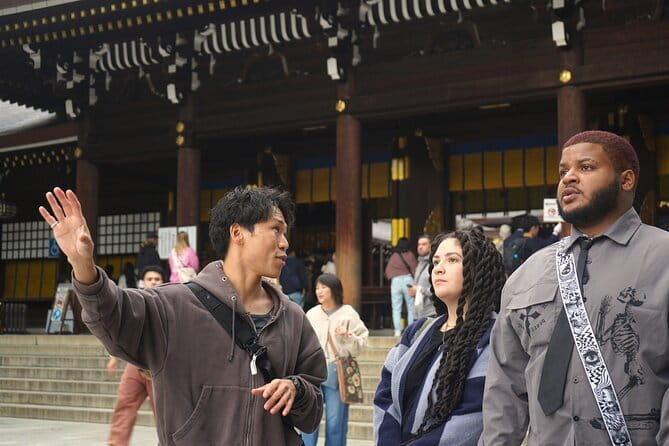
This is a strong match for:
- first-time or second-time visitors who want more than sightseeing
- people who like thoughtful moments and calm cultural experiences
- anyone curious about Shinto rituals and how people actually experience them
It also helps if you appreciate the idea that travel is not only about seeing places, but about understanding them. The guide’s explanations are what make the ceremony feel meaningful rather than random.
If you want a fast, high-energy day of photo stops, you might find it slower than you expect. This is quiet. You sit. You listen. You pay attention.
Should you book this Meiji Jingu ritual tour?
If your ideal Tokyo day includes a forest walk, a real Shinto ceremony, and a guide who can translate the meaning, I think you should book it. The combination of nature, ceremony access, and English explanation is exactly the kind of value that is hard to recreate on your own.
If mobility is a concern or you are traveling with a cold, I would be cautious. You want to be able to enjoy the walking and settle into the quiet hall without feeling rushed or uncomfortable.
For the rest of you, this is one of those rare experiences that makes shrines feel different, not just impressive.
More Tour Reviews in Tokyo
Not for you? Here's more nearby things to do in Tokyo we have reviewed












Meiji Shrine Tours, side by side.
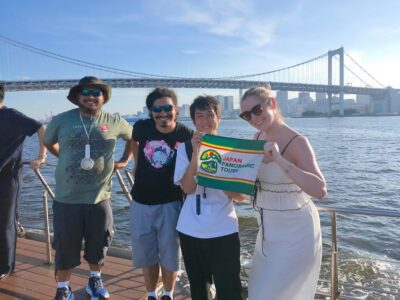 ★ 4.7Meiji Shrine, Asakusa, Skytree Bus Tour and CruiseFrom $1221,986 reviews
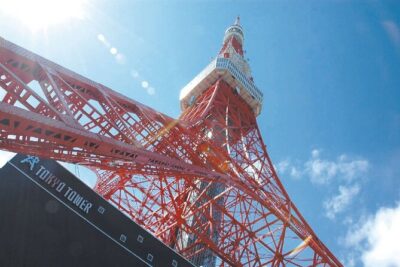 ★ 4.5Tokyo Panoramic 1 Day: Meiji Shrine, Asakusa, Odaiba and SKYTREE®From $851,222 reviews
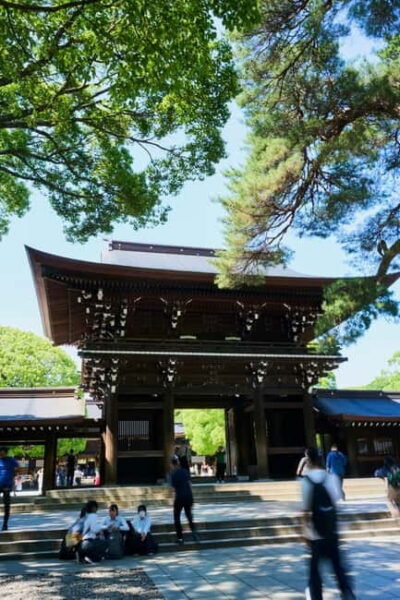 ★ 4.9Meiji Shrine Walking Tour — Shinto & Imperial SystemFrom $23266 reviews
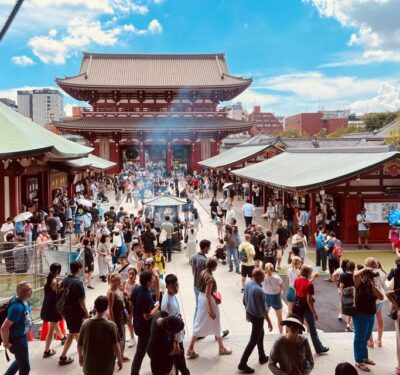 ★ 5.0Meiji Jingu Shrine and Shinto Culture Walking TourFrom $19245 reviews
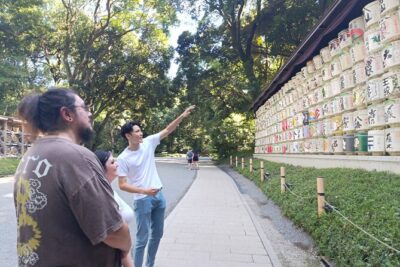 ★ 5.0Meiji Shrine and Shinto Culture Walking TourFrom $18225 reviews
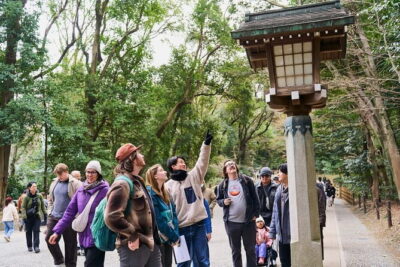 ★ 5.0Meiji Shrine Walking Tour — Shintoism & Imperial SystemFrom $21209 reviews
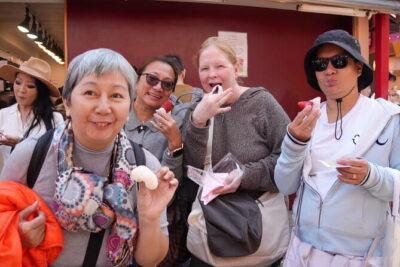 ★ 5.0Tokyo Morning Tour : Meiji Shrine, Asakusa and Fish MarketFrom $72102 reviews
 ★ 5.0Full Tokyo: Meiji Shrine, Imperial Palace, Asakusa & SkytreeFrom $3978 reviews
This tour also belongs to