
Review · TOKYO
Premium 14-Piece Sushi & Cultural Discovery with Chef Interaction
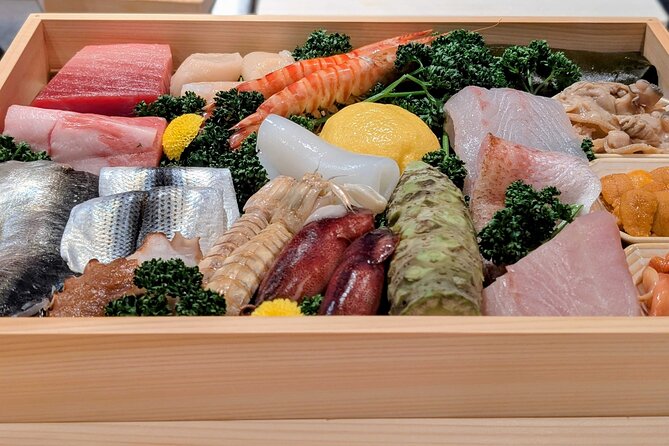
Chef-counter sushi lessons are surprisingly fun. This small-group Tokyo experience puts you right at the rhythm of an Edomae sushi chef, with an English-speaking guide seating you in the chef’s area and walking you through what matters in sushi. You also get a 14-piece premium omakase built around real technique, not just a meal.
I love the live Edomae technique demos and the premium-vs-standard tastings that make the differences in rice, wasabi, and ingredients feel obvious. One consideration: drinks are not included, and the operator says they cannot accommodate allergies or dietary restrictions tied to rice, soy, or seafood.
Key things that make this sushi tour special
- 14 pieces of premium sushi (about 2 hours, up to 2.5 hours), so you are not rushing through a token tasting
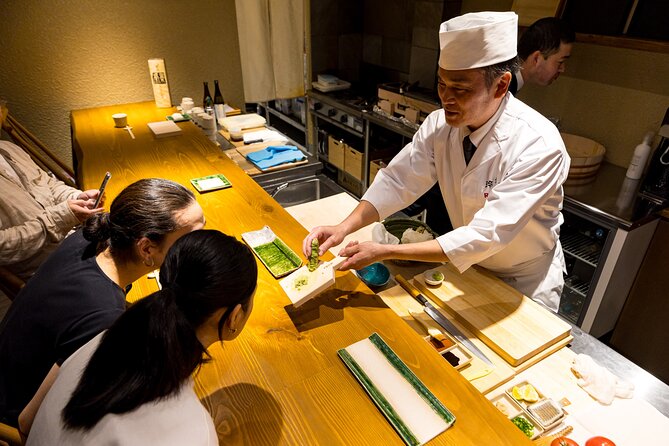
- Chef interaction at the counter, with demonstrations of searing, simmering, marinating, and wrapping
- Comparative tastings that show how standard versus premium choices change flavor and texture
- Wasabi and rice lessons, including freshly grated wasabi versus standard paste and how rice preparation affects taste
- Behind-the-counter workspace visit plus exclusive photo opportunities in the chef’s workspace
- Max 5 travelers, which keeps the vibe intimate and makes it easier to ask questions
Why a chef-counter sushi lesson in Chiyoda feels different
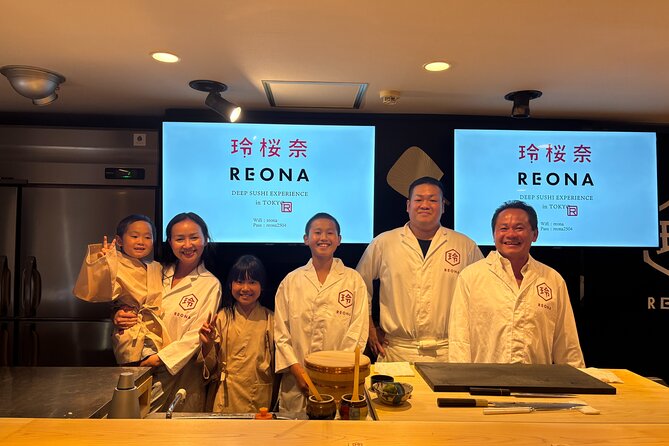
Tokyo has no shortage of sushi meals. What you do not get every day is the chance to watch a professional chef work up close and then have it explained in plain English while you taste along.
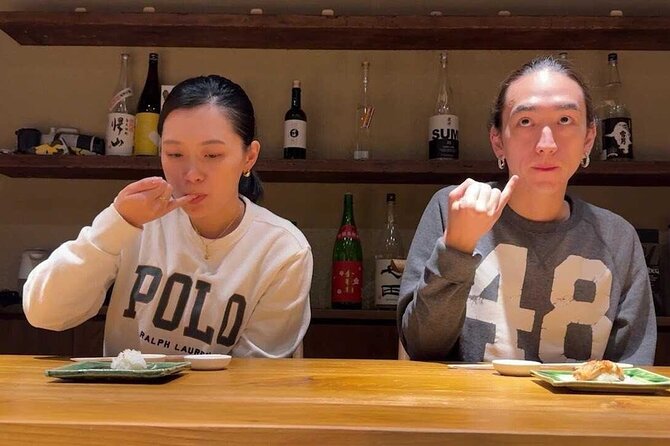
This experience centers on a small-group format (maximum 5), and it starts with a guide welcoming you and getting you seated at the exclusive chef’s counter. That matters because sushi is mostly about small decisions: heat level, timing, rice texture, and the way toppings meet the rice. Sitting where you can see the motions makes those decisions easier to understand.
I also like that the focus is not only on eating. You are there to learn the logic behind the craft, including tools and ingredients, then to test it with your palate using the tasting comparisons.
You can also read our reviews of more tours and experiences in Tokyo.



The 14-piece omakase course, and what you should expect to taste
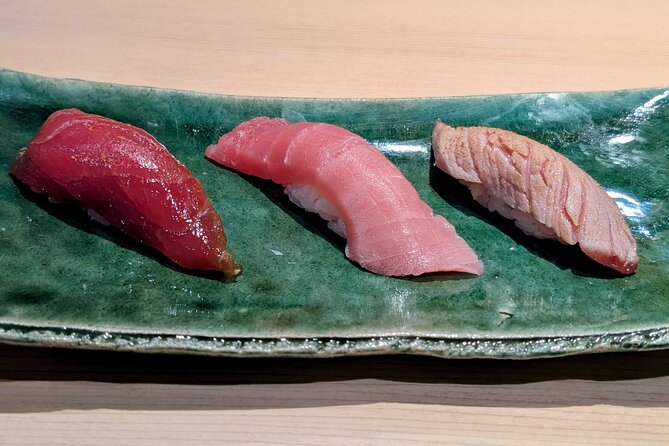
You will eat a 14-piece omakase sushi course, presented as a premium tasting rather than a quick sample. The experience is timed at about 2 hours, with the standard plan listed as up to 2.5 hours at most. That pacing is a good fit if you want a full sushi education without turning the evening into a marathon.
The tour also includes extra tasting moments where you compare sushi made from premium versus standard ingredients. That is the part that turns the meal into a lesson you can carry home. Instead of thinking, This tastes good, you start noticing the why.
One practical thing to plan for: this is an adult sushi course only. If you book the child plan, your child receives a kids meal, not the 14-piece sushi course, and seating is not at the counter.
The Edomae techniques you see, and why they matter on your tongue
This is built around chef demonstrations of essential Edomae techniques, and you are guided while it happens. You should expect the chef to show how key steps work in real time, including:
- Searing and simmering
- Marinating
- Wrapping
Even if you are not a sushi nerd, these terms matter because they connect to texture and flavor. Searing tends to bring out a deeper surface flavor. Simmering shifts the taste profile over time. Marinating can add a layered sweetness or salt balance, not just one blunt seasoning note. Wrapping, in turn, is where you learn how chefs manage structure and neatness without crushing the delicacy.
What makes this useful is that you are not only watching. You also participate in special comparative tastings throughout the meal, so you can connect each technique to what you taste next. That sequence is why the experience feels educational instead of performative.
Premium vs standard comparisons, including rice and wasabi
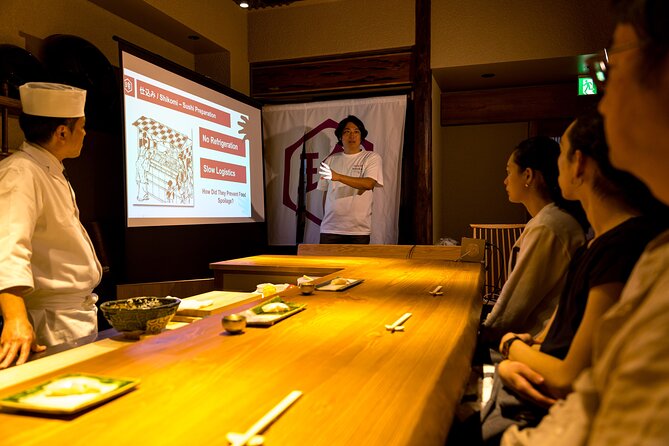
One of the strongest parts of the experience is the way it turns invisible variables into something you can pick up fast. You will do comparisons that make you notice subtle differences.
Here are the comparisons that are explicitly part of the experience:
- Differences between sushi made with premium versus standard ingredients
- How variations in rice preparation change flavor
- Authentic freshly grated wasabi compared with standard wasabi paste
That rice lesson is big. Sushi rice is not just filler, it is a flavor system. When the chef explains how rice is handled and when you taste the differences, it becomes much easier to understand why some sushi tastes clean and balanced, while other sushi tastes a little flat or heavy.
The wasabi comparison also hits a real nerve. Freshly grated wasabi typically feels sharper and more aromatic, not just spicy. Wasabi paste can be easier to find and consistent in flavor, but it often does not deliver the same experience in the mouth. Trying both, in order, helps you map what changes and what stays the same.
Tools, ingredients, and the kind of details you usually miss
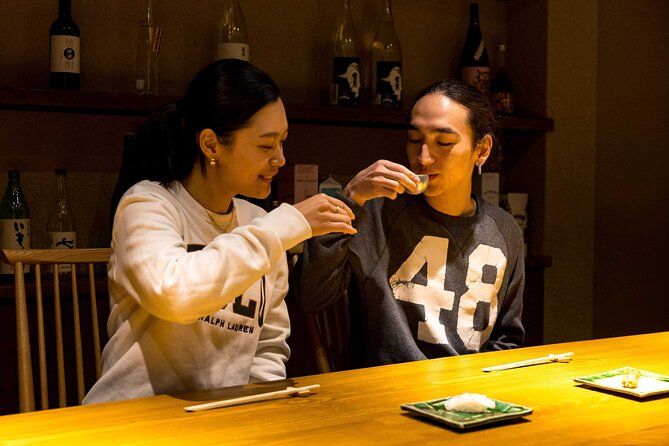
A big reason people love this tour is that it does not treat sushi as a mystery box. The guide and chef explain authentic sushi chef tools and equipment, and you get insights into the tools and ingredients behind the scenes.
This is where the experience can feel more like a craft workshop than a restaurant meal. Even if you never plan to cook sushi yourself, you start seeing how professionals work: what tools they rely on, why they matter, and how ingredient choices affect the result.
Also, the tour includes an English-speaking guide, which makes the difference between watching movements and understanding them. You get the practical context while you are still sitting there ready to taste.



Behind-the-counter time and the photo moment you will want
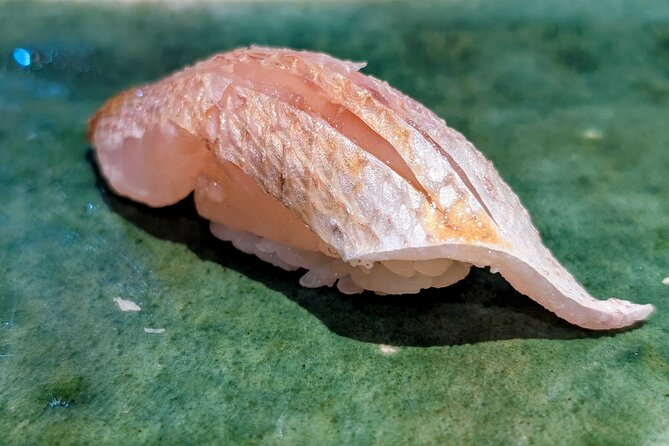
One of the most memorable extras is that you get to step behind the sushi counter into the chef’s workspace for exclusive photo opportunities. That is not a gimmick in this case. It helps you understand the setup that supports the food.
Seeing the workspace after you have watched the technique demos can click your understanding into place. It also gives you photos that feel more meaningful than a quick selfie at the table, because you are capturing the work area that usually stays out of sight.
If you care about photos, treat this as your cue to slow down. You will likely want to take a few shots, then return to the meal without hovering too long.
Sake and drinks: what is included, what is optional
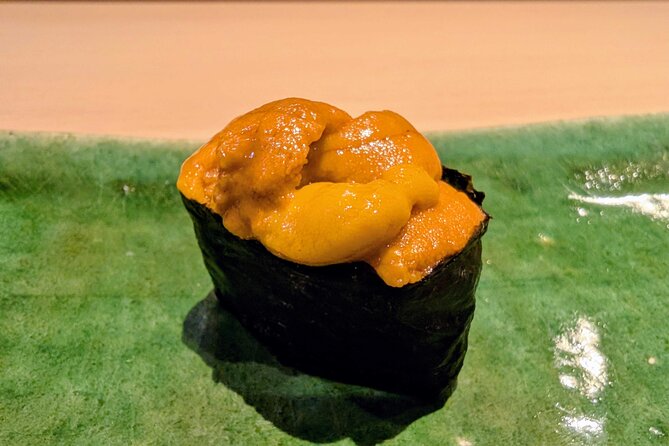
The sushi course is included, but beverages are not. The experience notes that you can order sake pairings after arrival, or choose soft drinks.
This is the part where you should plan based on your appetite for extra spending. If you want sake, decide early, because you are in a sequence-based tasting. Pairing can be a fun way to experience how flavors change when you add another element. But if you are travel-light or keeping costs down, you can still do the full sushi learning focus without alcohol.
Either way, I suggest you arrive ready to commit to the food first, then add drinks if the mood hits. The meal is designed to educate your palate, and the pace supports that.
The route through Chiyoda, Kanda, and Akihabara areas
Your tour route includes stops around Chiyoda, Ochanomizu, Akihabara, Kanda, and the Kanda Jimbocho bookstore area. The experience also lists the meeting point in Kanda Surugadai, Chiyoda City.
While the key event is the chef-counter sushi session, this neighborhood walk or transit between area pins can be useful if you are pairing the experience with a first-time Tokyo layout. You get a sense of where Kanda and nearby districts sit in the city.
Practical tip: wear shoes that work for short walks. Even if the time outdoors is not long, you will be moving between points, and a smooth route makes the whole experience feel easier.
Group size and pacing: why this works best for first-time sushi fans
With a maximum of 5 travelers, the pacing stays comfortable. You are not competing for attention, and you have time to ask questions when something feels confusing.
The 2-hour structure also helps. This is long enough for a full 14-piece tasting and multiple comparison moments, but short enough that you will not feel stuck when you finish. It is a sweet spot if you want a guided sushi education without eating your entire evening.
Families and kids room: how to choose the right plan
If you are traveling with kids, this is one of the rare sushi experiences that has a kids-friendly option built in. The tour notes a Kids’ Room available for children up to 12 years old. Kids booked under the child plan get a kids meal, and they are not seated in the chef-counter experience.
Important detail: the child plan does not include the full 14-piece sushi course. If your child wants to enjoy the full sushi course at the counter alongside adults, you need to book under the adult plan.
So here is the decision rule:
- If you want your child to have a safe, supervised space while adults enjoy the counter, book the child plan.
- If you want a true family counter experience and your child can handle the adult course pacing, book adults at the counter.
Food limits to know before you go
This experience has clear limits around dietary needs. The operator says they are unable to accommodate allergies or dietary restrictions related to rice, soy, or seafood.
So if you have a known allergy or strict diet in those categories, do not assume you can swap items. The safest move is to check with the provider before booking and be honest about what cannot be eaten.
If your diet issue is not in those categories, you might still find it workable, but you should confirm details directly based on the restrictions stated.
Price and value at about $171 for 2 hours
At $171.73 per person, this is not a budget sushi meal. But it also is not overpriced for what you are getting, especially in Tokyo where “just eat” omakase can be much more expensive.
Here is why the value can feel strong:
- You get a full 14-piece premium sushi course, not a small sampler
- You get guided explanations about tools, ingredients, and Edomae technique steps
- You get built-in comparisons: premium vs standard, rice preparation, and wasabi type
- You get behind-the-counter workspace access and photo opportunities
- You get English support throughout, which upgrades the entire experience
Also, the small group size (max 5) is part of what you pay for. That intimacy is what makes the educational parts feel personal instead of rushed.
If your travel style is “I want one great meal that teaches me something,” this price can make sense. If you only want to eat without the learning or demos, you might decide a simpler sushi meal is a better use of money.
How to make the most of the experience
Here are a few practical moves that help:
- Go in hungry enough for 14 pieces, but do not overdo it right beforehand. The course is structured so each piece and comparison lands in sequence.
- If you care about technique, pay attention when the chef explains steps like searing, marinating, and wrapping. Those words are your map.
- If you want sake, consider trying it after you arrive so it does not slow down the early learning moments.
- Bring a camera or phone for the behind-the-counter photo opportunity, since that is explicitly included.
If you are worried you will not like fish, take heart. One review described going even without liking fish normally, and still enjoying every dish. That does not mean every person’s taste is the same, but it suggests the chef experience is enjoyable even when you are not a hardcore fish fan.
Should you book this chef-counter sushi experience?
I think you should book this if you want more than a meal. You want the how, not just the what: technique demonstrations, premium-vs-standard tastings, and the rice and wasabi comparisons that turn sushi into a real lesson you can remember.
Skip it only if one of these applies:
- You need special dietary accommodations involving rice, soy, or seafood, since the tour states they cannot accommodate those restrictions.
- You want drinks included in the price, because beverages are not part of the package, and you would need to order sake pairings after arrival if you want them.
- You prefer casual dining with no structure at the counter, since this experience is designed as an educational tasting with chef interaction.
If those do not apply, this is a smart pick for a first Edomae-style sushi lesson in Tokyo, especially because it blends food, craft, and explanation in a tight two-hour window.
FAQ
How long is the sushi experience?
It runs for about 2 hours, with the standard course listed as up to 2.5 hours maximum.
How many people are in the group?
The experience has a maximum of 5 travelers.
What food is included?
You get a 14-piece premium omakase sushi course, plus ingredient and technique comparison tastings.
Are drinks included?
No. Alcoholic beverages are not included, but you can order sake pairings after arrival, or soft drinks upon arrival.
Can children join the chef-counter experience?
Child bookings include access to the Kids’ Room and a kids meal, not the 14-piece sushi course. For the counter experience, you need to book under the adult plan.
Are there restrictions for allergies or dietary needs?
The operator states they are unable to accommodate allergies or dietary restrictions related to rice, soy, or seafood.
Where is the meeting point?
The start point is 3-chōme-3-6 Kanda Surugadai, Chiyoda City, Tokyo 101-0062, Japan. The activity ends back at the meeting point.











