
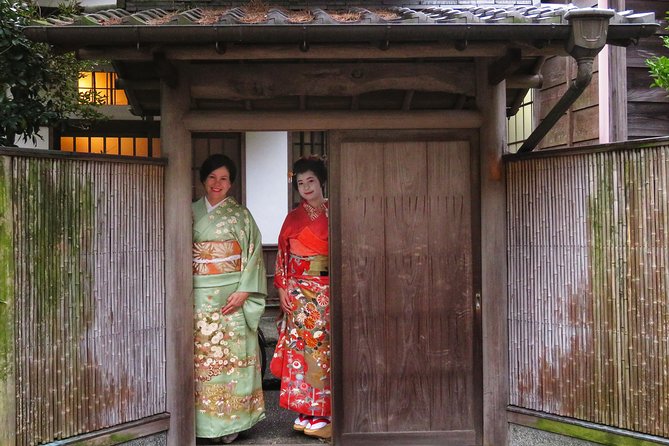
Review · TOKYO
Watch the Young Geisha do their makeup and Get Ready!
Tokyo is rarely this close to geisha life. In a traditional kimono room, you watch a young geisha apply oshiroi white makeup and choose her outfit for work, which is exactly the kind of access most visitors never get. I also like the max eight people format because it feels personal, not rushed. The main drawback to think about is that the time on your confirmation can be a broad window, and this experience is non-refundable, so you need to be sure you know when to show up.
This one-hour experience is run by Sayuki and takes place at 1-chōme-26-7 Tomioka, Koto City, Tokyo. Your ticket is tied to a charity project supporting young geisha during training in their first year and helping revive the Fukagawa geisha district. If you want a focused look at the craft behind the look, this fits well.
Key things to know before you go
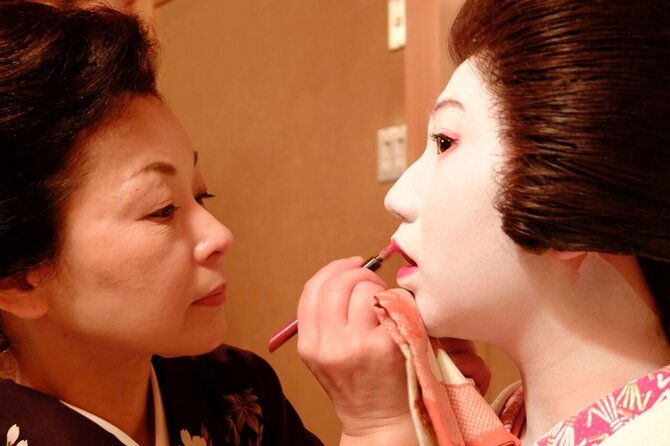
- Watch oshiroi white makeup applied and learn how the process connects to geisha tradition
- Maximum eight people keeps the setting intimate
- Kimono and outfit selection for banquet work shows the practical side of the role
- Charity support for training and Fukagawa revival adds real purpose to the visit
- Mobile ticket and public transportation access make getting there straightforward
A ringside look at makeup and kimono, not a generic show
This experience is built around one simple idea, you get to watch a young geisha get ready. Not from far away, not through a staged performance, but during the actual routine of applying the signature look and choosing what she will wear for her work at banquets.
The centerpiece is oshiroi, the white makeup geisha use. You will see it applied as part of the full getting-ready process, and you will also hear how it has evolved alongside the changing role of the geisha. That makes it more than just watching someone get dressed. It turns the moment into a quick, human lesson in how tradition adapts instead of staying frozen in time.
I particularly like that the experience is set in a traditional Japanese kimono room. It helps you understand what you are looking at. The white makeup and crisp clothing choices make much more sense when the setting matches the culture being explained.
You can also read our reviews of more tours and experiences in Tokyo.



How the 1-hour schedule actually feels
The total duration is about 1 hour, and the activity ends back at the meeting point. That compact timing matters. You are not signing up for a long day that eats up half your itinerary. You are signing up for a focused window where your attention can stay on what is happening in front of you.
Because the experience is short, pacing is likely straightforward: arrive, get oriented, then watch the makeup and outfit portion that the event promises, then wrap up and leave. There is no mention of extra stops, museum time, or an extended walk around the neighborhood. So if you are looking for something centered and direct, this format matches that.
The tradeoff is also clear: you have limited time to ask questions or absorb details, so come in with curiosity, not expectations that the whole story will fit. If you are the type who likes to compare multiple sources, you might want to do a little pre-reading about geisha arts and kimono basics, so the one-hour format lands harder.
The kimono room setting and what you can expect to see
Your visit happens in a traditional Japanese kimono room. In plain terms, this is the part where the whole experience earns its keep. The makeup and clothing choices are the main event, so the environment should feel like it belongs to the craft.
You should expect to see a young geisha:
- apply her makeup as part of the getting-ready process
- dress in her kimono and all her work finery
- choose her outfit for banquets, the kind of work she is preparing for
The listing also frames this as a special charity project. That means the event is designed around the idea of supporting training and preservation efforts, not just entertainment.
One practical point, the experience is a group tour with a maximum of eight people. That group size is important because it affects how much you can observe. In smaller groups, you tend to get a better view of what is happening and you can stay oriented to the main actions without getting lost in a crowd.
Understanding oshiroi: what you’ll learn and why it matters
Oshiroi is the signature white makeup associated with geisha. In this experience, you do not just see the look, you also learn about the traditional application of it. You are also told that the makeup has evolved as the role of geisha has evolved.
That matters because it turns the question from What is the makeup? into Why does it look this way now? Traditions can change, and makeup is one of the easiest places to see that change. Even within a single hour, the learning piece is meant to give you context, so the white finish is not just a visual curiosity.
You are also watching someone do it as part of her routine, not as a costume transformation for a photo. The distinction is subtle, but it changes how you experience the moment. If you care about details, this is where the experience earns its focus.
Banquet outfit selection: seeing the practical work side
Another stated highlight is that you will see her choose her outfit for work at banquets. That detail is more than a theme. It connects makeup and clothing to a specific setting and purpose.
Many visitor experiences stop at culture-as-a-look. This one connects the look to the job. You are not just watching a style, you are watching a preparation step for the kind of occasions where geisha are expected to present themselves with formality and care.
Because you are seeing both makeup and dressing, you get the full picture of how the look comes together. Even if you do not know much about kimono yet, you can still follow the logic, white makeup and a complete outfit are not separate things. They work as one coordinated presentation.



Charity impact: supporting first-year training and Fukagawa revival
The experience is explicitly tied to a charity project with two linked goals:
- helping young geisha afford training during their crucial first year
- supporting the revival of the Fukagawa geisha district
That is a big part of the value for me. You are paying for access, yes, but you are also paying for support that targets training at the beginning of the career. The first year is not a throwaway detail. It is described as crucial, which suggests the funding is aimed at the hardest early stretch.
The Fukagawa geisha district piece is also meaningful. It grounds the charitable effort in a specific place instead of staying generic. If you care about cultural preservation that stays local and concrete, this framing gives you a better reason to feel good about booking.
Price and value: is $213.48 worth a 1-hour watch?
The price is listed at $213.48 per person, for about 1 hour. That might feel steep at first glance, especially because this is not an all-day guided tour with multiple stops.
But value here is not measured like a city walking tour. You are paying for:
- rare access to a part of geisha life that is described as typically off limits
- an intimate setting with a maximum group size of eight
- the learning component about oshiroi and how it has evolved
- and the stated charity support for first-year training and Fukagawa revival
Also, the experience is scheduled within a long window of operating hours, 10:00 AM to 9:00 PM, and it runs daily. That flexibility can help you fit it into your trip, even if the event itself takes only an hour.
Still, you should go in with clear expectations. You are not being taught how to do makeup. You are watching a professional routine and learning what you can during the time available. If you want hands-on instruction, this is probably not the right match.
Timing, confirmation details, and avoiding last-minute stress
The opening hours are listed as Monday through Sunday, 10:00 AM to 9:00 PM. Your activity date should fall within the published validity range of 04/01/2021 to 06/16/2026.
Here is the practical caution to take seriously. One of the biggest red flags with experiences like this is timing clarity. Some confirmations have shown broad windows rather than a precise meeting minute. Since the experience is non-refundable and cannot be changed, you should treat the exact time as something to confirm before the day arrives.
What I recommend:
- Read your confirmation carefully and follow whatever check-in guidance it provides
- If your ticket shows a wide range, contact the provider listed on your booking so you know the exact arrival time
This is also where the mobile ticket can help. You should have it ready on your phone, but having the ticket is not the same thing as knowing the exact time slot you must hit. Getting that straight is the difference between a smooth visit and a day that starts with stress.
Getting there: Tomioka location and public transportation access
The start and end point is the same place: 1-chōme-26-7 Tomioka, Koto City, Tokyo 135-0047. The listing says it is near public transportation, and private transportation is not included.
That combination is a good sign for value. You avoid the extra cost of private transfers, and you should be able to plan your route using normal transit. Since the experience ends back at the meeting point, you do not need to worry about finding a way to get back to your hotel immediately afterward. Your departure is built into the schedule.
Because the meeting point is specific, take a screenshot of the address and plan your arrival with buffer time. Even a short buffer helps when you are stepping into a quiet, formal setting where you do not want to be late.
Who this experience fits best
This one is best if you want:
- a rare meeting with a young geisha in Tokyo
- a close look at full makeup applied as part of the process
- an explanation of oshiroi and how it connects to evolving tradition
- a small-group experience with a maximum of eight people
It also fits well if you care about charity work that supports training rather than only performing for visitors. And if your travel style is respectful, observant, and detail-focused, the kimono room setting will likely feel rewarding.
On the other hand, if you get frustrated by schedule ambiguity, or you need a perfectly defined start time, you should be cautious. The non-refundable structure means you cannot easily fix a bad time fit.
Should you book this Tokyo geisha makeup experience?
I think it is worth considering if you want a focused, intimate window into geisha presentation, plus a charity angle that supports first-year training and the Fukagawa district revival. The core promise is clear: watch a young geisha do her makeup, see the kimono dressing, and learn about oshiroi.
But I would book it only if you are comfortable with the risk that timing may be shown as a range rather than a single minute, and you are sure you can commit to the schedule without needing changes. If that kind of clarity is a deal breaker for you, you may prefer another format that gives firmer timing.
If you do book, do one thing that pays off immediately: confirm the exact time you need to arrive, then show up early enough to settle in. That is how you turn a one-hour experience into something you remember for years.
FAQ
Where is the meeting point for this experience?
The experience starts at 1-chōme-26-7 Tomioka, Koto City, Tokyo 135-0047, Japan, and it ends back at the same meeting point.
How long does this experience last?
It lasts about 1 hour.
What is included in the tour price?
The listing says full makeup is included as part of the experience.
Do I need private transportation to get there?
No. Private transportation is not included, but the meeting point is near public transportation.
What is the maximum group size?
The experience has a maximum of 8 travelers.
What are the operating hours?
Opening hours are listed as 10:00 AM to 9:00 PM, Monday through Sunday.
Is there a mobile ticket?
Yes. The tour includes a mobile ticket.
Is it refundable if plans change?
No. The experience is non-refundable and cannot be changed for any reason.
Who is the provider of the experience?
The provider listed for this activity is Sayuki.











