
Daikoku at night feels unreal. This 150-minute JDM tour takes you through Tatsumi 1st PA, Umihotaru, and the famous Daikoku Parking Area, with a small group guided by Rocket Crew. You are there for cars, but also for the rules, the stories, and the vibe that only happens after dark.
I love the hassle-free access. Daikoku PA is not easy to reach on your own, and this tour gets you to the right places without the transport stress. I also love that you do not just wander, you get explanations of the tuning scene and history, plus a real chance to meet local car enthusiasts.
One thing to consider first: the ride uses bucket seating, so the operator says do not book if you are over 100 kg or over 180 cm.
Key things I’d watch for on this JDM car meet tour
- Straight-to-car-meet access that avoids the hardest part, getting to Daikoku
- Small group (max 3), which makes it easier to hear the guide and move at your pace
- Three iconic spots on one night out: Tatsumi 1st PA, Umihotaru, Daikoku Parking Area
- Self-guided walking time at each parking area, so you can browse and shoot photos freely
- A Tokyo Tower photo stop that gives you something fun and different before the car scene
- English and French live guide, with context about what you are seeing and why it matters
Price and time: $193 for 150 minutes of Tokyo car culture
At $193 per person for 150 minutes, this is not a budget “look at cars from a distance” outing. It is a focused night around three major car-meet parking areas, with a guide, and with transportation included as part of the experience package. In practice, that adds up because the hard part is not finding a car photo op, it is getting you to the right spots without wasting time.
You also need to think about what you are buying besides the entrances. You are getting guided explanations about Japan’s tuning scene and history, and those few added minutes of context can completely change how you read the cars around you. A half-day where someone can point out what to notice is worth more than it sounds.
The best value shows up if you care about JDM culture, tuning details, and the social side of car meets. If you just want a quick postcard moment, you might feel like you are spending too much time in transit between the viewing zones. For the right person though, this time box is pretty ideal for a midnight-ish energy rush.
You can also read our reviews of more tours and experiences in Yokohama.
Meeting at Arrow Parking Udagawachō, and why the group stays small
Your meeting point is Arrow Parking Udagawachō, and the instruction is clear: take the elevator to the 8th floor. That matters, because you want to start the night calm, not doing a scavenger hunt while other cars are already out.
This is a small group tour limited to 3 participants. I like how that changes the feel. Fewer people means you can actually hear the live guide when they are explaining the tuning scene, and you are less likely to feel stuck in a crowd during the self-guided walking windows.
It is also the kind of setup where your guide can adapt the route to where the best car meets and events are happening. The itinerary is described as fixed in terms of stops, but the idea of planning around the best situation on the night is what you want for Daikoku area timing.
One practical note: smoking is not allowed in the vehicle. If you smoke, plan to handle that outside before you board or after you get back.
Tokyo Tower photo stop: a quick warm-up before the car meets
The first stop after departure is a 15-minute photo stop at Tokyo Tower. That sounds simple, but it helps you in two ways.
First, it gives you a quick “Tokyo” moment before the car-meet focus takes over. Second, it is a simple reset for your eyes and camera settings. Daikoku and the surrounding parking areas are all about night lights, reflective surfaces, and fast moving attention. If you start immediately into that, you can waste shots just trying to get your exposure right.
Fifteen minutes is enough to take a few pictures and regroup, not enough to turn it into a sightseeing marathon. So think of it as an opener, not a replacement for a full Tokyo Tower visit.
Tatsumi 1st PA: spotting styles before you reach Daikoku
Next up is Tatsumi 1st PA for a 15-minute self-guided tour. This part of the night is where I’d recommend you go in with a mindset shift.
Instead of hunting specific models, use this time to build a visual checklist: body kits, paint finishes, wheel setups, exhaust choices, and overall build taste. You might see a mix of modified cars and famous Japanese tuning culture builds. The short window is intentional, it is a warm-up that gets you ready to recognize what stands out when you move on.
Because this time is self-guided, you can move at your own pace. Want to take wide shots of the parking area lights and car lineup? Do it here. Prefer to walk closer to details like badges, decals, and brake setups? Tatsumi’s short stop makes that easier.
The drawback is the obvious one: 15 minutes goes fast. If you want to spend a lot of time photographing one car, this stop can feel too short. The upside is you get a taste without losing momentum before Umihotaru and Daikoku.
Umihotaru: the longer browsing block that helps your photos
Umihotaru is next, with 35 minutes of self-guided time. If Tatsumi is your warm-up, Umihotaru is where you start getting serious about the build variety.
This is also a good spot to start sorting the scene into categories in your head:
- JDM tuning highlights, like modified Japanese performance cars
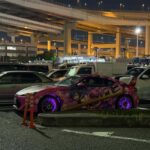
- Custom street builds that focus on styling
- The mix of different eras and tastes, where one car can feel like it is going for grip and balance, while another aims more at look
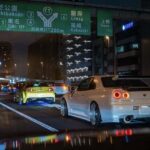
The longer time matters for photography. Night car meets reward patience. Reflections on wet pavement, the angle of headlights, and the way neon colors bounce around can turn a normal shot into something dramatic. With 35 minutes, you can try a few positions and wait for cars to roll slightly or for the light to catch the body lines.
I also like that you are not locked into a group path. The tour design keeps you moving, but it does not force you to stay glued to the guide.
Daikoku Parking Area: where the night really clicks
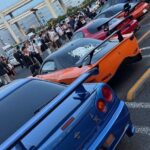
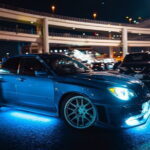
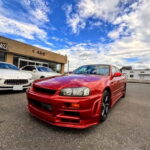
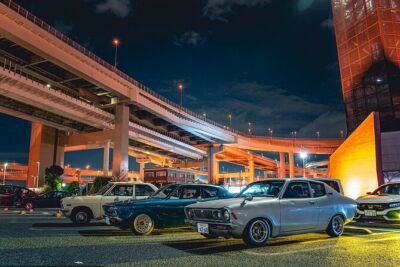
Daikoku Parking Area is the headline, with 35 minutes of self-guided touring. This is the iconic car-meet setting for JDM fans, supercar lovers, and tuning followers, and it is easy to see why. You are looking for the kind of variety that makes car people talk fast.
From the kinds of cars described for the scene, you might spot:
- Classic JDM legends like Nissan Skyline GT-Rs and Toyota Supras
- Rotary-powered Mazda builds and custom Honda projects
- European supercars mixed into the same parking world, including Ferraris, Lamborghinis, and McLarens
Now, you should manage expectations. You are not buying a guaranteed car lineup. What you are buying is access to the place where those cars show up and where people clearly care about craftsmanship.
Two practical reasons Daikoku works so well:
- Close viewing. Cars are right there in front of you, and the lighting helps you see details like wheel fitment, bodywork edges, and graphics.
- Social atmosphere. This is not just static displays. The energy of the meet is part of the experience, and you get a chance to meet local car enthusiasts.
If you want the best shots, I’d keep this rule: take wide photos first, then move to details. At Daikoku, it is easy to spend all your time on one car and forget you wanted the overall lineup style shot. That 35-minute block is short enough that a simple plan helps.
The guide’s job: context, timing, and making the drive feel easy
You are not stuck figuring things out for yourself. The tour includes a live guide in English and French, plus explanations of Japan’s tuning scene and history. That is a big deal if you are new to the world. Even if you know cars already, having someone explain what you are seeing in tuning culture terms helps you interpret why specific choices matter.
I also picked up from past tour experiences that the guide drives professionally and keeps things organized, with music choices that match the night vibe. That kind of attention matters more than it sounds. When you are dealing with nighttime routes, you want your guide to keep the pace realistic and the group together.
One more detail: the tour says the itinerary is fixed, and route changes cannot be accommodated. At the same time, it also mentions routes can adapt to the best car meets and events. How does that reconcile? I read it like this: you hit the planned iconic locations in a set order, but the guide can still adjust timing and approach based on what is happening that night.
So your best move is to go with the plan, not to expect surprise detours.
Photography, etiquette, and getting the most out of self-guided time
This tour is a strong choice if you care about photos. The combination of a well-known car meet area and Japanese night lighting gives you conditions that are hard to recreate anywhere else. If you bring a camera, you will likely want a mix of:
- Wide shots of the parking area and lineup
- Mid shots showing car stance and wheels
- Close shots for badges, bodywork edges, and wraps
Etiquette matters too. You are in a place where enthusiasts are showing their builds. A simple rule works: keep your approach respectful, do not block anyone’s path, and give people space if they are talking or adjusting their cars.
Because time at each stop is limited and self-guided, you should also plan your movement. Start with the cars that catch your eye from far away, then circle back for details once you have your bearings. This is especially helpful at Daikoku, where the scale and lighting can pull your attention in every direction.
What is included, and what you will likely pay extra for
Included in the experience:
- Guided tour of iconic Japanese car culture spots
- Exclusive access to the legendary car meet locations
- In-depth explanations of Japan’s tuning scene and history
- Opportunity to meet local car enthusiasts and see rare vehicles
- Transportation along the fixed itinerary
- Small group experience, limited to 3 participants
Not included:
- Food and drinks
- Personal purchases, like souvenirs or tuning accessories
- Any optional extras beyond the planned itinerary
For me, the most important included-vs-not included detail is food. Ninety percent of tourists forget this part and then realize halfway through they are hungry and cranky. Carry water if you can, and plan for buying snacks on your own.
Who this is best for, and who should rethink it
This tour is built for car people. If you love tuning, JDM icons, and the social energy of car meets, you will enjoy the pacing and the guided context.
It is also a decent fit for photographers, because the format gives you multiple stops with lighting-friendly night viewing. You are getting several browsing blocks rather than one long single location session.
But check the fit restrictions before you book:
- Not recommended for people over 100 kg
- Not recommended for people over 180 cm
The reason is seat comfort. The info specifically mentions bucket seating, and if you exceed those limits, you may not fit comfortably. If you are near either limit, I would treat that as a deal-breaker.
Age wise, participants under 18 must be accompanied by a responsible adult, and unaccompanied minors will not be allowed.
The Rocket Crew factor: small-group focus and bilingual guidance
The experience provider is Rocket Crew. What matters for your decision is how that shows up in the tour design: small group size, bilingual live guide (English and French), and a format that prioritizes getting you to the car meet locations without turning your night into complicated logistics.
This is also the kind of operator that makes the experience feel like a curated night out, not just a ride. The guide explanations and the ability to meet enthusiasts are part of the value.
If you prefer very structured tours, you might like this even more. If you prefer total freedom, you should know that the itinerary and stops are set, and changes cannot be accommodated.
Should you book the midnight Wangan attack and JDM car meet?
I would book this if you meet three conditions. First, you genuinely want to see the Daikoku-style car meet scene, not just read about it. Second, you like the idea of guided context while still having time to walk and photograph on your own. Third, you fit the seat limits, since comfort matters on a 150-minute ride.
I would pass if you are sensitive to cramped seating, if you hate fixed itineraries, or if you only want a quick car photo without any interest in tuning culture.
For the right person, this is one of those rare Tokyo experiences where the night feels like it is built around your interests, with minimal stress and a guide who helps you understand what you are looking at. If you are a JDM fan, it is a very straightforward yes.
FAQ
What locations do we visit during the tour?
You visit Tatsumi 1st PA, Umihotaru, and the Daikoku Parking Area, with a Tokyo Tower photo stop included earlier in the itinerary.
How long is the experience?
The tour duration is 150 minutes.
What is the price per person?
The price is $193 per person.
Where do we meet?
Meet at Arrow Parking Udagawachō. Take the elevator to the 8th floor.
Are the guides available in English?
Yes. The live tour guide is available in English and French.
How large is the group?
It is a small group limited to 3 participants.
Is transportation included?
Yes. Free transportation is included as part of the overall experience along the fixed itinerary.
Are meals included in the price?
No. Food and drinks are not included.
Can I smoke during the tour?
Smoking in the vehicle is not allowed.
Is there an age requirement?
Participants under 18 must be accompanied by a responsible adult, and unaccompanied minors will not be allowed.
What are the seating limits?
The tour is not recommended for people over 100 kg or over 180 cm. The operator notes bucket seat comfort and fitting limits.
More Tour Reviews in Yokohama
Not for you? Here's more nearby things to do in Yokohama we have reviewed


Daikoku & JDM Car Tours, side by side.
 ★ 4.8GT-R35 800hp Club Membership – secret underground car meetFrom $205998 reviews
 ★ 4.8Daikoku JDM Car Meet & Night Car Culture TourFrom $98626 reviews
 ★ 4.8Secret Car Meet: R34 Skyline Car Club MembershipFrom $236494 reviews
 ★ 4.9EVO, WRX, Skyline – JDM Night Run to Daikoku Car MeetFrom $125478 reviews
 ★ 4.7Tokyo Drift: Daikoku PA Supreme Car Experience 大黒PAFrom $58372 reviews
 ★ 4.9Legendary JDM CAR Daikoku Underground MeetupFrom $82360 reviews
 ★ 4.6Go Daikoku PA Fast & Furious 3 Sports Car MeetupFrom $49356 reviews
 ★ 4.5Daikoku Car Club Temporary MembershipFrom $145275 reviews
This tour also belongs to