
Review · KAMAKURA DAY TRIPS
Kamakura 6hr Private Walking Tour with Government-Licensed Guide
Kamakura hits different than Tokyo. This private half-day blends big-name sights like the Great Buddha with quieter Zen temple lanes, all guided by a government-licensed local who helps you make sense of samurai-era history in plain language. It is built around easy public-transport flow, so you spend less time guessing and more time looking closely.
Two things I love right away: the customizable plan (you pick 3 to 4 stops from a strong list), and the way guides like Shinji, Masa, and Sam focus on what you are seeing in the moment, not just dates and facts. Even better, the guides tend to adapt the pace when you need it, like when guides (including Koba and Takako) made time for shopping and regrouping.
One consideration: this is a walking plus trains and bus style tour, so even if it is only 6 hours on paper, you should be ready for uneven sidewalks, stairs, and temple steps. Also, entrance fees and lunch are not included, so plan on paying along the way.
Key highlights that make this tour worth your time
- Government-licensed English-speaking guides who explain what you are looking at on the spot (not from a script)
- Pick 3 to 4 sights from a menu, so you can match the day to your interests and energy
- Ocean views and classic icons, with options like Kotoku-in (Great Buddha) and Hasedera
- Real Kamakura textures, from shrine atmosphere to bamboo groves like at Hokoku-ji
- Enoshima added in a short hop, for coastal scenery without a full detour
- Flexible pacing, with guides reported as making time to shop, snack, and slow down when needed
Why Kamakura is such a good match for a half-day tour
Kamakura sits just south of Tokyo, but it does not feel like Tokyo’s crowd-and-grid rhythm. It feels layered. You get shrine traditions near the sea, temple gardens that shift with the seasons, and the sense that political power once lived right here.
What makes it work especially well for a 6-hour format is that Kamakura’s highlights are close enough to string together, but still different enough that a guided day adds up fast. A guide helps you connect the dots between the places: who the Minamoto clan worshipped, how Zen spread through the region, and why certain temples became fashionable with different ruling groups over time.
You can also read our reviews of more walking tours in Yokohama

Price and value: what you are paying for at $155.22 per person
At $155.22 per person for a roughly 6-hour private walking tour, this is not a budget add-on. It is a value purchase if you want structure, translation, and local decision-making.
Here is where the money tends to pay off:
- You get a government-licensed English-speaking local guide, which matters in temple and shrine settings where signage can be incomplete or hard to interpret.
- The plan is private, so you are not stuck with a group that wants to sprint to the next gate.
- The itinerary is customizable to 3 to 4 sights, so you can choose the day you actually want, rather than accepting a one-size circuit.
The main “watch-outs” for value are simple: entrance fees, lunch, and transportation fares are not included, and you are limited to a small number of stops. If you try to cram in too much by yourself, this can turn into a chaotic day. The guide setup is the opposite. You trade spontaneity for smarter pacing and fewer wrong turns.
Getting to Kamakura from Yokohama: walking plus public transport, no vehicle
This tour is a walking/public transport experience. That can sound intimidating until you see why it works.
You meet your guide within a designated Kamakura or Yokohama area, and pickup is offered on foot. After that, the day runs on trains and buses as needed, plus walking between sights.
Two practical benefits:
- You see how locals actually move through the city, which makes your return trip easier.
- Your guide helps you navigate the system, including where to transfer and how to avoid time-wasting confusion, which has been a big win for guests who arrived from places like the Yokohama port area.
The downside is physical. You will walk. You will climb stairs. And you may spend time standing. If you have mobility limits, tell your guide early so the sight mix can be adjusted.
What the guide experience feels like in practice
This tour is private, so your guide is focused on your group only. In many cases, guides are described as professional and patient, and they can steer you toward the right entrances and the right viewing angles at each temple and shrine.
I also like that the day has built-in flexibility. Even when the stops are scheduled, the guide can adjust time at each location based on your pace. That is where guides like Masa, Koba, and Noripy have stood out, since they help you slow down for photos and quiet moments without making you feel rushed.
Your Kamakura day, built from these temple and shrine stop options
You choose 3 to 4 sights from a list. Rather than forcing you into every famous name, the tour lets you build a “best-of Kamakura” day that still feels calm.
Here is what each major stop tends to offer, and where it shines.
You can also read our reviews of more guided tours in Yokohama


Tsurugaoka Hachimangu Shrine: the samurai spirit start
This is a strong opening choice because it sets the tone for Kamakura. The shrine is dedicated to Hachiman, the patron god of the Minamoto family and samurai in general. If you start here, the rest of the day makes more sense.
It is usually a shorter stop, around 15 minutes, but it gives you a base layer of context. If you like stepping into history right away, this is the start point you want.
What to watch for: crowds near major events, and the amount of walking from the station area. Pair it with one “big statue” stop later to balance energy.
Kotoku-in (Great Buddha of Kamakura): the iconic bronze you came for
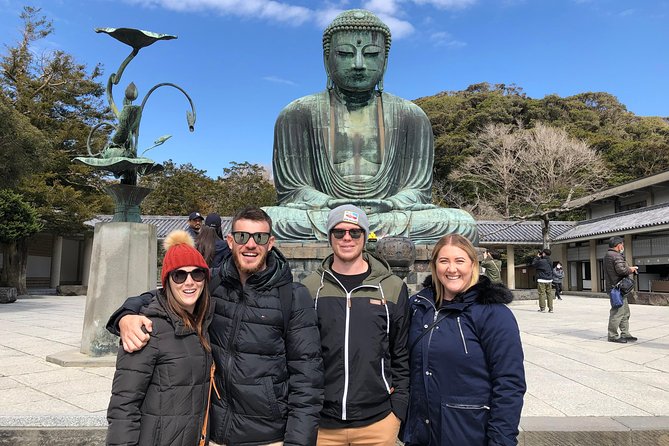
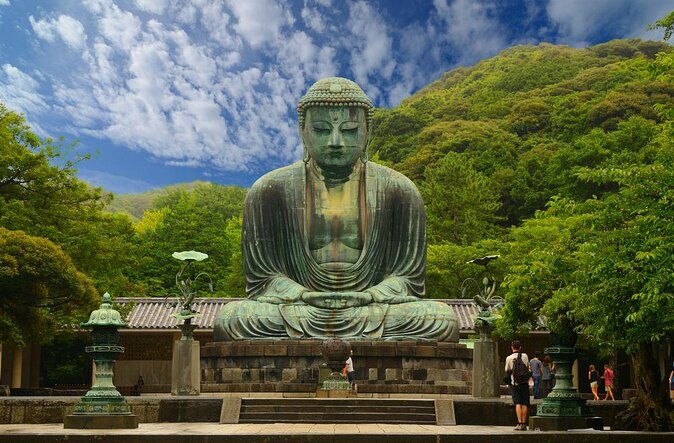
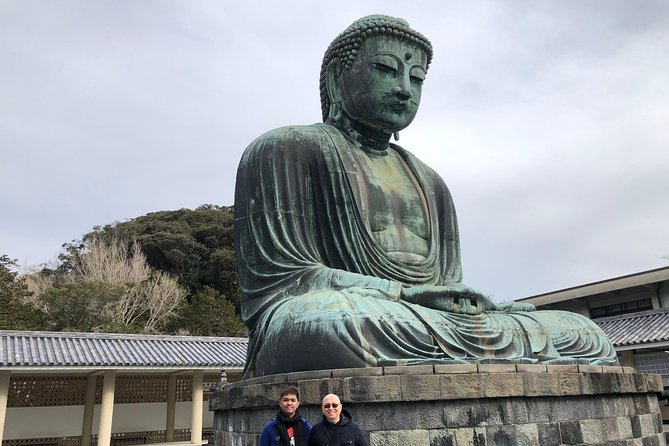
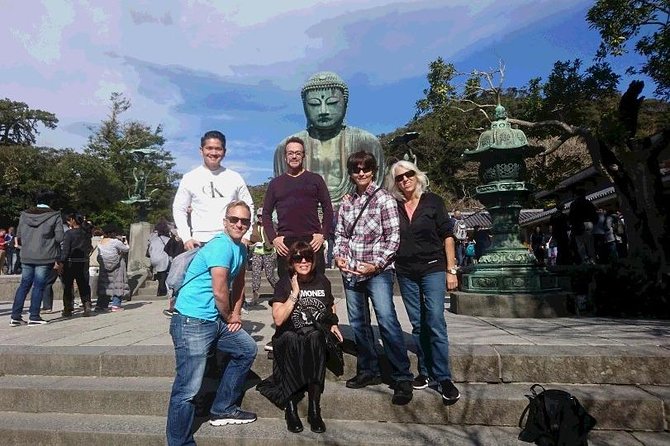
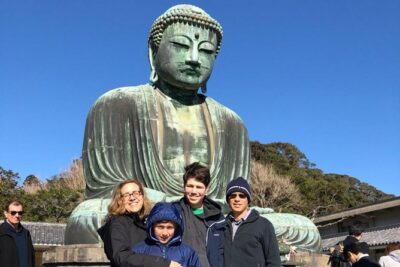
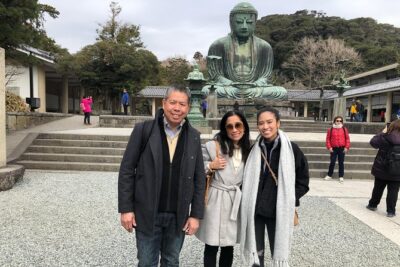
The Great Buddha is the obvious anchor. It is an Amida Buddha bronze statue at Kotoku-in Temple, around 11.4 meters tall. This is one of those moments where a guide’s framing helps you see it as more than a photo prop.
Usually planned as a short stop, about 15 minutes. That can work well because the structure is simple to understand fast. You can take in the whole thing, then move on before you get stuck in a long line or end up queuing just to stare.
Entrance fees are not included for this stop. Plan on paying on site.
Hasedera Temple: ocean views and Kannon vibes
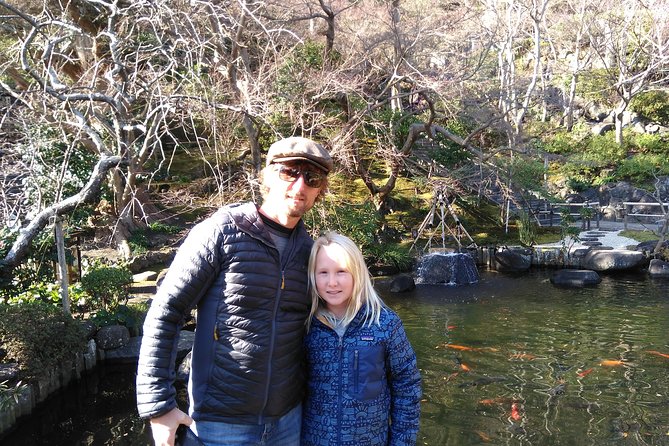
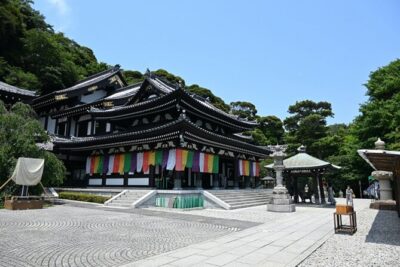
Hasedera is the temple that rewards lingering. It is known for its eleven-headed statue of Kannon, the goddess of mercy. It is also famous for views, including looking toward the ocean from the highest point of the grounds.
This stop is often around 30 minutes. If your group likes scenery, temple gardens, and a bit of vertical walking, Hasedera is one of the best choices to fill that half-hour slot.
Two quick “decide fast” tips:
- If your camera roll matters, Hasedera is a strong bet.
- If your legs are tired, ask your guide to steer you toward the main viewing points without dragging you through every side path.
Hokoku-ji Temple: the bamboo grove behind the main hall
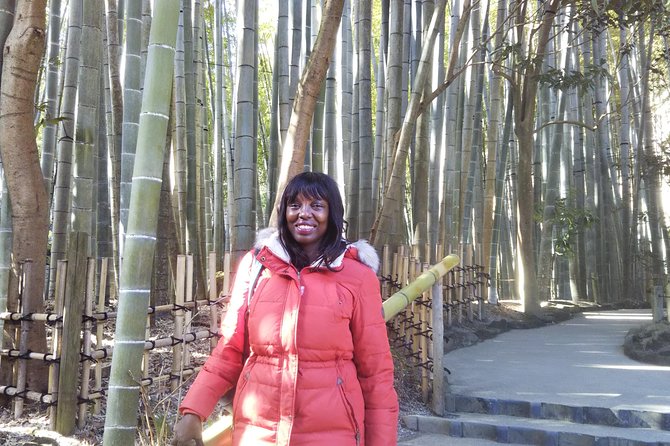
Hokoku-ji Temple is known for a bamboo grove of over 2,000 stalks behind the main hall. Even if you have seen bamboo before, this grove has a tight, cinematic feel because of the narrow pathways.
This is usually a compact stop, about 15 minutes. That is smart. It lets you experience the bamboo atmosphere without losing time to wandering.
If you are visiting in seasons when flowers are a big deal, you can swap this for Meigetsuin (Hydrangea Temple), but bamboo lovers often find Hokoku-ji worth the slot.
Enoshima Island: a coastal break from temple-hopping
Enoshima is a short train ride west of Kamakura and connects by bridge. It is a touristy island, but that is part of the appeal on a limited-time day: you get the sea air and a change of scenery without needing a full day trip.
This stop is typically around 15 minutes, so do it when you want a quick reset, not when you want slow island roaming. Entrance is listed as free here.
If you want to maximize views, time it when the sky is clear. Your guide can usually help with the order of stops to match the light.
Engaku-ji and Kencho-ji: Zen temples with serious atmosphere
These are the two Zen temple options that many visitors remember most, and they come with different “feel” even within Zen style.
- Engaku-ji (often around 30 minutes) is one of the leading Zen temples in Eastern Japan and the number two of Kamakura’s five great Zen temples.
- Kencho-ji (often around 30 minutes) is the number one of those five great Zen temples and the oldest Zen temple in Kamakura.
If you like a more contemplative pace, choose one of these as your “longer stop” and make the others shorter. If you try to do both plus a coastal add-on, you may spend more time traveling and less time appreciating.
Zeniarai Benten Shrine: a quick ritual with a fun story
Zeniarai Benten Shrine is known for the tradition of washing money in the spring, which is believed to bring good results. The shrine visit is typically around 30 minutes and is free.
It is a great choice if you want something a bit different from the usual temple interior tour. It also gives your feet a break, since the ritual area is a natural pause point.
Meigetsuin (Hydrangea Temple): flowers if the season lines up
Meigetsuin, also known as Hydrangea Temple, blooms with hydrangeas on the grounds. It is around 30 minutes.
The practical takeaway: if you are visiting during hydrangea season, this becomes a top-tier photo and garden stop. If you are not in bloom, it can still be a Zen temple experience, but it may be less visually dramatic than bamboo or the Great Buddha.
Ankokuronji, Jomyo-ji, Zuisen-ji, Myohonji, Jochiji, Tokeiji, Jufukuji, Eishoji
These names might look like a lot, but they matter when you want variety. This tour includes a mix of Zen and Nichiren sect temples, plus a nunnery option.
What you can expect from the “smaller” temple choices:
- Many are shorter stops, often 15 minutes, with some around 30 minutes.
- They tend to be quieter and less of a “single icon” stop, so a guide’s explanation helps you notice what you might otherwise walk past.
- They are ideal if you want a calmer Kamakura vibe, especially compared to the most famous shrine routes.
If you are the type who enjoys temple architecture and a sense of place over a single landmark, pick one of these shorter-hike-feeling temples to round out your day.
How to choose your best 3 to 4 sights without overplanning
Since the tour caps you at 3 to 4 stops, your best strategy is to build your day around a theme, then use the remaining slots for variety.
Here are two easy “recipes” you can request:
- Classic Kamakura day: Tsurugaoka Hachimangu Shrine, Kotoku-in Great Buddha, Hasedera, plus either a Zen temple (Engaku-ji or Kencho-ji) or Enoshima for a coastal reset.
- Calm Zen day: Choose Kencho-ji or Engaku-ji as your main Zen anchor, add Hokoku-ji or Zeniarai Benten for texture, then include one “quiet temple” option like Zuisen-ji or Jochiji to keep the pace thoughtful.
Season tip based on the listed temple themes: if hydrangeas are in play, Meigetsuin becomes more valuable. If you want bamboo atmosphere, Hokoku-ji is a strong choice.
And because your guide can customize, tell them what you care about most: big icons, garden views, samurai context, or quiet side temples.
Pacing, walking realities, and how to make the day comfortable
Six hours includes transportation time. That is helpful because it prevents the classic half-day mistake: you plan as if everything is next door.
Still, it is a walking tour. Temple grounds often involve steps and uneven surfaces. If you are pairing multiple temple areas, you may feel the legs by the final stops.
My practical advice for comfort:
- Wear shoes you trust on stone and slope, not sandals.
- Plan for weather shifts. One guest mentioned luck after rain days, which matters in Kamakura since slick surfaces are not fun on stairs.
- If the group has mixed ability, tell your guide early. The flexibility reported by guides like Koba and Sam often means they can adjust the order and time to keep everyone steady.
Lunch and shopping: what you can add without derailing the schedule
Lunch is not included. That is normal for a walking tour, and it gives you freedom to eat where you actually want.
One thing I love about Kamakura is the street-food and snack culture near the sights. There is a famous Komachi shopping street area where you can try Hatosabure, dove-shaped biscuits. It is the kind of small local bite that makes a guided day feel more “of the place” instead of just a list of monuments.
If you want a real meal, ask your guide what fits your day and walking tolerance. Just remember, the tour is limited to 3 to 4 stops, so long lunch breaks can squeeze your temple time.
Who this tour is best for
This is a great fit if:
- You want a structured, private day without having to plan every train and transfer.
- You care about meaning and context, not just landmark photos.
- Your group wants 3 to 4 high-quality stops with room to breathe.
It is also a strong option for visitors staying in or near Yokohama, including cruise passengers, because the guide meets you in the local area and helps with public transit navigation.
Consider another option if:
- You dislike walking and standing for segments.
- You want a long list of many sights. This one intentionally stays focused.
Should you book this Kamakura Private Walking Tour?
I think it is an easy yes if you want a high-quality Kamakura day with clear guidance, flexible pacing, and the freedom to pick your best 3 to 4 stops. The price makes sense when you factor in the government-licensed English guide and the time you save figuring out how to move around.
Book it if you are the type who values context, like how samurai-era power shaped shrine worship, or how Zen temples reflect different ruling periods. Also book it if your group includes someone who appreciates patience and navigation help, since guides like Shinji and Sam have been praised for making transit feel stress-free.
Skip it if your goal is maximum quantity of temples. This tour is about better attention per stop, not ticking every box.
FAQ
How long is the Kamakura walking tour?
The tour is about 6 hours, and transportation time is included in that total.
How many sights do we visit?
Each tour is customizable, and you will visit 3 to 4 sites from the list of options.
Is this a private tour or a group tour?
It is a private tour. Only your group participates.
Is pickup included, and how does meeting work?
Pickup is offered, but this is a walking tour where pickup is on foot. You will meet your guide within a designated area of Kamakura or Yokohama.
Are entrance fees included?
Entrance fees are not included. Some stops list free admission, but many temples and the Great Buddha are marked as not included.
What about transportation costs and lunch?
Transportation fees are not included, and lunch is not included.
What is the cancellation policy?
Free cancellation is available up to 24 hours in advance of the experience start time for a full refund.
More Walking Tours in Yokohama


More Tours in Yokohama



More Tour Reviews in Yokohama



Not for you? Here's more nearby things to do in Yokohama we have reviewed




Kamakura Day Trips, side by side.
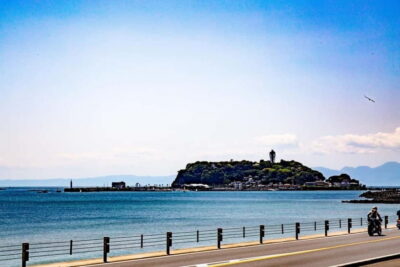 ★ 4.5Kamakura & Enoshima Day Trip including Temple TicketsFrom $581,375 reviews
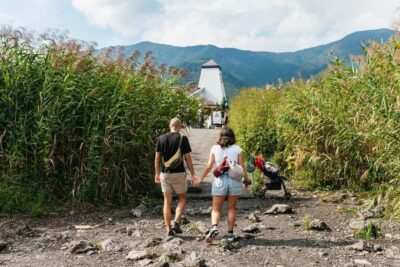 ★ 4.5Mt. Fuji, Kamakura, Big Buddha, & Lake Ashi Day TripFrom $49867 reviews
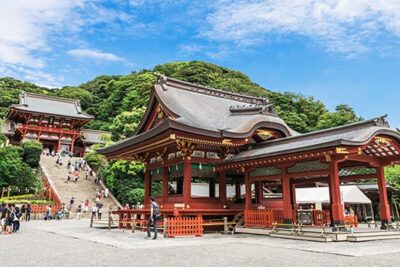 ★ 4.5From Tokyo: Kamakura & Enoshima 1-Day Bus TourFrom $66189 reviews
 ★ 5.0Kamakura Historical Walking Tour with the Great BuddhaFrom $98129 reviews
 ★ 5.0Kamakura Private Tour: Temples, Nature, and the Great BuddhaFrom $98121 reviews
 ★ 5.0Kamakura Walking Tour – The City of ShogunFrom $35100 reviews
 ★ 5.0Kamakura 8 hr Private Walking Tour with Licensed Guide from TokyoFrom $20180 reviews
 ★ 4.1Kamakura & Enoshima Day Tour with Pickup & Train RideFrom $1361 reviews
This tour also belongs to