
Review · DAIKOKU & JDM CAR TOURS
Tokyo: Best Price Daikoku Parking Area JDM Car Meet
Tokyo’s car scene has a secret night. This Daikoku Parking Area meet tour pairs a highway drive with time to wander one of Japan’s most famous gathering spots near Yokohama, with Daikoku Parking Area as the star. You’ll ride through the Tokyo and Yokohama expressways, pass major landmarks, and end the evening back in Shinjuku.
I especially like the flat, one-price setup. No solo “penalty,” no mystery add-ons, and the tour is designed so everyone joins the same standard shared ride. I also like the car culture context from guides such as Joshua and Kai, who keep the trip fun even if you are not a hardcore gearhead.
One possible drawback: it is a shared ride in a normal Toyota van, not a tuned sports car. If the group is full, the seating can feel snug, and the mix of cars at Daikoku is never guaranteed because it is an impromptu public meet.
Key things to know before you go
- One honest price for the standard shared ride, with no fake starting-from pricing
- Free time at Daikoku PA (about 1.5 hours) so you can wander at your own pace and take photos
- Night views on the expressways, with passes by places like Rainbow Bridge and Tokyo Tower
- Car talk is part of the experience, with guides like Joshua and Kai explaining what you are seeing
- Weekday visits can be more relaxed, often with a slightly easier crowd to enjoy and photograph
- A backup plan exists if Daikoku is closed early or cars are limited
Getting to Daikoku from Tokyo, without wasting your evening
This tour is built around one goal: getting you to Daikoku Parking Area at the right time, without you needing a car, English headaches, or complicated transit juggling. The route focuses on the drive itself too, with expressway riding that feels like the fast lane to the car-spotting world.
Depending on the option you pick, you may start around Tochomae Station in Nishishinjuku, or you may meet at an earlier landmark point such as Rainbow Bridge. Either way, you’ll pass big stretches of Tokyo, including a stop-by view of Haneda Airport along the way. Then the night flow leads you toward Yokohama and Daikoku.
At the end, you do not get stranded in the middle of nowhere. The tour finishes near Shinjuku Station, which matters because Daikoku is a late-night kind of place, and you want an easy way back into Tokyo’s rhythm.
You can also read our reviews of more tours and experiences in Yokohama.
Price and vehicle reality: what $76 really buys
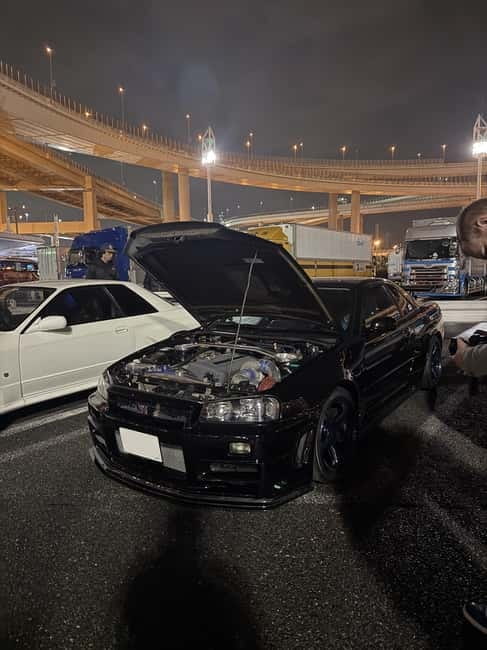
The headline number is $76 per person for the standard shared ride. The value is not just the price itself, it is how clearly the cost is handled. You are not sold a low “starting” figure and then hit with surprise extras later. Your booking is meant to stay what it says it is.
One more value point: the experience is not priced like a private charter. It is designed around a small group, limited to 6 participants, and that keeps the whole thing social without turning it into a school field trip. You still get your own time to roam at Daikoku PA rather than being herded through a checklist.
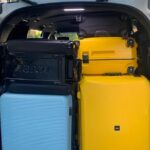
Vehicle detail is important here. For the standard shared ride, you do not ride in a tuned JDM show car. You ride in a normal Toyota, chosen by group size, such as a Toyota Aqua for smaller groups or larger vans like Toyota Noah, Voxy, Nissan Serena, or Toyota Hiace. If you are expecting wide, comfy seats like a long-distance taxi, plan for the fact that at full capacity it may feel snug.
There is also a newer Toyota GR86 option mentioned as an additional choice, with different pricing than the standard shared ride. If you want a more car-forward ride, that is the route to look at, but the core experience stays centered on Daikoku PA.
Expressway highlights: Rainbow Bridge, Haneda area, Tokyo Tower
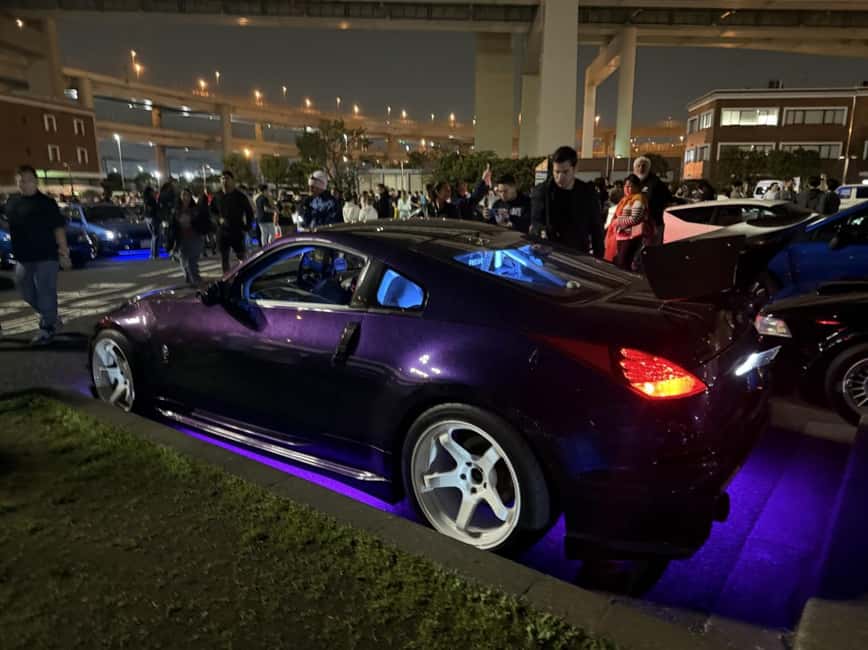
This is a “night drive plus car meet” kind of experience, and the scenic parts are not filler. You pass Rainbow Bridge, ride Tokyo and Yokohama expressways at night, and see familiar Tokyo landmarks along the return. Those passes are part of why the trip feels like more than just parking-lot sightseeing.
Rainbow Bridge is one of those Tokyo sights that instantly signals you are moving between worlds, Tokyo to the bayside side of the city. Seeing it from the route at night also gives you light and motion, which makes photos feel more like a memory than a snapshot.
Haneda Airport is another pass that helps you orient yourself. Even if you do not spend time there, seeing the airport area from the expressway gives you a better sense of how close this car culture scene is to the airport and major traffic arteries.
Tokyo Tower appears as a pass-by highlight on the way back. You are not stopping for a long photo session there, but it is a nice bookend, especially if you are doing this early evening into night and want that classic Tokyo “we are really in the city” feeling.
Daikoku Parking Area: what you’re actually paying to see
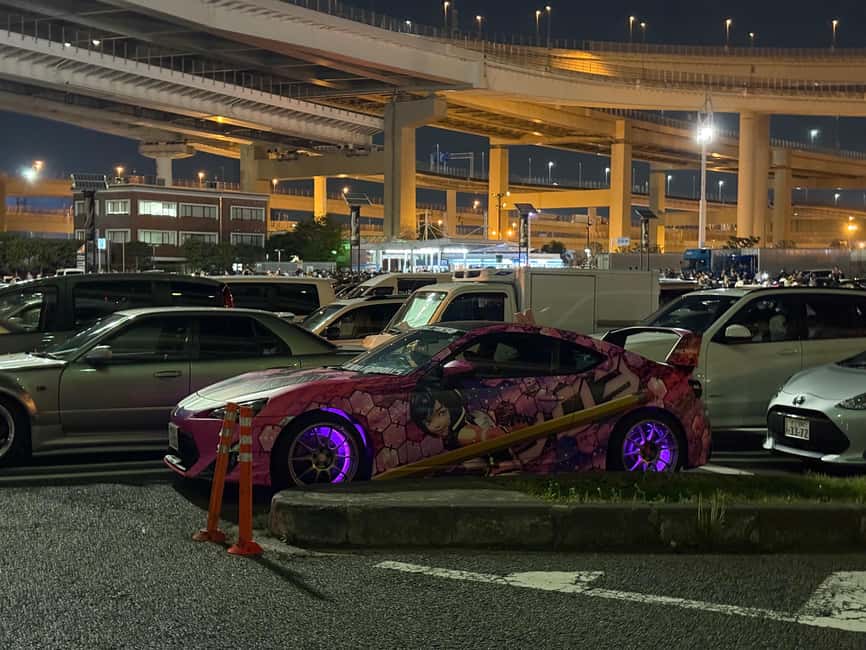
Daikoku Parking Area is on the Daikoku Futo, by Yokohama. It is famous because it is not a staged museum event. It is a public rest stop that becomes a magnet for car owners, tuners, photographers, and people who just love what their favorite machines can do.
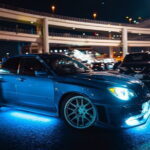
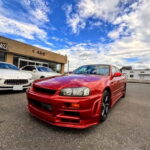
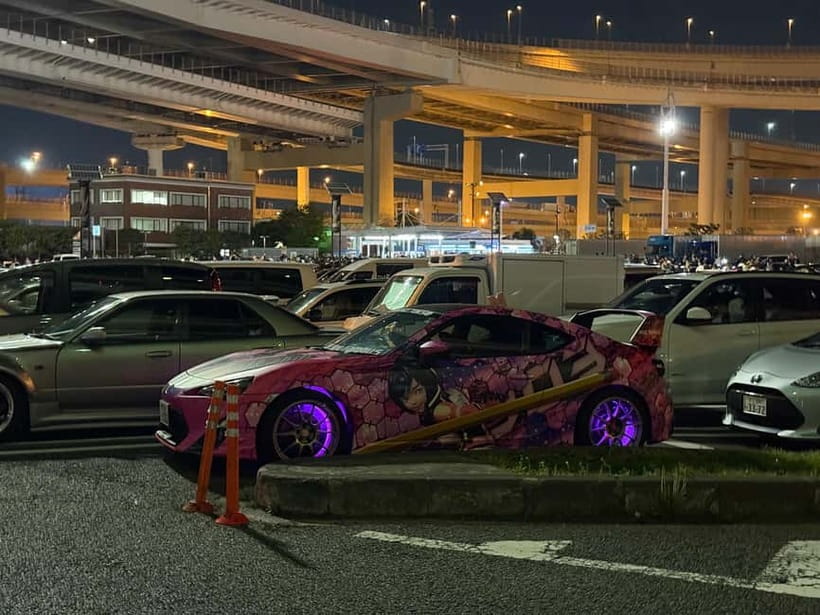
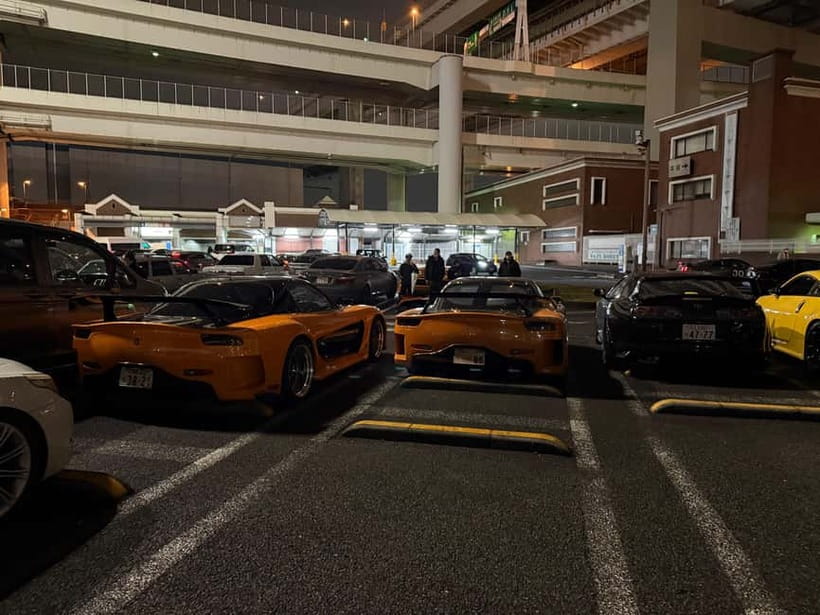
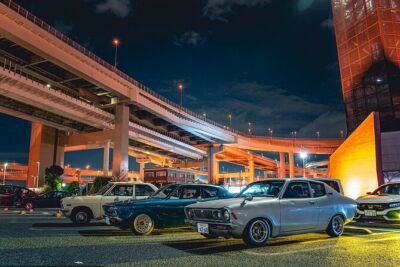
What you get there is the real variety side of Japanese car culture. Expect to see exotic supercars, heavily modified tuners, and sometimes rare classics and JDM legends. The exact lineup is not guaranteed. It is an impromptu meet, so some nights feel like an “embarrassment of riches,” and other nights may feel quieter.
That unpredictability is not a flaw, it is part of the authenticity. You are experiencing how the scene actually works: people show up when they are around, and the parking area becomes a living car show while they are there. Even if you are not chasing one specific model, you still get plenty to look at, especially when the crowd thickens over time.
Also, this is not a drifting or illegal racing tour. You are visiting for car culture, not for stunt chaos. Keep that in mind if you are tempted to book thinking it is a street-racing night. The focus is viewing and respectful chatting, not racing behavior.
Making the most of 1.5 hours of free wandering
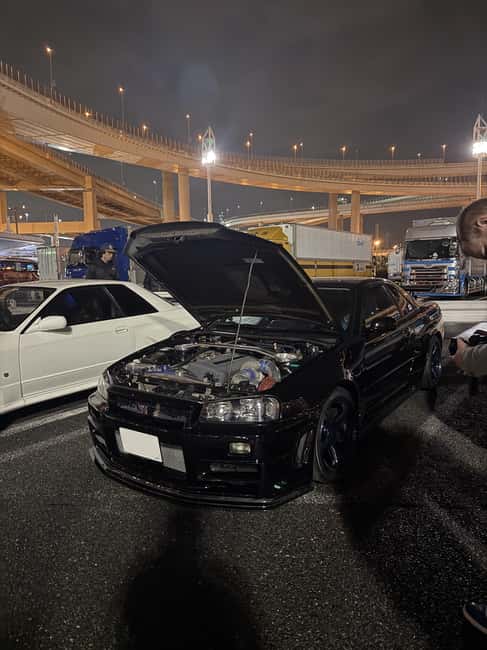
Once you arrive, you get about 1.5 hours to explore Daikoku PA on your own. This free time is a big deal. If you love photographing cars, you can walk, reposition, and frame shots without feeling like you are on a tight leash. If you prefer talking, you can linger near owners who are willing to explain what they built and why.
The practical best practice is simple: wear comfortable shoes and move with a camera-ready mindset. Daikoku is a walking space inside a large facility, and you will likely do more steps than you expect once you start hopping between rows. The tour also recommends an umbrella if it is raining, which is smart because Japan’s weather can turn fast.
You also want to be respectful. Car owners are not props. Be mindful around vehicles, do not block people who are parking or leaving, and keep your distance when someone is clearly working or inspecting. That kind of manners-first approach usually makes the whole experience better, including the conversations you might have.
If you like structured guidance, this might feel different at first. The tour is best for people who enjoy exploring independently rather than following a strict guided route. Still, you are not left alone. If you want background, you can ask the driver or guide for help understanding what you are looking at inside the meet area.
Car culture talk from Joshua and Kai, plus what to ask
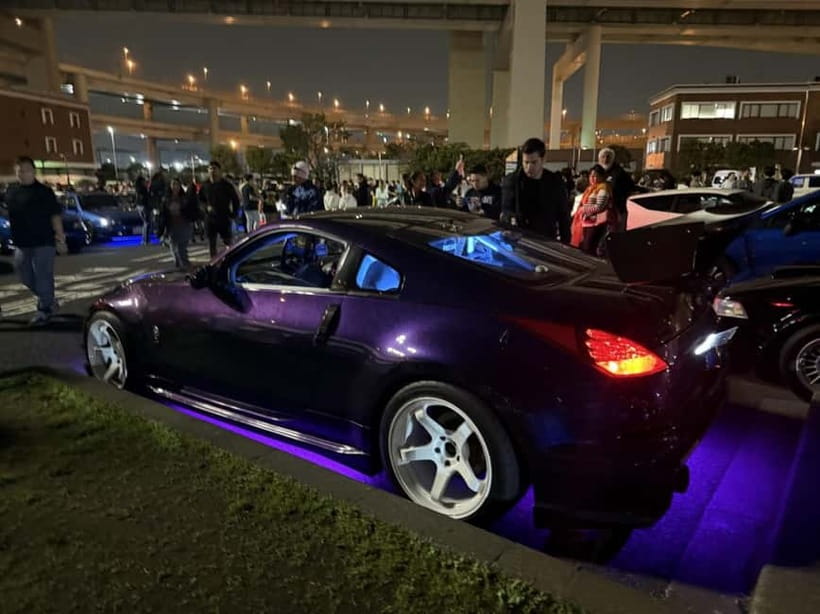
The driving portion does not just move you from point A to B. Guides like Joshua (often described as polite and “goes out of his way”) and Kai (described as authentic and easy going) add context, so the cars make sense beyond the badges.
A helpful way to think about it: you are seeing a parking area where Japanese car culture shows its personality. That includes why people mod the way they do, what kinds of cars are common in the scene, and how Daikoku has its own rhythm. Having someone explain what you are seeing helps if you only know a few models already.
So what should you ask during the drive or while you walk? Ask things like:
- What kind of build is most typical here, and what makes it different?
- Which cars tend to show up on different days?
- If you notice a popular engine or wheel setup, what tells you about the owner’s priorities?
You do not need to be fluent in car jargon. Even casual questions get you more value out of what you see. That is one reason this works for families too, where one person can focus on the visuals and another can enjoy the background chat.
When Daikoku closes early: the backup plan in real life
Timing matters with Daikoku. In some cases, the meet area can close earlier than you planned, and cars may need to leave. That can sound stressful, but the tour includes a contingency mindset.
One example pattern you might experience: you arrive, spend time exploring, and then when Daikoku closes (some nights around the evening peak), the group moves to another planned location so you still get car culture time. The tour data explicitly says that on the rare occasion Daikoku is closed or no cars show up, they switch to a backup plan designed to keep your evening enjoyable.
This is also where choosing a guide who stays calm matters. In the field, police presence or access restrictions can change quickly. A good operator keeps the group together, finds the next best viewing spot, and prevents the whole night from falling apart.
Comfort, rules, and etiquette that make the night smoother
Small details matter here because you are mixing road time, night visibility, and public-car-meet behavior.
Comfort basics:
- Bring a camera or at least make sure your phone is fully charged.
- Wear shoes you can walk in, because you will move around a lot.
- Expect it can feel snug in the shared Toyota van if you are at full capacity.
Rules to remember:
- No smoking and no pets are allowed.
- There is a weight limit stated for participants over 280 lbs (127 kg). If you are near that range, this tour may not be suitable based on their limit.
- You should be respectful toward car owners and their vehicles, which also helps you feel safer and more comfortable while photographing.
One more tip: bring your own rain readiness. The tour specifically suggests an umbrella if it’s raining, which is worth listening to, because a light drizzle can turn a long photo session into a rushed one.
Who should book this Daikoku Parking Area JDM car meet tour
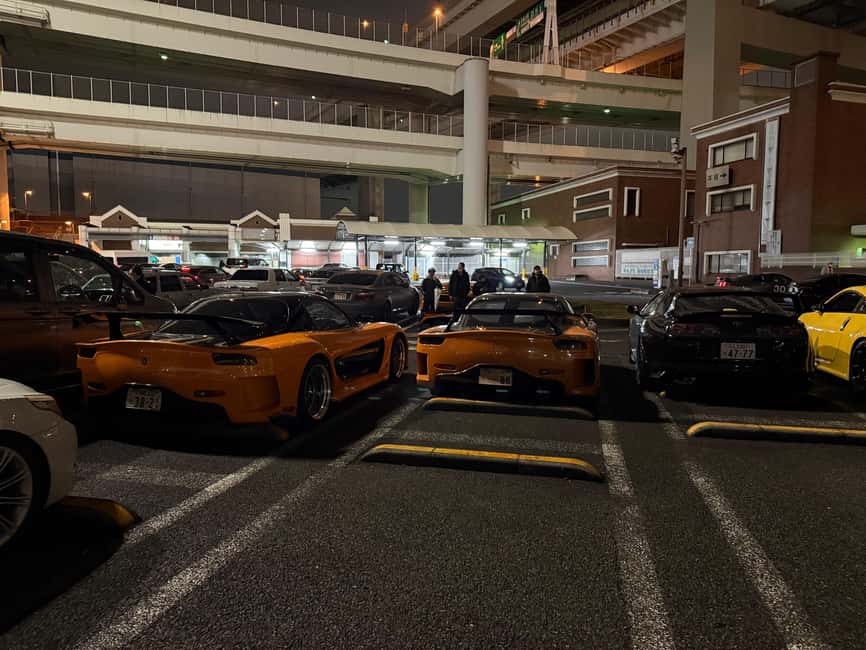
I think this tour fits best if you want Tokyo car culture without doing the logistics yourself. It is also a good choice if you like the idea of discovering a scene that feels local, not like a theme park.
It makes sense for:
- JDM fans and tuning fans who want a classic Daikoku night
- Casual car lovers who want an easy entry point and some background context
- Families and mixed groups, since the activity lets everyone enjoy what they care about most
It is not the right fit if you want:
- A drifting or illegal racing focus (this is not that)
- A strictly guided museum-style experience where you never move on your own
- A private ride with custom comfort and guaranteed car lineup
Also, weekday visits can feel more relaxed than weekends. If you have flexibility in your schedule, that can improve the vibe for wandering and taking photos at your own pace.
Should you book this Tokyo Daikoku car meet tour?
If you want the best blend of value, clarity, and real Tokyo car culture, I would book it. The flat $76 pricing helps you commit without second-guessing, and the plan is built around free roaming time at Daikoku PA plus the night expressway drive that makes it feel like an event, not just a stop.
Book it with realistic expectations too. The car lineup is impromptu, so you are paying for the chance to catch something special, not for a guaranteed list of specific models. If you show up curious, bring good shoes and a camera, and treat owners with respect, you will get a memorable night that feels distinctly Japanese.
FAQ
How long is the Daikoku Parking Area tour?
The total duration is 210 minutes, and that includes travel time to and from Daikoku PA.
What is the price per person?
The standard shared ride costs $76 per person.
Is pricing the same for solos and small groups?
For the standard shared ride, it uses flat pricing, with no higher solo price and no minimum participant requirement.
What time do I spend at Daikoku Parking Area?
You get about 1.5 hours to explore and admire cars at Daikoku PA.
What kind of car do we ride in?
For the standard shared ride, you ride in a normal Toyota vehicle that depends on group size, such as Toyota Aqua for small groups or Toyota Noah, Voxy, Nissan Serena, or Toyota Hiace for larger groups.
Is this a drifting or racing tour?
No. This is not a drifting or illegal racing tour, and the purpose is car culture and viewing.
What happens if Daikoku is closed or no cars show up?
On the rare occasion Daikoku is closed or no car showed up, the team will switch to a prepared backup plan.
Are meals included?
No, meals and drinks are not included.
More Tour Reviews in Yokohama
Not for you? Here's more nearby things to do in Yokohama we have reviewed


Daikoku & JDM Car Tours, side by side.
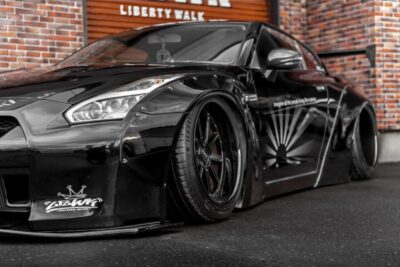 ★ 4.8GT-R35 800hp Club Membership – secret underground car meetFrom $205998 reviews
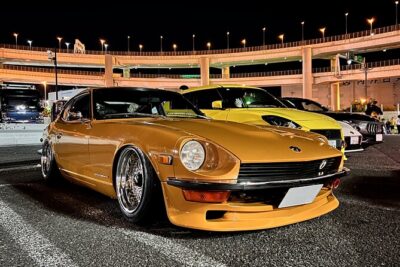 ★ 4.8Daikoku JDM Car Meet & Night Car Culture TourFrom $98626 reviews
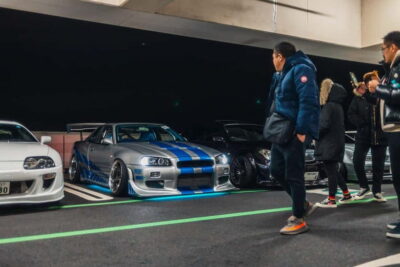 ★ 4.8Secret Car Meet: R34 Skyline Car Club MembershipFrom $236494 reviews
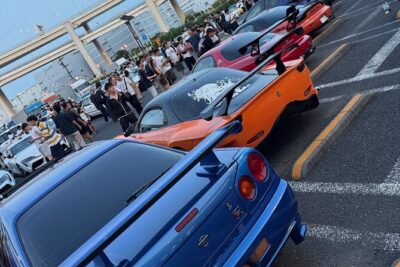 ★ 4.9EVO, WRX, Skyline – JDM Night Run to Daikoku Car MeetFrom $125478 reviews
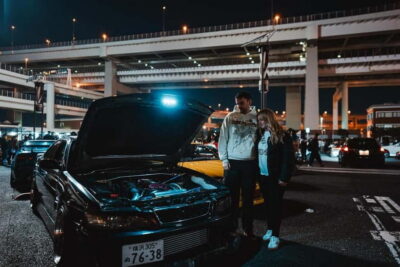 ★ 4.7Tokyo Drift: Daikoku PA Supreme Car Experience 大黒PAFrom $58372 reviews
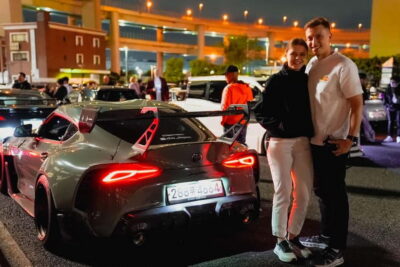 ★ 4.9Legendary JDM CAR Daikoku Underground MeetupFrom $82360 reviews
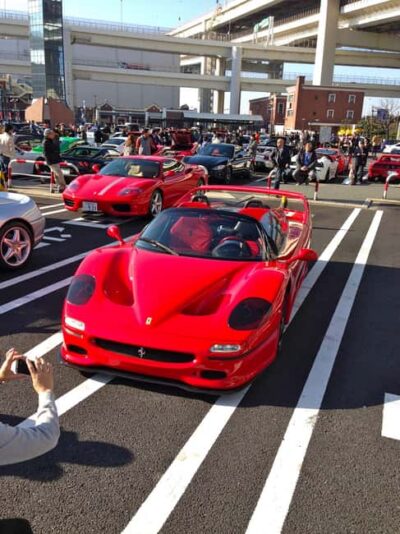 ★ 4.6Go Daikoku PA Fast & Furious 3 Sports Car MeetupFrom $49356 reviews
 ★ 4.5Daikoku Car Club Temporary MembershipFrom $145275 reviews
This tour also belongs to