
Review · COOKING CLASSES
Yokohama: Sushi & Gyoza Cooking with Matcha & GreenTea Experience
Matcha sets the mood fast. In Yokohama, I like this experience because it starts in a real private tea room (chashitsu), then turns into practical cooking with fresh ingredients and warm hospitality from Yuka. It feels less like a show, more like you are welcomed into daily Japanese life.
My second favorite part is the hands-on focus: you learn sushi rolls (maki) and handmade gyoza step by step, guided clearly by Yuka, who speaks English well. The main drawback to plan around is the setting, a residential home with a small group (up to 6), so the vibe is intimate and slower than a big factory-style class.
Key highlights to know before you go
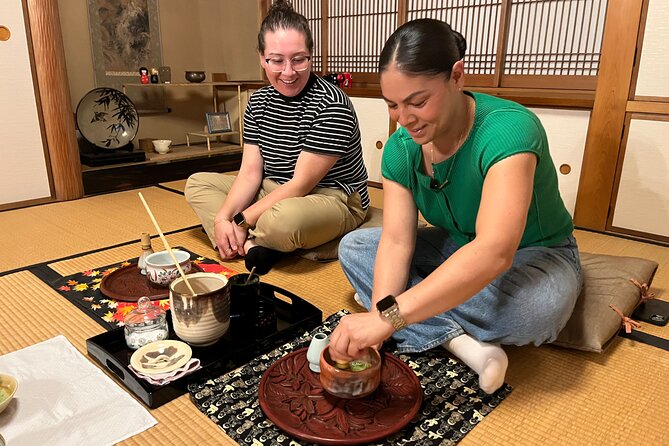
- Chashitsu tea room start: Tatami, a calm reset, and matcha tasting before you cook
- Pick your tea-room option: matcha tasting (or matcha latte), manga-style illustration, or quiet sweets time
- Two iconic dishes, fully hands-on: sushi rolls and handmade gyoza, guided closely
- Photo-friendly moments: tea room shots and pictures with your finished food
- Host care that matters: Yuka meets you at the station and was thoughtful with umbrellas when weather looked rough
- Small-group format: maximum of 6 travelers, which keeps attention on you
Yokohama Tea Room to Kitchen Door: What This Experience Really Feels Like
If you want a Yokohama activity that doesn’t feel like a scripted tourist stop, this one nails the tone. The key is the sequence. You begin in a traditional tea space, then the room’s sliding doors open to the kitchen. That shift matters because it turns the experience into two different moods: calm and then active.
The tea room part puts you on tatami and sets the pace. Even if you have never done a tea ceremony before, you get a simple, approachable introduction to matcha culture. Then cooking takes over, and suddenly you are doing real work with real food, not just watching.
Another thing I appreciate is the sense of personal welcome. Yuka meets you at Odoriba Station, and the experience is designed for small groups, max 6. That changes everything, from how easy it is to ask questions to how quickly the host can correct your sushi roll grip or dumpling fold.
You can also read our reviews of more cooking classes in Yokohama


Finding the Place Near Odoriba Station (and Why the Walk Is Part of It)
You start at Odoriba Station, then you will walk to the host’s home. One detail that helps: plan for about a 10 minute walk. It is not far, but it matters if you are coming straight from sightseeing or you packed your day too tight.
Why does this matter? Because it signals what the experience is. This is not an event hall. It is a private home in a residential neighborhood. That is exactly why you get the quiet, authentic feel in the tea room, and why the class stays focused on you instead of on a crowd.
You also end back at the same meeting point. That makes it easy to slot into a Yokohama day without inventing transportation plans afterward.
The Chashitsu Tea Room Hour: Matcha, Manga, or Just Slow Down
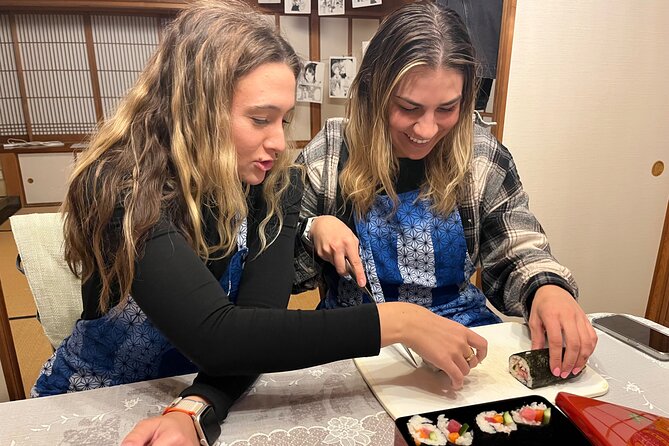
The tea room is your first big moment. You spend about an hour there, and you can choose one of three options. Each one gives a different kind of cultural connection, so pick based on your brain that day.
Option 1: Tea ceremony style with matcha tasting
You get a simple introduction to Japanese tea culture with matcha tasting. If you prefer a milder flavor, a creamy matcha latte is available. I like this option because it is not intimidating. You still taste matcha, but you can choose the comfort level that fits you.
Practical tip: if you usually find strong matcha bitter, go for the matcha latte. It keeps the experience from becoming a battle with taste.
Option 2: Manga-style illustration with real tools
This option swaps food focus for creativity. You try manga-style drawing with authentic tools, guided by the host’s artwork and inspiration. If you have ever wanted to understand why Japanese drawing styles feel so precise, this is a fun doorway. It is also a good reset if you are tired from walking around the city.
If you care about taking home a small souvenir, this choice can be more memorable than food-only experiences, since you are creating something yourself.




Option 3: Relaxation time with Japanese sweets and tea
No pressure, no project. You enjoy Japanese sweets and tea in the tranquil tatami setting. This is the option I would pick when I want culture first and cooking second, without needing to perform.
This matters because the home setting can be part of the “activity.” You are not rushing. You are breathing differently.
Sliding Doors and Sudden Focus: Cooking Sushi Rolls (Maki)
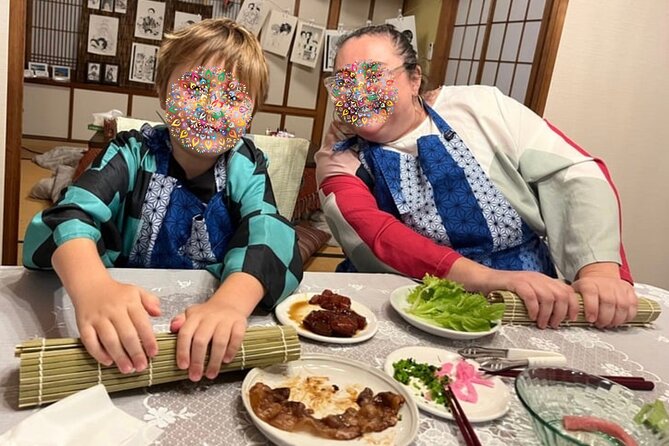
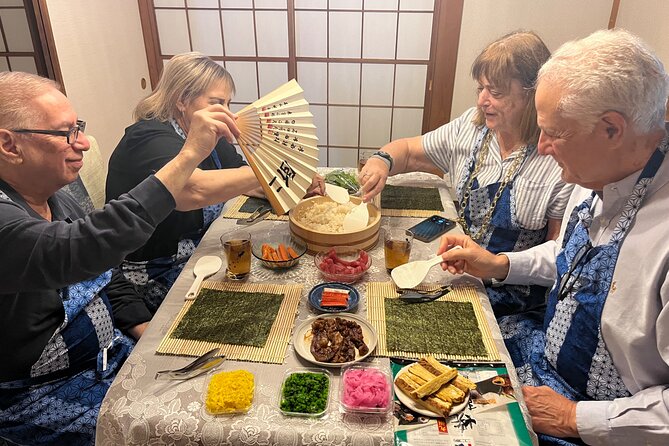
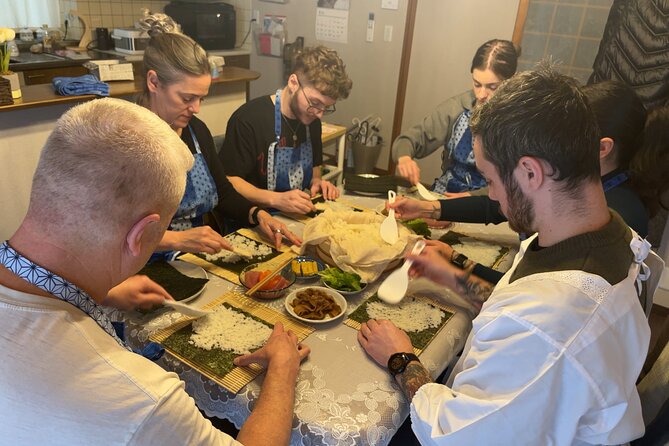
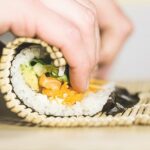
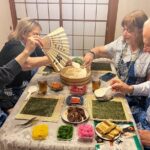
After the tea room hour, the kitchen is revealed, and you switch from sitting back to working with your hands. Sushi rolls (maki) are the first dish. This is not about speed. The value here is guidance: you learn the process with personalized attention from Yuka.
What makes sushi roll instruction so helpful is that it is specific. You do the steps, you see the shape, and you adjust your grip and technique based on feedback. Even if your first roll looks a little imperfect, the method becomes clear.
Also, using fresh ingredients matters. It is hard to ignore the difference between store-bought flavor and properly prepared components when you are rolling everything together yourself.
Photo moment note: this is a good time to take pictures, but I suggest doing it after you learn the basics. You will want the hands-on portion to stay smooth, not stop-and-start.
Handmade Gyoza: Folding Dumplings That Actually Feel Like Dumplings
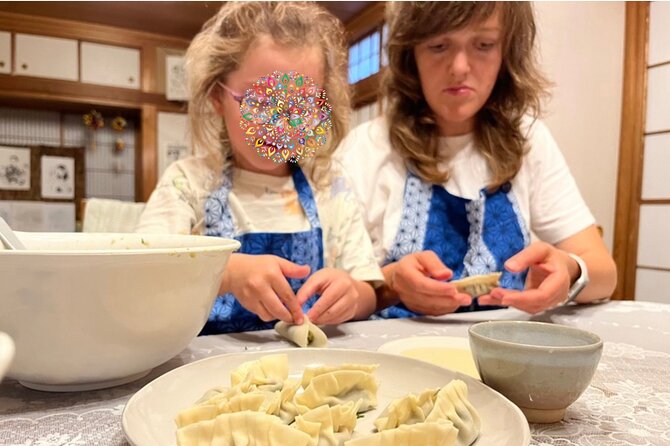
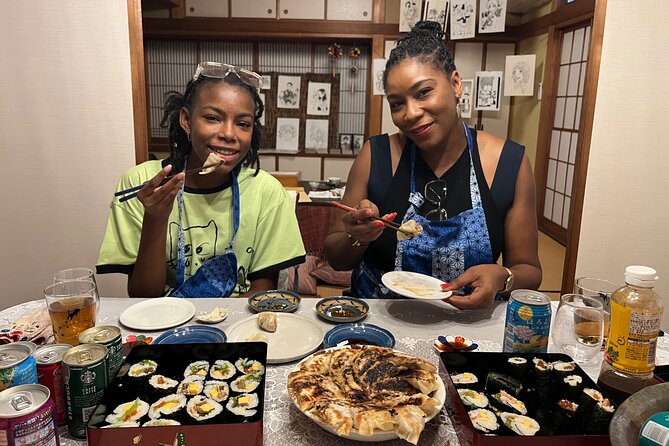
Next comes handmade gyoza. Dumpling folding is the skill people remember later, because it is physical and satisfying. You fold the dumplings by hand and then cook them to perfection with the host’s guidance.
The important part here is that gyoza is not just a recipe. It is technique. You learn how to shape, how to fold, and how to think about the end result so it comes out as dumplings, not just dough shapes.
This is also where the small-group size helps. With max 6 travelers, Yuka can check what you are doing and adjust you quickly. That reduces the frustration that can happen in cooking classes where everyone is left to figure it out alone.
And yes, the food tastes like something you made. There is a real psychological bonus to that. You spend time learning, and then you eat what your hands built.
The Value of This Format: Culture Plus Cooking, Without the Awkwardness
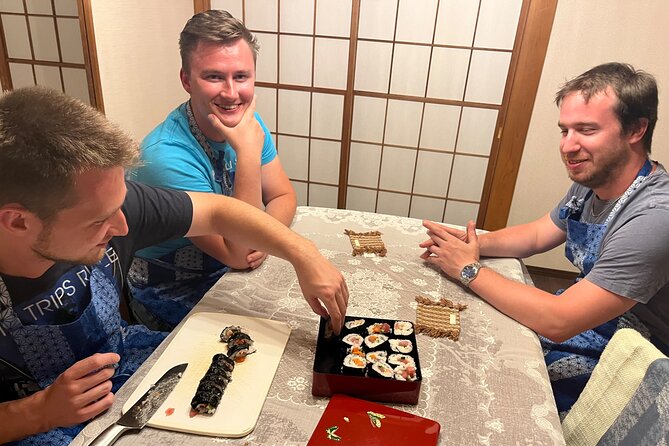
A lot of experiences try to blend culture and food, then end up stuck in between. This one works because it has two clear halves and the host keeps the tone warm. The tea room options help you connect to Japanese traditions in a way that feels personal, not performative.
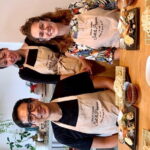
Then cooking takes over with straightforward output: sushi rolls and gyoza. You leave with both skills and memories you can actually show people. The tea room also gives you a visually strong backdrop, and you get photo opportunities with your culinary creations.
I also appreciate the hospitality details that make it feel human, not transactional. Yuka was thoughtful enough to bring umbrellas when weather looked like it might turn. That kind of care might sound small, but it instantly makes you trust the experience.
Price and Timing: Is $71.53 Worth It for What You Get?
At $71.53 per person, this sits in the middle of the “nice but not cheap” category. For me, the value comes from three places.
First, it is not a generic cooking demo. You do the work hands-on, including sushi roll making and folding gyoza. That kind of instruction and hands-on time costs something, especially in a private home setting.
Second, you get cultural time built in, not stuck on as an extra. The chashitsu tea room option adds an hour of matcha and sweets, or an art option, or just quiet relaxation on tatami. That makes the experience more complete than a fast food workshop.
Third, the group size caps at 6, which usually means you get more real attention. In cooking classes, attention can be the difference between learning a technique and just following steps until your food looks wrong.
Duration is about 2 hours 30 minutes, starting at 10:30 am. That is a comfortable block for a day in Yokohama, and ending back at the meeting point keeps logistics simple.
If you hate early starts or you are trying to fit three activities into one morning, you might find it tight. But if you want one focused experience, it is a good time slot.
What to Bring (and What to Expect From a Residential Home)
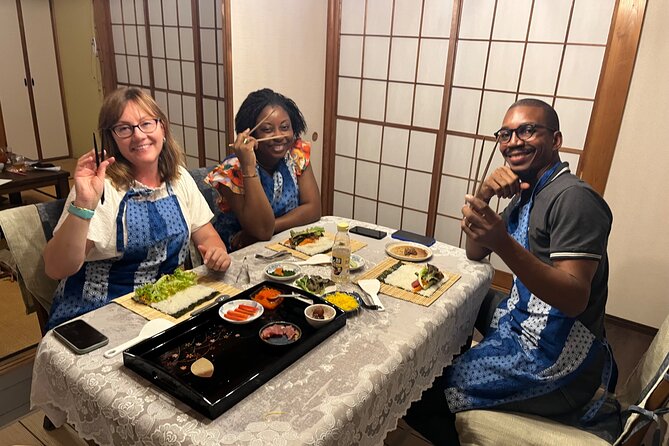
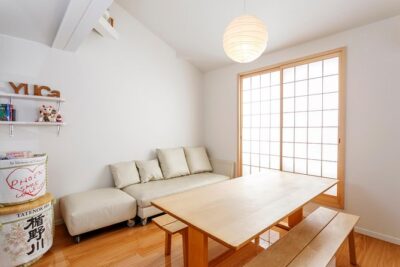
You will be in a traditional Japanese home environment, using tatami and moving between tea space and kitchen. That means you should plan for a quieter, more etiquette-based setting than a restaurant.
Because the class is hands-on, expect that your clothes might get a little messy during cooking. Wear something comfortable and easy to sit in, and consider bringing a small towel if you want to be extra prepared.
You will also appreciate light rain planning. Since umbrellas came up for Yuka when weather looked questionable, it is smart to check forecasts and dress accordingly.
Language-wise, Yuka speaks English well, which reduces the stress of trying to communicate while cooking and tasting.
Who This Experience Is Best For
This is best for travelers who want something more personal than a typical group class. If you like small-group settings, and you enjoy hands-on learning, you will probably love it.
It also fits well if you are interested in matcha culture but do not want a long, formal ceremony. You get a matcha tasting introduction, plus the option of matcha latte, which keeps it approachable.
Finally, if you enjoy photos that look like Japan beyond street signs and station shots, the tea room setting is a great backdrop. You are not just taking pictures while standing there. You are photographing your food, and that usually looks better.
Should You Book This Yokohama Matcha Sushi and Gyoza Class?
I think you should book it if you want a small-group experience in a real Japanese home, with two teachable skills you can actually repeat later: sushi rolls (maki) and handmade gyoza. The tea-room options make it more than a cooking class, so you get both culture and food in one clean package.
Skip it if you only want the cheapest option, or if you strongly prefer large, high-energy group activities. The intimate setup is the point here, and it may feel slower or more personal than some people expect.
If you are in Yokohama around the 10:30 am start time, this is the kind of day that balances calm and hands-on fun, without feeling fake.
FAQ
Where is the meeting point, and where do we end?
The experience meets at Odoriba Station (1 Chome-1 Nakatahigashi, Izumi Ward, Yokohama, Kanagawa 245-0013, Japan). It ends back at the same meeting point.
What time does the experience start, and how long is it?
The start time is 10:30 am, and the duration is approximately 2 hours 30 minutes.
What can I choose to do in the tea room before cooking?
You can choose one of three options: a tea ceremony experience with matcha tasting (or matcha latte), manga-style illustration using authentic tools, or relaxation time with Japanese sweets and tea.
What dishes will I learn to make?
You will make sushi rolls (maki) and handmade gyoza (dumplings), with guidance from the host.
How big is the group, and will the host be able to guide in English?
The maximum group size is 6 travelers. The host, Yuka, spoke English well during the experience.
Can I cancel for a full refund, and are service animals allowed?
Free cancellation is available up to 24 hours in advance for a full refund. Service animals are allowed.
More Cooking Classes in Yokohama

More Tour Reviews in Yokohama



Not for you? Here's more nearby things to do in Yokohama we have reviewed



Cooking Classes, side by side.
 ★ 5.0Ramen & Gyoza Cooking Class in Tokyo with Local Supermarket VisitFrom $122823 reviews
 ★ 4.6Easy Ramen Cooking Experience in Kabukicho, ShinjukuFrom $29321 reviews
 ★ 5.0Ramen and Sushi Cooking Class with Sake Pairing Set in TokyoFrom $79291 reviews
 ★ 4.9Wagyu and 7 Japanese Dishes Cooking ClassFrom $67273 reviews
 ★ 5.0Tokyo Washoku 4-hour Cooking Class: From Market to TableFrom $79253 reviews
 ★ 5.0Small-Group Wagyu Beef and 7 Japanese Dishes Tokyo Cooking ClassFrom $72190 reviews
 ★ 5.0Private Home Cooking in Yanaka – Local Flavors in a Warm SettingFrom $122173 reviews
 ★ 5.0Tokyo Sushi Making Experience & Japanese Cooking ClassFrom $59150 reviews
This tour also belongs to