Review · TOKYO
Japan Classic 10 Day – One Life Adventures
Ten days, one relentless Japan route. In Japan Classic 10 Day, One Life Adventures stitches together Tokyo icons, Hakone mountain views, and Kyoto and Osaka classics, with guided momentum and a Tokyo-to-Osaka finish. You will see a lot, but it is the kind of busy that feels organized.
I especially like the food-and-culture mix. You get a sushi-making class connected to Tsukiji, then later you do a Takayama morning market walk, sake tasting, and an Osaka Dotonbori food experience that makes the trip feel practical, not just photo stops.
Just know the tradeoff. This is active, fast-paced, with a lot of walking and frequent moving days, so it can feel exhausting if you want long, slow sightseeing breaks.
Key highlights to know before you go
- Early starts that cut down crowd time: Fushimi Inari and Arashiyama both happen early to help you beat the rush.
- Hands-on food moments: sushi rolling plus real meals around yakitori alleys, nabe dinners, sake tastings, and Dotonbori food.
- A guide-led flow that keeps logistics simple: orientation includes Japanese customs and phrases to get you moving confidently.
- Classic sights plus calmer temple time: Daitoku-ji gives you quieter Zen-garden time away from the busiest areas.
- Real cultural activities, not just sightseeing: kendo training in Kyoto is included as a full-on, physical class day.
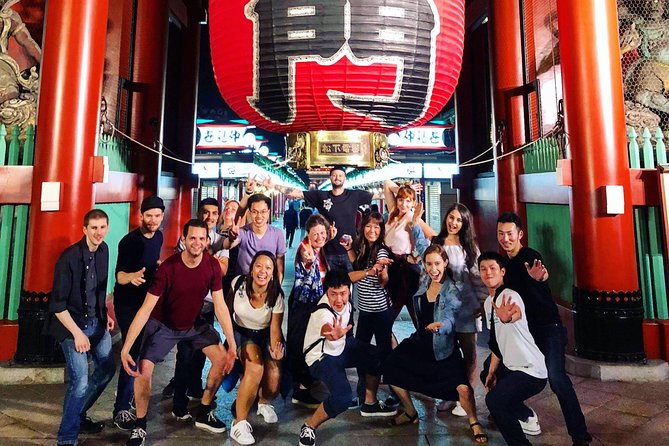
- Small group size: capped at 22 people, so you are not lost in a sea of strangers.
The core idea: a guided sprint that still feels organized
This tour is built for people who want a lot of Japan in a short time, without having to plan every train, ticket, and meeting point. The rhythm is simple: guided sightseeing blocks, meals included on several days, then travel to the next base city.
You will get a lot of “move, look, learn, move again.” That sounds intense, and it is. Still, the best part is that the pacing is planned, with orientation early on and a consistent guide to keep you from wasting time figuring things out.
A big plus is where it ends. You start in Tokyo and finish in Osaka, so you get that classic Japan arc without backtracking. The tour also provides detailed instructions for getting to the airport at the end, and they can arrange bullet train rides back to Tokyo for an additional cost.
You can also read our reviews of more tours and experiences in Tokyo.

Day 1 in Tokyo: Senso-ji plus group dinner energy
Day 1 starts with Senso-ji, Tokyo’s famous temple area. This is the kind of stop where you get immediate context for how older Japan sits in the middle of a modern megacity.
After that, you start with a group meal first. That matters more than you might think on day one, because it sets the tone. You will meet your group and settle into the shared plan before heading out to explore.
Practical tip: Senso-ji is a high-foot-traffic area. Wear shoes that do not punish your feet by evening. Your first day is also a good time to get comfortable reading station signs and finding meeting points.
Day 2 in Tokyo: Harajuku youth culture, Meiji Jingu calm, and Akihabara neon
Tokyo day two has three big mood shifts. You begin around Harajuku Station, then step into Yoyogi Park and Meiji Jingu Shrine, then power over to Akihabara.
Harajuku gives you the teen-pop-culture side of Tokyo, with shops and street energy. Meiji Jingu is the contrast, a shaded shrine and garden-feeling break that helps your brain reset. Then Akihabara brings the neon again, the “electronics and anime everywhere” zone that most people either love instantly or need a bit of time to adjust to.
If you want the “Tokyo in one day” feeling, this works. The downside is that you cannot linger the way you might on a self-guided trip. You will be moving between districts and it helps to accept that upfront.
Day 3 in Tokyo: Tsukiji sushi class, Shinjuku skyline, and Omoide Yokocho yakitori
Day 3 is food-forward. First is Tsukiji Fish Market, followed by a sushi-making class. That class is one of the most valuable parts of the itinerary because it turns a famous food location into a skill you actually take home.
You also get a sushi lunch as part of the experience, then head to the Tokyo Metropolitan Government Building observation decks for skyline views. This is a smart stop on a group tour because it is simple logistics and rewards you fast.
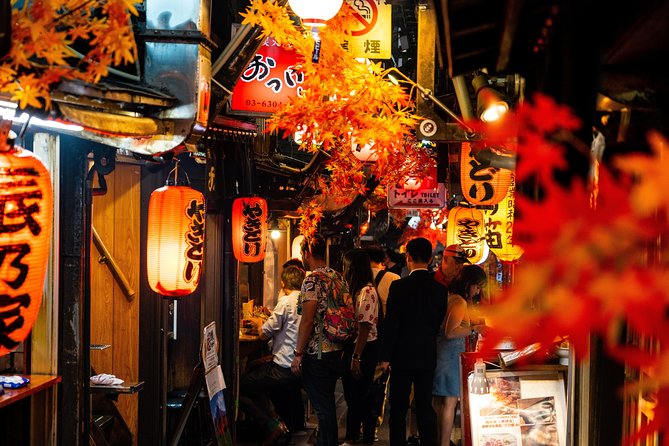
Then comes Shinjuku area time and Omoide Yokocho. That yakitori alley is the kind of place where the atmosphere does half the job for you. Even if the name gets a chuckle from your group, the point is that you eat local-style skewers and beer while you still feel inside Tokyo’s nightlife.
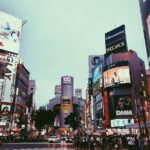
The day ends at Shibuya Crossing. It is famous for a reason, but your tour puts it in a broader Tokyo day, not as a random photo stop.
Footnote for your comfort: Shibuya and Shinjuku can mean lots of standing and walking. If you know you get sore legs easily, pack a light layer and consider bringing blister prevention.
Day 4: Hakone Romance Car, ropeway, Lake Ashi, and a mountain nabe dinner
Leaving Tokyo on a Romance Car is a classic move, and it sets the tone for Hakone as a scenery day rather than a museum day. You check into a mountain guesthouse, and that change of environment matters. Cities can blur together, but mountains slow everything down.
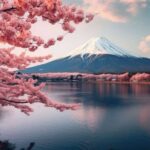
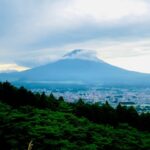
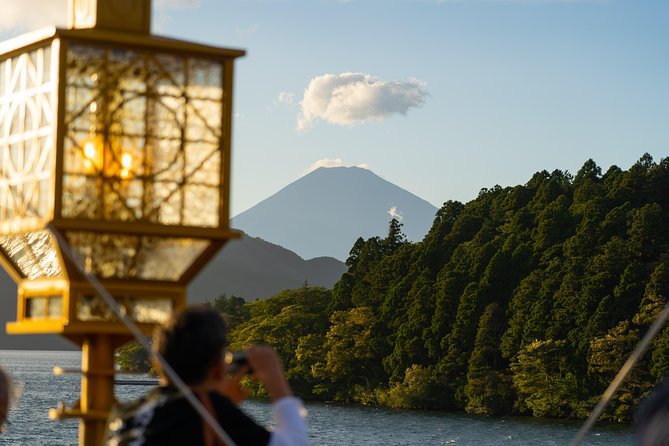
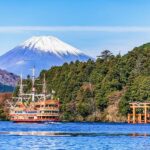
You ride the Hakone Ropeway, then head to Lake Ashinoko for a pirate ship cruise. On clear days, you can get great views of Mt. Fuji, and even when clouds show up, the lake-and-mountain scenery is still the reason to come.
The evening features a typical Japanese nabe dinner at the traditional guesthouse. If you only eat convenience-store food during a trip, you miss what makes Japan feel like Japan. Here, you get a full sit-down meal in a setting that supports the mood.
Reality check: this is still a day with travel and activities. It is not a lazy day, but it is a satisfying one.
Day 5: Bullet train to the mountains, plus Harada Sake Brewery and possible Hida beef
Day 5 keeps the momentum. You take a bullet train to Nagoya, then a scenic train journey through the mountains toward Takayama. That train ride is part of the experience. It is how you transition from Tokyo-style speed into a more traditional regional Japan rhythm.
In the afternoon, you visit the Harada Sake Brewery. Sake tasting is included, and you also have the chance to try infamously tasty Hida beef. Even if you do not go big on the beef, the brewery stop gives you a cultural food thread that continues the trip’s theme.
Practical tip: tastings can mean you are walking around and you might snack on different things. Eat something before you go big on tastings, especially if you have a long evening ahead.
Day 6: Takayama morning market and Kyoto arrival with included time in Gion
Day 6 begins with the Hida-Takayama Miyagawa Morning Market. Walking the old town and then browsing along the Miyagawa River is a great way to see local life. Markets teach you what people actually buy, not what only tourists buy.
Then the pace shifts again as you head back toward Nagoya and take the final bullet train to Kyoto. Kyoto on a group tour can either feel overwhelming or feel like it has structure. In this itinerary, the structure helps.
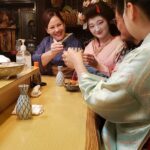
You then head to Gion in the evening, with time included for the area. Gion is one of those places where the streets make you lower your voice automatically. You get the vibe of tradition and the “look around slowly” feel, even if the clock is still moving.
Day 7: Early Fushimi Inari gates and Kiyomizu-dera Temple
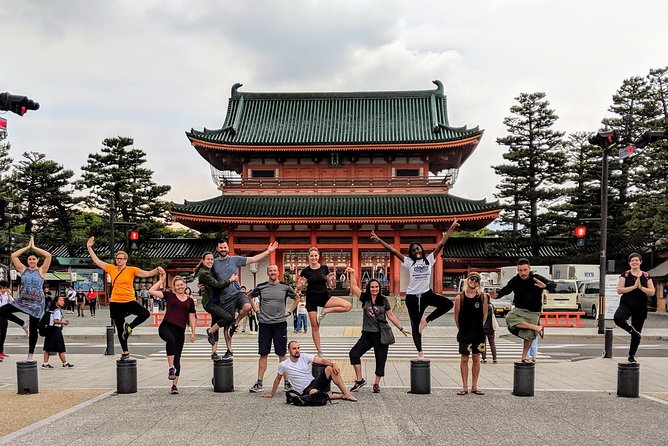
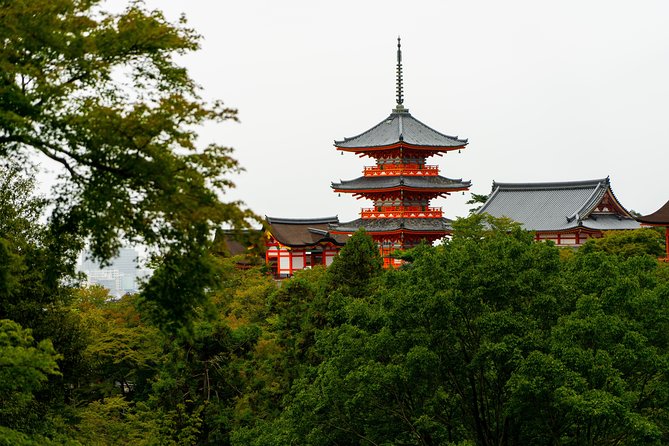
Day 7 is built around two major Kyoto sights. First is Fushimi Inari-taisha Shrine, and you go early to escape the crowds. That early timing is not a small detail. It changes how the shrine feels, from chaotic to walkable.
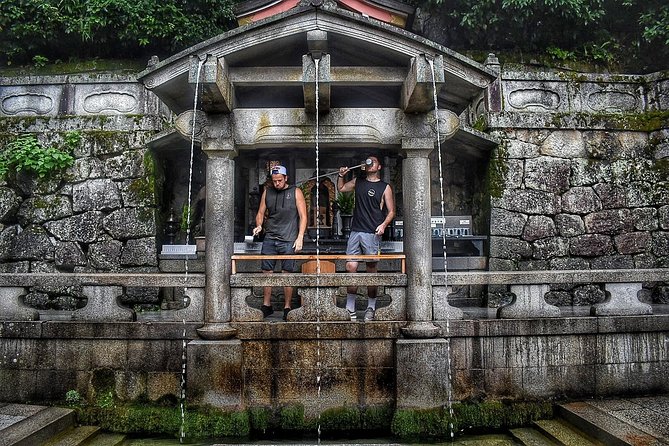
Then you move to Kiyomizu-dera Temple. The setting is part of the draw, a wooden complex that sits high up on the mountainside. Your tour gives you time to see it as more than a landmark.
Because the day includes subway time and temple blocks, expect a lot of stairs and walking. It is not a “rest your feet” day.
A smart strategy: hydrate early and take short breaks. If you wait until you are tired, you will rush the second half.
Day 8: Kinkaku-ji, Daitoku-ji Zen garden time, and kendo in Kyoto
Day 8 brings you a balance of famous and quieter experiences. You start with Kinkakuji, the Golden Pavilion. Seeing it in person is one of those “yes, that is exactly what it looks like” moments, and the water reflection helps.
Then you head to Daitoku-ji, a quiet temple complex and a Zen garden stop away from the main tourist districts. This is a nice counterweight on a tour like this because it breaks the pattern of “big famous sight, next sight, next sight.”
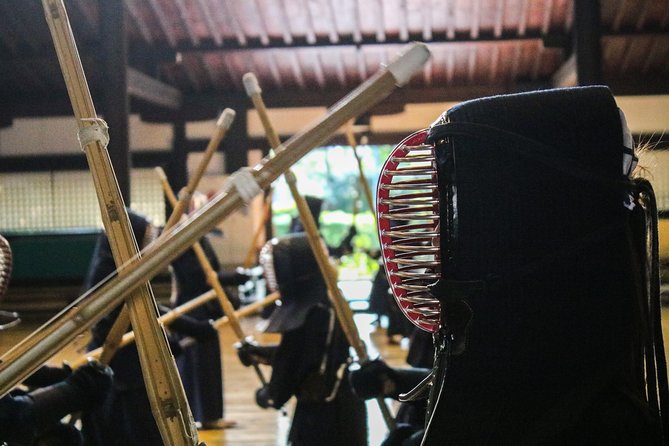
The afternoon is kendo class at the Kyoto Budo Center. This is one of the more interesting inclusions because it is not about looking. It is about doing. If you have any interest in Japanese martial traditions and discipline, this class gives you a real taste of the physical side.
Note for comfort: kendo means moving. Wear athletic clothes you can move in. Even if you are not into martial arts, it is still an engaging cultural activity.
Day 9: Arashiyama bamboo early, Monkey Park steps, row boat in the valley, and Osaka Dotonbori
Day 9 starts in Arashiyama. You beat crowds again, which makes a big difference on a popular area like this. You walk the bamboo forest street, then head up to Monkey Park Iwatayama, where you climb steps to see Japanese macaques.
Next comes a row boat time that lets you explore the valleys in a more traditional way. This is a good contrast to the steps and walking, because it slows you down for a bit.
Then it is train to Osaka. After checking in, you head into Dotonbori, often called the kitchen of Japan. This is street food energy with big visuals and a lot of activity. Your tour includes a food tour portion here, which helps you eat well without guessing.
The day ends with karaoke. That sounds touristy on paper. In practice, it is a fun group closing activity, a way to bond before day 10.
Day 10: Saying goodbye in Osaka, then onward planning
Day 10 is mostly a wrap-up day. You say goodbye to your group and new friends, and the tour ends at your Osaka accommodation.
If you are continuing travel, this final day matters because you want to avoid surprises with directions to the airport. The tour provides very detailed instructions for reaching the airport from the end point, and they can arrange bullet trains back to Tokyo at additional cost.
Price and value: what $6,629 is really paying for
$6,629 is not a budget deal, but it also is not just a pile of ticket costs. You are paying for guided logistics across multiple cities, a capped group size (max 22), and several included, paid experiences and meals.
What you get that often drives cost on your own:
- Several guided sightseeing blocks in Tokyo, Hakone, Takayama, Kyoto, and Osaka
- Included meal support, including lunch plus breakfast (4) and dinner (3)
- Included activity costs for parts like sushi-making, Hakone ropeway and Lake Ashi cruise, sake tasting, temple and shrine access time, and the kendo class
- Transportation planning across big legs, including Romance Car to Hakone and bullet train segments
What is not included keeps the total from being all-in:
- International flights
- Travel insurance
- Pre and post tour accommodations
- Arrival and departure transfers
- Tipping
So is it good value? For the right traveler, yes. If you hate planning trains, meeting points, and the order of sights, a guided route like this can save real time and reduce stress. If you want slow travel, you might feel like you paid for speed.
Who this tour suits best, and who should reconsider
This fits best if you want:
- A high-structure, guided Japan route from Tokyo to Osaka
- Hands-on food moments, including sushi-making
- Early starts for major shrines and districts
- A mix of classic sights plus one real activity day (kendo)
- The social comfort of staying in a small group up to 22 people
You might want to reconsider if:
- You prefer to linger at temples for half a day and not worry about a schedule
- You dislike walking a lot on consecutive days
- You need frequent rest breaks to keep travel from draining you
Also, if you are the type who thinks you can “tough it out” with a few blisters, this itinerary will punish that idea.
What to pack and how to make the pace feel doable
Because this tour is active and fast-paced, packing matters more than usual. Bring comfortable walking shoes that already fit well. Plan for stairs and crowded areas, especially in Tokyo districts, Kyoto temple days, and Arashiyama.
A light day bag helps. You will have days with short breaks and then moving again. Keep a small power bank if you rely on maps and photo storage.
Finally, treat this as a rhythm, not a marathon you can sprint through. On days like Fushimi Inari and Kiyomizu-dera, take short pauses early. If you wait until later, you end up rushing the views you paid for.
Should you book Japan Classic 10 Day?
If you want the classic Tokyo-to-Osaka arc with a lot of included experiences, I think this tour makes sense. The biggest wins are the food-and-culture inclusions (sushi-making, sake tasting, market time, Dotonbori food), the early crowd-cut strategy at major stops, and the mix of famous sights with quieter temple time like Daitoku-ji.
I would only not book it if you are strongly committed to slow travel. This is a tour that rewards energy and planning your rest like it is part of the itinerary.
If you do book, do one thing for your future self: go in knowing it is active. Then you will enjoy it for what it is, not complain about what it is not.
FAQ
How long is the Japan Classic 10 Day tour?
The tour is approximately 10 days.
Where does the tour start and where does it end?
It starts in Tokyo, Japan and ends in Osaka, Japan. The tour ends at the accommodation in Osaka.
What is the maximum group size?
The tour has a maximum of 22 travelers.
Is this tour using a mobile ticket?
Yes, the tour uses a mobile ticket.
What meals are included?
Lunch is included. Breakfast is included for 4 days, and dinner is included for 3 days.
What activities are included during the trip?
The itinerary includes activities such as sushi making, a Hakone ropeway and Lake Ashi cruise, sake tasting, temple and shrine visits, a kendo class, and karaoke in Osaka.
What is not included in the price?
Tipping, pre and post tour accommodation, arrival and departure transfers, international flights, and travel insurance are not included.
Is the tour physically demanding?
Yes. Travelers should have a moderate physical fitness level, and the tour is described as active and fast-paced with a lot of walking.
Can I get a refund or change my booking after it is made?
No. The experience is non-refundable and cannot be changed for any reason.