
Review · TOKYO
Let’s make kimono !(Kimono is a gift for you
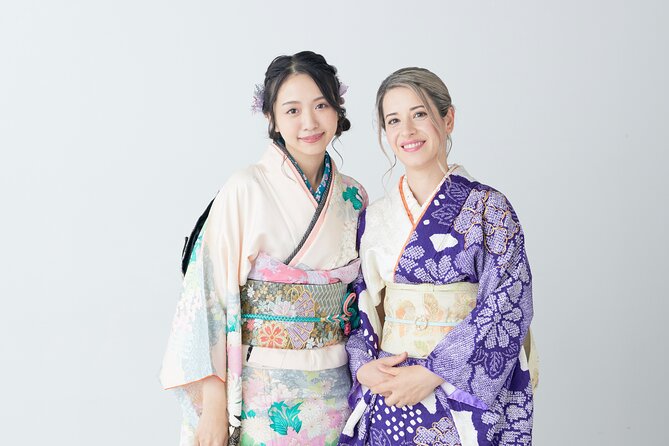
Kimono making in Tokyo can feel intimidating. This small-group workshop turns it into an afternoon you can actually manage, with a free obi rental and real tailoring. You pick a vintage piece, get helped to fit it to your size, and end with photos in your finished look.
I especially like how much choice you get before you cut and adjust anything, and how the staff work with you like a crafting class, not a rushed photo stop. A possible drawback to keep in mind: some parts of the process are about altering and remaking the vintage garment, and depending on what you choose, it may not match a strict, traditional kimono experience.
What You Are Really Buying for $43.11
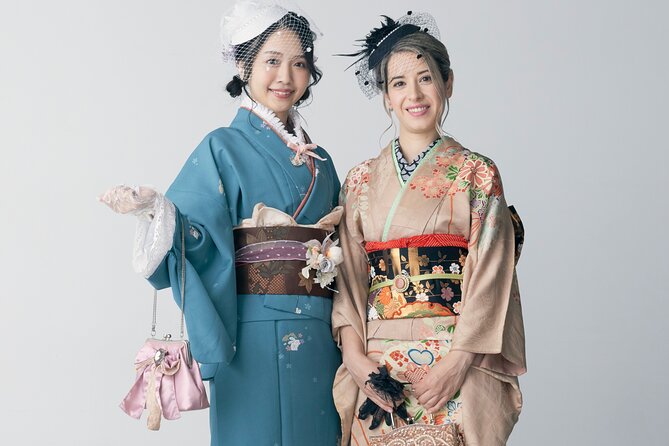
This is a kimono workshop that focuses on making a wearable souvenir you can take home, not just trying on a costume. The core idea is simple: you select a vintage kimono, your kimono is customized to fit you, and you learn how to wear it properly when you leave. The duration is about 1 hour 30 minutes, which is a sweet spot for travelers who want something hands-on without losing the entire day.
Value starts with the included basics. In addition to your kimono, you get a free obi rental, plus free accessory rentals like obiage, obijime, and an obi pillow. Those small items matter, because they affect how the outfit holds together. You skip a lot of the generic rental chaos you see at big counters and instead get a studio setting where your outfit becomes your project.
The other value driver is the small size. This experience caps at 5 travelers, so you are not just standing around waiting for someone to finish one faster party before yours.
A final trust check: the provider highlights a Gold Award at the Omotenashi Selection, chosen by a panel of foreigners living in Japan. That does not guarantee perfection, but it does suggest the service side has been tested by people who care about experience quality, not just sightseeing.
A Small-Group Kimono Workshop in Kiba, Tokyo
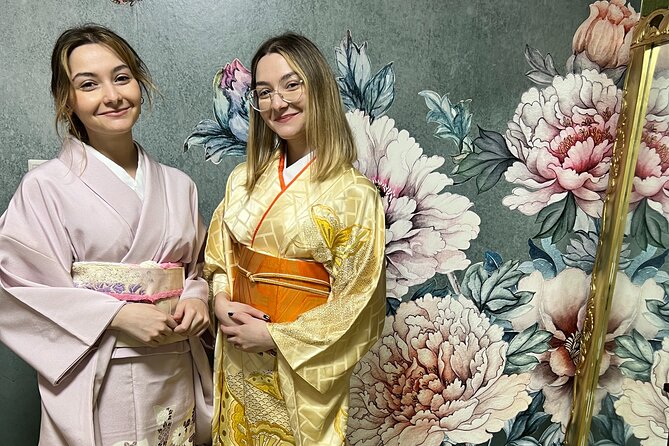
You meet in Koto City at 6-chōme-8-6 Kiba, Tokyo. It is in a residential area, not a slick tourist complex, and that is part of the charm. Several people found it easy once they got directions, even when the location felt less obvious at first.
Because it is near public transportation, you can pair it with other neighborhood walking plans in east Tokyo without stress. You will also want to plan on good timing for your session, since the format includes dressing and fitting steps that work best when you arrive ready to start.
The experience is offered in Tokyo morning or afternoon sessions. That matters if you are trying to avoid peak heat, cram less into your first day, or line up your kimono workshop with a photoshoot window later.
Also, the class is practical about how it runs. You get a mobile ticket, and confirmation is received at booking. Service animals are allowed, and most travelers can participate.
You can also read our reviews of more tours and experiences in Tokyo.



Choosing a Vintage Kimono You Actually Want to Wear
Your first big moment is picking your kimono. You choose from vintage prints and textiles, and the selection includes options that are included in the basic price plus others that cost extra. Reviews mention that the add-ons are not wildly inflated, and you often still feel the upgrade is worth it if you want something more ornate.
The workshop is set up so your kimono selection becomes your personal style project. That is why it feels more satisfying than a standard rental: you are not picking between limited sizes and whatever is on a rack. You can aim for a look that suits your taste, then let the staff help you adapt it.
One note to avoid disappointment: these are vintage garments. The provider warns there might be stains in some areas. That does not mean it will be gross, but it does mean you should expect real-life fabric history, not showroom perfection.
If you want the best chance of feeling delighted, do this before you start worrying about fit. Pick the color and pattern you love, then trust the fitting and alteration steps to handle the rest.
How the Fitting Works for Women, Men, and Kids
This workshop has different paths depending on who you are dressing. That keeps the process efficient, and it also avoids forcing one method on every body type.
Women’s kimono: fit, learn, then photos
For women, you select your kimono (upgrades can add JYP 2,000 to 6,000, depending on what you choose). You customize it to your size and learn how to wear it. Then comes photo time in your finished look.
What I like here is the focus on learning to wear it, not just draping it once. That means the outfit feels usable, not like a one-time costume.
Men’s kimono: name in Kanji plus ironing steps
Men choose their kimono, and there is an additional option for a set that includes a haori and kimono (listed as extra JYP 2,000). A fun and very personal touch is printing your name in Kanji, plus choosing the color of the font.
The process also includes an ironing step for the kimono, followed by photo time. This is a good reminder that kimono clothing care matters. Even if you have never ironed anything traditionally, the class format is built to make it manageable in the time you are there.



Kids’ kimono: different itinerary, less complicated adjustment for some
Kids can join, with separate children’s kimono experiences. Girls’ kimono selection can mean less adjustment because some sizes do not require cutting. Boys’ kimono includes printing a name in Japanese on the collar.
The important practical part: children’s sessions have a different itinerary from women’s sessions. That is one reason the experience can feel easier for families, because the clothing process matches the kid-sized garment approach.
A common value in families is that the staff are patient, especially when you are dealing with kids and attention spans. If you are traveling with children, this kind of tailored flow saves time and frustration.
The Obi Setup and Optional Upgrades That Matter
The obi changes the whole look. Here, the obi rental is free, and you can also purchase one if you fall in love with how it finishes the outfit. The class also includes rental of obiage and obijime, plus an obi pillow, which all help you tie and position everything correctly.
Reviews mention that people who wanted a more fancy fabric or more complete set sometimes paid extra for upgraded items. That is not surprising, because the basic included pieces are designed to keep the main price affordable.
So here is the practical way to think about it: if you want the outfit to feel very special in photos and when you wear it again later, be ready to budget a little extra. If you are happy with the basics, you can keep costs under control while still leaving with a full wearable set.
Photo Time: Why It Is Part of the Experience, Not Just an Add-On
Many kimono activities end at dressing you and sending you out. This one builds a closing moment with photo time right after you finish customizing and learning the wear steps. That timing matters because your fit is fresh, your obi positioning is correct, and you have momentum.
There are also mentions of staff sending photos after the workshop, which helps if your phone battery dies or you want a better backup than a shaky selfie.
For me, the best photo moments happen when you leave the studio looking like you belong in the outfit. The focus on tailoring and fit in this class supports that. You do not just borrow the look, you build it.
Price, Extras, and When This Workshop Feels Like a Great Deal
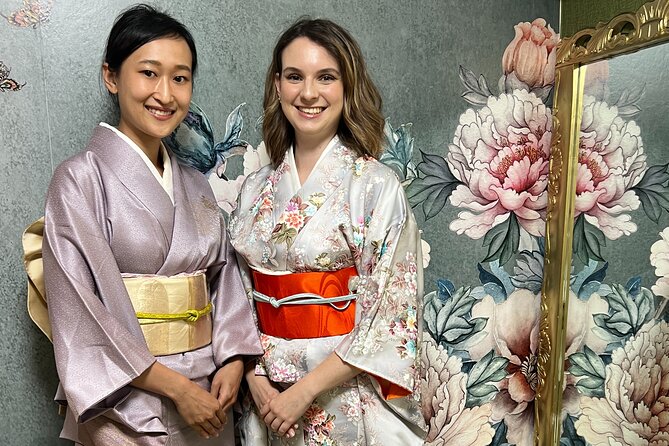
At $43.11 per person, the price is surprisingly reasonable for a workshop that includes a kimono and key accessories, with customization to your size. You are paying for three things at once: garment selection, hands-on alteration, and guidance to wear it correctly.
Now for the honest part: upgrades exist. Women’s upgraded kimono options can add JYP 2,000 to 6,000. Men may have a haori plus kimono set option for extra JYP 2,000. Obi can be rented for free but purchasable if you want it.
Some reviews criticize the workshop concept by saying it is more about cutting and remaking than making a strict, traditional kimono. I think that is the key expectation check. If you want a pure historical recreation of how a kimono is sewn from scratch, this is not that. If you want a guided, hands-on approach to turning vintage fabric into a wearable, photo-ready outfit with a learning component, it fits the bill.
For value, ask yourself this question before you book: do you want to wear a kimono style outfit you can actually put on again later, even if it is simplified or altered? If yes, the experience’s pricing and approach makes more sense.
What to Expect in the Studio Moment to Moment
The workshop is designed to feel doable. Reviews repeatedly describe clear communication and simple construction techniques that work within the time you have. You choose a kimono, get sized and fitted, then do the adjusting work with guidance.
For some participants, it can start in a way that feels like you are in the wrong place, because it is in a home-like studio setting in an older district. Then you realize you are exactly where you need to be. The studio environment tends to feel comfortable, more like a welcoming workspace than a storefront.
You should also plan mentally for some cutting and alteration steps. That is part of the transformation. Reviews mention taping up seams and using tools like ironing during the fitting.
If you want to maximize your outcome, show up with patience, wear clothing that is easy to move in during the dressing process, and bring curiosity. This is not a lecture hall. It is craft and fitting.
One more balanced note: a few reviews wished for more structured history about kimono tradition. If you love culture talks as much as hands-on making, you might do best by asking questions during the process. The staff seem friendly and open to explanations when prompted.
Getting Your Session Right, What to Bring, and Practical Tips
Because you are dressing up, your biggest practical decisions are what you wear before and after. The workshop does not include Japanese sandals and tabi, so you will likely need to plan on footwear separately if you care about the full traditional foundation. During the class, you can focus on staying comfortable since the dressing steps take up your attention.
Also remember that kimonos are not one-size-fits-all. Even if you are taller or bigger than average, the workshop is built for customization. Reviews specifically mention staff helping with fit for bigger bodies, which is a relief if you worry that a rental size will never work for you.
Bring a few practical mindsets:
- Decide your style preference first, then trust fit help.
- Expect some fabric history, including possible stains since garments are vintage.
- Use photo time. You are investing in a finished look, so let the camera catch it.
Finally, this experience runs for about 1 hour 30 minutes. Keep your schedule clean before and after, so you can arrive on time and leave without racing to your next reservation.
Should You Book This Kimono Workshop?
Book it if you want a hands-on kimono workshop Tokyo experience where you choose your vintage outfit, get fitted, learn how to wear it, and leave with a souvenir you can use again. The small group size, free obi rental, and photo time make it feel complete for the money.
I would hesitate only if you want a lesson-heavy, tradition lecture style experience, or if you are expecting an exact, fully traditional kimono making process from raw materials. The workshop is about remaking and tailoring vintage garments so you can wear them comfortably and confidently.
If you can accept vintage character, minor stains, and an alteration-based method, this is a fun, practical way to get out of tourist mode and into something real.
FAQ
How much does the kimono workshop cost?
The price is $43.11 per person.
How long is the experience?
It lasts about 1 hour 30 minutes.
Is an obi included?
Yes. A free obi rental is included. An obi may also be available for purchase.
Can I choose a basic kimono or upgrade it?
Yes. You can choose a basic kimono or upgrade for a more ornate option, with additional charges for upgraded kimono options.
Are morning and afternoon sessions available?
Yes. Morning or afternoon sessions are available to fit your schedule.
Can kids join the experience?
Yes. Children can join with children’s kimono experiences, and there are separate approaches for girls and boys.
Are the kimonos vintage?
Yes. The kimonos are vintage, and they might have stains in some areas.
What is included, and what is not included?
Included: the kimono, obi (free rental, available for purchase), and obiage, obijime, and an obi pillow (free rental, available for purchase). Not included: Japanese sandals and tabi.
Is the experience refundable if I cancel?
No. The experience is non-refundable and cannot be changed for any reason.











