
Nikko Toshogu is where history looks back at you through gold leaf and wood carving. This ticket gives you admission to the UNESCO Nikko Toshogu Shrine complex and a simple way to get in after exchanging your digital voucher at Tobu Nikko Station.
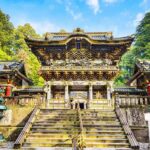
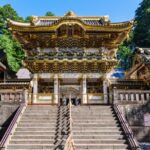
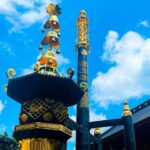
I like two things a lot. First, the shrine setting: more than a dozen buildings laid out in a forested area, so your visit feels like moving through a living museum. Second, the craftsmanship, with countless wood carvings and heavy gold leaf that feels different from Japan’s usual preference for plain, understated shrine design.
The one drawback to plan around is that this is not a direct-entry digital ticket. You must exchange it for a physical ticket at the Tobu Nikko Station Tourist Center, and you’ll need to show the correct smartphone usage screen after exchanging.
Key highlights you’ll care about
- UNESCO Nikko Toshogu Shrine admission included, so you’re paying for entry, not just a label
- Wood carvings and gold leaf that make the complex look almost unreal in person
- Tokugawa story on-site, tied to Tokugawa Ieyasu and expanded by his grandson Iemitsu
- Shinto and Buddhist elements mixed, visible across the site’s details and symbols
- Easy access route from Tobu Nikko Station by bus, then a short walk
- Time-saver at the station when you exchange your voucher quickly and move on
Toshogu Ticket Basics: What Your $10 Admission Is Really For
This experience is straightforward: it’s a paid admission ticket to Nikko Toshogu Shrine after you exchange your digital voucher at the station. At around $10 per person, you’re essentially paying to get into one of Japan’s most famous shrine complexes without sorting out a separate ticket line.
The key point is that your money goes to entrance, not guided storytelling, not a full-day sightseeing circuit, and not transportation from your hotel. You still handle getting to Nikko and getting to the shrine from the nearest bus stop.
If you like your “must-see” sites to feel special, Toshogu delivers. You’re stepping into the memorial to Tokugawa Ieyasu, and the complex grew into its spectacular form during the early 1600s under his grandson Iemitsu. That history matters while you’re there, because you’ll see the shrine treated like political and spiritual messaging, not just a place for quiet worship.
You can also read our reviews of more tours and experiences in Nikko.

Getting There the Practical Way: Train, Bus, Then 10-Minute Walk
You’ll start with an express train from Tobu Railway Asakusa Station to Tobu Nikko Station, about two hours. From Tobu Nikko Station, the directions point you to the Tobu Bus World Heritage Tour Route.
That bus ride is about 15 minutes to the Omotesando bus stop, then you walk roughly 10 minutes to reach the shrine area.
Why I think this approach is worth your time: it keeps you from second-guessing your route once you arrive in Nikko. You go from rail to a direct bus line designed for world heritage access, and then the final walk is short enough that you won’t feel like you’re burning your energy before you even enter the grounds.
One detail that can help: if you like navigation backups, the coordinates are 36.7580878, 139.5987466.
Exchanging Your Digital Voucher at Tobu Nikko Station: The Step That Makes or Breaks It
This ticket is simple, but it has a single “gotcha.” You cannot enter the shrine with the digital ticket alone. You must exchange your voucher at the Tobu Nikko Station Tourist Center.
The station center is open 8:20 AM to 5:00 PM, year-round. That matters because your visit depends on exchanging early enough to still have time to reach Toshogu and enjoy the site before it closes.
After you exchange the voucher, there’s one more smartphone step. You need to open the usage screen from the link in your voucher email, press the Use button, then show that screen to the staff member. Screenshots and printed versions are not accepted, and you’ll need stable network access.
A small real-world lesson from the experience data: one visitor had trouble with the voucher link earlier, but staff were able to help after they recognized the app. So if something looks broken on your side, don’t panic. Still, I recommend you arrive ready, with the voucher email accessible and your phone data working.
Entering the Toshogu Shrine Complex: More Than One Building
Once you reach the shrine grounds, you’ll notice you’re not visiting one small structure. The complex has more than a dozen buildings spread through a forest setting.
A helpful way to picture Toshogu is as an evolving project. It began as a relatively simpler mausoleum, then was expanded into the richly decorated complex you see today in the first half of the 17th century under Iemitsu. That timeline helps you understand why so much attention is placed on surface details. This is memorial architecture designed to communicate power.
From a visitor-value angle, the complex is well suited to a ticket pass like this because admission gets you access to the whole area. You’re not stuck with a tight timed path, and you can pace yourself based on what catches your eye.
Tokugawa Power in Wood and Gold: What to Look For as You Walk
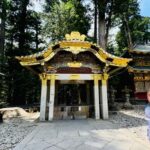
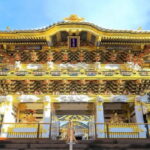
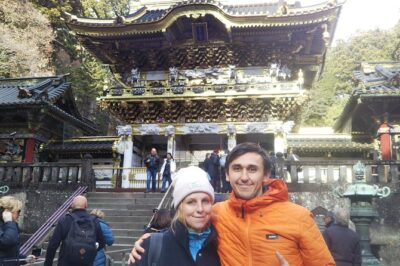
Here’s where Toshogu becomes more than a checklist stop. The shrine is known for countless wood carvings and a large amount of gold leaf used on the buildings. You’ll likely feel the difference the moment you’re close up, because the decoration is not just painted on. It’s built into the architecture.
One contrast I like to keep in mind: in many Japanese shrine traditions, simplicity is often the visual message. Toshogu goes in the opposite direction, turning ornate decoration into a form of authority. You can treat the carvings like a language. Even if you don’t read every symbol, you’ll sense that the complex is saying, this family ruled Japan for over 250 years until 1868, and this is how they wanted to be remembered.
If you want a quick orientation, start by scanning for the big visual statements, then move closer for the carving work. The site is large enough that your eyes need a minute to adjust, and a slow walk helps you actually notice what’s unique rather than just taking photos and moving on.
The Shinto and Buddhist Mix You Can Actually Spot
Toshogu is often described as blending religious elements, and the on-site experience backs that up. The shrine contains both Shinto and Buddhist elements that are intermingled across the complex.
You don’t need a theology degree to catch the vibe shift. As you move through different buildings and decorative motifs, the cues will feel like they come from more than one tradition. That makes Toshogu more interesting than a purely uniform shrine visit, because it’s like walking through layers of belief and culture in a single memorial space.
This is one reason I think the UNESCO label fits: it isn’t just one iconic gate or one statue. It’s a whole environment where different influences share the same stage.
Don’t Let Etiquette Ruin Your Photos (Or Your Time)
Toshogu has clear on-site rules. You’re not allowed flash photography, and you should avoid littering and touching plants.
This sounds basic, but it can change how you experience the place. If you’re used to shooting quickly with flash, you’ll need to adjust your camera settings and rely on available light. I’d also plan your pace so you spend time looking, not constantly checking where you can and can’t stop.
If you care about photos, keep your phone or camera ready, but resist the urge to rush to every exact spot. Toshogu rewards patience, especially once you’re close enough to see the carvings and gold leaf details.
Audio Guide Value: Understanding the Buildings Without Getting Stuck
This is not sold to you as a guided tour, but you can still make the experience much more meaningful.
One person reported that renting an audio guide helped them understand each building and what they were seeing. They mentioned it cost 500 yen. Even if you don’t rent an audio device, you’ll likely get more out of your visit if you slow down and match what you see to the story of Ieyasu and how the complex was expanded by Iemitsu.
If you’re the type who likes to connect dots, budget a bit of time for an audio option. If you’re more of a pure looker, you can still enjoy Toshogu deeply. It’s a site where the visuals carry a lot of the impact.
A Realistic Time Plan for a 1-Day Visit
This ticket is valid for 1 day, so your goal is simple: exchange at the station, reach the shrine, and enjoy the complex at your own pace before closing.
Because opening hours and closing times can change depending on the day and season, I strongly suggest you check the shrine’s official schedule before you commit to a time. The provided guidance points to a page listing changes, and that’s worth using because it prevents that annoying last-minute scramble.
Also, make your exchange plan early in your day. Even though the station center stays open until 5:00 PM, you don’t want to arrive at Toshogu late, with the light fading and your energy drained.
Who This Is Best For (And Who Should Reconsider)
This admission pass is a good fit if you:
- want to see Toshogu Shrine without building a complicated ticket plan
- enjoy architecture and details, especially carving and gold leaf
- like history tied to physical places, not just museum captions
You should reconsider if you need accessibility support. The listing says wheelchair accessible, but it also notes it is not suitable for wheelchair users. Since that conflict is specific, the safest move is to confirm conditions on arrival or with the provider before you rely on the ticket.
If your travel style is “see the main site and keep moving,” this works well. If you want a full guided day with multiple included sites, note that this ticket is for Toshogu admission only, so you’ll likely add other stops yourself.
Should You Book This Toshogu Shrine Ticket?
Book it if you want the practical path to one of Japan’s most decorated shrine complexes, and you’re comfortable doing a quick station exchange. The best value here is clear: you pay for admission, and the exchange setup can save time if you handle the smartphone screen properly.
Skip or pause if you’re worried about voucher link issues or you don’t want any smartphone dependence. The rules require you to exchange and show the usage screen from the email link, and screenshots or printed pages will not work.
Also, go for it if you’re excited about the Tokugawa story and the mixed Shinto-Buddhist atmosphere. Even with limited time, Toshogu is the kind of place where you can feel the site’s intention fast, then slow down for details once your eyes catch up.
If you want to turn the experience into something memorable, plan one extra thing: take a calmer walk, and consider an audio guide rental if it’s available on your visit. That single choice can make the complex easier to read building by building.
FAQ
Where do I exchange my digital ticket?
Exchange it at the Tobu Nikko Station Tourist Center.
What are the Tobu Nikko Station Tourist Center hours?
It is open from 8:20 AM to 5:00 PM, open all year round.
Can I enter Nikko Toshogu Shrine directly with the digital ticket?
No. You must exchange the digital ticket for a physical ticket at the Tobu Nikko Station Tourist Center.
What do I need to show after I exchange the voucher?
After exchanging, open the usage screen from the link in your voucher email, press the Use button, and show that screen to staff. Screenshots and printed versions cannot be used.
What smartphone setup do I need?
You need to access the web screen on your smartphone, so you should ensure you have a stable network connection.
How do I get from Tobu Nikko Station to the shrine?
Take the Tobu Bus World Heritage Tour Route to the Omotesando bus stop (about 15 minutes), then walk about 10 minutes.
What train should I take to reach Tobu Nikko Station?
Take the express train from Tobu Railway Asakusa Station to Tobu Nikko Station, about two hours.
How much does the ticket cost?
The price is listed as $10 per person.
Is flash photography allowed?
No, flash photography is not allowed.
Is the experience suitable for wheelchair users?
The listing includes wheelchair accessible, but it also notes it is not suitable for wheelchair users. If you need accessibility support, you should check on-site or with the provider before going.
More Tour Reviews in Nikko
Not for you? Here's more nearby things to do in Nikko we have reviewed
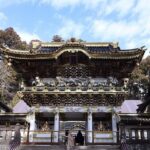
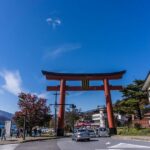
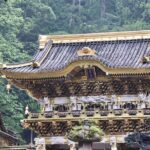
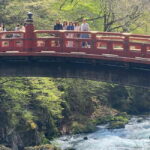
Nikko Day Trips, side by side.
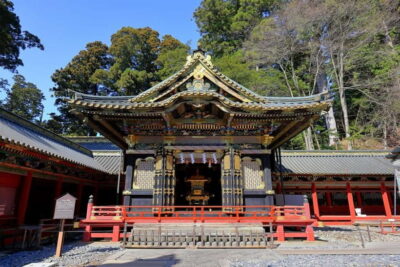 ★ 4.6Nikko: Kegon Falls, Lake Chuzenji & Toshogu TempleFrom $891,577 reviews
 ★ 4.5Nikko Toshogu Shrine and Kegon Waterfall TourFrom $841,266 reviews
 ★ 5.0Nikko Full-Day Private Tour with Government-Licensed GuideFrom $155259 reviews
 ★ 4.9From Tokyo: Nikko World Heritage Site Private Full-Day TripFrom $483243 reviews
 ★ 4.3Nikko: Edo Wonderland Edomura Cultural Theme Park TicketFrom $35205 reviews
 ★ 4.8Nikko World Heritage Private Day Trip Hotel Pick-upFrom $390145 reviews
From Tokyo: Nikko World Heritage Sight Full Day Private TourFrom $362127 reviews
★ 4.8Nikko World Heritage Private Day Trip Hotel Pick-upFrom $390145 reviews
From Tokyo: Nikko World Heritage Sight Full Day Private TourFrom $362127 reviews
 ★ 4.9Nikko – Beautiful Full-Day Personal and Private TourFrom $364119 reviews
This tour also belongs to