
Review · NIKKO DAY TRIPS
Tokyo: Nikko Toshogu Shrine and Kegon Waterfall Tour
One day in Nikko feels like a whole era. You leave Tokyo by coach, then spend the day on sacred architecture and big nature stops, with guided explanations that make the sights easier to understand. The route is built for first-timers, not just photo stops, so you get context along the way.
I love the Nikko Toshogu Shrine focus, especially with the stories behind Tokugawa Ieyasu, founder of the Tokugawa shogunate. I also like the natural contrast, where Kegon Waterfall and Lake Chūzenji provide real breathing room from the bustle of Tokyo.
The main drawback is time. You only get limited time at each highlight, and lunch is not included, so you’ll need to plan your own meal breaks.
Key highlights at a glance
- Nikko Toshogu ticket included, so you can focus on the shrine complex instead of paperwork
- Kegon Falls stop, timed for photos and a break right at the waterfall area
- Lake Chūzenji viewing and walking time, with shops available during the short stay
- Shinkyo Bridge starts Oct 1, 2025, while earlier departures swap in Nikko onsen
- Bilingual English and Chinese guide, with lots of on-the-road context shared before you arrive
A long but efficient Tokyo to Nikko day, without the planning headache

This is a full-day coach trip, around 10.5 hours total. You’re picked up from either the Tokyo Yaesu Bus Terminal or the ground floor of the Sumitomo Mitsui Bank, Shinjuku Nishiguchi Branch, and you’re back at one of those drop-offs in the evening. That means you avoid the hardest part of Nikko planning, the trains, connections, and timing.
On the road, the schedule is structured but not frantic. There’s a clear flow from the first “gateway” stop, to Toshogu, to the mountain road, then to the waterfall and Lake Chūzenji. If traffic gets serious, the plan can shift, but you’ll still stay on the same general sightseeing arc.
One thing I appreciate for a day trip like this: the pace is designed around coach travel plus short, concentrated viewing windows. You’ll want to accept that you’re doing “best of Nikko” in a single day, not soaking in everything at your own speed. If you like a slower day, you may feel the time limits later, especially at the shrine.
You can also read our reviews of more tours and experiences in Tokyo.
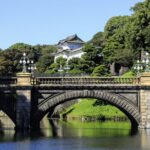

Shinkyo Bridge after Oct 1, 2025, or Nikko onsen before then
Here’s the key date change: until September 30, 2025, the tour goes to Nikko onsen instead of Shinkyo Bridge. Starting October 1, 2025, Shinkyo Bridge becomes the stop.
Either way, the idea is similar. This part of the day is about setting the mood for Nikko before the main cultural highlight. Shinkyo Bridge is a classic red arched bridge over the Daiya River, and it’s the entrance symbol for the sacred area. You get about 20 minutes for photos and a quick look, so bring your camera and accept that you’ll be taking shots fast.
If you’re traveling earlier in the year range and your departure includes the onsen, the day gives you a chance to relax in hot springs. People describe the onsen stop as a properly hot soak, which can be a nice reset after the long coach ride and before the shrine.
Nikko Toshogu Shrine: Tokugawa Ieyasu, UNESCO details, and what to notice in 75 minutes

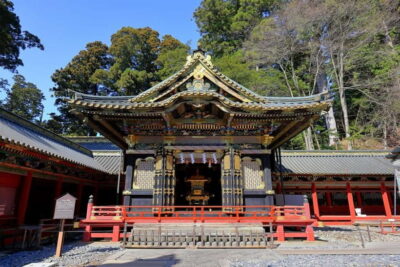
The heart of the trip is Nikko Toshogu Shrine, where Tokugawa Ieyasu is enshrined. The shogunate ruled Japan for over 250 years until 1868, during what’s often called the Edo Period. Your guide ties that political timeline to the shrine’s place in Japanese culture, so the ornate buildings don’t feel random.
You get about 75 minutes here, which is just enough time to do two useful things: orient yourself and then walk through with purpose. The shrine complex is a UNESCO World Heritage site, and the guide’s stories help you understand why each structure matters. If you’re the type who usually thinks, I’ll just look around, this guided context will probably change how you see the carvings and layout.
The trade-off is that some visitors feel the shrine can feel rushed, mainly because it’s crowded and there are set movement patterns. I’d plan to take your time for the main viewing areas, then accept that you won’t read every small element. If you care most about the big symbolism and key structures, you’ll likely be happy with the time.
Irohazaka, 48 sharp turns, and why this drive matters
Between Toshogu and the waterfall area, you’ll pass along the Irohazaka winding road. It’s known for 48 sharp turns and it’s been featured in pop culture, including the anime Initial D. Even though you’re not doing the drive yourself, that quick pass helps you feel that Nikko is not just a town, it’s a mountain setting with real elevation and changing views.
This part is also where the seasonal vibe can hit you. The road is especially associated with autumn leaves in the fall, but you’re still likely to catch dramatic scenery in most seasons. The timing here is short, about 20 minutes, but the value is that it adds variety between the cultural stop and the natural stops.
If you’re traveling in a season with strong color, this is the moment to have your phone charged and your camera ready. The best views often come in brief windows as the coach turns or stops for safety.
Kegon Falls: one of Japan’s famous drops, plus time for lunch and photos
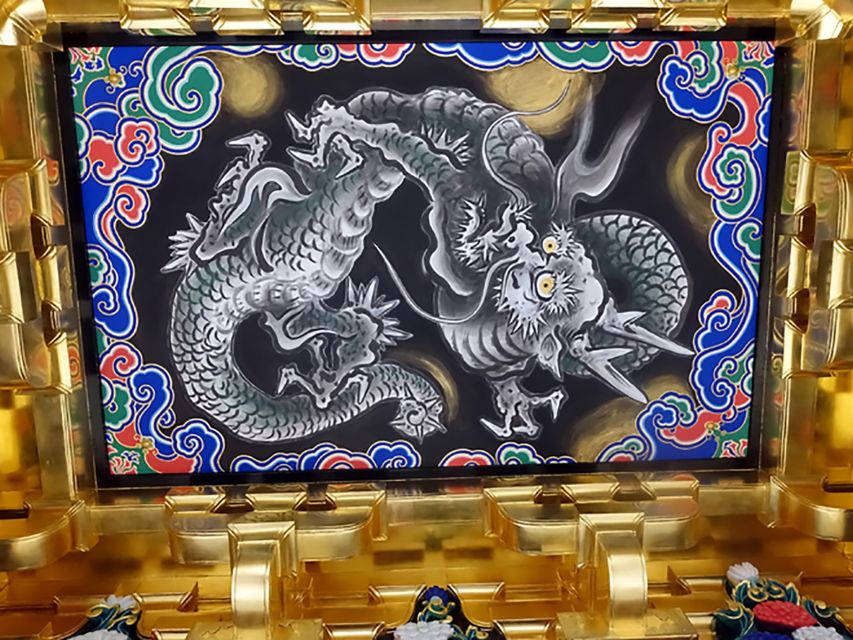
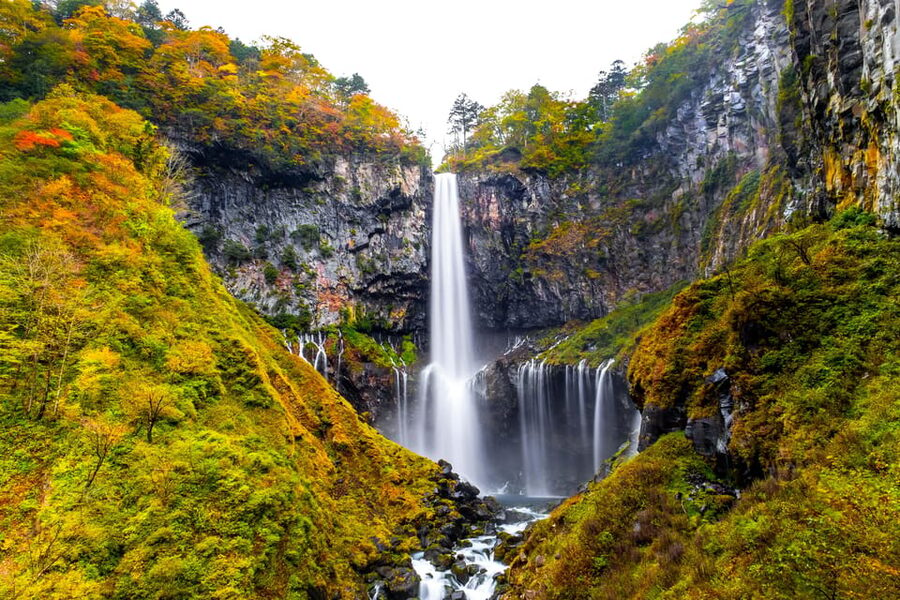
Next comes Kegon Waterfall, about 100 meters tall. It’s one of Japan’s three famous waterfalls, alongside Nachi Waterfall in Wakayama and Fukuroda Waterfall in Ibaraki. In practice, that reputation matters because the falls are built to be experienced at close viewing points, and it’s easy to understand why people keep coming back.
You get about 75 minutes total at Kegon. That time includes a photo stop, time for lunch, and sightseeing around the waterfall area. Lunch isn’t included in the tour price, but the schedule gives you a real chance to buy something on site. Since credit cards are not accepted at all locations, cash matters here. Bring bills in advance so you’re not stuck hunting for an ATM mid-day.
One extra practical point: some people note that getting closer to the viewing area may involve an elevator, and it’s not included. If you want the most satisfying angles for photos, factor in that possibility and keep some extra cash available.
Weather changes how the falls look. On foggy or rainy days, the view can be muted, but the falls still deliver a strong sense of power and scale. If you’re lucky, you’ll get crisp visibility. If not, you’ll still have a memorable walk through the waterfall zone.

Lake Chūzenji: scenic pause, shops, and staying warm by the water
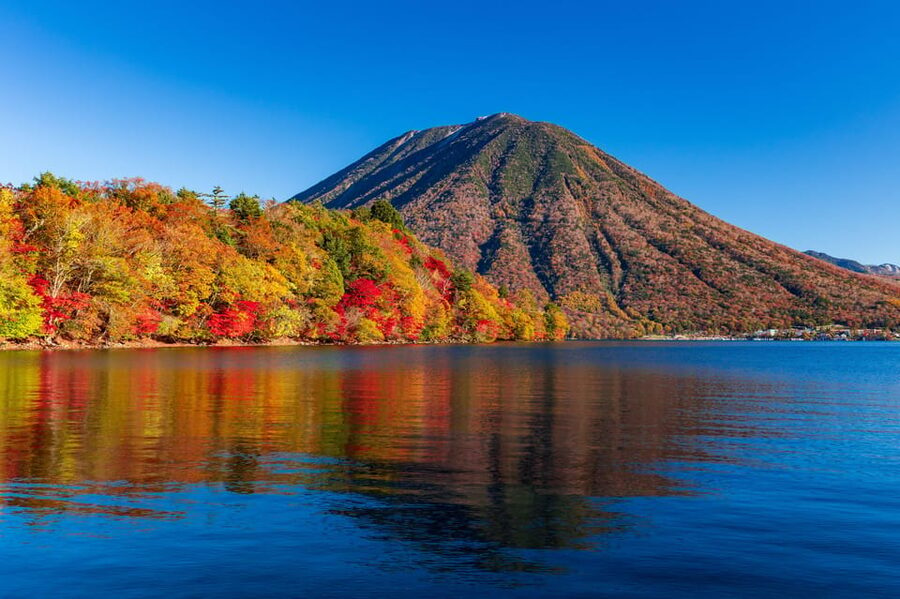
After the waterfall, the tour stops at Lake Chūzenji. You’ll get about 45 minutes for photo time, walking, shopping, and general sightseeing. This is the part of the day that feels like a break, because you’re transitioning from crowds and steep paths into calmer lake views.
Bring warmer layers if you feel cold easily. One review specifically mentions it being very cold by the lake, even in a winter-ish visit. That makes sense because lakes can amplify wind chill, and your time outdoors is spread over a short window with limited indoor time.
The shopping component can be useful on a day trip, especially since lunch isn’t included. You might find snacks, drinks, or small souvenirs depending on what’s open during your season. Even if you only do a quick walk, this stop helps round out the day so it doesn’t feel like it’s only about temples and transportation.
Guide support in English and Chinese, plus the small tips that make it better
A lot of people talk about how strong the guide is on this trip, and that lines up with what matters most on a day trip: clarity and timing. You’ll have a bilingual English and Chinese guide, and they’ll greet you at the meeting point and stay with your group for the day. That removes a big source of stress, figuring out what to do next and how to navigate the stops.
Guides also tend to share context during the ride, so when you reach Toshogu, you already have the storyline in your head. Several guide names show up in recent experiences, including Vicki, Sophie, Zoe, Annie, Tina, Jeff, Sheila, and Jax. The pattern you can expect, regardless of the day, is explanations that help you appreciate what you’re seeing rather than just describing where you are.
The other kind of helpful support shows up at food time. People mention guides pointing them toward good meal options near the waterfall area and making suggestions for where to eat later around Tokyo after drop-off. Those recommendations can be worth their weight because lunch planning is on you for this tour.
Practical stuff that prevents day-trip frustration
This tour is designed for a long day, so packing smart pays off.
Bring comfortable shoes for walking around shrine grounds and waterfall areas. Water helps, because you’ll be outside for long stretches. Cash is essential, because credit card payment isn’t accepted at all locations mentioned on tour days.
On restrictions: luggage or large bags are not allowed, and only one carry-on bag is permitted. Tattoos are considered taboo in this area, so it’s worth planning accordingly if you have visible tattoos.
If you’re traveling with kids, unaccompanied minors aren’t allowed, and children must be accompanied by an adult. The tour can also be adjusted in the event of a serious traffic jam, so keep your expectations flexible for timing.
One more weather note: if conditions are too bad and the tour must be canceled, you’ll be informed on or before 2:00 PM the day before. That means you’ll have time to shift plans if something goes wrong.
Price and value: what you get for about $84
At $84 per person, this is not a “cheap and cheerful” outing. But you are paying for an organized Tokyo-to-Nikko day that includes transport, a bilingual guide, and the Nikko Toshogu Shrine entry ticket. For many first-timers, that combo is the real value, because it reduces both planning work and ticket hassles on the ground.
You’re also buying structure. Most people don’t want to spend half a day figuring out how to fit Toshogu, the falls, and Lake Chūzenji into one schedule. This tour handles the sequencing and keeps you moving between the key sights.
The cost trade-off is that lunch is not included. You’ll need to budget for meals during the free time windows, especially at Kegon Falls. If you already know you’ll spend extra on food and snacks anyway, that becomes less painful. If you prefer to bring a packed lunch, you might need to confirm what’s practical at the stop areas, since the tour is explicit about needing cash at locations.
Overall, I’d call the price fair for a guided full-day Nikko experience, as long as you accept the time limits at each major stop.
Who should book this Nikko tour, and who might prefer DIY
This tour is a great fit if you want a guided introduction to Nikko with transportation handled for you. If you care about Tokugawa Ieyasu and you want help understanding why Nikko Toshogu is UNESCO-level important, the shrine time plus guide context is the strongest reason to book.
It’s also a good choice if you’re chasing the big nature hits in one day. Kegon Falls is hard to line up without effort from Tokyo, and Lake Chūzenji adds variety so you don’t feel like your day is only temples.
You might want a different plan if you hate tight time windows. With around 75 minutes at Toshogu and limited viewing windows at each stop, this is not a slow, in-depth wandering day. If you want unhurried museum-style exploration, you’ll likely feel like you’re moving on before you’re ready.
Also consider the season. If the weather is poor, visibility can drop, especially around the falls and lake views. That doesn’t make the trip worthless, but it can change how impressive the views feel.
Should you book the Tokyo Nikko Toshogu and Kegon Falls tour?
I’d book it if you want a guided, efficient Tokyo-to-Nikko day where Toshogu Shrine and Kegon Falls both get real time. The included shrine ticket and bilingual guide make it easier than piecing everything together yourself, and the schedule is built to keep you seeing the main highlights.
Skip it only if you strongly prefer longer stops and fully independent pacing. In that case, Nikko might deserve a separate, slower visit. But for most first-timers, this tour hits the right mix of history, scenery, and organization.
FAQ
How long is the Nikko Toshogu Shrine and Kegon Waterfall tour?
It runs for about 630 minutes, roughly a full day.
Where are the meeting points in Tokyo?
The guide meets you at either the Tokyo Yaesu Bus Terminal or the ground floor of the Sumitomo Mitsui Bank, Shinjuku Nishiguchi Branch. The exact meeting point can vary depending on the booked option, so you should check the schedule details.
Is the Toshogu Shrine entry ticket included?
Yes, the Toshogu Shrine entry ticket is included.
Is lunch included?
No, lunch is not included. You’ll have time to eat during the day, but you’ll pay for it yourself.
Is Shinkyo Bridge included all year?
No. Until September 30, 2025 the tour goes to Nikko onsen instead of Shinkyo Bridge. Starting October 1, 2025 it changes to Shinkyo Bridge.
What languages are available on the tour?
The tour guide offers bilingual service in English and Chinese.
Do I need to bring cash?
Yes. Credit cards are not accepted at all locations on the tour, so you should bring cash.
Are tattoos allowed on this tour?
Tattoos are considered taboo in this area.
Can I get a refund if I cancel?
Yes. You can cancel up to 24 hours in advance for a full refund.
More Tours in Tokyo
More Tour Reviews in Tokyo
Not for you? Here's more nearby things to do in Tokyo we have reviewed




Nikko Day Trips, side by side.
 ★ 4.6Nikko: Kegon Falls, Lake Chuzenji & Toshogu TempleFrom $891,577 reviews
 ★ 5.0Nikko Full-Day Private Tour with Government-Licensed GuideFrom $155259 reviews
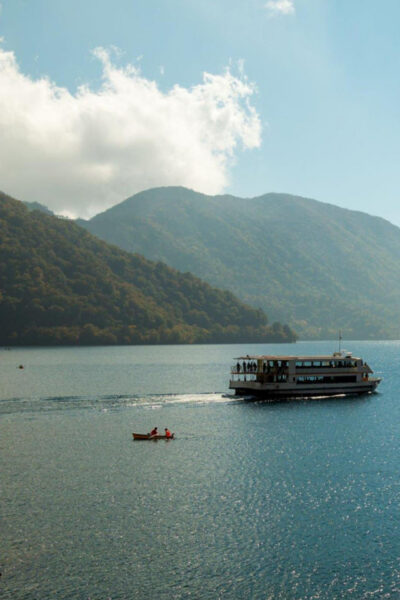 ★ 4.9From Tokyo: Nikko World Heritage Site Private Full-Day TripFrom $483243 reviews
 ★ 4.3Nikko: Edo Wonderland Edomura Cultural Theme Park TicketFrom $35205 reviews
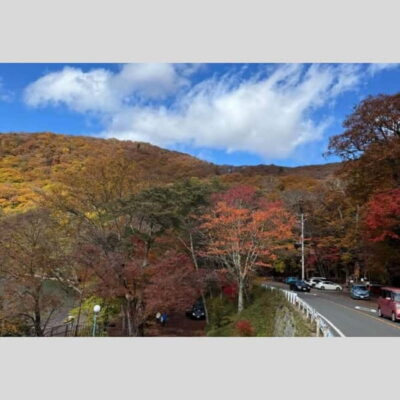 ★ 4.8Nikko World Heritage Private Day Trip Hotel Pick-upFrom $390145 reviews
From Tokyo: Nikko World Heritage Sight Full Day Private TourFrom $362127 reviews
★ 4.8Nikko World Heritage Private Day Trip Hotel Pick-upFrom $390145 reviews
From Tokyo: Nikko World Heritage Sight Full Day Private TourFrom $362127 reviews
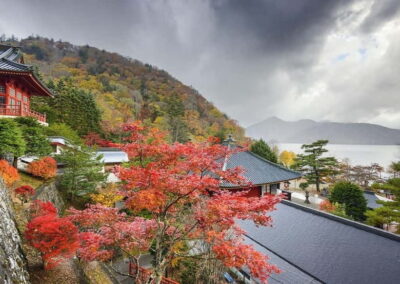 ★ 4.9Nikko – Beautiful Full-Day Personal and Private TourFrom $364119 reviews
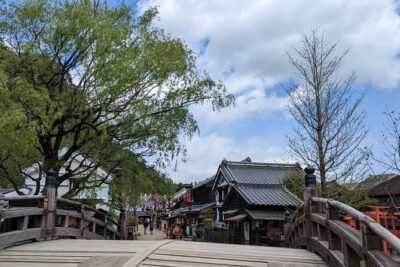 ★ 5.0Chartered Private Tour – Tokyo to Nikko, Toshogu, Edo WonderlandFrom $1,286105 reviews
This tour also belongs to