
Nikko is a great day trip from Tokyo, but only if it runs smoothly. This private tour strings together the big UNESCO sights and the mountain views in one practical plan, with stops like Toshogu Shrine and Kegon Falls. I also like that the guide style is very hands-on, with friendly help from people such as Mirza and Imran and a knack for adjusting when conditions change.
Two things I like a lot: you get a private group in a comfortable, A/C vehicle with WiFi, so the day feels relaxed even when drives are long, and you get help with photo timing at the signature viewpoints. One drawback to plan around is that it is still a long day with lots of walking, and the ropeway can close in bad weather.
Key points before you go
- Private door-to-door comfort with luxury transport and hotel pickup and drop-off
- Skip-the-line entry at key spots using a separate entrance
- Nikko’s “must see” trio: Toshogu Shrine, Shinkyo Bridge, and Kegon Falls
- Nature views built in: Lake Chuzenji, the Akechidaira Ropeway, and multiple photo stops
- Quiet culture moment: the Kanmangafuchi Abyss walk with Jizo statues
- Flexible guiding is a real theme, with guides like Mirza and Imran adapting the plan when needed
Why this Nikko day trip feels smarter than going it alone
Nikko is one of Japan’s easiest places to love, mainly because it mixes sacred sites with mountain scenery. The challenge is that you cannot really see it right by hopping between buses on your own schedule, especially when you want time at the big stops instead of constant transit stress.
What makes this tour work is the flow. You start with the most iconic spiritual stop, then move outward through bridges, forest paths, and highland viewpoints. By the time you hit the lake and falls, you are already oriented to the area, so the views feel earned rather than random.
You should also know what kind of day you’re signing up for. This is not a short “hit-and-run” tour, it is an about 10-hour plan that relies on comfort during driving and efficiency at each stop. The payoff is that you spend your time walking where it matters, and resting where you can.
You can also read our reviews of more private tours in Tokyo
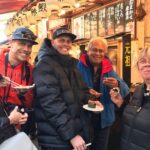
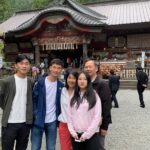
Getting to Nikko smoothly: private van, WiFi, and real time saved
Your day starts with hotel pickup in Tokyo, and you end with drop-off back to your hotel. The tour runs around 10 hours total including the start, and you should plan to stay flexible with exact pickup time based on your chosen slot.
The practical win here is simple: the van does the long-distance work. That matters because Nikko sits far enough from central Tokyo that you would otherwise spend a chunk of your day coordinating transport, transfers, and ticket lines.
You’ll also have WiFi in the vehicle, plus air-conditioning and a more comfortable ride for long hours. And since this is a private group, you are not stuck with other people’s pace. Several guests highlighted that the day felt un-rushed because the guide managed timing and photo stops.
One more useful detail: the tour includes photography support. You’re going to multiple “turn your head, frame it, shoot” locations, and having someone help you line up shots saves time and stress.
Toshogu Shrine: where the details are the whole point
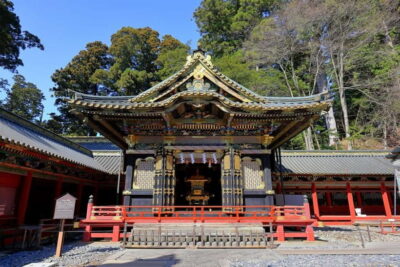
The day’s anchor is Nikko Toshogu Shrine, dedicated to Tokugawa Ieyasu. This is the stop where you feel why Nikko became a major pilgrimage place, because it is not just about a building, it’s about craftsmanship and symbolism layered on top of each other.
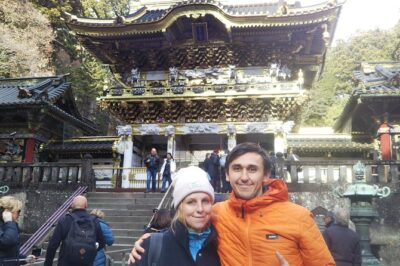
You get a guided visit window plus time to walk around. You’ll see standout features like the Yomeimon Gate with its eye-catching craftsmanship, and you’ll likely spot the famous sleeping cat sculpture. The shrine sits within a forest setting, so the atmosphere feels quieter than you might expect, even when it is busy.
The tour also pairs this with a Nikko Toshogu Art Museum photo stop. That is a small addition, but it’s smart. Museums give you context when you’re about to walk into a space packed with specific motifs and historical references. Even if you do not become a scholar of shrine architecture in one day, you leave with a clearer sense of what you were looking at.
A note to keep expectations realistic: you’re not going to become an expert in one 30-minute walk. But you will walk away seeing the main points, and you will understand what makes this place famous.
Shinkyo Bridge and Futarasan Jinja: the “gateway” feeling
Next comes Shinkyo Bridge over the Daiya River. It is one of Nikko’s most photographed bridges, and the reason is practical: you get a perfect “framed view” with greenery behind it. The guide time here includes a short stop to photograph and understand the bridge’s role as a spiritual gateway to the Nikko shrines.
Then you head to Nikko Futarasan jinja. This stop is shorter and more of a photo and orientation moment, but it matters because it keeps the day from feeling like a checklist of unrelated stops. You’re building a sense of how the shrine world connects inside Nikko’s larger sacred landscape.
If you’re visiting during seasonal color, Shinkyo Bridge is a high-probability winner for photos. If not, it still works. The bridge’s look changes with light and weather, but the composition stays strong.
Kanmangafuchi Abyss: 70-plus Jizo statues and a calmer pace
The Kanmangafuchi Abyss is where Nikko slows down in a good way. You’ll walk along a pathway lined with over 70 Jizo statues, often associated with the spirits of children and travelers. Even when the group is moving, the setting makes it feel reflective rather than rushed.
This stop is also a nice contrast after Toshogu’s dense details. At the abyss, your attention shifts to repetition. You start noticing small differences in posture and how the statues sit along the river.
The day plan also includes access that leads you toward Jiunji Hondo Temple, a small temple area that can feel like a quiet pocket during a busy day.
Practical tip: this is a walk stop, and your shoes matter. Bring comfortable footwear because you’ll be on your feet at multiple sites throughout the day.
You can also read our reviews of more historical tours in Tokyo
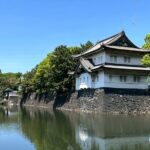

Lake Chuzenji and the Akechidaira Ropeway: views you can plan around
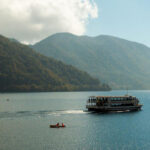
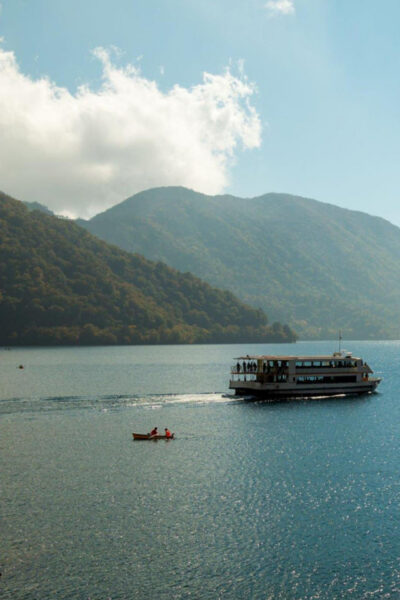
Lake Chuzenji is a highland lake formed by volcanic activity, known for crystal-clear water and dramatic surroundings. The tour gives you a longer stop here (including photo time and walking), which is important. You do not want to just “arrive, look, and leave” at a place like this.
Then comes the Akechidaira Ropeway. You’ll ride up for panoramic views of Mount Nantai, Lake Chuzenji, and Kegon Falls. This is a great segment because it gives you the big-picture view that connects everything you’ve seen so far.
One thing to be ready for: the ropeway may close due to bad weather. This is not a “gotcha,” it is just mountain reality. The upside is that guides have shown they can adapt. For example, some guests reported that when the ropeway was closed in winter conditions, the day still worked out with additional nearby highlights.
If the ropeway is operating, plan to take your time at the observation deck and let your eyes adjust. Mountain views can look better once you’ve slowed down and stopped trying to photograph everything at once.
Kegon Falls in real conditions: 97 meters of wow factor
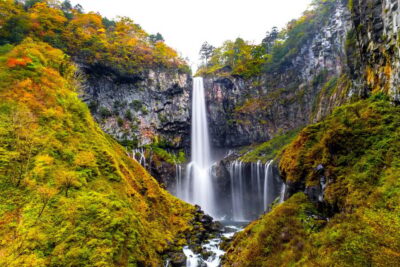
Kegon Falls drops 97 meters into a rocky gorge, and it is one of Japan’s most famous waterfalls. The tour includes time to visit, plus a tea stop and a coffee tasting, which gives you a chance to sit down and warm up.
You’ll also have some free time to enjoy the falls from the observation area and take in the winter effect if you’re traveling then. In winter, the falls can freeze and form ice, and that can turn a waterfall photo into something truly different.
Even in mild seasons, Kegon Falls stays powerful. What changes is the feel of the mist, the light, and how much you want to linger. The tour gives you enough time that you can enjoy it rather than simply ticking it off.
Edo Wonderland: a playful break from temples
The tour highlights include a stop at Edo Wonderland, which adds a different tone to the day. Instead of focusing only on shrines and natural sites, you’ll get traditional craft workshops and performances, depending on what’s scheduled.
This kind of stop is useful when you’re traveling as a family or you simply want a palate cleanser after multiple solemn or spiritual spaces. It also helps make the day feel more varied, so it does not become a single mood the whole time.
Because the exact timing at Edo Wonderland can shift based on how the rest of the day runs, keep your expectations flexible. You’re going there for cultural atmosphere and activities, not for a strict minute-by-minute museum experience.
Price and value: what you’re really paying for at $362 per group
The price is listed as $362 per group up to 6, for a day that runs about 10 hours with hotel pickup and drop-off. On paper, that can look like a lot, but you should judge value based on what you’re avoiding: long-distance logistics, time lost to ticket lines, and the stress of coordinating transport between scattered locations.
This tour is especially good value if any of these apply to you:
- Your group includes 3 to 6 people, because the per-person cost drops fast in a private van.
- You care about efficiency, especially if you want to see multiple major sights without switching plans.
- You want guided interpretation rather than just wandering.
You’re also paying for operational comfort: WiFi in the car, air-conditioning, highway tax included, and the guide support at each stop. Add in the skip-the-line separate entrance feature, and the day becomes more about seeing Nikko and less about managing crowds.
If you’re traveling solo or as a couple and you are comfortable navigating trains and buses plus lines, you might find alternatives. But if your goal is a smooth, guided day with scenic stops stacked in a sensible order, this one earns its price.
Guides make the day: why punctual, friendly, adaptive matters
The strongest pattern in the feedback is not just that the sites are good. It’s the service style. Guides such as Mirza and Imran show up as friendly, attentive, and very good at managing pacing without pressure. More than one guest mentioned that they took pictures and helped with finding the best spot for photos.
Another recurring win is adaptation. When weather changed, or when crowds were heavier than expected, guides adjusted so the day still hit the important sights. This is a real factor in Nikko, because the plan depends on operating conditions like the ropeway and on crowd levels around the shrines.
Safety also comes through clearly. Guests praised safe driving and punctual pickups. If you have mobility constraints, long travel fatigue, or you simply want to avoid stress after a long flight, this matters.
What to bring, and how to avoid common Nikko day mistakes
This is a “be ready for your feet” day. Bring comfortable shoes first. Add a hat if you get sun easily, sunscreen if you’re visiting in clearer weather, and a camera if you want to capture the signature views.
Also bring water. You’ll be outside at multiple stops, and you’ll likely walk more than you expect once you start taking in bridges, paths, and viewpoints.
Weather matters in Nikko. The ropeway can close in bad conditions, and you should dress based on what you see on the day. In winter, expect cold, and it’s smart to plan for that tea and coffee stop to be more than just a break.
One rule that’s easy to forget: smoking is not allowed.
Who should book this private Nikko World Heritage day
This tour is a strong fit if you want:
- A private group experience, not a crowded day with constant regrouping
- A guided introduction to Nikko’s main sights, including the spiritual highlights and the natural landmarks
- A plan that balances walking with built-in time to sit, photograph, and enjoy views
It is also a good choice for families and multi-age groups. Several guests specifically referenced how helpful the guide was with kids and how accommodating the day felt for seniors.
Two cautions:
- It is not suitable for people over 95 years.
- Some areas may not be accessible for people with mobility impairments.
Should you book it?
If you want a smooth, guided Nikko day with minimal logistics stress, I’d book it. The combination of hotel pickup and drop-off, skip-the-line convenience, and a route that ties together Toshogu Shrine, Shinkyo Bridge, Kanmangafuchi Abyss, Lake Chuzenji, the Akechidaira Ropeway, and Kegon Falls is exactly what makes a one-day visit work.
If your priority is total freedom above all else and you love planning routes, you might do it independently. But if you’re traveling with limited time, prefer your day managed for you, and want the best odds at hitting the big highlights, this private tour is a solid way to spend your day outside Tokyo.
FAQ
How long is the Nikko World Heritage full day private tour from Tokyo?
The tour is approximately 10 hours, including the start time.
Is hotel pickup and drop-off included?
Yes. Hotel pickup and drop-off are included, with pickup in Tokyo and Nikko when you book.
What major sights are included in the day?
You’ll visit Nikko Toshogu Shrine, Shinkyo Bridge, Kanmangafuchi Abyss with Jizo statues, Lake Chuzenji, the Akechidaira Ropeway, and Kegon Falls. Edo Wonderland is also included.
Is the tour private, and what group size is it for?
It is a private group. Pricing is per group up to 6.
What should I bring and how much walking should I expect?
Bring comfortable shoes, a hat, camera, sunscreen, and water. The tour includes a lot of walking across multiple stops.
Are meals included, and what else should I budget for?
Food and drinks are not included, so budget for meals and snacks. Optional activities and souvenirs are also not included. Travel insurance and personal liability coverage are generally not provided.
More Private Tours in Tokyo
More Tours in Tokyo





More Tour Reviews in Tokyo


Not for you? Here's more nearby things to do in Tokyo we have reviewed












Nikko Day Trips, side by side.
 ★ 4.6Nikko: Kegon Falls, Lake Chuzenji & Toshogu TempleFrom $891,577 reviews
 ★ 4.5Nikko Toshogu Shrine and Kegon Waterfall TourFrom $841,266 reviews
 ★ 5.0Nikko Full-Day Private Tour with Government-Licensed GuideFrom $155259 reviews
 ★ 4.9From Tokyo: Nikko World Heritage Site Private Full-Day TripFrom $483243 reviews
 ★ 4.3Nikko: Edo Wonderland Edomura Cultural Theme Park TicketFrom $35205 reviews
 ★ 4.8Nikko World Heritage Private Day Trip Hotel Pick-upFrom $390145 reviews
 ★ 4.9Nikko – Beautiful Full-Day Personal and Private TourFrom $364119 reviews
 ★ 5.0Chartered Private Tour – Tokyo to Nikko, Toshogu, Edo WonderlandFrom $1,286105 reviews
This tour also belongs to