
Review · SHIBUYA TOURS
Official Street Go-Kart in Shibuya
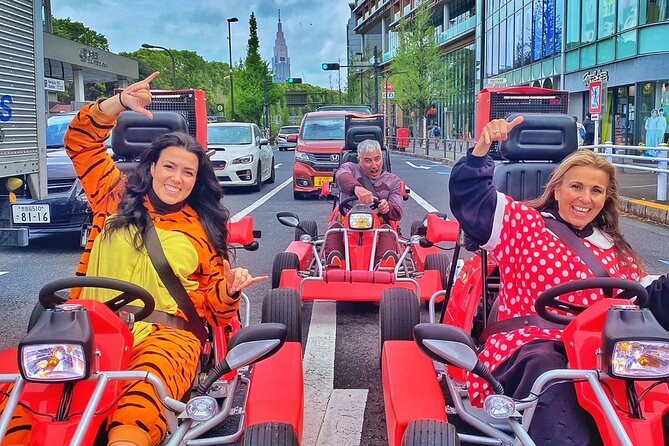
Shibuya turns into your personal red carpet. The official street go-kart route drops you at the Shibuya Crossing level, with people waving and photos happening fast, then carries you through Harajuku and Omotesando in a way that feels way more hands-on than hopping between train stops. You also get a costume, so the whole thing has that goofy Tokyo-fun energy with a real adrenaline edge.
I love that this is kept to a six-driver max, so the guide can keep everyone together and safety feels taken seriously. I also love the practical inclusions, safety gear plus a lead guide who helps you drive smoothly in traffic. The one big drawback to plan for is paperwork, you cannot drive with just a regular license, you need an International Driving Permit that matches the required format.
Key highlights you can plan around
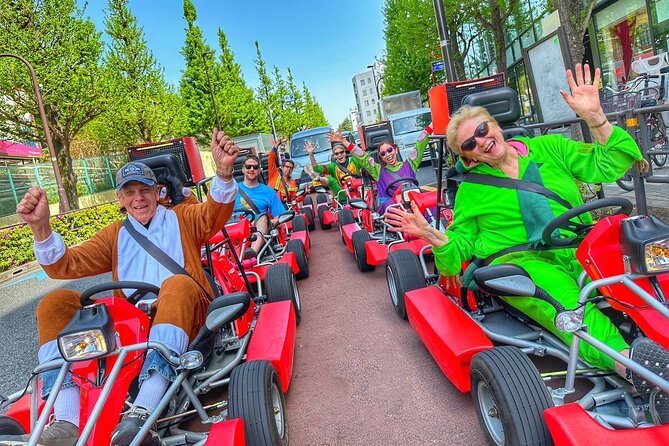
- Shibuya Crossing, street level: you feel the hype up close, with constant photo opportunities.
- Six-person cap: small groups make instructions easier and keeping the kart line together more realistic.
- Costumes included, with rules on what you can wear and what to avoid for safety and comfort.
- Harajuku and Omotesando route: fashion streets by day, and lit-up boulevards when you ride at night.
- All key costs included, plus clear add-ons you might still need (insurance fee).
Why Shibuya Street Karting Feels Like a Movie Scene
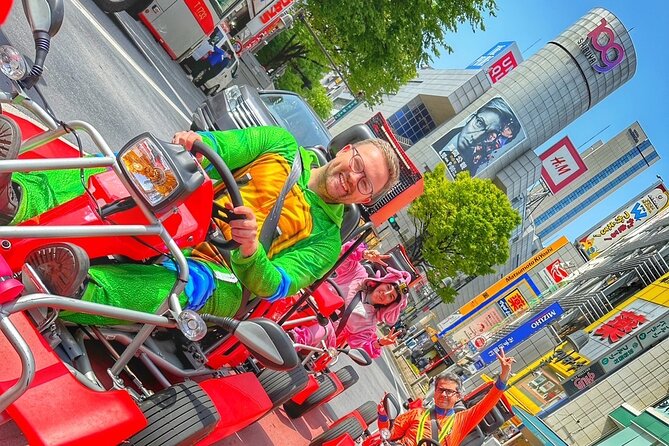
If you have ever watched Shibuya Crossing in videos and thought, I want that energy but closer, this is the closest thing to making it happen on your own wheels. The moment you hit the crossing, you are not just walking through it. You are moving through it, and people genuinely look your way, smile, and wave. It creates that celebrity feeling that is hard to fake with any other Tokyo activity.
Costume time adds to the effect. It is not just for laughs, it also makes the group look like a traveling cast, which means the guide can coach the line and keep everyone coordinated. And because you are on a kart, you get that street-level Tokyo view that you cannot get from a bus or a photo stop.
The ride also has a real Tokyo rhythm. You are dealing with traffic signals, pedestrians, and street flow. When the guide is confident, the pacing feels smooth rather than chaotic, and you get to focus on driving without constantly second guessing yourself.
You can also read our reviews of more tours and experiences in Tokyo.



The Six-Driver Group, Safety Gear, and the Lead-Guide Role
The tour runs with a maximum of six travelers. If your group is larger than six drivers, it splits into two smaller groups, each led by a guide. That matters because you are not stuck in a huge line where instructions get lost, and you are not playing traffic Tetris with strangers who are still learning the karts.
What you get is not just a guide standing around. You get a lead guide in a kart, plus a full safety intro. Instructions and safety gear are included, so you do not need to hunt for anything before you arrive. The on-site process is designed to get you driving quickly, starting with a safety video and a safety briefing.
Guides tend to be the difference between a ride that feels stressful and one that feels fun. In the feedback you will see names like Michael, Pime, Allen, and Manuel called out for being clear, calm, and good at keeping people together. One standout theme is that strong guides know how to read the flow of the street and guide your timing so you are not constantly creeping forward in confusion.
You will also want to respect the guide signals. The whole experience is set up around you following the plan, staying aware, and driving like you want everyone to finish smiling.
Your Costume Plan: Fun Rules and Real Comfort
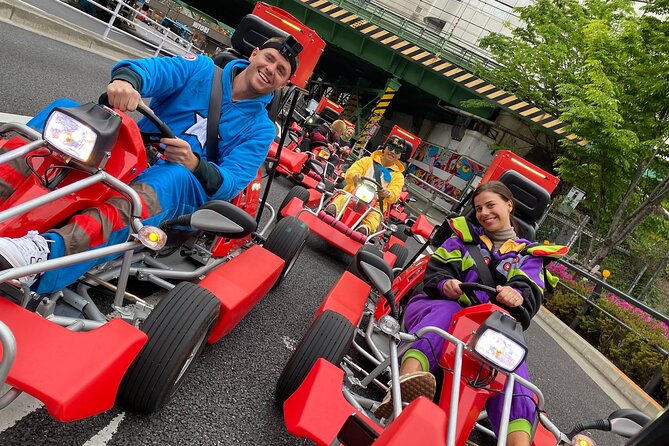
Costumes are part of the experience, and the rental fee is included. That means you can show up with normal clothes and still look like you belong in a Tokyo street parade. Costumes help make the Shibuya Crossing moment extra memorable, and they also make group photos easier because you all match the vibe.
But there are rules. Wear flat closed footwear. Skip long, flowy skirts or dresses that can interfere with driving and getting in and out of the kart. Also, there are copyright limits. Mario and Nintendo-themed costumes are not allowed, along with clothing or items suggesting those characters.
One more practical tip: if you are riding at night, plan for cooler temperatures. Several people mention that costumes, which you borrow, can also help you feel less exposed when weather turns chilly or rainy. Even if you look like a character, you still need to dress for movement and for safe driving.
The Route You Actually Drive: Shibuya Crossing, Harajuku, Omotesando
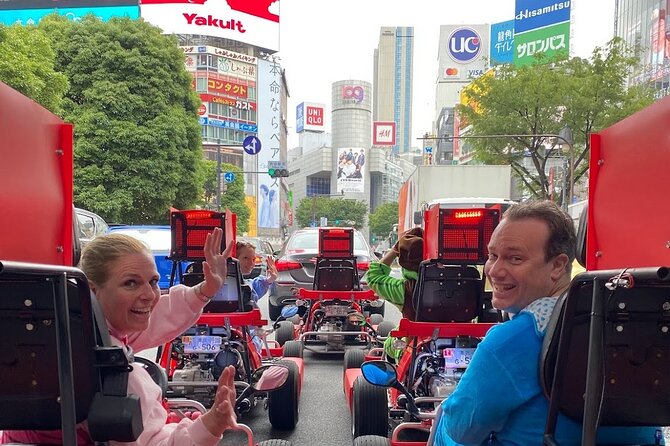
This is the part that makes the tour feel worth it. The route is built around Tokyo’s recognizable neighborhoods, but you experience them from the road, at a pace where you notice details.
Stop 1, Shibuya Crossing
This is the headline. You drive through the most famous crossing in Japan where people wave, take photos, and generally react to you. It feels like a mix of traffic moment and street performance. If you are a first-timer in Tokyo, this is the fastest way to get that iconic scene without waiting for the perfect time to watch it from a sidewalk.
Stop 2, Harajuku
Harajuku is fashion energy. You pick up on the different style and the atmosphere right away, and you start to understand why people associate Tokyo fashion with these streets. Riding through it gives you a sense of variety, from eye-catching storefronts to street styles that look deliberately chosen.
Stop 3, Omotesando
Omotesando is where the vibe turns more upscale and polished. You drive past luxury shops and cafes, and you will glance at the boulevard trees along the way. If you ride at night, people note that the trees light up and the whole street can look different by season. Even when you do not stop for long, you notice the lighting and the feel of the avenue in a way a quick walking loop cannot match.
One small reality check: it is still street driving, not a theme-park track. You will feel the stops, turns, and traffic pacing. That is part of the fun, but it also means the experience is more active than sightseeing-by-photo-stop.
Timing That Works: Start Times, Duration, and Getting There Early
You get multiple start times, from morning to night, which helps you match the ride to your schedule. The activity typically runs about one to one and a half hours. That includes the time for check-in, getting the safety briefing out of the way, and then driving the route.
Plan to arrive early. A common practical tip from the experience feedback is arriving at least 45 minutes before departure. The official guidance may be closer to 30 minutes, but Tokyo train navigation can mess with your timing. Stations are complex, and it is easy to end up in the wrong exit area or lose a few minutes to a transfer.
The meeting point is Street Kart Shibuya Japan at 150-0044, Tokyo, Shibuya, Maruyamachō, 15-153, 1F Street Kart Maruyama-Cho Shibuya-ku. The tour ends back at the meeting point, so you do not need to think about getting home from a different location.
If you want the most comfortable ride, pick your time based on the weather and the kind of Tokyo you want. Night rides can look extra special around Omotesando with lighting, while daytime rides can be easier if you hate cold hands and wet streets.



Price and Value: What You Pay, What You Still Might Need
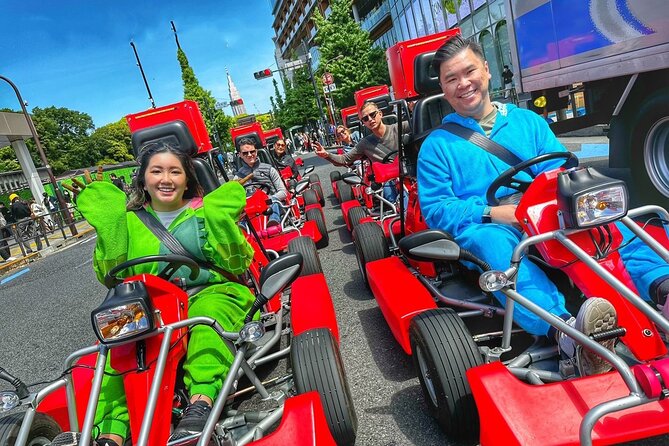
At $76.27 per person, you are paying for a guided, street-level go-kart experience with multiple inclusions. And the best value is not just the kart. It is the whole package that makes it work smoothly.
Included costs cover:
- Lead guide in a kart
- Kart rental fee
- Costume rental fee
- Fuel surcharge
- All taxes, fees, and handling charges
Not included:
- Full coverage insurance fee of ¥1,000 per person
To judge value, think about what you avoid. You are not renting a kart on your own. You are not arranging a costume. You are not doing the safety logistics and local route coordination yourself. And because the group is small, you are getting more coaching time than you would in a large, chaotic setup.
Is it pricey? A few people call out that it can feel expensive. But the consensus is that when the ride hits right, it becomes a top memory because you are actively driving through Shibuya and Harajuku instead of passively watching them.
Also worth knowing: photos tend to be part of the experience. People report getting lots of pictures taken during the ride and receiving them quickly afterward, even via AirDrop. It is smart to assume you will get photo keepsakes, but it is still worth setting your expectations that photo sharing is handled by the team after the ride.
The Paperwork Check That Can Stop You Fast
This is the big gatekeeper for whether you can drive at all. You must have an International Driving Permit (IDP) issued in the format of the 1949 Geneva Convention, plus your physical permit and your physical passport on hand. You also must have a valid driver’s license that fits the permitted countries.
If you are from Switzerland, Germany, France, Taiwan, Belgium, or Monaco, you may have a slightly different process where a Japanese translation may be required. If your license is from countries not covered by the 1949 Geneva Convention, like China, Indonesia, Mexico, Qatar, Saudi Arabia, and more, you are not permitted to drive in Japan.
Also, you cannot rely on a digital ID or a home license alone. The rules explicitly require carrying the physical IDP and physical passport during the activity.
Minimum age is 18. Non-drivers cannot ride along because the karts are single-seaters only. If you are traveling with someone who wants the view but does not have the ability to drive, this is not the right choice for them.
If you have any hearing impairment or mobility impairment, you must inform the team. Do it early, so they can guide you properly.
Who Should Book (and Who Should Skip)
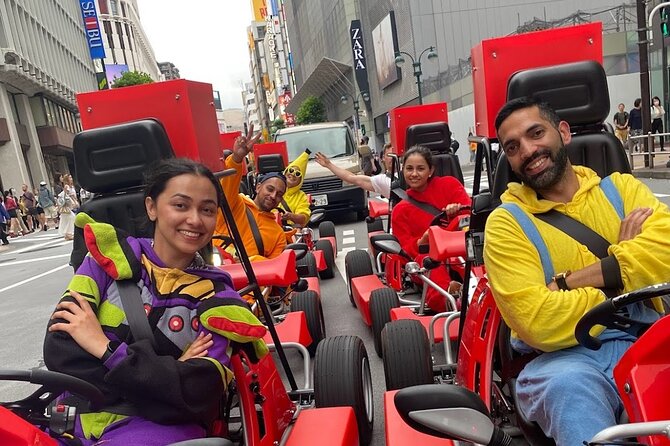
This experience fits best if you:
- Want a fun, high-energy way to see Tokyo beyond standard photo stops
- Can handle driving on real streets with traffic signals and pedestrians
- Have your paperwork ready, especially your 1949 Geneva IDP
- Like the idea of dressing up in costume and getting a lot of photos
It might not fit you if:
- You are hoping to ride as a passenger, the karts are single-seaters
- You have not planned for the IDP process
- You dislike cold weather or wet conditions, since the activity depends on good weather
People also note that it is best suited for moderate physical fitness, mainly because you will get in and out of the kart and stay alert during the ride. It is not extreme fitness, but it is not a completely sit-and-watch activity either.
Should You Book Street Kart Shibuya?
Yes, I think you should book it if you meet the driving requirements and you want a Tokyo highlight that feels active, not just scenic. The combination of Shibuya Crossing at street level, a small group size, costumes included, and real guided driving is the kind of payoff that makes people remember one hour, or ninety minutes, as the best use of their time that day.
Skip it or rethink it if the IDP rules are a hassle you have not solved yet, or if you are traveling with non-drivers. Also, check the weather in advance and pick a start time that matches what you want to experience, daylight Tokyo energy or night lighting on Omotesando.
If you do book, do the boring part first: get your IDP sorted early, plan to arrive early at the shop, wear flat closed shoes, and listen carefully in the safety briefing. Then let Tokyo surprise you from the driver seat.
More Tour Reviews in Tokyo
Not for you? Here's more nearby things to do in Tokyo we have reviewed












Shibuya Tours, side by side.
 ★ 4.9Street Kart Experience in ShibuyaFrom $741,484 reviews
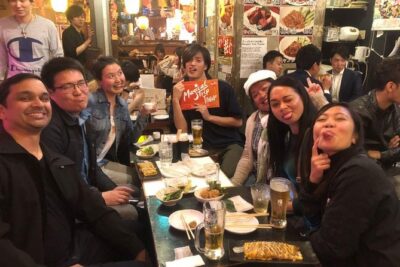 ★ 5.0Shibuya Meltdown Nightlife Tour: All-You-Can-Drink Bar HoppingFrom $1061,058 reviews
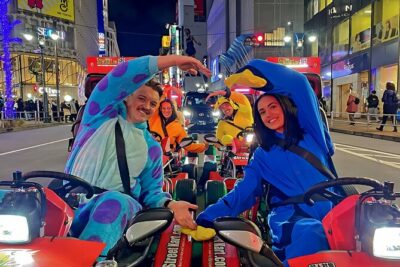 ★ 5.0Shibuya Official Street Go-Kart in Shibuya AnnexFrom $69972 reviews
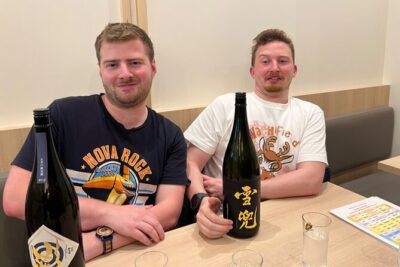 ★ 5.0Shibuya Food Tour (13 dishes and 4 Eateries)From $77770 reviews
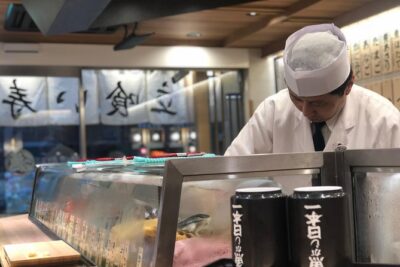 ★ 5.0Best of Shibuya Food TourFrom $217612 reviews
 ★ 4.8Shibuya Highlights Walking TourFrom $19601 reviews
 ★ 4.7Premium Go-Kart Tour with Tower & Shibuya CrossingFrom $116528 reviews
 ★ 5.0Japanese Speaking Experience Meet the locals Friend Cafe ShibuyaFrom $29518 reviews
This tour also belongs to