
Review · MOUNT FUJI TOURS
Shizuoka: Advanced Canyoning Activity near Mt. Fuji
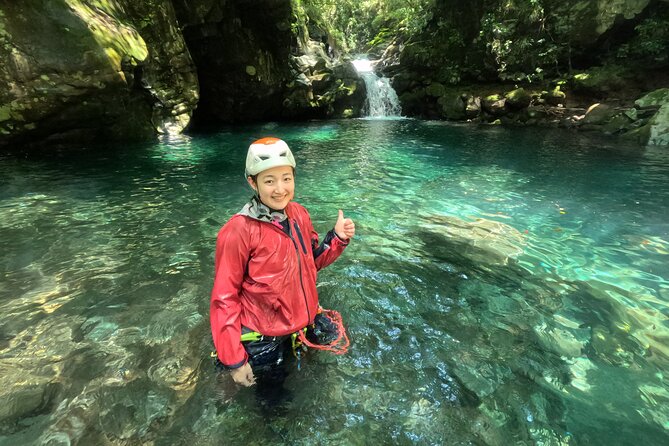
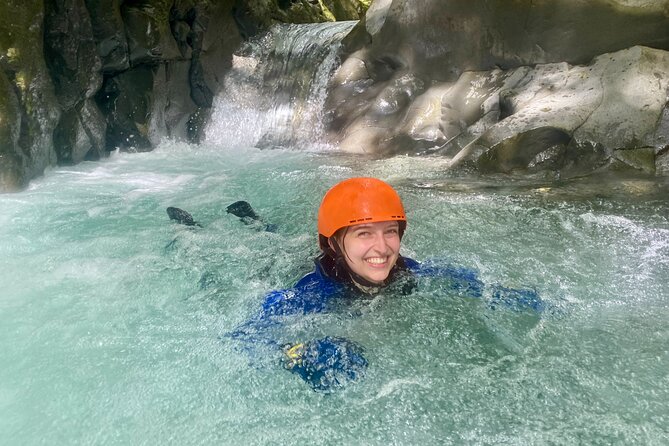
This is adrenaline with a view. You’ll canyon in the Mt Fuji area of Shizuoka with Yuki and Misa, doing lava-gorge walking, slides, jumps, and rope work in a small group (max 6).
The two things I really like: you get serious guided action, and the scenery stays part of the payoff as you move through the gorge.
I also like that the tour is set up for people who want more than a simple splash-and-go. You do jumping from about 1m to 9m, plus rappelling and swimming in gear, so it feels like a full activity session, not just a taste.
One consideration: it can be scary at points, and it is not a good match if you have bad joints, back problems, or serious health issues.
Key Highlights You’ll Actually Care About
- Max 6 people means less waiting and more hands-on attention from the guides.
- Jump options up to about 9m give you real control over how much adrenaline you want.
- Rappelling with a rope adds a technical skill element, done with a licensed guide.
- Lava gorge chutes and slides keep the day moving, even when you want to just enjoy the ride.
- Wetsuits, helmet, harness, and canyoning shoes are included, so you travel lighter.
- Summer to September is the sweet spot, and winter is closed from December to March.
What This Shizuoka Canyoning Trip Feels Like
This tour is canyoning near Mt Fuji, but with a specific personality. It mixes walking through a lava gorge with water chutes, sliding sections, and the kind of obstacle sequence that makes the whole 3 hours feel packed.
I like that the day is built around variety. You are not stuck doing one move over and over. One moment you’re moving carefully along the gorge, then you’re committing to a slide, and later you’re either jumping or rappelling. It’s the difference between watching adventure and doing adventure.
You’ll also notice the “close to Mt Fuji” context right away. The Fuji area is known for dramatic natural scenery, and canyoning lets you experience it at a different angle. You’re down in the action, not just looking at it from a road.
You can also read our reviews of more tours and experiences in Fuji.
Meet Yuki and Misa, Then Gear Up at Gakunan Fujioka Station
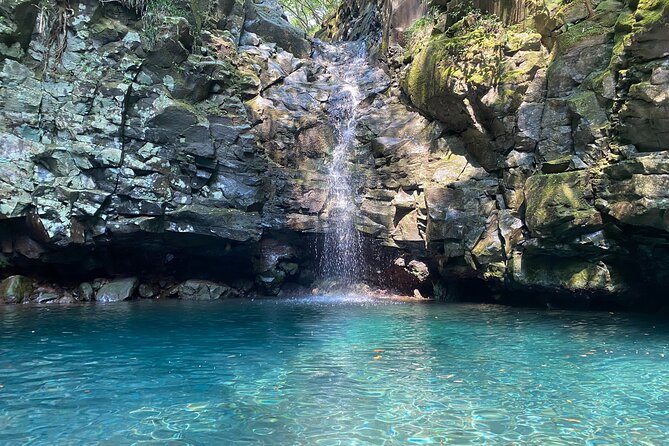
Your day starts at Gakunan Fujioka Station in Fujioka, Fuji, Shizuoka (the activity ends back at the same meeting point). Since it’s near public transportation, you can plan to show up without turning it into a whole logistics project.
Before anything goes wild, you’ll meet Yuki and Misa. They founded Fujiyama Canyoning Japan at the foot of Mt Fuji in 2024, and that shows in the focus on safe, small-group nature time. Yuki brings canyoning and climbing experience, plus a calm, confident guiding style. Misa adds warmth and friendly energy that keeps the mood from getting too tense.
Gear is included, which matters more than it sounds. You’ll get wetsuit, helmet, harness, canyoning shoes, and even canyoning socks. The goal is simple: you should be equipped to move safely and comfortably without needing to buy gear before you arrive.
Quick add-on: you can also buy original T-shirts at the canyon (¥3,500, sizes S to XXL, charcoal or olive). Not necessary for the day, but it’s a nice souvenir you can actually wear.
Safety First: Harnesses, Helmet Fit, and Rope Skills
Canyoning has a learning curve, even when you’ve tried outdoor activities before. The good news here is that you’re not figuring things out alone. The tour includes a licensed guide and equipment designed for the activity: helmet, harness, and rope-based rappelling.
Here’s what you should mentally prepare for. Safety isn’t just a one-time lecture. You’ll keep getting guidance as you move through different sections, especially around the more technical parts like rappelling and jumping.
Also, take the fit stuff seriously. If your harness feels off or your gear shifts when you move, say so right away. Getting that sorted early makes everything after it easier, from sliding to swimming.
The overall vibe from the tour setup is “structured adventure,” not chaos. Even if a moment feels intense, the process is meant to keep you in the right position and moving in the right way.
Lava Gorge Walking and Water Chute Sliding
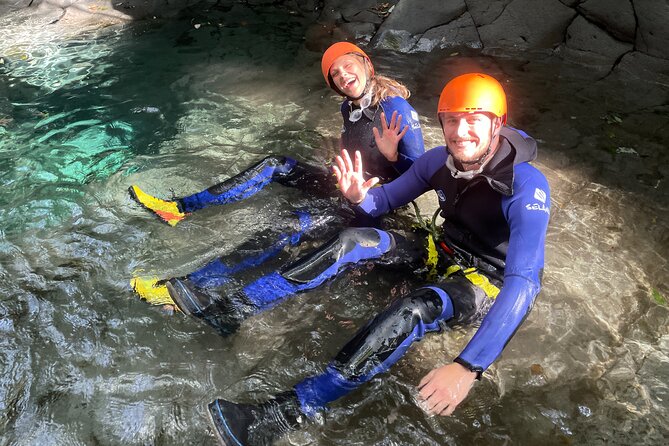
This is the core of the canyoning experience: moving through a lava gorge that turns into a playground of water chutes and slides.
You can expect a sequence that starts with controlled movement and gradually ramps up. Lava gorge walking means you’re navigating the canyon environment while wearing your wetsuit and shoes. It’s not just scenic strolling. You’re actively paying attention, placing your feet, and staying balanced.
Then comes the water chute sliding. Sliding can sound simple until you’re actually on it. The best way to handle it is to follow guide instructions, stay loose in your body, and trust that you’re doing it for speed and safety, not for bravado.
One practical benefit: sliding sections can reduce the “brain overload” of constant high-intensity moves. You still get action, but you’re not always making a technical decision like you do with rope work or jumping.
If you’ve been craving a break from city time, this part delivers. It’s physical, but it’s also playful.
Jumping 1m to 9m: Where Your Confidence Gets Tested
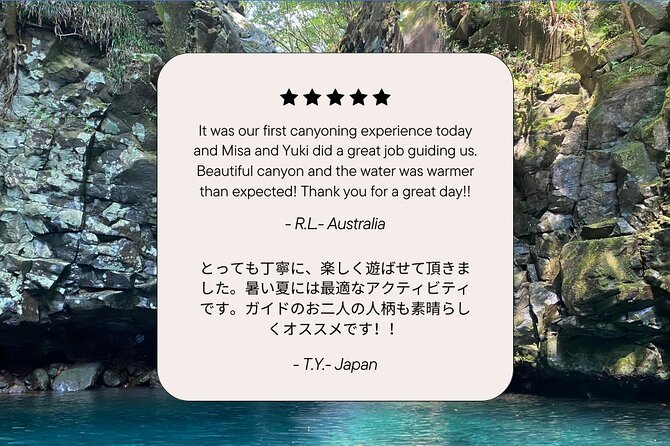
Jumping is a big part of this tour. The plan includes some jumping, with heights roughly from 1m to 9m. That range is important. It gives you options based on your comfort level.
If you’re doing canyoning for the first time, you should expect a few moments that feel intimidating. Even experienced hikers can find the commitment part of jumping stressful. The upside is that the day is guided, and you’re not thrown into the deep end without support.
My advice: treat the jump height as a choice you can scale. If you’re unsure, start with the smaller option first. Once your body learns the rhythm of jumping in that environment, it gets easier to relax into it.
Also remember that jumping isn’t only about courage. It’s about timing, body position, and landing. The guide’s cues matter because this is where safety is most tightly connected to technique.
And yes, it’s adrenaline. But it’s the useful kind, the kind that makes you feel like you truly did something, not just watched something happen.
Rappelling With a Licensed Guide
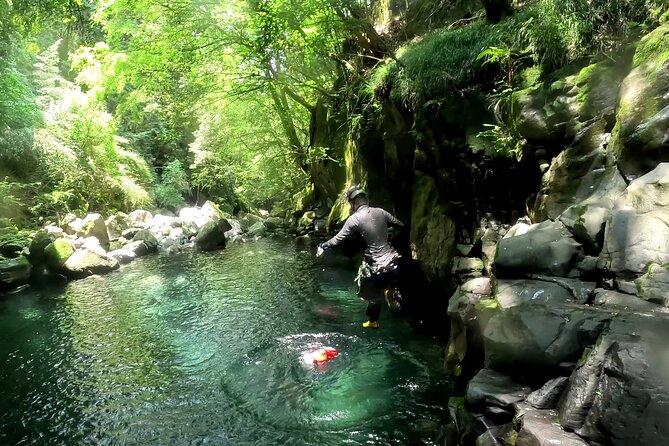
Rappelling is the technical section that turns canyoning from fun to skill-building. This tour includes rappelling down using a rope, guided by professionals.
What you should expect: a step-by-step approach. Even if the setup is exciting, you should feel like you’re progressing through a controlled process rather than guessing. Listen carefully during the explanation, then use the guide’s instructions to manage your position as you descend.
Rope work can make people tense because you’re relying on equipment and technique at once. The best way to stay calm is to focus on one task at a time: hands, feet placement, and staying aligned with the rappel path.
If you’re the kind of person who likes structured challenges, this section tends to click. It’s not just physical effort. It’s problem solving in a dramatic setting.
Swimming in Wetsuits: Comfort Tips That Make a Difference
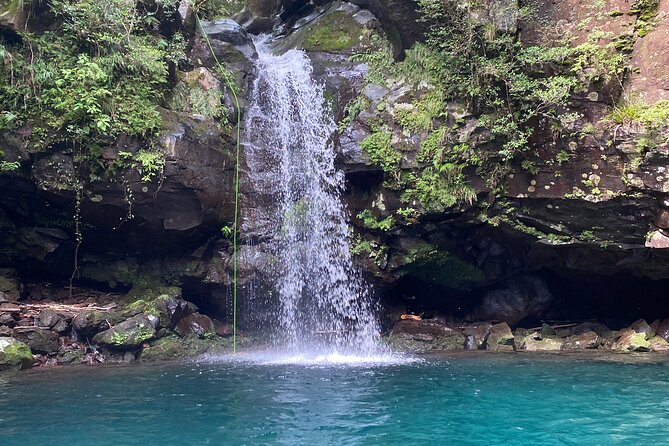
Swimming is part of the included program, and it happens with wetsuits and gear on (so you are not out there in regular clothes). That detail matters for comfort and safety in a canyon environment.
In a practical sense, you’ll want to think about how your wetsuit feels on you. Wetsuits are meant to stay snug, and that can feel different from normal swimwear. Don’t fight it once it’s fitted. The goal is insulation and mobility so you can move when you need to.
You’ll also want to bring the right expectations about after. Swimming means you’ll be wet, even if the day is only a few hours long.
What’s not included is a towel and swimsuits. You’ll need to plan your own clothing for the swim stage. Many people use spare underwear under gear and then change when the activity is done, since swimsuits are not provided.
Views of the Fuji Area, Season Timing, and Rain Reality
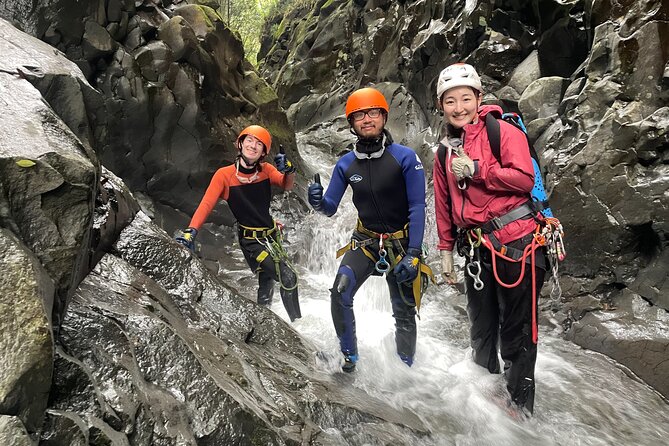
The best season is summer to September. That matches what canyoning usually needs: warm enough conditions to enjoy water sections without misery.
The tour is also closed from December to March, which is winter shutdown time for Japan canyoning in many places. If you’re traveling during those months and still want a winter-activity fix, the provider points you toward skiing or snowboarding lessons in Myoko at the Myoko Yodel Snow School Japan.
Rain is the part people worry about. One review noted they had fun even on a rainy day, and that’s a good sign that the guides keep things moving when conditions allow. Still, the tour requires good weather, so if it’s called off, you should expect they’ll offer another date or a full refund.
If you’re planning your trip: try to schedule this near the middle of your Japan days, not at the very end. That gives you flexibility if weather forces a change.
Price and Value for a 3-Hour, Max 6 Adventure
At $180.64 per person for about 3 hours, this is not a budget activity. But it also isn’t trying to be. You’re paying for two big categories of value: professional guidance and activity-grade equipment.
You get rental gear including wetsuits, helmet, harness, shoes, and socks. You also get the guiding for jump options, rope rappelling, sliding, and swimming. The technical and safety sides cost money, and you shouldn’t have to bring your own rope and canyon gear from home.
Add the max 6 group limit, and the value picture sharpens. Smaller groups usually mean fewer slowdowns and more time with the guide when you need reassurance.
If you’re a planner, this tends to get booked about 28 days in advance on average. That’s a hint to reserve early if you want a specific date during peak summer.
Who This Tour Suits Best (and Who Should Think Twice)
This is labeled advanced canyoning nearby Mt Fuji, and the included description even frames it as a good idea for second timers. If you’ve already done canyoning once, you’ll likely find the progression makes sense.
It also works for first-timers who are physically capable and ready for a learning moment. One of the most useful review takeaways is that it can feel scary for beginners at points. That’s normal. The difference is whether you can stay focused and follow instructions.
Who should think twice:
- If you have bad joints or back issues, this may not be the right activity.
- If you have serious health concerns, don’t gamble. Choose something lower impact instead.
Who should love it:
- People who want a real adventure with variety, not just a walk in nature.
- Travelers who enjoy technical challenges, especially rope-based tasks like rappelling.
- Anyone who wants to experience the Mt Fuji area in a way that feels active and personal.
Should You Book Fujiyama Canyoning Japan?
Book it if you want a hands-on day of canyon action near Mt Fuji, with gear included and a small group size that helps you stay safe and confident. Yuki and Misa’s guiding style, plus the licensed setup, makes this feel like a plan built for people who want to do more than observe.
Skip it if you’re dealing with joint or back limitations, or if you want a calm, low-intensity outing. This is water, heights, ropes, and movement. Even when it goes well, it’s still challenging.
If you can travel in summer through September, your odds of enjoying the water sections improve a lot. And if weather is unpredictable, give yourself scheduling flexibility because this needs good conditions to run.
Bottom line: if you’re physically comfortable with an active, sometimes intense guided adventure, this is a strong pick for Shizuoka and Mt Fuji.
FAQ
How long is the canyoning experience?
It lasts about 3 hours.
Where do I meet for the tour?
The meeting point is Gakunan Fujioka Station in Fujioka, Fuji, Shizuoka 417-0841, Japan. The activity ends back at the same meeting point.
What gear is included?
You get rental gear including a wetsuit, helmet, harness, canyoning shoes, and socks.
Is jumping and rappelling part of the activity?
Yes. The tour includes jumping (about 1m to 9m), rappelling using a rope, sliding, and swimming with the licensed guide.
What season is best to book this tour?
The best season is summer through September.
When is the tour closed?
The tours are closed from December to March.
What should I bring since swimsuits and a towel are not included?
Plan to bring your own towel and swimsuits. The information also notes you can spare underwear.
How big is the group?
The tour has a maximum of 6 travelers.
What happens if the weather is poor?
The experience requires good weather. If it is canceled due to poor weather, you’ll be offered a different date or a full refund.
Can I cancel for free?
Yes. Free cancellation is available up to 24 hours in advance for a full refund. Canceling less than 24 hours before the start time does not receive a refund.
More Tour Reviews in Fuji
Not for you? Here's more nearby things to do in Fuji we have reviewed
Mount Fuji Tours, side by side.
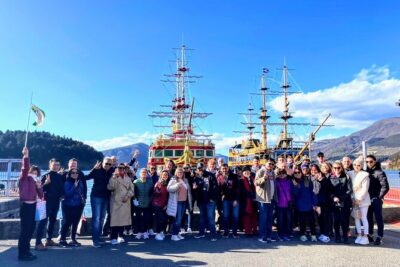 ★ 5.0Mt Fuji and Hakone 1-Day Bus Tour Return by Bullet TrainFrom $16326,383 reviews
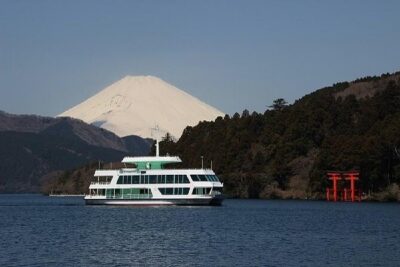 ★ 4.0Mt Fuji & Hakone Cruise, Drum Show Bullet Train 1 Day from TokyoFrom $1497,413 reviews
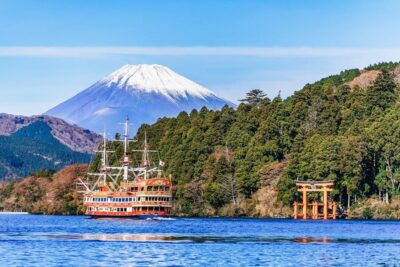 ★ 4.4Tokyo Mt Fuji 5th St & Hakone Cruise Bus Tour w/Bullet TrainFrom $1545,024 reviews
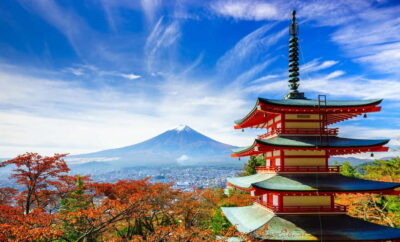 ★ 4.5From Tokyo: Mount Fuji Full-Day Sightseeing TripFrom $684,970 reviews
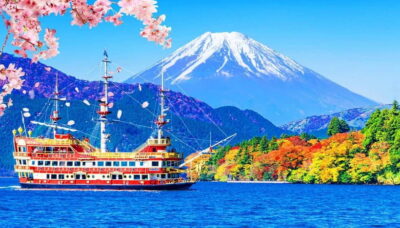 ★ 4.7Mt. Fuji Tour, Hakone Ropeway, Owakudani, Lake AshiFrom $544,002 reviews
 ★ 4.2Mt. Fuji 5th Station & Hakone Cruise 1-Day Bus TourFrom $1292,381 reviews
 ★ 4.7Mt Fuji Top 5 Spots Day Tour: Arakurayama Park,Oshino HakkaiFrom $532,066 reviews
 ★ 5.0Private Tour to Mt. Fuji and Hakone (Fully Licenced Operator)From $4971,910 reviews