
Review · TOKYO
Sushi-Making Experience
Tokyo Tower is your landmark, and sushi is your assignment. This hands-on class at Kikai Shinko Kaikan teaches you to shape sushi with a small group and an English-speaking, nationally accredited instructor.
I love that you learn three different styles and techniques, so you are not just copying one roll over and over. I also like that you leave with two sushi making kits, meaning you can repeat the basics at home instead of forgetting everything the next day.
One thing to factor in, the price is $106 per person and there is no hotel pickup or drop-off, so you will need to get yourself to the building near Tokyo Tower.
Key things to know before you go
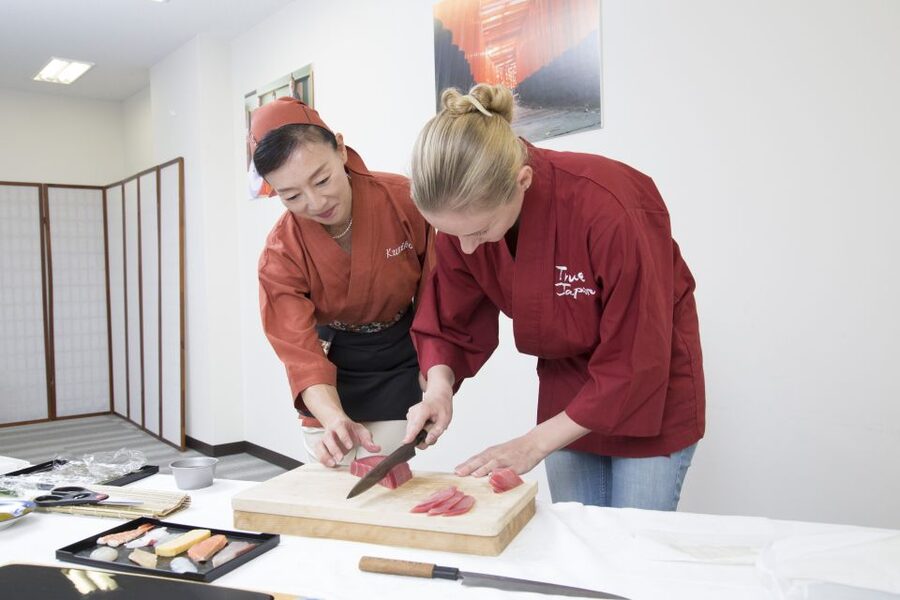
- Three sushi types, three techniques: nigiri zushi, gunkan maki, and hosomaki zushi
- Small group format with up to 10 participants for hands-on help
- Take-home practice with two sushi making kits included
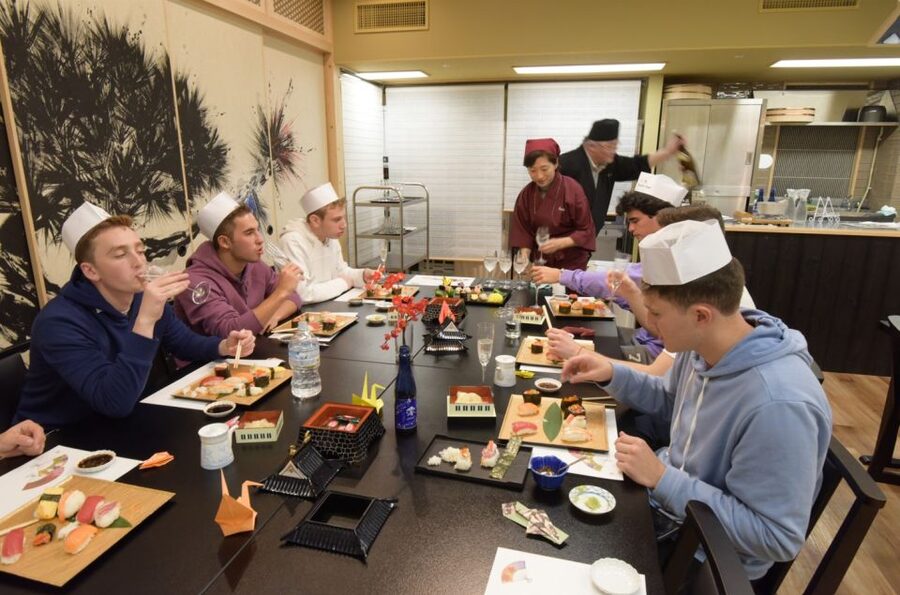
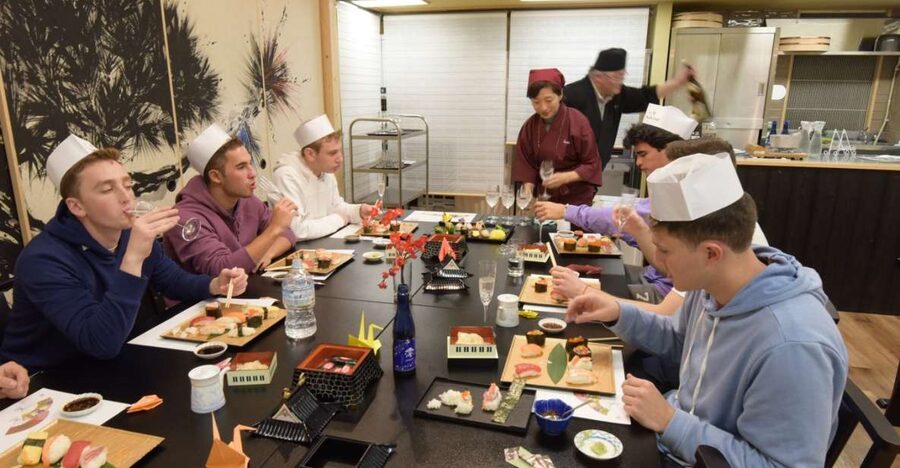
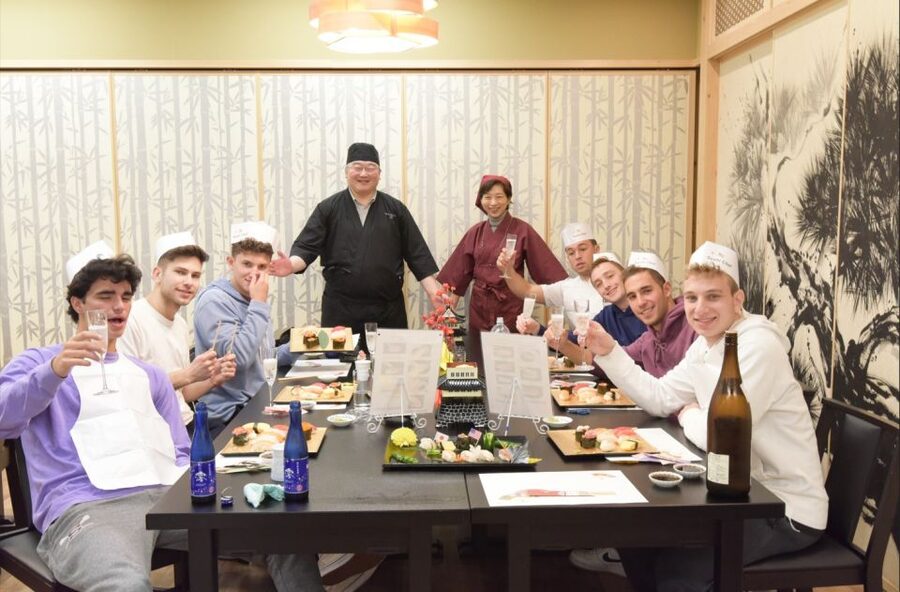
- Sushi meal at the table after you finish making your own rolls
- Clear meeting options at Kikai Shinko Kaikan, plus a backup room at True Japan Tour (Room B109)
Getting to Kikai Shinko Kaikan, right by Tokyo Tower
This experience is in Honshu, Japan, and the meeting point is straightforward if you use the landmark. Plan to meet your instructor at the main entrance of the Kikai Shinko Kaikan building on the 1st floor. The building is opposite the Tokyo Tower side, which makes it easier to orient yourself.
If you show up and cannot find your instructor, you are not stuck. Go to True Japan Tour (Room B109) on the B1 floor inside the same building. That backup plan matters because it turns a potentially stressful moment into something quick.
The class is wheelchair accessible, which is a real plus if you are planning around mobility needs. Hotel pickup and drop-off are not included, so build that into your day. In practice, this kind of workshop works best when you can keep your schedule tight and show up with minimal fuss.
You can also read our reviews of more tours and experiences in Tokyo.



The rhythm of the 2-hour sushi workshop
The whole experience runs about 2 hours, so it is focused. You do not just watch. You prep, you practice, and you eat what you make.
You start by meeting your friendly chef and group for the day. From there, you get a brief overview of sushi in Japanese dining culture, then the practical part begins as ingredients get ready. The pace is designed for beginners, because you get a quick demonstration first, then you try the basics with help from the experts.
In the middle, you work through three sushi types: nigiri zushi, gunkan maki, and hosomaki zushi. You will follow the method you are shown, and you will get assistance as you go, which is especially useful when you are learning the right feel for rice and shaping.
Then you finish your sushi and sit down for your meal. This is not just about eating. You learn Japanese dining etiquette with your sushi at the table, so the workshop ends with you using the etiquette in a real setting, not only talking about it.
Small-group lessons like this also mean you are more likely to get direct help when something is not landing quite right, whether it is rice handling or shaping.
Learning nigiri, gunkan, and hosomaki without the stress
The core value here is learning three sushi formats during one workshop. Each one trains a different skill, so you walk away with a wider toolkit.
Nigiri zushi
Nigiri is about balance and handling. You learn how to form the rice base and then add the topping in a way that looks neat and holds together. The goal is not perfection in one try, but getting the method you can repeat.
Gunkan maki
Gunkan maki is more structured. You are shaping around a filling style, which usually feels trickier at first. This is the type where having an instructor guide your technique helps, because the form depends on how you build and hold the sushi together.
Hosomaki zushi
Hosomaki is the roll-focused one, where you practice rolling into a clean, compact shape. This is where your hands learn consistency, and it is usually the part that makes people want to take photos, since you can visibly see progress as you make it.
Across all three, you also get practice with traditionally paired sushi condiments and sauces. That is important, because sushi tastes wrong when you only think about the rice and fish. The workshop’s seasoning side gives you a more complete picture of how sushi works at the table.
Sushi condiments and sauces you can actually use again
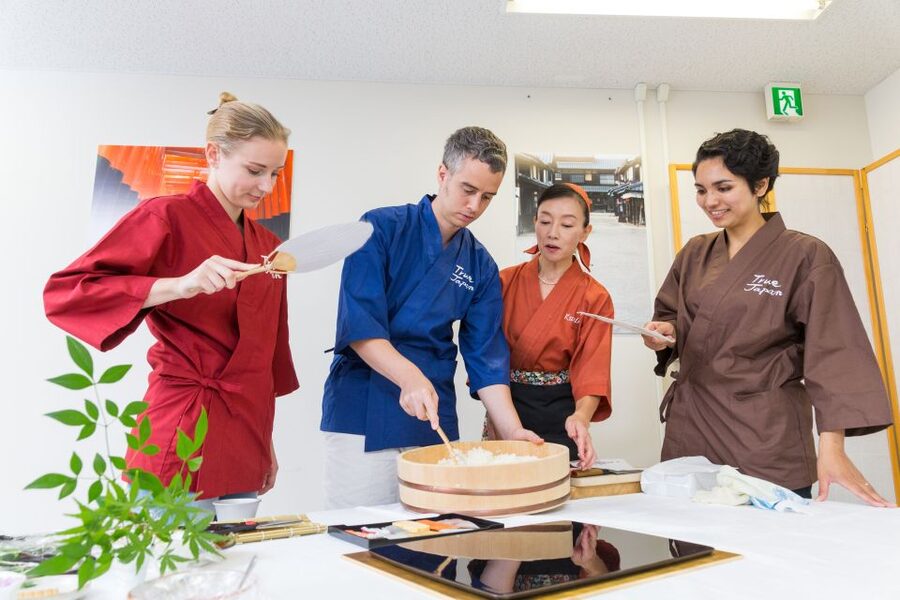
You get to try different flavors with a variety of sauces and condiments that are traditionally paired with sushi. I like this part because it stops the experience from being only about technique. You can learn how to shape sushi and still miss the point if you never taste it with the right pairings.
During the workshop, you finish your sushi and then take a seat to eat. That means you get immediate feedback on what tastes right with your own rolls. If you are curious about how the flavor balance shifts depending on the sauce, this meal format makes that obvious.
One practical benefit: you are not just tasting one thing and moving on. You get a chance to explore the pairing side during the experience, which makes it easier to replicate something similar at home later.
And because you receive two sushi making kits to practise after the class, the sauce and condiment experience acts like a memory guide. It helps you connect the taste to the process you learned.
Japanese dining etiquette, taught right when you need it
This is a dining-centered workshop, not only a cooking demo. After you make your sushi, you sit down and learn Japanese dining etiquette as part of the meal.
What I appreciate about this timing is simple: etiquette makes more sense when your hands are already busy and your food is already in front of you. You are not trying to translate rules from a distance. You are applying what you learn immediately.
Etiquette in Japanese dining often includes small, practical habits around eating and sharing food. In this workshop, you get taught the basics, then you use them with your sushi at the table. Even if you consider yourself an experienced foodie, a short etiquette lesson is a low-cost way to avoid awkward moments and to show respect at the table.



Price and value: is $106 worth it?
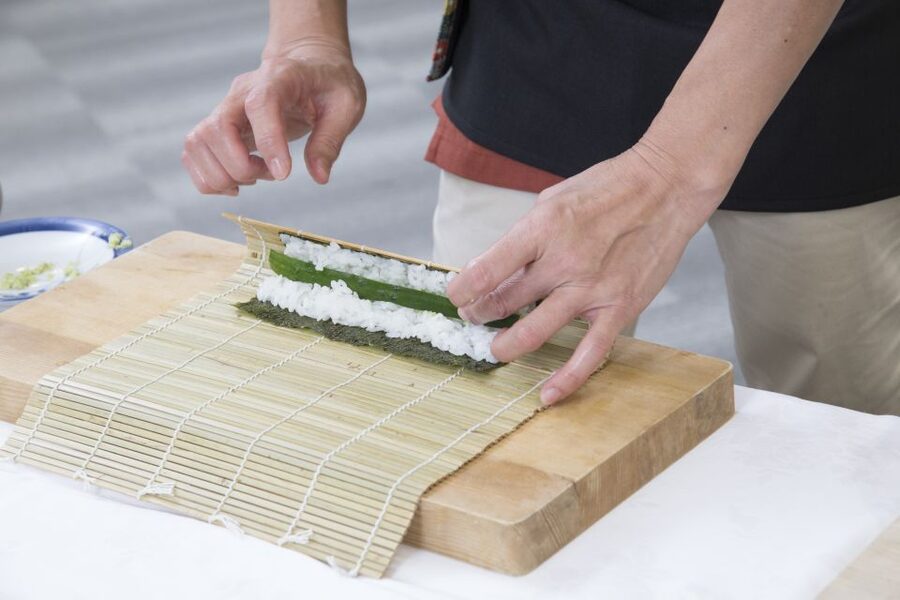
At $106 per person for a 2-hour class, this is not a casual snack activity. You should think of it as a cooking lesson plus a meal plus a practice kit.
Here is what you are paying for, based on what is included:
- A workshop with a nationally accredited sushi instructor
- Ingredients used in the session
- The sushi meal you eat at the end
- Two sushi making kits to keep practising at home
That combination is the value story. A lot of classes teach you how to make one thing, maybe you eat a small portion, and you go home with nothing. Here, you get hands-on practice for three types of sushi and you keep two kits afterward. For me, that is what turns the class from a one-time experience into something with follow-through.
The main reason it might feel pricey is the time is only 2 hours, so you cannot expect mastery in one sitting. But that limitation is common with cooking workshops. The better way to look at it is: you learn core techniques you can repeat with the kits at home.
Who this sushi-making class is best for
This workshop is a good fit if you want:
- Beginner-friendly hands-on learning of sushi shaping
- A small group with real instructor attention (limited to 10)
- A lesson that ends with a meal, plus dining etiquette practice
- Something to do near Tokyo Tower that feels local and practical
It also suits you if you like structured learning. The format is demonstration first, then practice with help, then sit down and eat. That pattern makes it easier to follow along.
If you already know how to make sushi and you want advanced, fine-tuned knife work or deep specialization, this 2-hour class may feel more basic than you want. Still, practising three styles in one session can be a fun way to refresh technique.
My verdict: should you book it?
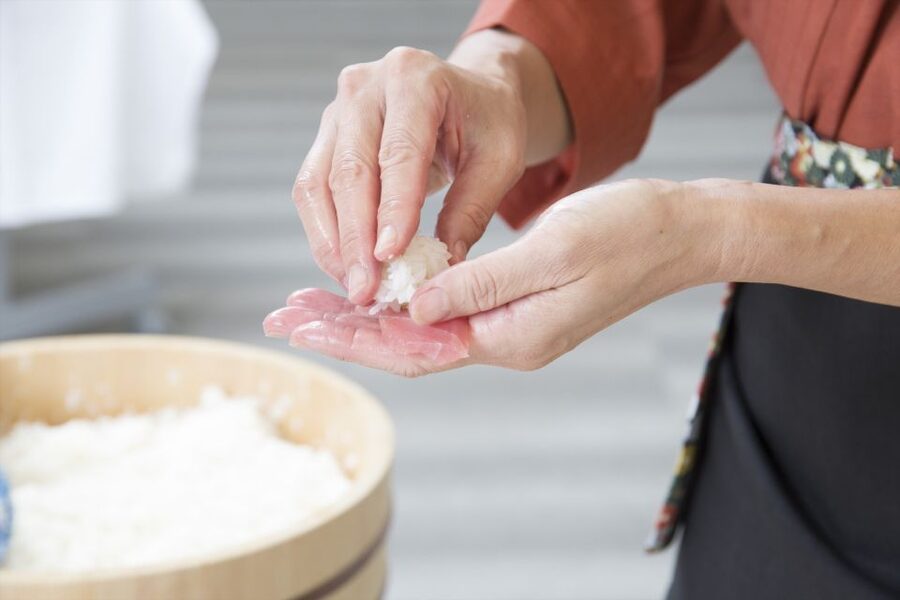
I would book this sushi-making workshop if you want a focused, small-group class near Tokyo Tower that teaches you three sushi types, includes a meal, and gives you two take-home kits for practising later. The $106 price feels easier to swallow when you add up the instructor-led workshop, ingredients, your meal, and the extra practice materials.
Skip it if getting to the meeting point is hard for you. Hotel pickup is not included, and you will need to plan your arrival at Kikai Shinko Kaikan on the 1st floor, with the Room B109 option at True Japan Tour if needed.
If you want a practical Tokyo experience that teaches skills you can reuse, this one is a solid choice.
FAQ
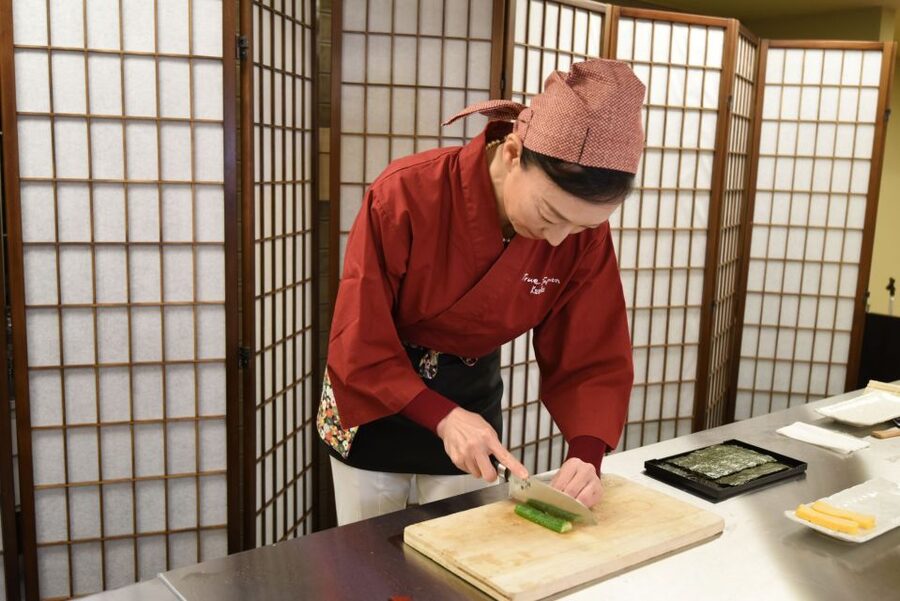
How long is the sushi-making experience?
It lasts 2 hours.
What is the price per person?
The price is $106 per person.
What is included in the workshop?
You get the workshop with a nationally accredited sushi instructor, ingredients, a sushi meal, and two sushi making kits.
What is not included?
Hotel pickup and drop-off are not included.
Where do I meet the instructor?
Meet your instructor at the main entrance of the Kikai Shinko Kaikan building on the 1st floor, opposite Tokyo Tower. If you cannot find the instructor, visit True Japan Tour (Room B109) on the B1 floor.
What sushi types will I learn to make?
You will learn three types: nigiri zushi, gunkan maki, and hosomaki zushi.
Will the class be taught in English?
Yes, the instructor teaches in English.
How large is the group?
The group is small, limited to 10 participants.
Is it wheelchair accessible, and can I cancel for a full refund?
Yes, it is wheelchair accessible. You can cancel up to 24 hours in advance for a full refund.











