
Fuji, caves, and forest walking, all in one day. What makes this outing worth your time is the private car pace and the mix of volcanic sights plus calmer lakeside stops. I also like how the day is built around places most visitors skip, so you can linger when something clicks.
The best part is the quiet rhythm, not a rigid script. Still, there is one real consideration: cave conditions can change, and the Narusawa Ice Cave may be closed or look different depending on the season, so plan with a little flexibility.
Key highlights at a glance
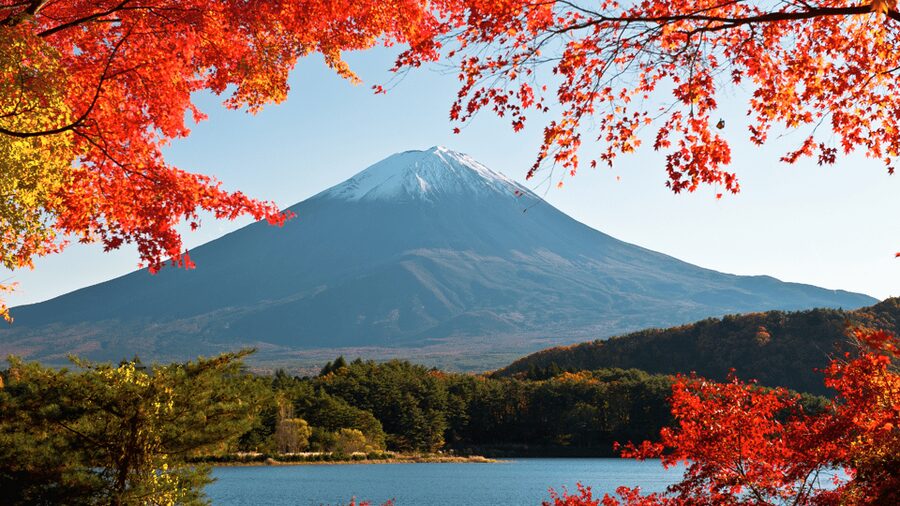
- Private car, English driver: Easy pickup from Central Tokyo, and you can move at your pace.
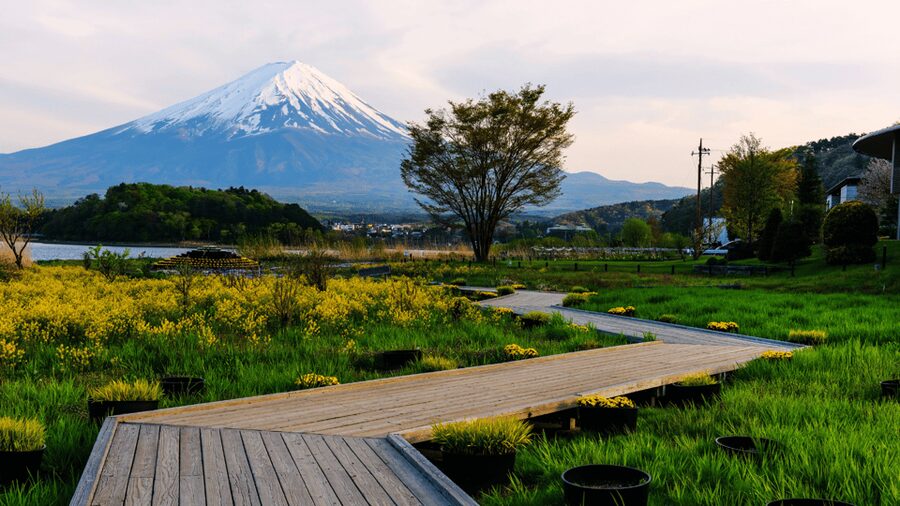
- Lake Kawaguchi flowers at Oishi Park: Fuji framed by seasonal blooms, with time to walk.
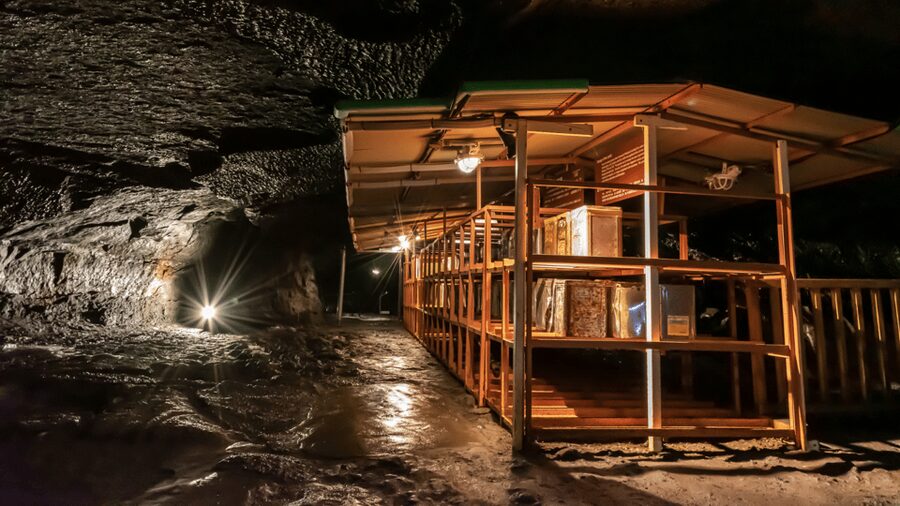
- Narusawa Ice Cave: Volcanic cold and ice features, but watch for closures and seasonal differences.
- Fugaku Wind Cave: A geologically important cave with a real use from the past, including silkworm eggs.
- Aokigahara Forest trails: Famous for a dark reputation, but you’ll focus on nature and quiet walking.
Why this Fuji day trip feels quieter than the big-bus version
Most Tokyo day trips run on a schedule made for crowds. This one is different because it’s a private group outing driven by an English-speaking driver. That means fewer waiting games and more control over when you step out for photos, short walks, or bathroom breaks.
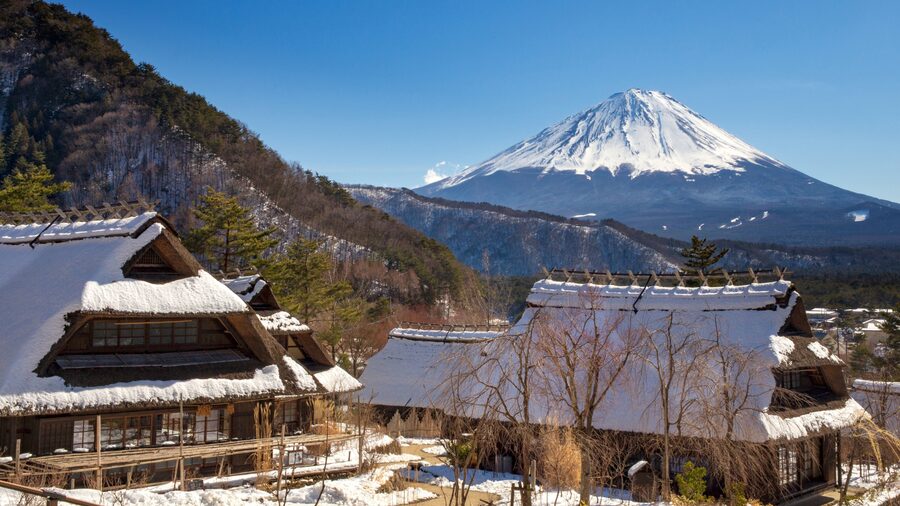
I also like that the route is built around specific places around Mt. Fuji, not just “drive past scenery.” You start by Lake Kawaguchi, then move to volcanic caves, then finish with a forest walk at Aokigahara. It’s a good flow, and it helps you see Fuji from multiple angles and ecosystems in one outing.
One more practical win: the transport quality gets strong marks. With a clean, comfortable vehicle and smooth driving reported by past guests, you can focus on the day instead of worrying about logistics.
You can also read our reviews of more tours and experiences in Fujikawaguchiko.
Oishi Park and Saiko Nenba-hama: Fuji views with flowers, not crowds

Your morning is timed for Fuji scenery around Lake Kawaguchi. First up is Oishi Park for a photo stop, sightseeing, and walking time. Oishi Park is popular for a reason, but what you’re really buying is the chance to see Fuji with seasonal flowers in the same frame. If you enjoy photography, this is where the day starts building momentum.
You’ll then head to Saiko Nenba-hama, another lakeside spot with walking time and a more relaxed feel. This area is ideal for a slow lunch since it’s calmer than the busiest viewpoints. Even if you don’t plan to buy food on-site, it’s a good place to stretch your legs, breathe, and reset before the caves.
Small heads up from real-world cave walking on days like this: comfortable shoes matter here too. You’ll be on foot at both lakeside stops, and you’ll want sure footing if it’s cool or damp.
Tatego-Hama Beach by Lake Motosu: the calm finish to the lake portion
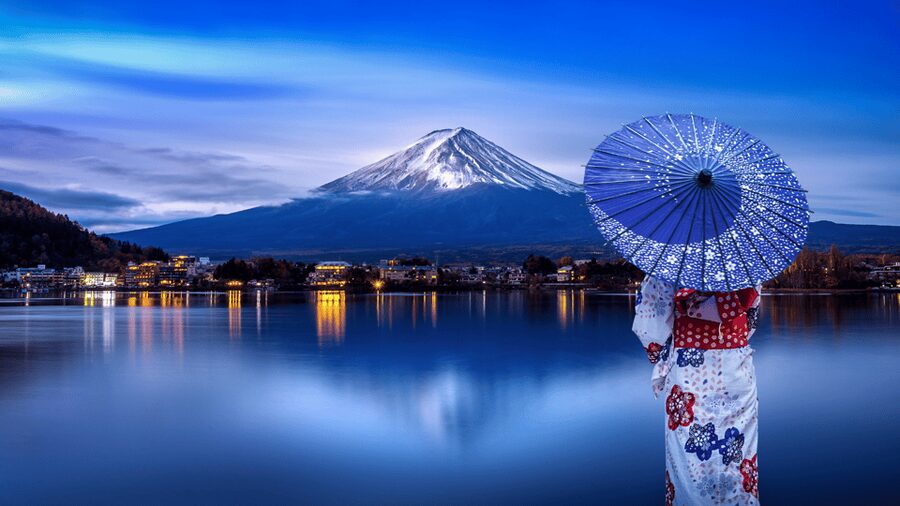
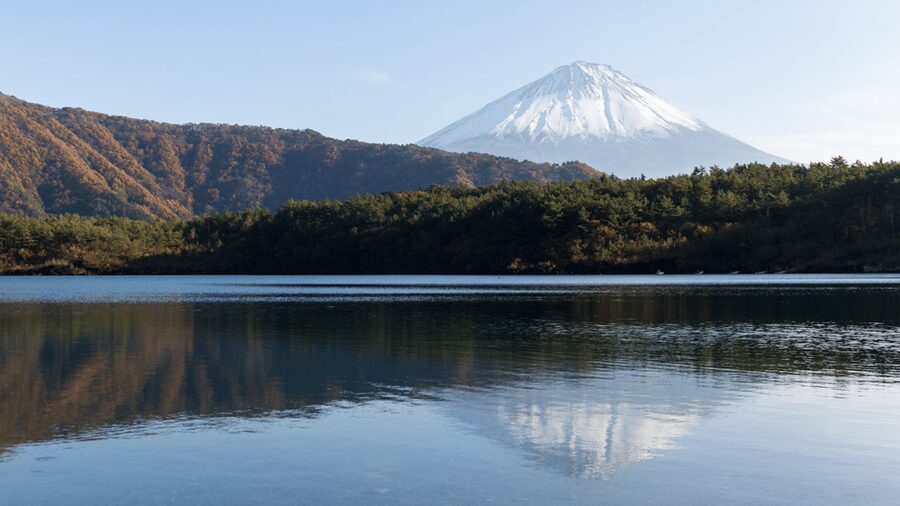
Next comes Tatego-Hama Beach, where the vibe shifts from flower park views to quiet lakeside water and broad Mt. Fuji views. The water here can feel crystal clear when weather cooperates, and the point is simple: you get a slower, less touristy angle of Fuji before you head underground and into the forest.
You get about an hour at this stop. That’s long enough for photos and a stroll, but not so long that the day drags. If you’re traveling with people who need breaks, this stop works well because it’s not one of those “stand in line forever” situations.
Narusawa Ice Cave: volcanic wonder, with seasonal reality checks
Then you jump from open air into something totally different: Narusawa Ice Cave. This is cold, mysterious, and formed by Mt. Fuji’s eruptions. It’s famous for its ice features, and it’s one of the main reasons this tour is booked.
Here’s the practical catch. The ice cave can be closed some dates. There was at least one confirmed experience where it closed for a week, and the itinerary didn’t adjust with compensation. Also, an important seasonal note: ice pillars are most visible from February to June. Outside that window, you may still see the cave’s cool air and ice remnants, but the look might differ from what you expected.
What that means for you: bring warm layers, even in warmer months. Also think about claustrophobia. This trip is noted as not suitable for claustrophobia, and cave space can feel tighter than you’d like.
If the cave is open, expect a short walk around the interior areas and photo moments where the ice makes your camera work overtime.
Fugaku Wind Cave: geology plus a surprising human story
After the icy stop, you go to Fugaku Wind Cave, another volcanic feature but with a different focus. This cave is valued for its geological significance, and it also has an intriguing human past. Historically, it was used to store silkworm eggs, which tells you a lot about how stable the cave conditions can be.
You’ll get about an hour here for photo stop, sightseeing, and walking. That’s usually enough time to take in the main areas without feeling rushed.
Fit and comfort matter again. In cave environments, bigger travelers may encounter places where walking isn’t fully upright. One prior guest specifically mentioned low, awkward spots where you might need to crawl. You don’t need to panic, but you should know your limits and take it slow.
If you like geology, this is one of those stops that makes Fuji feel more like a living system than a single mountain silhouette.

Aokigahara Forest: famous name, better mindset for a respectful walk
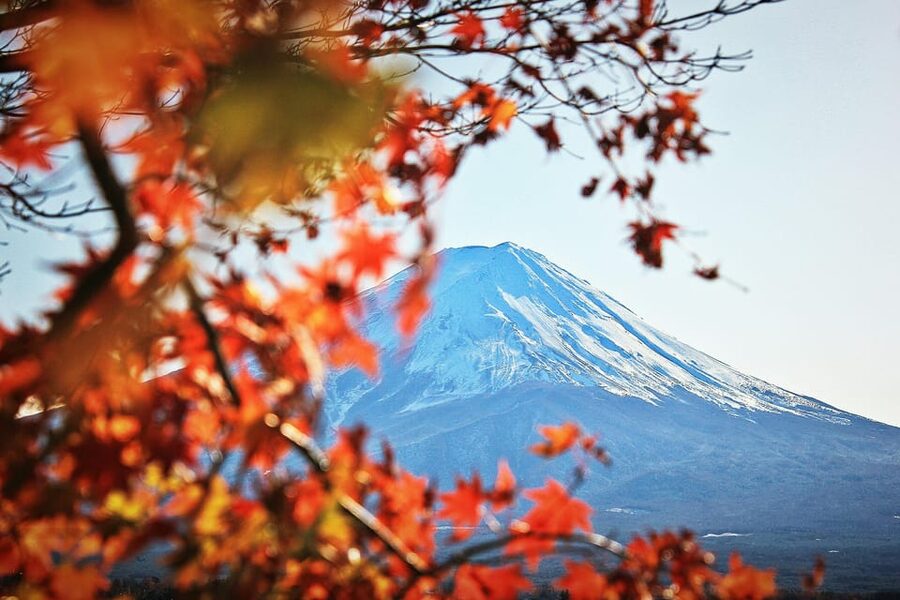
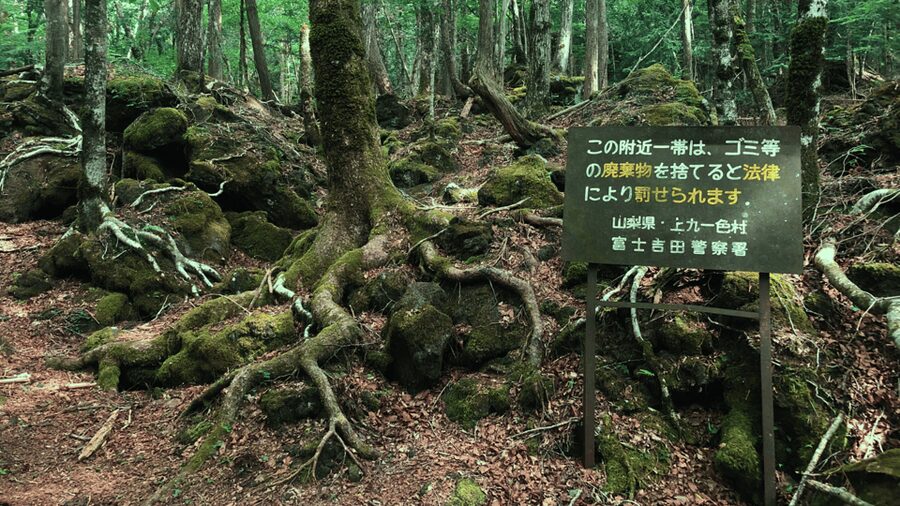
Finally, you reach Aokigahara Forest, known publicly for its dark reputation. But the way this day is framed is more about nature than sensationalism. You’ll walk among dense trees for sightseeing and take in the calm, quieter feel of a place far from city noise.
The tour text emphasizes that beyond its reputation, Aokigahara can be a space of tranquility and natural beauty, with a unique ecosystem and serene trails. That’s a good approach for you, especially if you want the forest to feel like a nature experience, not a headline.
One practical note: this stop includes walking time, around 1.5 hours. Wear comfortable shoes again, and keep your pace steady. If you’re prone to getting overwhelmed in dark, enclosed spaces, this isn’t the ideal outing. The tour is listed as not suitable for wheelchair users and not for claustrophobia, which is relevant when you combine caves earlier with dense forest later.
Also, treat the area thoughtfully. Even if you come out of curiosity, your job is to be respectful and quiet as you walk.
Private car logistics from Tokyo: the value is in the control
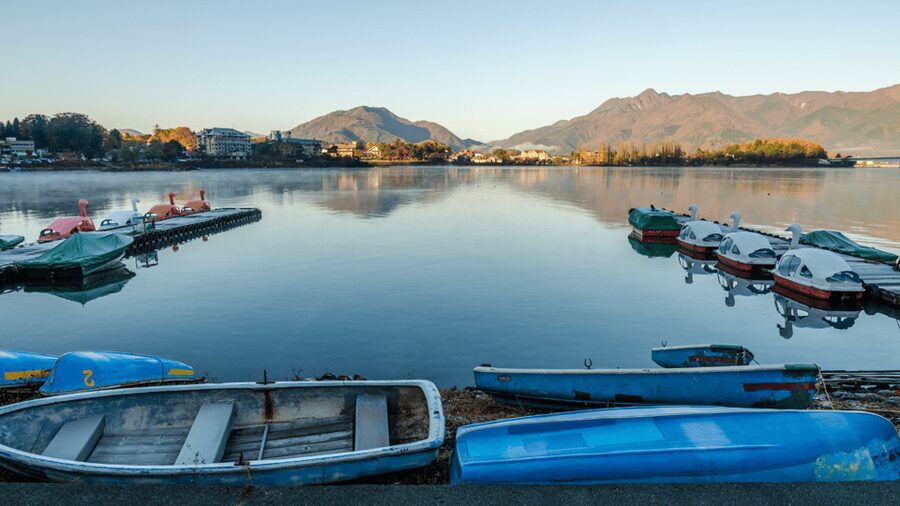
The tour operates with a modern air-conditioned vehicle for 10 hours, using hotel pickup and drop-off from Central Tokyo. That pickup region matters because it affects timing and cost. If you’re outside Tokyo’s 23 wards, there is an added surcharge.
What you’ll feel in practice is less time spent negotiating trains, fewer missed connections, and easier bathroom breaks. Plus, you’re not stuck waiting for other people to catch up. The driver can adapt the pacing, and that flexibility is a big part of the value.
One guest praised the overall transport setup and called the vehicle spacious and comfortable. Another noted smooth, easy driving with a knowledgeable driver who shared stories and answered questions. In other past experiences, drivers such as Zeeshan, Soma, Saki, Nisal, and Amane were singled out for friendliness and good guidance. That pattern tells me the operator tends to staff drivers who understand how to translate what you’re seeing into something you can actually enjoy.
Just keep in mind that real-world timing can vary. One customer reported the day felt shorter than the advertised 10 hours, even after accounting for a meal. Traffic and cave conditions can affect everything, so I’d treat 10 hours as a target, not a promise.
What you pay, what you should budget, and where the real costs hide
The price is $577 per group up to 5. That sounds high at first glance until you compare it to the cost of separate taxis or multiple transit tickets, plus the time savings of having a private driver. For small groups, the math often starts looking fair because you’re paying for convenience and custom pacing, not just transportation.
But here’s what is not included, and it matters for budgeting:
- Entrance tickets to attractions are not included. You’ll buy on the spot.
- Food and drinks are not included.
You can bring snacks and water. Food is allowed in the car, but there’s a rule: no alcohol in the vehicle. Also, if the vehicle gets unusually dirty, a cleaning fee could apply.
There’s also a cost-control detail you should not ignore: if the schedule runs long, there’s an overtime fee of 2,500 JPY per 30 minutes, paid to the driver in cash.
So my advice is simple. Budget for tickets plus at least one meal, and keep some cash on hand.
Smart packing for caves and forest walks
This day mixes open-air stops with caves and denser walking. That combo means you should pack like the weather is unpredictable, even when it looks calm.
Bring:
- Comfortable shoes
- Warm clothing
- Camera
- Snacks and water
- Cash
Warm clothing is the big one. Caves can feel much colder than you’d guess, and once you’re dressed for warm Tokyo weather, it’s easy to under-layer.
Also, the tour notes smoking is not allowed in the vehicle. Not a big deal, but it’s a firm rule.
Should you book this Mt. Fuji and Aokigahara tour?
I’d book it if you want a Fuji day that feels more like a road trip with stops you actually choose, not a checklist tied to bus crowds. The private car setup is the headline for me, and the route makes sense: lakeside views, two cave experiences with different themes, then a forest walk that can be quiet and reflective when you approach it respectfully.
I’d think twice if caves make you uncomfortable. The tour is not suitable for claustrophobia, and cave interiors can include tight sections where crawling may be necessary. Also, if timing depends on seeing specific ice features, remember the ice cave can be closed and the ice pillars show best from February to June.
If you’re traveling with up to 5 people and you like flexibility, this is a strong value. With a good driver and the right mindset for caves and a darker-famous forest, you’ll come away with a day that feels unusual in the best way.
FAQ
How long is the tour?
The tour duration is 10 hours.
What’s included in the price?
Included are an English-speaking driver, hotel pickup and drop-off from Central Tokyo, and a modern air-conditioned vehicle for the trip.
Are entrance tickets included?
No. Attraction tickets are not included and you’ll need to purchase them on the spot.
Are food and drinks included?
No. Food and drinks are not included. Snacks and water are recommended, and food is allowed in the car under the stated rules.
Where does pickup and drop-off happen?
Pickup and drop-off are included for Central Tokyo and specifically the Tokyo 23 wards listed in the details. If you’re outside those areas, there may be a surcharge.
What if it rains?
The tour runs rain or shine and only cancels in unsafe weather as determined by the operator.
Is the tour suitable for everyone?
It is not suitable for people with claustrophobia, and it is not suitable for wheelchair users.
Is there an overtime charge?
Yes. There is an overtime fee of 2,500 JPY per 30 minutes, paid in cash to the driver.
More Tours in Fujikawaguchiko
More Tour Reviews in Fujikawaguchiko
Not for you? Here's more nearby things to do in Fujikawaguchiko we have reviewed
Mount Fuji Tours, side by side.
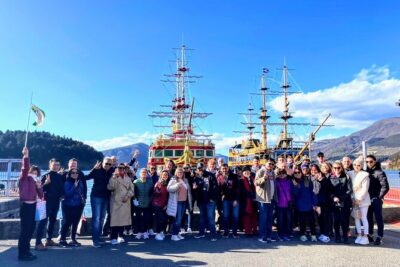 ★ 5.0Mt Fuji and Hakone 1-Day Bus Tour Return by Bullet TrainFrom $16326,383 reviews
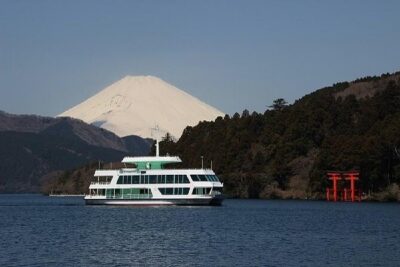 ★ 4.0Mt Fuji & Hakone Cruise, Drum Show Bullet Train 1 Day from TokyoFrom $1497,413 reviews
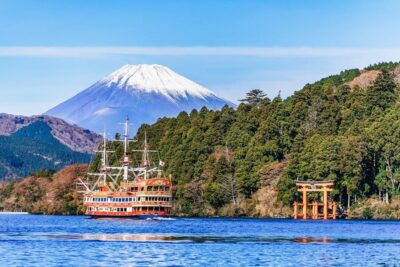 ★ 4.4Tokyo Mt Fuji 5th St & Hakone Cruise Bus Tour w/Bullet TrainFrom $1545,024 reviews
 ★ 4.5From Tokyo: Mount Fuji Full-Day Sightseeing TripFrom $684,970 reviews
 ★ 4.7Mt. Fuji Tour, Hakone Ropeway, Owakudani, Lake AshiFrom $544,002 reviews
 ★ 4.2Mt. Fuji 5th Station & Hakone Cruise 1-Day Bus TourFrom $1292,381 reviews
 ★ 4.7Mt Fuji Top 5 Spots Day Tour: Arakurayama Park,Oshino HakkaiFrom $532,066 reviews
 ★ 5.0Private Tour to Mt. Fuji and Hakone (Fully Licenced Operator)From $4971,910 reviews