
Review · SHIBUYA TOURS
【NEW】Shibuya Tea Ceremony Tokyo-Chaan
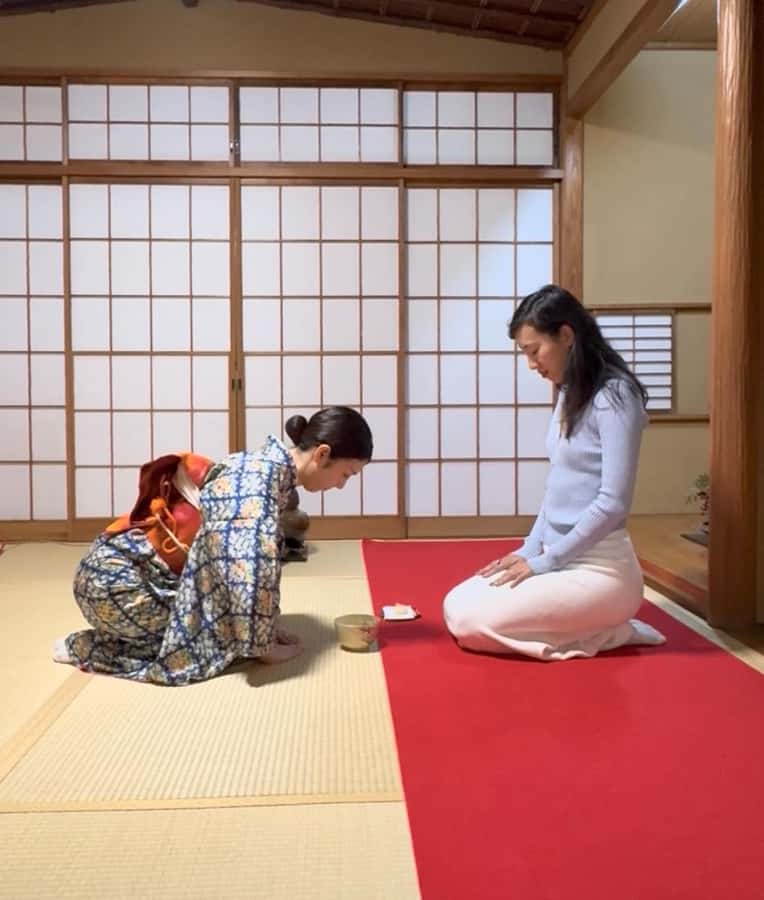
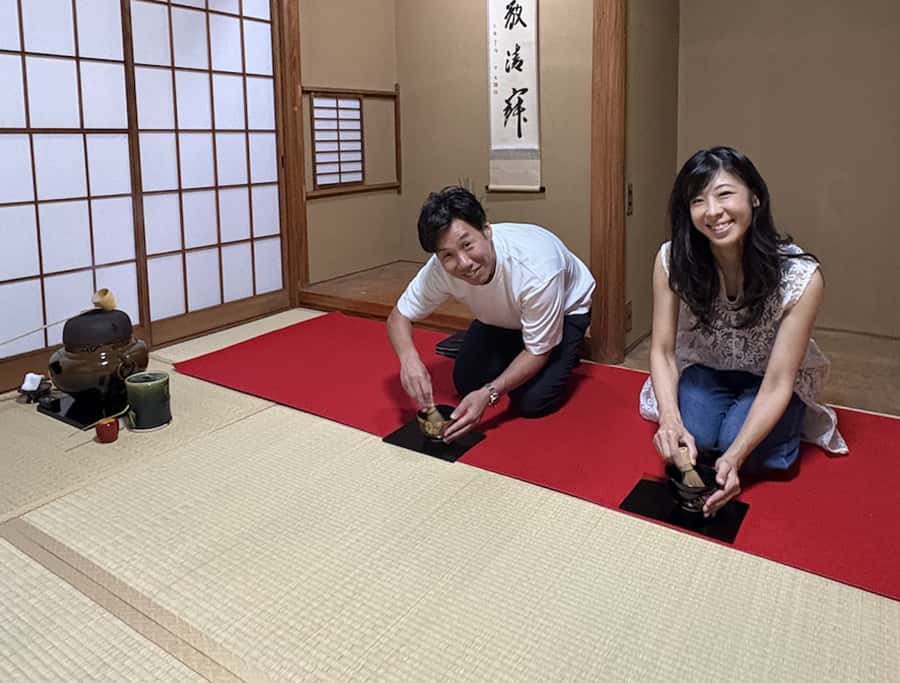
Matcha feels different when you whisk it yourself. This Shibuya tea ceremony blends a teacher-led Otemae demonstration with hands-on matcha making in a quiet tatami room, all guided in clear English by Japanese instructors in kimono. You even finish by tasting your bowl alongside seasonal sweets.
Two things I especially like: the guidance is practical, so you do not just watch you make, and the pairing of freshly prepared matcha with seasonal confections keeps the experience grounded and enjoyable. One drawback to plan around is age limits, since children under 4 cannot participate, and kids 4 and older need their own ticket.
Key highlights to look for
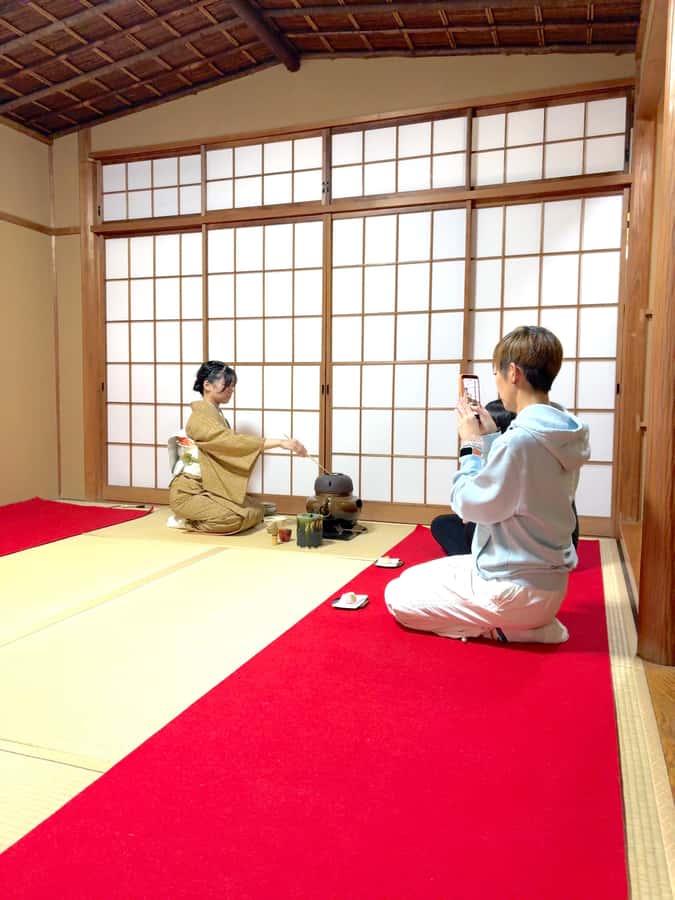
- Otemae demonstration led by an experienced tea instructor with traditional tools
- English instruction from Japanese guides speaking clearly throughout
- Hands-on matcha making using authentic utensils, not just tasting
- Peaceful tatami room setting that slows the pace in busy Shibuya
- Seasonal sweets served with your matcha for a better first impression
Why Shibuya Tea Ceremony Tokyo-Chaan feels like a mini reset
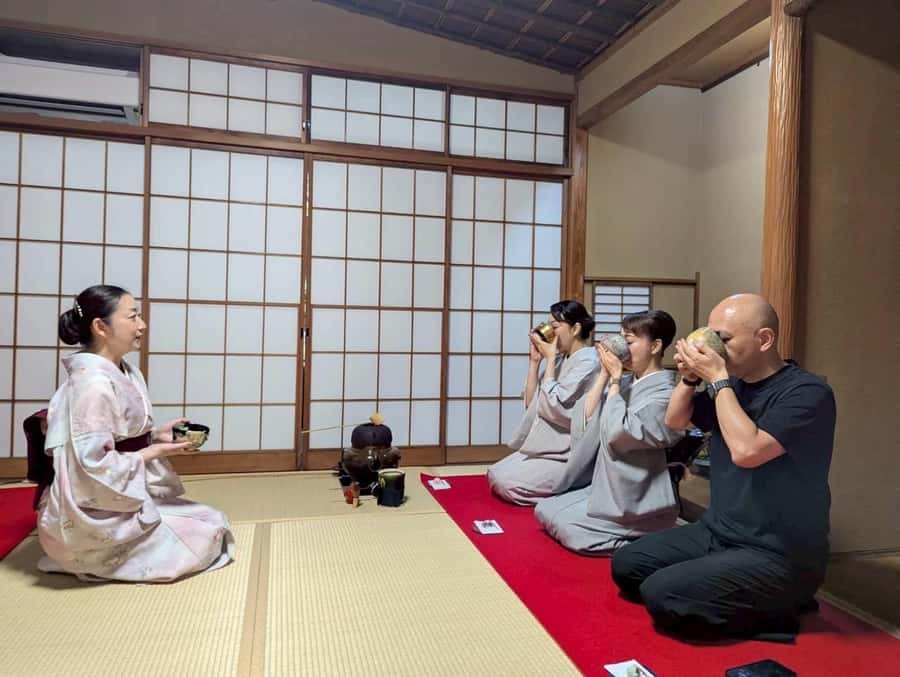
Shibuya is loud, fast, and full of motion. That is what makes this tea ceremony such a good contrast. You step into a traditional space where the focus narrows to one bowl, one moment, and the small movements of making matcha correctly. Even if your day in Tokyo is packed with stations, screens, and street crossings, this gives you a calmer rhythm.
I also like the structure. The class is built around seeing the ceremony first, then copying it with help. That matters because tea ceremonies can feel intimidating when you only read about them. Here, you get a guided explanation, you watch the tools and etiquette in action, and then you get time to make your own bowl before tasting.
The experience also feels accessible because you are not left guessing. Your instructors speak English, and the teaching is designed for visitors. You are still doing something authentically Japanese, but the class does not act like you must already know the rules.
You can also read our reviews of more tours and experiences in Tokyo.



Finding the class near Dogenzaka, and what to expect on arrival
The meeting point is on the 2nd floor of the Manji Building in Dogenzaka:
1-15-9 Dogenzaka, Shibuya-ku, Tokyo 150-0043, Japan (2F)
From the address, you can expect this to be in the Shibuya area rather than a remote countryside tea house. That is helpful for planning, since you can pair it with other Shibuya plans before or after.
When you arrive, you start with a warm welcome in a traditional Japanese room. This is not just a quick check-in, it is the beginning of the tone setting. The instructor explains the meaning and history of the tea ceremony, giving you a framework for what you are about to do.
One practical thing to keep in mind: you are entering a tatami setting. If you are sensitive to sitting on the floor for a while, just plan for that. It is not described as uncomfortable in the info you have, but tatami rooms naturally mean you are using floor space.
Also, the age rule is clear. If you are traveling with a child under 4, they cannot participate. And even if an adult has a ticket, every child aged 4 and up needs their own ticket, or entry may be refused. Plan accordingly, because this is not a “spectator only” situation for toddlers.
Meeting your tea instructors in kimono, and why the English matters
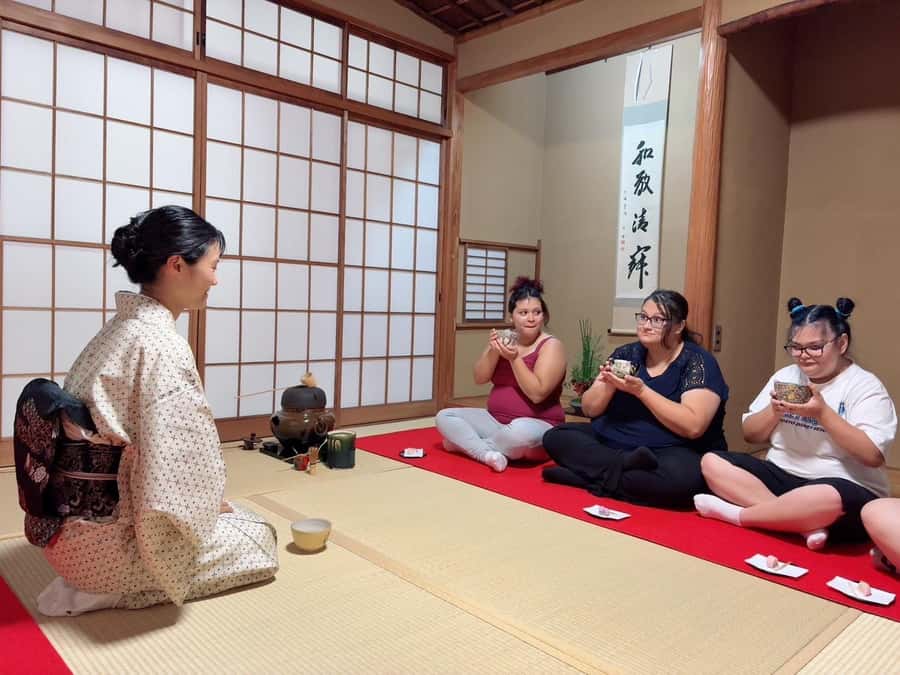
This tea ceremony is led by experienced Japanese instructors who wear kimono and speak English fluently. The class promises instructors with over 10 years of tea ceremony experience, and that experience shows in how the lesson is paced. You are not just learning a recipe, you are learning the why behind the steps.
In particular, names come up in the experience. Sakura sensei is specifically mentioned as a host who explains the history and guides the class, and Kini is also named as part of the hosting team. When the same instructor keeps showing up, it usually means the lesson style is consistent and the teaching is tuned for visitors.
I like that you get both explanation and demonstration. Some classes skip the context and jump straight into hands-on making. Here, you get the meaning and history first, then you see a live example, then you make your own bowl. That sequence helps your brain connect the etiquette you are learning with the actions you are performing.
Otemae demonstration: tools, manners, and what you are actually watching
The heart of the tea ceremony is the Otemae demonstration, and that is exactly what this class includes. You watch your instructor use the tea tools step-by-step while also learning basic manners and tea serving etiquette.
Do not think of the demonstration as a fancy performance with no practical takeaway. The point is to show you what each movement is for. When you later make matcha yourself, you will remember the rhythm of the tools and the order of actions because you have seen it once already.
The class info also emphasizes traditional manners and etiquette. That matters for two reasons. First, it helps you understand what is respectful behavior in this setting. Second, it makes the experience feel more intentional than a casual drink-making workshop.
And because the instructors speak English, you should not have to piece together what is happening just by watching. You get explanations as the demonstration unfolds, including how the tools are used and what visitors should do during the serving process.
Hands-on matcha making: what you do, not just what you see
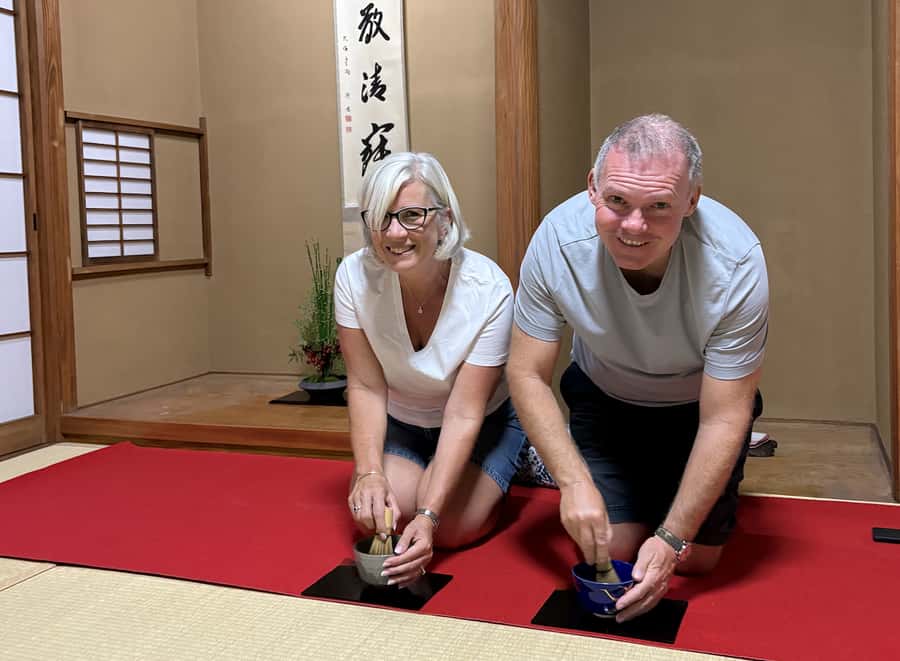
After the demonstration, you move into the part most people care about: hands-on matcha making. You use traditional utensils to prepare your own bowl of matcha using freshly ground powder.
This is one of the best value parts of the class. Your time is not spent only observing. You grind, you whisk, and you learn how the process changes the taste and feel of the tea. Even if you have had matcha drinks before, making it properly at the bowl level is a different experience than ordering matcha at a café.
The class includes what you need:
- matcha (powdered green tea)
- traditional tools and guidance for making the bowl
- tasting time afterward
Then comes the tasting moment. You drink the matcha you made, in the calm and authentic setting of the room. This is where the lesson turns into a real memory. The flavor is not presented as a mystery. It is framed as something you can understand once you have done the steps.
A small but important consideration: matcha is a distinctive flavor. If you are used to sweetened matcha drinks, the unsweetened tea in a ceremony may taste more intense. The good news is that you also get seasonal sweets designed to go with it, so you get balance.



Seasonal sweets and the first pairing that makes sense
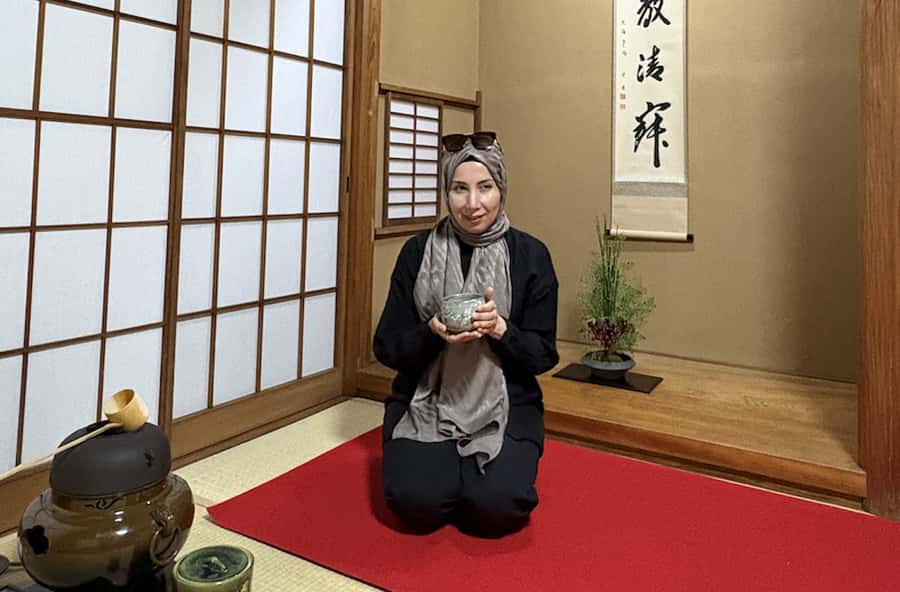
Tea ceremonies in Japan almost always treat sweets as part of the overall experience, not as an afterthought. In this class, you receive confections that are described as seasonal and well matched with matcha.
This pairing matters because it trains your palate. You taste the matcha, and then you experience how the sweetness and texture of a confection can complement the tea’s bitterness and grassy character. Even if you are not a huge tea person, this helps you connect the ceremony to an everyday sense of flavor.
The class framing is simple and practical: make matcha, then enjoy drinking it along with the seasonal sweet. No complicated rules, no need to guess which sweet goes with which tea. The idea is that the instructor helps create a tasting flow you can enjoy right away.
In reviews, people specifically call out that the tea and sweets are delicious and that the learning is paired with enjoyable tasting. That combination is exactly what you want when you are paying for a cultural experience. You leave with knowledge, but you also leave satisfied.
What you are paying for, and whether it’s good value
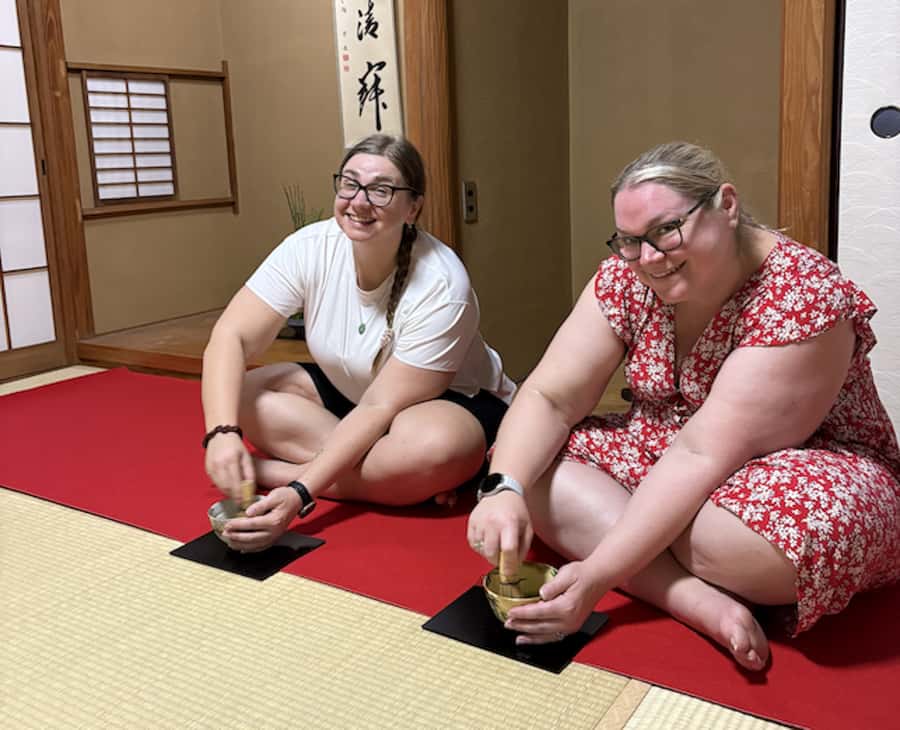
The price is listed as $18 per person. On paper, that seems modest, but the value comes from what is included.
You are not only paying for a guided lecture. You get:
- the entrance fee
- matcha (powdered green tea)
- confections
- instruction from Japanese instructors with long tea ceremony experience
- a demonstration plus hands-on matcha making
- time to taste your own bowl
That bundle is important. If you tried to replicate a tea ceremony at home, you would eventually spend money on matcha and utensils, and you would still miss the etiquette teaching and tool coaching. This class gives you the full experience in one sitting, with the instructor correcting and guiding you as you go.
It also helps that the class is set in a traditional tatami room and includes etiquette basics. That is where cultural value often lives. It is not just about drinking tea, it is about how you serve, how you move, and what the ritual communicates.
If you are the type who likes hands-on cultural activities, this is a very efficient way to spend a couple of hours. You get the visuals of Otemae, you get the muscle memory of whisking matcha, and you get a real tasting payoff.
Who should book Shibuya Tea Ceremony Tokyo-Chaan
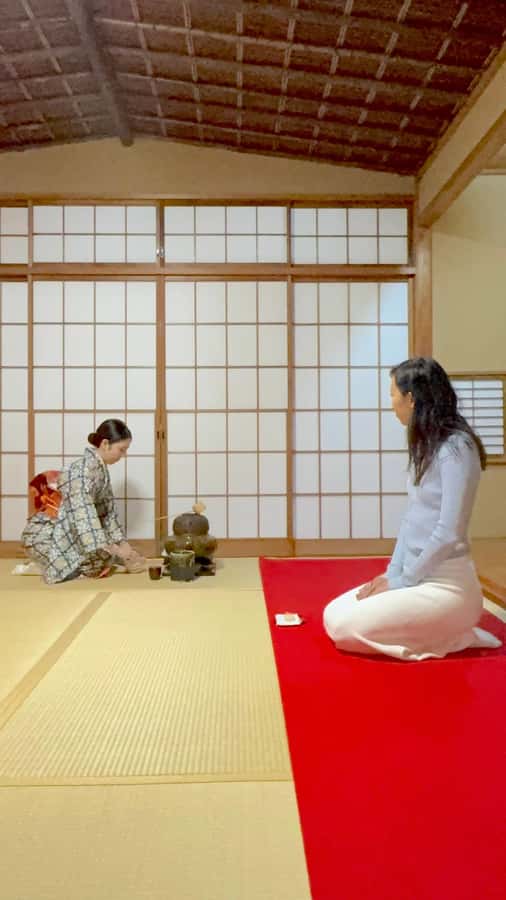
This tea ceremony is a strong fit if you want a beginner-friendly introduction to Japanese culture with actual instruction, not just a photo stop. The English language and clear guidance make it practical for first-time visitors.
It is also a good option if you want something calmer in Tokyo that still feels authentic. The tatami room setting and the teacher-led pace make it ideal for couples, solo travelers, and anyone who appreciates quiet cultural experiences.
It may be less ideal for people traveling with young kids who want everyone involved. Since children under 4 cannot participate, you will need to plan a separate activity for a toddler. For kids 4 and older, each child needs a ticket, so do the counting early.
Should you book this tea ceremony in Shibuya?
If you like cultural experiences that are structured, taught in plain English, and end with you tasting what you made, I would book it. The combination of Otemae demonstration plus hands-on matcha making, guided by instructors like Sakura sensei and Kini, is the reason this works well for visitors. It is not a lecture, and it is not just a drink. It is a guided ritual you can actually perform.
Book it especially if you are spending time in Shibuya anyway. The location keeps it easy to weave into your day, and the quiet tatami room provides a nice contrast to the street energy outside.
FAQ
Where is the meeting point for Shibuya Tea Ceremony Tokyo-Chaan?
The start location is 2nd Floor, Manji Building, 1-15-9 Dogenzaka, Shibuya-ku, Tokyo 150-0043, Japan (〒150-0043 東京都渋谷区道玄坂1-15-9 万字ビル 2F).
How much does the tea ceremony cost?
The price is $18 per person.
What language is the class taught in?
The experience is offered in English.
What is included in the price?
The included items are the entrance fee, matcha (powdered green tea), and confections.
Do I make matcha myself during the class?
Yes. After watching the demonstration, you make your own bowl of matcha using traditional utensils, then taste it.
Are seasonal sweets included?
Yes. You taste seasonal Japanese sweets that pair with your matcha.
Is this experience suitable for young children?
Children under 4 years old cannot participate. Also, even if an adult has a ticket, each child aged 4 and above must have their own ticket.
Can I change my plans, and what is the cancellation policy?
You can cancel up to 24 hours in advance for a full refund.
If you want, tell me your travel dates and whether you are coming with kids, and I’ll help you figure out the best way to slot this into a Shibuya day.
More Tour Reviews in Tokyo
Not for you? Here's more nearby things to do in Tokyo we have reviewed












Shibuya Tours, side by side.
 ★ 5.0Official Street Go-Kart in ShibuyaFrom $763,435 reviews
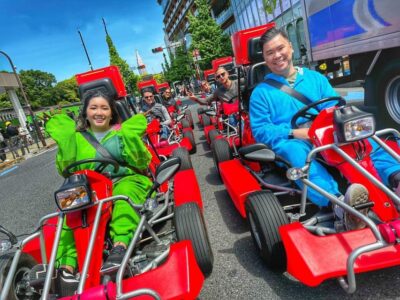 ★ 4.9Street Kart Experience in ShibuyaFrom $741,484 reviews
 ★ 5.0Shibuya Meltdown Nightlife Tour: All-You-Can-Drink Bar HoppingFrom $1061,058 reviews
 ★ 5.0Shibuya Official Street Go-Kart in Shibuya AnnexFrom $69972 reviews
 ★ 5.0Shibuya Food Tour (13 dishes and 4 Eateries)From $77770 reviews
 ★ 5.0Best of Shibuya Food TourFrom $217612 reviews
 ★ 4.8Shibuya Highlights Walking TourFrom $19601 reviews
 ★ 4.7Premium Go-Kart Tour with Tower & Shibuya CrossingFrom $116528 reviews
This tour also belongs to