
Review · 2-HOUR EXPERIENCES
2 Hour Onsen Calligraphy Experience
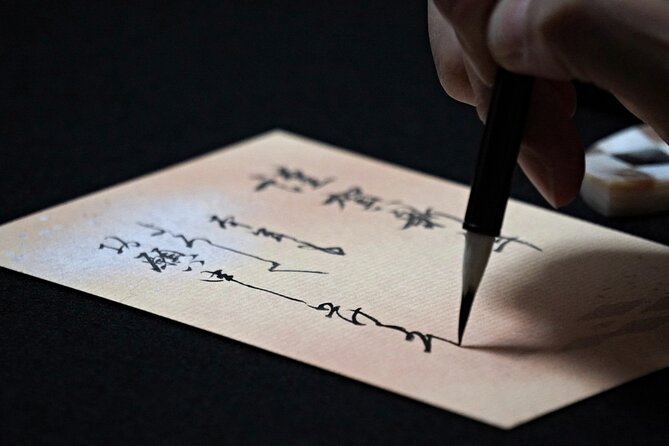
Your brushwork begins with real onsen water. This 2-hour Hakone onsen calligraphy experience happens in a quiet, historic ryokan setting, and you’ll create one-of-a-kind brush art you can take home.
I especially like that your ink is prepared with actual hot spring water, not just a gimmick. The teacher handles the basics patiently, and the whole session feels calm, focused, and very Hakone.
One thing to consider: $60 is for the experience itself, and transportation to and from the meeting point is not included, so you’ll want a simple plan to get to 655 Yumoto.
Key things I’d mark on your Hakone map
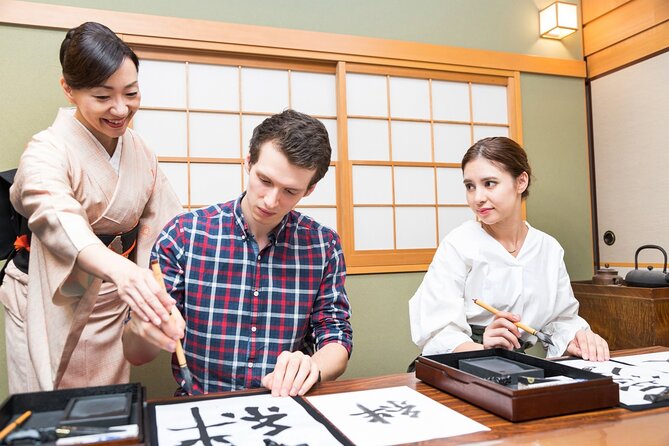
- Onsen-water sumi ink: you grind and mix with real hot spring water for a softer, gentler feel.
- Small group size (max 8): it stays relaxed, with enough attention for first-timers.
- Paper or a uchiwa fan: choose the format you’ll actually want on your wall or in a drawer.
- Tea served during class: it breaks up the session and keeps the mood slow and steady.
- Take-home bag included: no extra packing panic right before dinner.
Why Hakone Onsen Calligraphy Feels Different Than Regular Brushwork
Most calligraphy classes teach style and technique. This one adds a Hakone-specific ingredient, literally. You prepare your ink using real onsen water, so the writing feels tied to place, not just process.
That matters more than it sounds. When you make sumi with onsen water, the ink behaves a bit differently on the paper, and people often notice a subtle scent and a gentler flow. The result is that your brush strokes can feel less stiff than they do in a typical classroom-style workshop.
And because it’s in a hot spring ryokan atmosphere, the session isn’t rushed, either. The room is quiet enough that you can hear water sounds outside, and that kind of calm does wonders for concentration. Even if you’ve drawn with a brush before, writing characters can feel new. Here, the teacher guides you through holding the brush slowly, so you can focus on the shape and rhythm instead of fighting the tools.
More Tokyo tours and experiences for the shortlist

Inside the Historic Ryokan Setting: Calm, Tea, and a Small Group
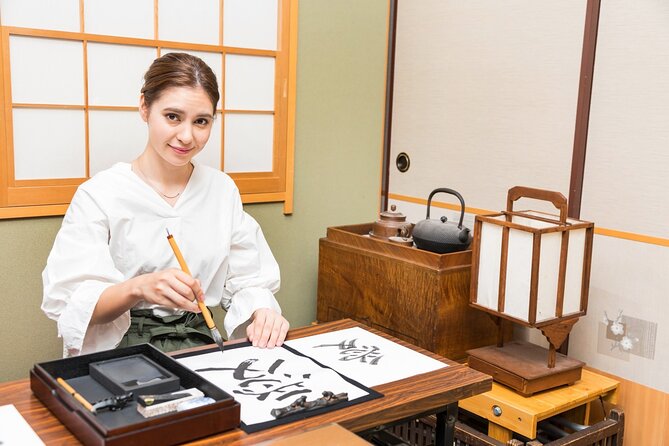
The workshop takes place indoors at an onsen ryokan, and the venue fee for that indoor space is included. Translation: you’re not doing this in a storefront workshop. You’re doing it where Hakone’s hot spring culture actually lives.
The group stays small, with a maximum of 8 travelers. That size is important. It means you’re not competing for attention, and you can get quick help if your first character looks more like abstract art than readable script.
You’ll also get complimentary Japanese tea during the experience. Tea sounds small, but it’s part of what makes the class feel Japanese in tone, not just Japanese in topic. You get a breather while ink settles and your hand relaxes. That pause can help you get your second stroke cleaner, too.
The 2-Hour Flow, From Onsen Ink to Your Take-Home Piece
This is a 2-hour experience, and it runs like a guided sequence rather than a free-form craft. Here’s the rhythm you can expect, and why each step is worth paying attention to.
1) A quick introduction to Hakone hot springs
The session starts with an introduction to the history and cultural significance of Hakone’s hot springs. This isn’t random trivia. It’s meant to give you context for why your ink step matters and why calligraphy is treated like a calm practice instead of a quick souvenir.
Even if you’re not a history buff, this part helps your brain shift gears. You’re not just making something pretty. You’re participating in a tradition that belongs to Hakone.
2) Preparing ink with onsen water
Next comes the signature step: ink preparation using onsen water. You use the onsen water to prepare the ink, and then you’re ready to write.
This is one of the most praised parts of the experience because it changes the feel of the class from start to finish. People describe it as special, and it gives the whole workshop a Hakone “signature smell and softness” that’s hard to recreate elsewhere.

3) Learning the brush basics from the teacher
Then you get instruction on how to handle the brush and how to slow down. One detail that shows up clearly in participants’ feedback is that the teacher teaches you to hold the brush slowly, so even first-timers can concentrate without feeling embarrassed.
That’s the difference between a good workshop and a stressful one. If you’ve ever taken a craft class where the teacher talks fast and you’re stuck, you’ll appreciate the approach here: calm directions and enough time to try again.
4) Writing your piece on traditional paper or a uchiwa
After the basics, you write your piece. You’ll make your artwork on traditional Japanese paper or a uchiwa (Japanese hand fan), and that choice shapes both the look and the experience.
Most people feel the writing moment as the main event. It’s when the class stops being instruction and starts becoming personal. The slower pace helps you get closer to what you imagined in your head.
5) Finishing up with tea and taking your work home
The session includes Japanese tea, and when your piece is done, you’ll place it into a take-home bag. You leave with a finished memento, not a project you have to return for later.
In other words, it’s built for travel days. Two hours fits neatly between sightseeing blocks, and you’re not stuck carrying wet materials for the rest of the afternoon.
Choosing Paper or an Uchiwa Fan (and What That Changes)
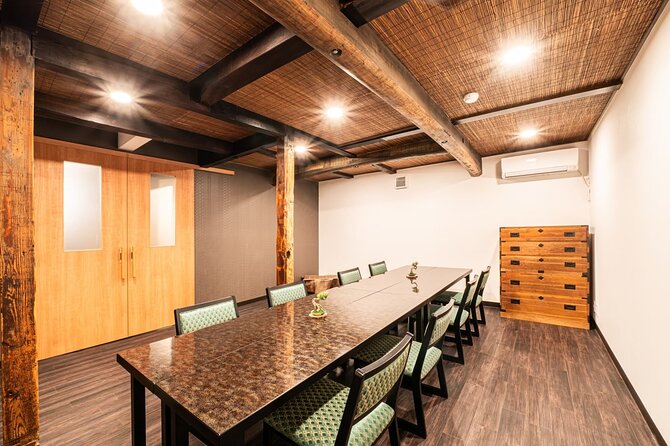
You have a real choice here: traditional Japanese paper or a uchiwa (the round hand fan).
If you choose traditional paper, you get something that’s easiest to frame or keep flat. It’s also the closest to what people picture when they think of calligraphy on scroll-style sheets.
If you choose an uchiwa, you’re making something more functional and travel-friendly. It’s also visually distinctive when you look at it later. The fan shape changes how your character composition feels, and that can be a fun challenge if you like creative constraints.
Either option is guided, so you’re not left guessing how to translate calligraphy into a different format. You also get a take-home bag either way, which saves you from that end-of-class scramble.
Materials, Teaching Style, and What You’ll Actually Learn
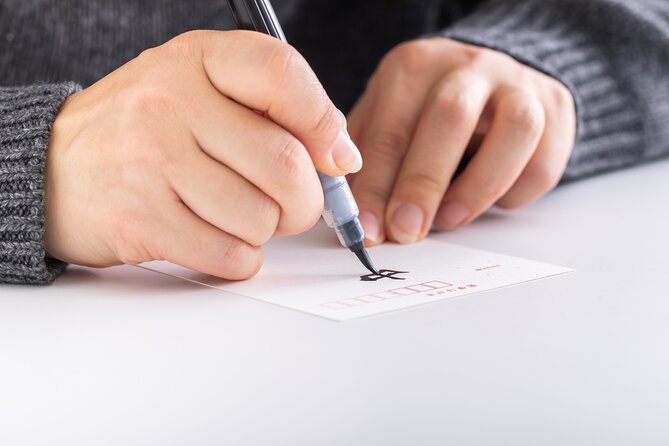
This experience includes all the key materials, so you’re not hunting for supplies later. You’ll have what you need for brushwork, plus the onsen water step and traditional format options.
The instruction style is what makes it work for beginners. From the feedback, the consistent theme is that the teacher doesn’t just show you one stroke and send you off. You learn how to hold the brush slowly, and you can concentrate on the movement and form.
You also get cultural context around Hakone’s hot spring traditions. That matters because it nudges you to treat calligraphy like a mindful act, not just a decoration-making activity. People describe forgetting their usual busyness while writing, and that’s exactly what you should hope for when you book a ryokan-based class.
One small practical note: calligraphy can feel tense at first, even if you’re creative. That’s normal. The teacher’s job is to help you keep going until the brush stops feeling like a foreign object and starts feeling like a tool.
Price in Context: Is $60 Worth It in Hakone?
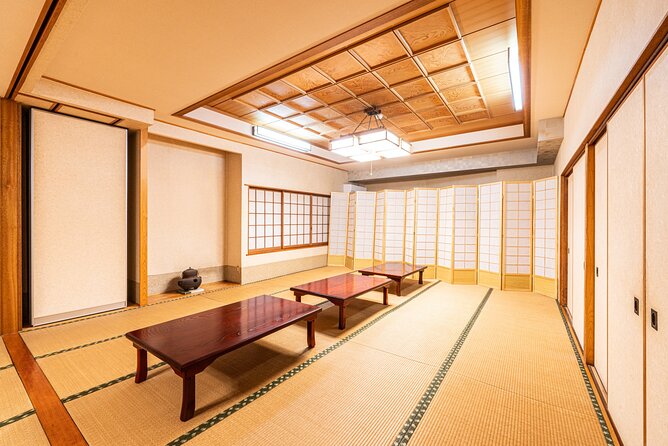
At $60 per person, this isn’t the cheapest activity in the area. But it also isn’t in the same category as a quick craft you can do anywhere.
Here’s what you’re paying for, and why it adds up:
- Onsen water used for ink: that’s a specific Hakone element, and it changes the experience.
- All materials included: no surprise add-ons for paper, brush, or ink setup.
- Experienced calligraphy teacher: the guidance is central, especially for first-timers.
- Ryokan indoor venue fee included: you’re not using a random community room.
- Tea included: small, but it supports the relaxed pacing.
- Take-home bag included: you leave with a finished piece, ready to pack.
Then consider the structure. It’s 2 hours, capped at 8 participants, and you can book it with a mobile ticket. When an experience is well-paced like this, you spend your time making something meaningful instead of waiting around.
So, if you’re in Hakone for a few days and you want one hands-on, culturally rooted activity, $60 can feel fair. If you’re on a tight budget, treat it like a priority splurge, not a throwaway add-on.
Practical Tips for 655 Yumoto Before You Write a Single Stroke
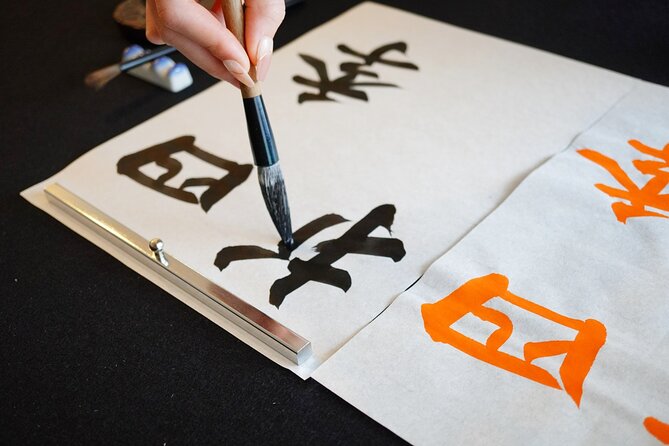
A smooth start makes the class feel even more relaxing.
Plan your arrival
Transportation is not included, so you’ll want to get yourself to the meeting point at 655 Yumoto, Hakone, Ashigarashimo District, Kanagawa 250-0311, Japan. The listing notes it’s near public transportation, which helps, but you still need your own plan.
Wear travel-smart clothes
You’re working with ink and brushwork. Wear something comfortable that you don’t mind getting a little splattered risk. The session is calm, but ink is ink.
Bring the right mindset
Go in expecting it to feel different from drawing. People often say it’s fun, and also a bit tense at first. That’s because characters have structure. Once you slow down and follow the teacher’s guidance, it tends to click quickly.
Think about what you’ll do with your piece
If you want something displayable, choose paper. If you want something interactive and easy to bring along, choose the uchiwa. Either way, you’ll take it home in the included bag, but choosing based on your storage and wall plans saves stress later.
Extras that are nice, not mandatory
Gratuities are optional. If you feel the teacher earned it, you can tip. If you’re unsure, you can skip it. Either way, the experience itself is priced as a complete workshop with materials and instruction included.
Should You Book the Onsen Calligraphy Experience at Onsen Experience Lab – Yuno-iro?
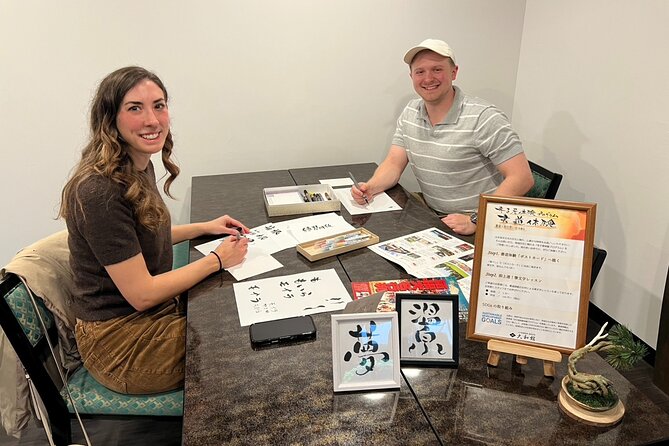
If you want one Hakone activity that feels calm, hands-on, and genuinely local, I’d say this is a strong pick.
Book it if:
- You like cultural workshops that are more than a souvenir factory.
- You’re curious about onsen water used for ink, not just normal ink.
- You want a small group class with patient guidance.
- You want a finished take-home item in 2 hours.
Skip it if:
- You need a big, active day with lots of movement. This is slow and focused by design.
- You’re not willing to handle local transport to 655 Yumoto on your own.
- You already have plenty of crafts and just want pure sightseeing time.
My final take: this is the kind of experience that makes Hakone feel personal. You leave holding your own brushwork, and the ryokan quiet helps you remember it as more than a photo moment.
FAQ
How long is the 2 Hour Onsen Calligraphy Experience?
It lasts about 2 hours.
What does the onsen calligraphy workshop cost?
The price is $60.00 per person.
What’s included in the price?
You get all calligraphy materials, onsen water for ink preparation, one uchiwa (Japanese round paper fan) for artwork, a take-home bag, instruction by an experienced calligraphy teacher, cultural explanation of Hakone’s hot spring traditions, complimentary Japanese tea, and the venue fee for the indoor space at the onsen ryokan.
Is transportation included to the meeting point?
No. Transportation to and from the meeting point is not included.
Where does the experience meet, and does it end there?
The start location is 655 Yumoto, Hakone, Ashigarashimo District, Kanagawa 250-0311, Japan, and it ends back at the meeting point.
How many people are in the group?
The experience has a maximum of 8 travelers.
What’s the cancellation policy?
Cancellation is free if you cancel up to 24 hours in advance for a full refund. If you cancel less than 24 hours before the experience, the amount you paid is not refunded.
Will I receive confirmation after booking?
Yes. Confirmation will be received at the time of booking, and you’ll use a mobile ticket.
More Spa & Hot Springs in Hakone
More Tour Reviews in Hakone


Not for you? Here's more nearby things to do in Hakone we have reviewed


2-Hour Experiences, side by side.
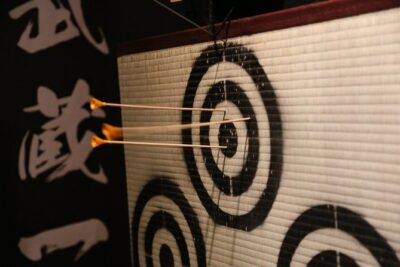 ★ 5.0Ninja Samurai 2-hour hands-on lesson by Japanese master in TokyoFrom $86194 reviews
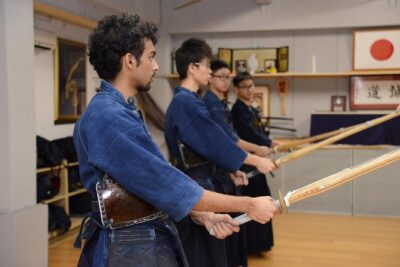 ★ 5.0Tokyo 2-Hour Genuine Samurai Experience: Kendo in JapanFrom $118112 reviews
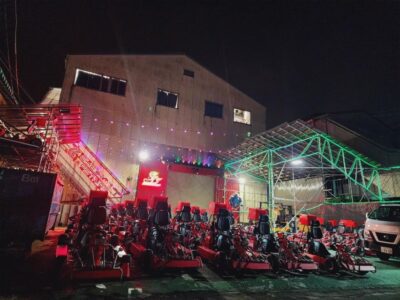 ★ 4.9Flagship 2-Hour Street Go-Kart Tour by Street KartFrom $6494 reviews
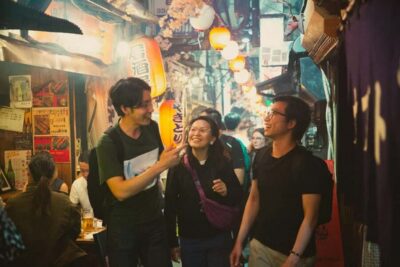 ★ 4.9Shinjuku Izakaya and Golden Gai Bar Hopping Tour (2h)From $9667 reviews
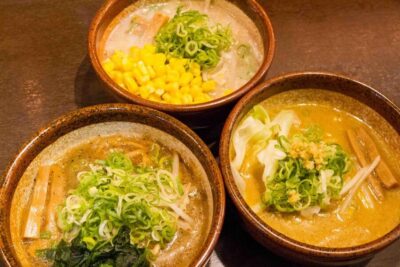 ★ 4.82-Hour Vegan and Vegetarian Ramen Guided Walking TourFrom $9633 reviews
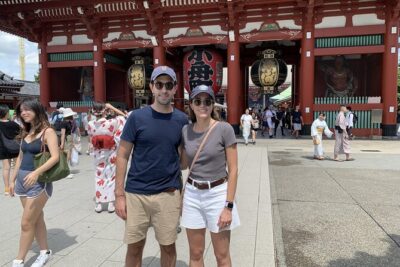 ★ 5.0Asakusa: 2-hour history explorationFrom $6432 reviews
 ★ 4.92-Hour Night Bike Tour of the City’s Hidden GemsFrom $7325 reviews
 ★ 5.02 Hours Mochi &Nerikiri Making & Matcha Class in BunkyoFrom $7821 reviews
This tour also belongs to