
Review · HAKONE DAY TRIPS
Hakone 6 hour Private Tour with Government-Licensed Guide
Hakone looks simple on a map, then the weather laughs at you. This private 6-hour walking tour lets you choose 3 to 4 stops, so your guide shapes the day around your interests and Hakone’s moving conditions.
I really like two things: the personalized stop picking, and how the guide keeps the day flowing even when ropeways, winds, or timing get messy. One thing to consider is that it is still a walking tour with extra admission costs at several stops, so comfort and budgeting matter.
What you’ll notice fast
- Your guide sets the pace, not a rigid bus schedule. You pick 3 to 4 places, usually from the classic Lake Ashi to Owakudani geothermal zone to nearby art museums.
- Mt Fuji is treated like a possibility, not a guarantee. On clear mornings, you may time views well, and on cloudy days your guide pivots.
- Expect smart routing around crowds. Reviews repeatedly mention shortcuts and avoiding slowdowns, plus practical navigation through stations and transfers.
- Geothermal drama and art in the same day. Hakone does both, and this tour mixes them without feeling like you’re sprinting.
- Guide quality can make or break it. Most guides are praised for organization and clear explanations, but you should still confirm interests and meeting time up front.
- Some of the best moments are operational. Ropeway and boat closures from strong winds happen, so your plan needs flexibility.
How a 6-hour private Hakone day actually feels
Hakone is one of those places where half the fun is logistics. The train stations connect well, but crowds, weather, and schedules can pile up fast. This tour solves that by putting a licensed local English guide in charge for roughly 6 hours. You still walk, but you are not trying to stitch together the day with Google Maps in the middle of peak season.
You also get a real choice. You can start on multiple morning time slots, then select 3 to 4 stops from a menu of sights. That means you are not forced into the same photo stops as everyone else. If you want nature, you can build toward Lake Ashi and Owakudani. If you love museums, you can cluster art stops around Gora and the surrounding areas.
The vibe is practical, not showy. Guides in this program are repeatedly praised for pacing and for making the day feel efficient without turning it into a speed-run.
The tradeoff is simple: it is a walking tour. Your legs will do work. Also, several stops require paid admission, including the Ropeway and the Owakudani experiences listed here. So you are budgeting for activities on top of the tour fee.
You can also read our reviews of more guided tours in Hakone


Choosing your 3 to 4 stops: icons, museums, and volcano time
The tour is designed around a short list of options, and you select only 3 to 4. That is a big deal in Hakone, because spacing matters. With too many stops, you end up rushing and losing time to transfers.
Here are the core options you might build from, and what each one gives you.
Lake Ashinoko: your easiest win for scenery
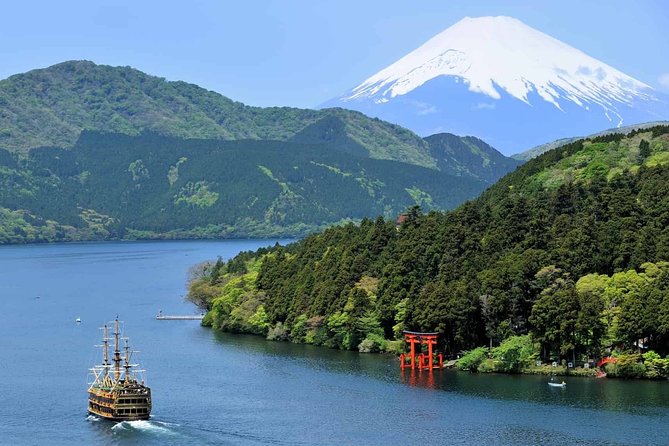
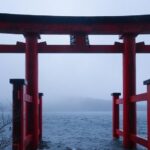
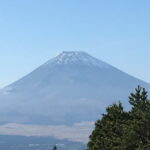
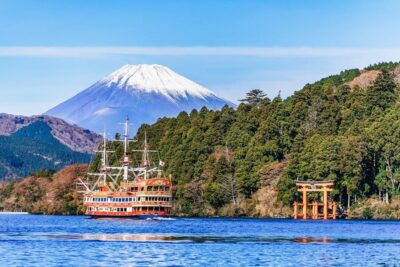
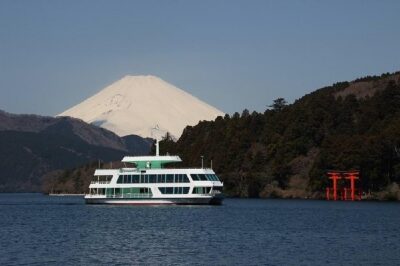
Lake Ashinoko is formed in the caldera of Mount Hakone and is one of Hakone’s signature views, with Mt Fuji in the background on clear days. This stop is listed at about 30 minutes, and it has free admission.
What it’s best for:
- That postcard feel, especially when the sky cooperates.
- A calm opening before you move into the ropeways and geothermal area.
- Resetting your brain after trains and stations.
A drawback:
- Fuji is weather-dependent. Even great timing does not force clear skies.
Hakone Shrine: old worship, peaceful timing
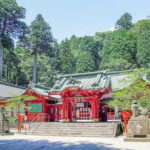
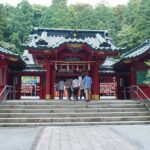
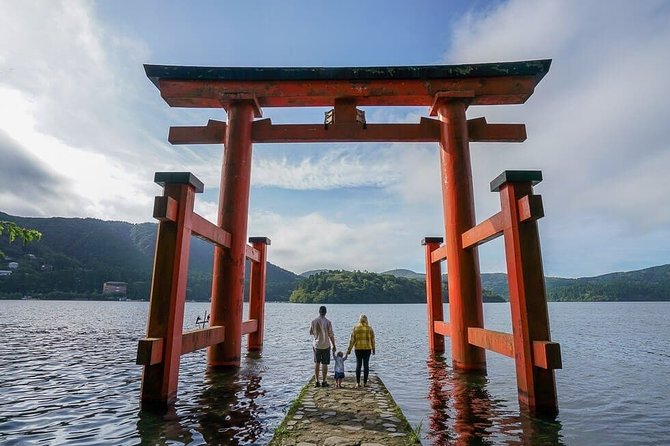
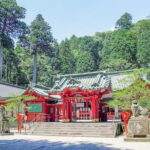
Hakone-jinja Shrine is described as having a history stretching more than 12 centuries, with buildings rebuilt after fire. The stop is about 20 minutes and also listed as free.
What it’s best for:
- A quiet pause in a busy area.
- A cultural stop that does not feel like a chore.
- Good legs-down time before ropeway rides.
A drawback:
- If you hate crowds, you will want your guide to place this stop at a calmer time slot.
Hakone Ropeway: the view machine
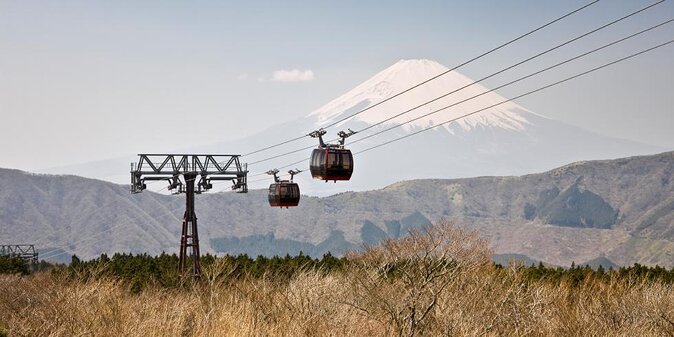
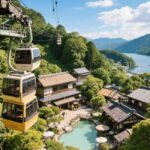
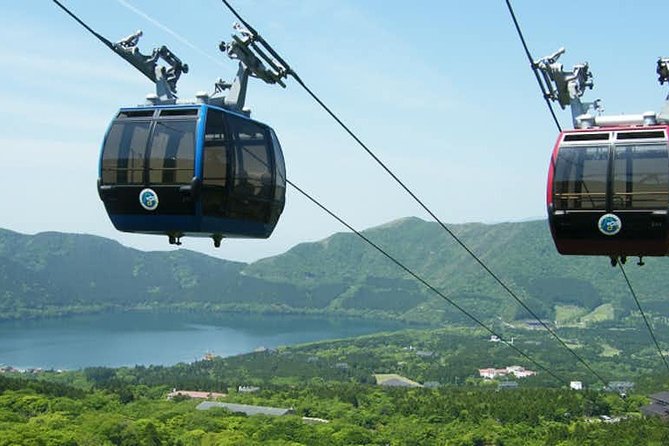
Hakone Ropeway connects Sounzan Station to Togendai Station as part of the Hakone Round Course. The stop here is 20 minutes. Ropeway admission is not included.
What it’s best for:
- Big, elevated views across Hakone’s volcanic terrain.
- A natural bridge between the lake area and Owakudani.
A drawback:
- Operations can close in bad conditions. Several guides handled this by switching plans and using alternatives fast.
You can also read our reviews of more private tours in Hakone
Hakone Open-Air Museum: art placed in nature
The Hakone Open-Air Museum is described as Japan’s first open-air art museum, built to harmonize nature and art. This stop is about 20 minutes, and admission is not included.
What it’s best for:
- A break from temples and steam vents.
- Sculpture and installations across a large site, so you get more “wandering” time than you might expect in a short tour.
A drawback:
- You have limited time here because the tour only picks a few stops. If you are an art deep-dive person, you might feel you are sampling.
Owaku-dani Valley (and the black eggs idea)
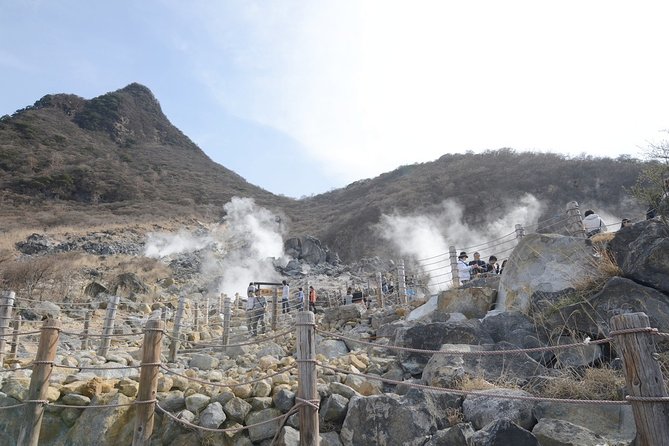
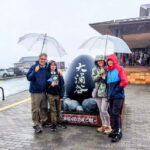
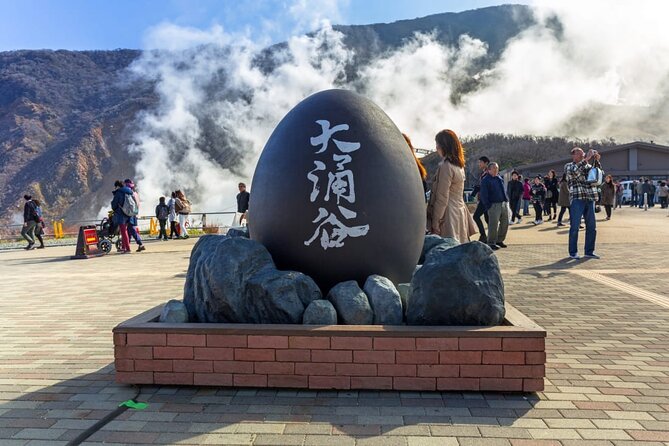
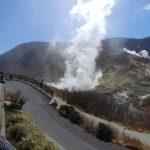
Owaku-dani Valley is an active volcanic area that powers local hot springs. The itinerary includes access by ropeway to an observatory, with the classic mention of black boiled eggs.
This tour option includes Owaku-dani Nature Research Trail as a specific walk option later in the list, which requires advance reservation and has an 800 yen entrance fee.
What it’s best for:
- The “this is a real volcano” feeling.
- Close-up geothermal activity.
- A dramatic change of scenery from lakes and shrines.
A drawback:
- Wind can shut down ropeway and related rides. Your guide’s job becomes choosing a new route without breaking your schedule.
POLA Museum of Art: a museum break in Hakone style
The POLA Museum of Art is a private collection museum opened in 2002. It is listed as 20 minutes, with admission not included.
What it’s best for:
- A controlled, indoor option when weather turns.
- Art in a calmer setting compared with outdoor geothermal areas.
A drawback:
- With only one museum slot in a 6-hour day, you may want to choose this only if museums matter to you.
Okada Museum of Art: from antiquity to modern
The Okada Museum of Art is another private museum, founded in 2013, spanning antiquity to modern eras. Listed for 20 minutes, admission not included.
What it’s best for:
- If you like a broad sweep rather than one narrow theme.
- A cultural anchor that balances the day’s “outside” time.
Sengokuhara and Choanji Temple: quiet Zen energy
Sengokuhara is described as a slope of pampas grass, especially beautiful in fall. The stop is 20 minutes.
Choanji Temple is listed as a Soto Zen temple established in 1356, in the Sengokuhara area. The stop is about 30 minutes and free.
What it’s best for:
- A slower, atmospheric part of the day.
- A chance to see Hakone beyond the main transport nodes.
A drawback:
- Seasonal beauty depends on the time of year. If pampas grass is your goal, your guide can help you decide if it’s worth prioritizing.
Gardens and parks: the in-between space
Hakone Shisseikaen, a wetlands botanical garden in the Fuji Hakone Izu National Park highlands, is listed as 10 minutes, with admission not included.
Gora Park is a western-style landscape park above Gora Station, listed for about 10 minutes, with admission not included.
What it’s best for:
- Short breathing space between bigger rides.
- Lighter walking if you want nature without a long hike.
A drawback:
- Because time is tight, these are best as supporting stops, not the only plan.
Glass, dollhouses, and nihonga: choose your flavor
Hakone Venetian Glass Museum (Hakone Glass no Mori) includes an Italian styled buildings museum and shops, plus a garden and canal-like pond. Listed for about 20 minutes, admission not included.
Dollhouse Museum Hakone is described as a collection of dollhouses worldwide, some over 200 years old, with changing exhibits year-round. Listed for 30 minutes, admission not included.
Narukawa Art Museum focuses on nihonga, Japanese-style painting. Listed for 30 minutes, admission not included.
Hakone Museum of Art (in Gora) is listed for 20 minutes, admission not included.
These can work well if you want variety. But if you only care about the volcano and Fuji views, you might skip these to avoid museum fatigue.
Enter Lake Ashinoko and Hakone Shrine: a smart opener
A lot of people start Hakone with photos. I like starting with something that sets the emotional tone first. Lake Ashinoko does that. It is free, it is scenic, and it can be the anchor for Mt Fuji timing. Even when Fuji is not visible, the caldera setting still feels special.
Hakone Shrine then gives you contrast. You go from open water to a place of worship and quiet atmosphere. Since it is short and free, it is an easy win when you are trying to fit 3 to 4 stops into 6 hours.
Practical tip: if you care about Fuji, ask your guide how they like to schedule your lake view. In the reviews, guides like Yumi are praised for getting Mt Fuji views early during the new year season. That is not a guarantee for your date, but it shows the guides think about timing.
Owakudani by ropeway: volcano power and plan B in real life
This is the part of Hakone that feels most like Hakone. Owaku-dani is geothermal and active. Even the ride logistics have drama, because this area is connected through ropeway infrastructure and weather can interrupt that.
If your ropeway runs:
- Expect a ride between stations that sets you up for the observatory area.
- You may get a chance to do the Owaku-dani Nature Research Trail style walk, if you choose that option, but remember it requires advance reservation and an 800 yen entrance fee.
If the ropeway does not run:
- Your guide is supposed to adapt fast. In multiple experiences here, guides adjusted when strong winds canceled ropeway and even boat options, then shifted to buses and alternative nearby spots like the Sengoku area.
The best advice I can give you is to pack for unpredictability. Bring layers, and assume wind could change the day. Then treat the volcano zone as flexible, not fixed.
Art museums in Gora and the Hakone Open-Air Museum
Hakone’s art scene is a good counterbalance to volcano steam and train rides. If you want the day to feel varied, the art museums give you a structured break. They also let you slow down when outdoors is harsh.
Hakone Open-Air Museum is the obvious centerpiece. It is designed as art across a large outdoor site, and it fits well into a 20-minute slot as a sampler if you are not trying to “see everything.” You get to enjoy the idea of art placed in the natural environment, then move on while you still have energy.
Around Gora, the museum options give you variety in art types:
- POLA Museum of Art for a private collection museum experience.
- Okada Museum of Art for antiquity through modern.
- Hakone Museum of Art, also in Gora.
- Narukawa Art Museum for nihonga painting.
- Dollhouse Museum Hakone for a quirky, family-friendly detour.
- Hakone Venetian Glass Museum if you want shops and a garden walk.
A drawback to museum-heavy days is simple: you only have 6 hours total, and time spent inside can feel “short” when you compare it to what you might do on your own. I suggest choosing just one main art stop and then using the rest for either quick cultural items or scenic viewpoints.
Temples, parks, pampas, and wetlands: Hakone beyond the main route
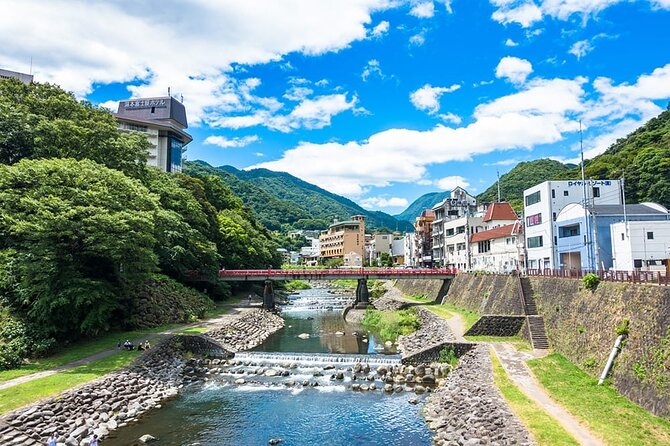
Not every moment needs a ticketed attraction. Some of the most relaxing pieces here are free or short.
Choanji Temple is the standout. It is Soto Zen, established in 1356, and it sits in a quiet area at the base of a hill. When you only have a half day, a 30-minute temple stop can feel like a full reset.
Sengokuhara offers pampas grass scenery, with strong seasonal appeal in fall. If your timing matches the season, it can be a beautiful pause. If not, your guide can still use it for a quick scenic break.
Hakone Shisseikaen is for people who enjoy plants and wetlands in cooler highland air. It is short here, so you will not see the whole garden in depth, but it can add variety.
Gora Park works as a “legs and eyes” stop. It is small enough to fit, and it sits above Gora Station, which makes it practical in a routed day.
Getting around on foot: why meeting location and pacing matter
This is not a private vehicle tour. It is a walking tour. The tour summary says pickup is offered, but pickup is on foot, meaning you meet the guide within a designated area and then move from there.
In practice, that means two things for you:
- You should plan comfortable shoes because Hakone involves stairs, slopes, and station hallways.
- You should expect your day to include public transport segments, plus some walking between key stops.
Some reviews mention that it can be fast-paced and involves crowded public transit at times. That is not a deal-breaker, but it is a consideration if you have limited mobility or a low tolerance for crowds.
Also, keep your expectations realistic about luggage. One review specifically mentioned that navigating luggage shipping, buses, and rides like boat and gondola can be tricky. If you are trying to do luggage transfer during the same day, be cautious. Let your guide know your plan, and give yourself margin.
Guide power: how Yumi, Hiro, Kumiko, Kate, and others shape your day
In a tour like this, the guide is the product.
The most praised pattern is organization with flexibility. People repeatedly highlight guides who:
- Explain history and culture at each stop clearly.
- Keep the schedule tight without making the group miserable.
- Handle weather disruptions with proactive alternate plans.
Examples from guide experiences include:
- Yumi, praised for deep explanations and friendliness, and for adapting when conditions changed.
- Hiro, praised for making a jam-packed day efficient and fun, plus using savvy shortcuts to get good seats and time.
- Kumiko, praised for meticulous planning during Sakura peak season, plus accommodation of last-minute requests.
- Kate (Kumiko Aoki in one note), praised for thorough planning and for practical comfort touches, like making the day work smoothly.
- Hide, praised for calm, efficient adjustment during bad weather and for helping guests avoid being stuck during closures.
There is one cautionary note in the experiences too. One person felt a guide had limited area familiarity and caused delays. That is rare, but it is a reminder: when you book, share your interests clearly in advance and be crystal clear about your priorities, like volcano, art, shrine culture, or Mt Fuji views. It gives the guide fewer degrees of freedom and reduces confusion.
Price and Logistics: what you pay for, and what you still cover
At $175.76 per person for a 6-hour private tour, you are paying for:
- A government-licensed English speaking guide.
- A private format, so only your group participates.
- The work of selecting 3 to 4 spots and timing them.
- Local recommendations and on-the-day problem solving.
What you do not pay for includes:
- Transportation fees and entrance fees (except some free sites).
- Lunch and personal expenses.
- A private vehicle.
- The Hakone Freepass is not included.
Some stops are free. Lake Ashinoko and Hakone Shrine are listed as free. Choanji Temple is also listed as free. But the paid stops are important in Hakone. Ropeway admission is not included, and major museum stops are not included. Owaku-dani Nature Research Trail is specifically noted as requiring an 800 yen entrance fee plus advance reservation.
So the value question is simple: if you want multiple paid elements like Ropeway and one museum, the tour fee plus admissions can feel like a full day of spending. If you keep to fewer paid attractions and you prioritize the guided routing and timing, you can make the value work better.
Weather reality in Hakone: plan for wind, not just rain
Hakone runs on ropeways, boats, and timed infrastructure. That makes weather a real factor, not background scenery.
From the experiences provided here, strong winds can stop:
- Ropeway operations.
- Boat rides connected to the lake route.
When that happens, the guide’s job becomes switching gears quickly, using buses or other alternatives and adding nearby sites like Sengokuhara areas or tea/lunch breaks, depending on what is open. That is exactly why a private guide is useful here. You are not stuck waiting with strangers and no answers.
Your job is to bring realistic clothing. Layers beat one fancy jacket. And if you care about any ride that is known for wind sensitivity, treat it as part of a flexible plan, not a guaranteed checklist item.
Should you book this private Hakone tour? My take
Book it if:
- You want Mt Fuji and Hakone icons but you also want the freedom to choose only 3 to 4 stops.
- You care about having someone handle timing, crowds, and station transfers.
- You like explanations. Many guides here are praised for clear cultural and historical context, not just pointing at views.
- You prefer a calmer rhythm than the big-group circuit.
Skip or reconsider if:
- You hate walking or you have limited stamina. Even with routing, it is still a walking-based tour.
- You want everything included with no extra ticketing. Several key elements are not included, and you should be ready to pay for them.
- You are the type who prefers to independently chase schedules without a guide’s structure. In that case, you might find self-guided easier, even if it is more stressful.
If you book, do one smart thing: before the day starts, tell the guide what matters most, like volcano action, shrine culture, museums, or a Mt Fuji-focused morning. Then wear comfortable shoes and treat the plan as adaptable. Hakone rewards that mindset.
FAQ
How many places will I visit in this tour?
You customize your day by choosing 3 to 4 places from the listed options.
How long is the tour?
The tour duration is about 6 hours.
Is this tour private?
Yes. It is a private tour/activity, and only your group participates.
Is a government-licensed English speaking guide included?
Yes. The tour includes a licensed local English speaking guide.
Is admission included for everything?
Not everything. Some stops listed here have free admission (for example, Lake Ashinoko, Hakone Shrine, and Choanji Temple), while others like the Ropeway and multiple museums are not included.
Do I get pickup?
Pickup is offered, but this is a walking tour. You will meet the guide on foot within a designated area in Hakone, near public transportation.
Does the tour include transportation like a private vehicle?
No. It is stated that a private vehicle is not included. Transportation fees are also listed as not included.
What if the Ropeway or other rides are closed due to weather?
The experiences shared indicate guides may adjust the plan proactively if ropeways or similar options are unavailable due to wind or weather.
Is the Hakone Freepass included?
No. The Hakone Freepass is not included.
Is there a cancellation refund if I cancel late?
Free cancellation is offered if you cancel up to 24 hours in advance for a full refund. If you cancel less than 24 hours before the start time, the amount paid is not refunded.
More Guided Tours in Hakone
More Tours in Hakone
More Tour Reviews in Hakone
Not for you? Here's more nearby things to do in Hakone we have reviewed

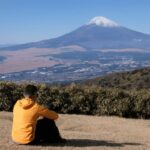
Hakone Day Trips, side by side.
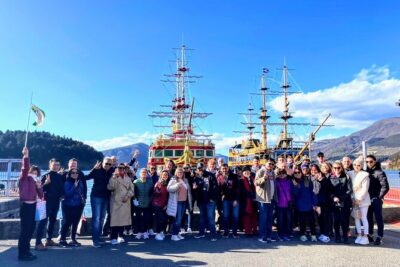 ★ 5.0Mt Fuji and Hakone 1-Day Bus Tour Return by Bullet TrainFrom $16326,383 reviews
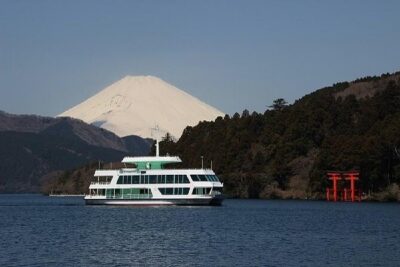 ★ 4.0Mt Fuji & Hakone Cruise, Drum Show Bullet Train 1 Day from TokyoFrom $1497,413 reviews
 ★ 4.4Tokyo Mt Fuji 5th St & Hakone Cruise Bus Tour w/Bullet TrainFrom $1545,024 reviews
 ★ 4.7Mt. Fuji Tour, Hakone Ropeway, Owakudani, Lake AshiFrom $544,002 reviews
 ★ 4.2Mt. Fuji 5th Station & Hakone Cruise 1-Day Bus TourFrom $1292,381 reviews
 ★ 5.0Private Tour to Mt. Fuji and Hakone (Fully Licenced Operator)From $4971,910 reviews
 ★ 4.0Mt Fuji & Hakone Cruise, Drum Show Bus 1 Day from TokyoFrom $1221,287 reviews
 ★ 4.2From Tokyo: Mt. Fuji & Hakone Tour w/ Return by Bullet TrainFrom $1171,278 reviews
This tour also belongs to