
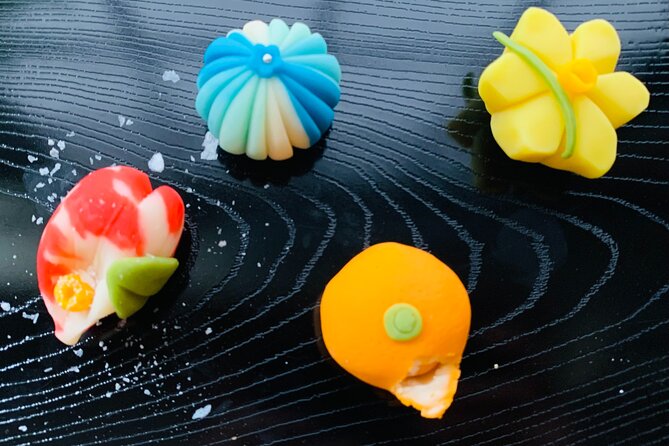
Review · WORKSHOPS
2 Hours Mochi &Nerikiri Making & Matcha Class in Bunkyo
Sweet, sculpted food starts fast. In central Tokyo, I loved this private mochi and nerikiri class in a Japanese home, guided by bilingual instructor Yuko with personalized instruction and matcha at the end.
I also love the hands-on design work, from shaping mochi to creating nerikiri patterns you can actually remember later. The recipes feel doable at home, even if you do not cook much Japanese food.
One consideration: because it is a short, private 2-hour session, you will focus on the sweets you choose, so choose your course based on what you want to master most.
Key Things You’ll Notice Right Away
- A private, one-table experience in a Japanese home instead of a busy studio setup
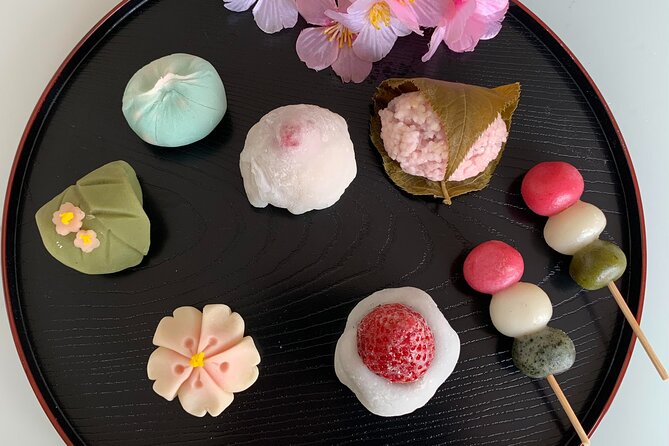
- Mochi, dango, and nerikiri options so you can tailor the class to your sweet cravings
- Wagashi Association of Japan-trained instruction with clear, step-by-step coaching
- Creative shaping and design time, not just watching and tasting
- Tea and matcha as part of the flow, tying the food to Japanese culture
A Home Kitchen in Bunkyo: What the 2-Hour Class Feels Like
The class takes place in a real home in Bunkyo, not a showroom. That difference matters. You get a calm, intimate pace where you can ask questions and actually follow along with your hands.
You start at 10:00 am and the activity runs about 2 hours, then you head back to the meeting point. The schedule is short enough to fit into a packed Tokyo day, but not so rushed that you feel like you are being processed.
From the get-go, Yuko sets a welcoming tone that feels like sitting down to learn with someone who genuinely cares about the craft. Several participants also mention the homely, traditional atmosphere, which makes the experience feel grounded, not staged.
More Tokyo tours and experiences for the shortlist



Entering the Wagashi Choices: Mochi, Dango, or Nerikiri
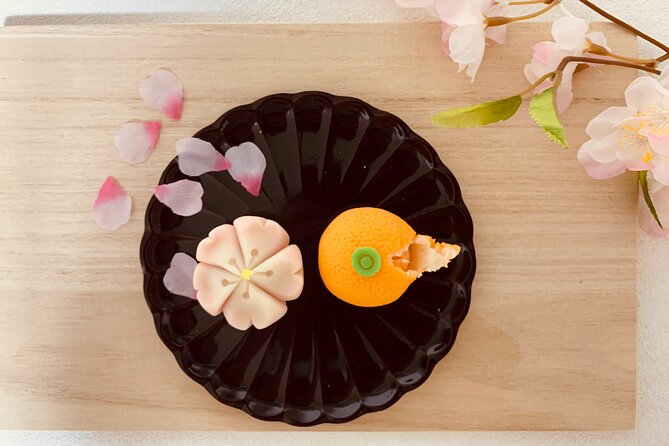
You have three main course styles to choose from, and this is where the class becomes personal.
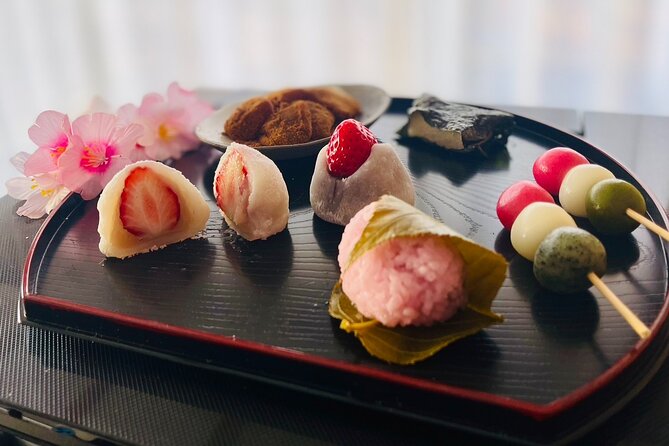
You can do a Mochi course, a Dango course, a Nerikiri course, or a combination option that mixes Mochi and Dango and Nerikiri. If you cannot decide, the combination path can be a smart way to sample more of what Japanese wagashi culture looks like without taking a whole day.
Each sweet type also connects to a different theme. Mochi is often tied to New Year and new beginnings, dango shows up for special events, and nerikiri is strongly linked to the tea ceremony world. Even if you do not know those terms yet, you will leave with context, so the sweets feel like more than just desserts.
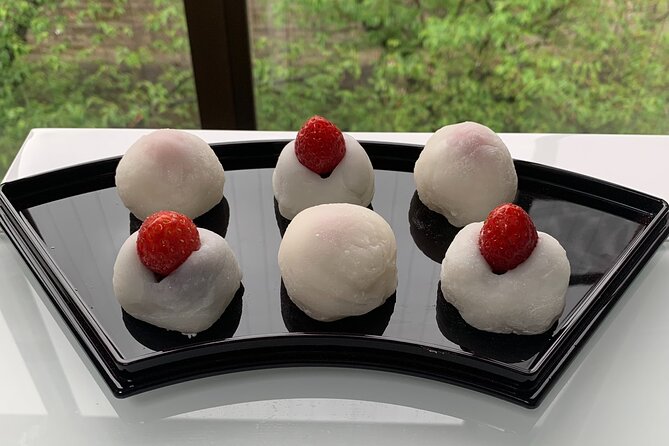
Practical tip: pick the course based on what you want to do with your hands. Mochi tends to emphasize making and shaping a chewy texture. Nerikiri usually leans more toward sculpting and refined design. Dango often feels a bit more straightforward, depending on the exact steps you are shown.
Meet Yuko: Bilingual, Trained Guidance That Makes It Click
This class is taught by Yuko, a native Japanese instructor who is bi-lingual and trained by the Wagashi Association of Japan. That training shows in how she explains techniques, not just ingredients.
What people consistently praise is her patience and her ability to break steps down so you can copy them. You do not need prior cooking experience. You also get personalized guidance based on what you are doing in the moment, which is especially helpful when shaping food gets tricky.
The atmosphere is also very “watch, then do.” You see each step, and then you repeat it. More than one participant described the process as mesmerizing to watch, then rewarding once it becomes your turn. If you like learning through repetition, you will feel right at home here.
Your Step-by-Step Workflow: From Tea Moment to Matcha Finish
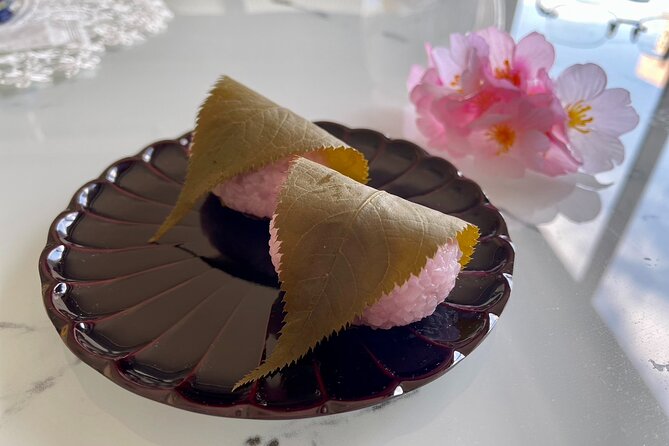
Even though the exact sweets depend on which course you pick, the rhythm of the class is easy to understand.
You begin with a tea moment, and in multiple accounts, participants note that matcha is part of the experience to wrap things up. That flow is more than a nice touch. In Japanese food culture, tea often frames why sweets exist, from seasons to ceremonies. When you drink matcha during the class, you are not just eating sugar, you are tasting the “why” behind the wagashi.
Then you move into hands-on work: shaping, forming, and finishing the sweets you are making. Participants highlight that you create your own designs, including fun creative patterns for the version you make. If you like visual results, this class delivers. You can end up with something that looks good enough to photograph and then good enough to eat without guilt.
What You Actually Learn You Can Use Again
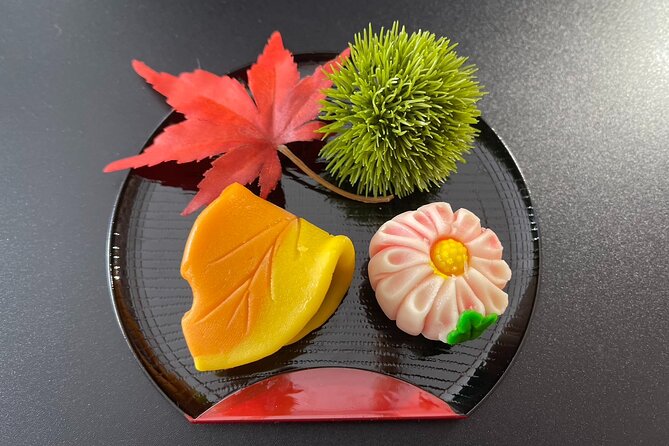
The best cooking classes leave you with more than a memory. This one aims to give you skills you can practice later.
Here is what tends to click based on what people describe:
- Technique you can repeat: step-by-step methods for making and shaping the sweet
- Design confidence: nerikiri in particular rewards careful shaping and small adjustments
- Cultural context: why these sweets connect to specific moments like New Year, festivals, or tea ceremony culture
The class also feels beginner-friendly. The recipes are described as simple, and that matters because wagashi has traditions and textures that can seem intimidating if you only watch from afar. Here, you get to do it, mess up a little, then improve quickly with coaching.
A practical bonus: several participants mention leaving with sweets to take home, often on a take-out tray, plus a small goodie or keepsake bag. Even if you eat most of what you make on the spot, having a portion to share later turns the class into a longer-lasting Tokyo souvenir.
More Tokyo tours and experiences for the shortlist



Price and Value: What $78.83 Buys in a Private Class
At $78.83 per person, you are not paying for a large group tour. You are paying for private time, a trained instructor, and hands-on guidance in a Japanese home kitchen.
Here is where the value becomes clear:
- You are getting a private class where only your group participates. That reduces waiting and increases coaching time.
- You are learning multiple skills during a short session, from technique to design to cultural meaning.
- You end up with edible results, plus in many accounts a take-home tray and keepsakes.
Booking pace is also a small clue. On average it is booked about 38 days in advance, which suggests it fills up around certain weeks. If you are traveling during peak seasons or on weekends, I would not wait until the last minute.
Could you find cheaper cooking experiences in Tokyo? Sure. But if what you want is personal attention, a focused wagashi skill set, and an experience that feels like a real home lesson, this price starts to make sense quickly.
Location and Getting There Smoothly Near Transit
The meeting point is in Bunkyo at 1-chōme-27-8 Sekiguchi, Tokyo 112-0014. The activity starts at 10:00 am and ends back at the same location.
The good news: it is described as near public transportation, and participants also say it is easy to find. Still, do yourself a favor and plan for a little buffer time. Japanese residential streets can look similar from the train exits, and home addresses need a precise match on your map app.
Bring your mobile ticket and double-check the start time the day before. Since the whole class is only about two hours, being early helps you settle in, not rush in mid-step.
Who This Wagashi Class Is Best For
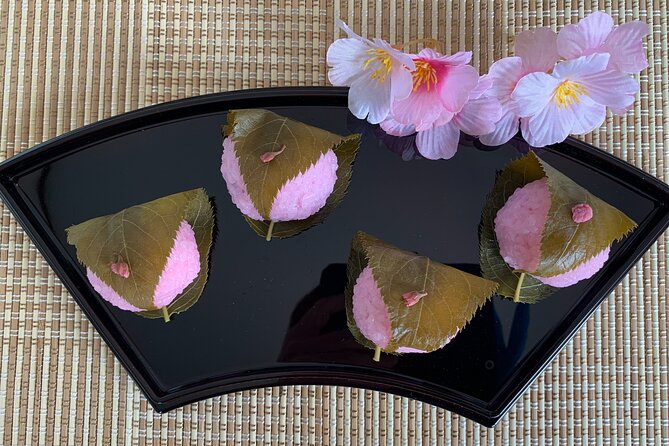
This is a strong fit for food lovers who want something more specific than “just dinner and dessert.” Mochi and nerikiri are hands-on crafts. If you like the idea of shaping and decorating, you will enjoy this class a lot more than a purely observational food tour.
It is also ideal for families. Multiple accounts mention that it works well as a shared activity where parents and kids can sit together, learn, and enjoy the view and the process. If you want a family-friendly Tokyo moment that is not based on long walking days, this is a good contender.
Solo travelers should also feel comfortable. The class setting is intimate and private for your group, and participants report enjoying it as a solo experience. If you like quiet learning and one-on-one attention, the format supports that.
Finally, if you already like matcha or you have had wagashi before and want the “how,” this class gives you a bridge between taste and technique.
Should You Book This Mochi and Nerikiri Class?
Book it if you want:
- Private, bilingual instruction in a home kitchen setting
- Hands-on wagashi craft skills you can try again later
- A short class that fits into a busy Tokyo schedule
- A cultural connection through tea and matcha, not just sweets
Skip it or rethink the fit if:
- You want a big social atmosphere with lots of other participants
- You are only interested in eating and not in making
- You want every type of wagashi in one session, because the class focuses on the course you select
FAQ
How long is the mochi and nerikiri making and matcha class?
The class is about 2 hours.
Where is the class held and what is the meeting point?
It meets at 1-chōme-27-8 Sekiguchi, Bunkyo City, Tokyo 112-0014, Japan, and it ends back at the same meeting point.
What time does the class start?
The start time is 10:00 am.
Is this class private or shared with other groups?
This is a private activity. Only your group participates.
What course options are available?
You can choose a Mochi course, a Dango course, a Nerikiri course, or a combination course that includes Mochi, Dango, and Nerikiri.
Who teaches the class?
The class is presented by a bi-lingual, native-Japanese instructor, trained by the Wagashi Association of Japan.
Can I cancel for a full refund?
Yes. Cancellation is free, and you can cancel up to 24 hours in advance for a full refund.
More 2-Hour Experiences in Tokyo
More Workshops & Classes in Tokyo

More Tour Reviews in Tokyo






Not for you? Here's more nearby things to do in Tokyo we have reviewed












Workshops, side by side.
 ★ 5.0Sushi Making Tokyo Roll and Authentic Japanese Sushi ClassFrom $593,971 reviews
 ★ 4.9Roll and Authentic Sushi Making Class in AsakusaFrom $581,957 reviews
 ★ 5.0Tokyo Shinjuku Chopsticks Making ClassFrom $201,763 reviews
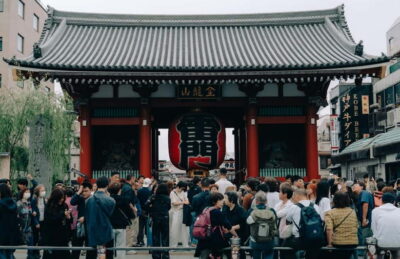 ★ 4.9Sushi Making Class in a Happi Coat near a Famous SpotFrom $421,377 reviews
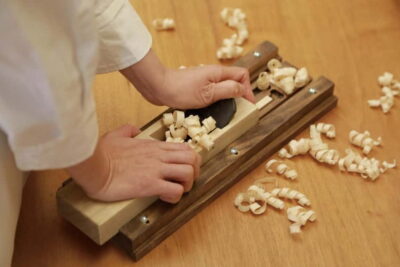 ★ 4.8Chopstick Making Workshop in GinzaFrom $251,366 reviews
 ★ 5.0Tokyo Sushi Making Class in Tsukiji with Professional ChefFrom $491,177 reviews
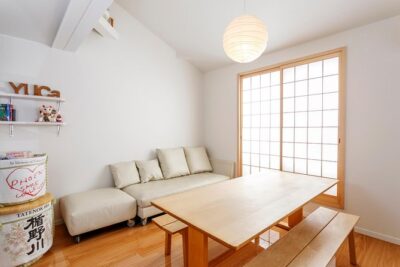 ★ 5.0Ramen & Gyoza Cooking Class in Tokyo with Local Supermarket VisitFrom $122823 reviews
 ★ 5.0Matcha Making Class in Tokyo with Authentic Japanese Sweets SetFrom $21744 reviews
This tour also belongs to