
Review · HAKONE DAY TRIPS
Hike Hakone Hachiri
Old roads, real views, and warm tea. This Hakone hike strings together several famous Tokaido-era moments, from a 13th-generation teahouse host to cedar avenues and fortress ruins, with Mt Fuji views if the weather cooperates. I especially liked two things: the stop at Amazake Chaya with Mr Yamamoto and the long 12km stretch of the old foot highway that makes the day feel like a true journey, not a quick sightseeing loop.
If you like history, the route hits it in a way that feels practical. You are walking the same type of path travelers used while passing through checkpoints and post towns, and your guide (Tony is the name I saw come up) keeps it human and clear with a fluent Japanese translation. One thing to consider: this is a moderate hike, and some parts can be over stones, so sturdy shoes matter, especially if you end up in rain.
Also note that lunch is not included, and the full day runs about 9 hours starting at 8:30 am from Mishima Station. You’ll want to plan food and energy around that, or you’ll feel it after the longer middle section.
Key highlights you’ll feel the moment you start
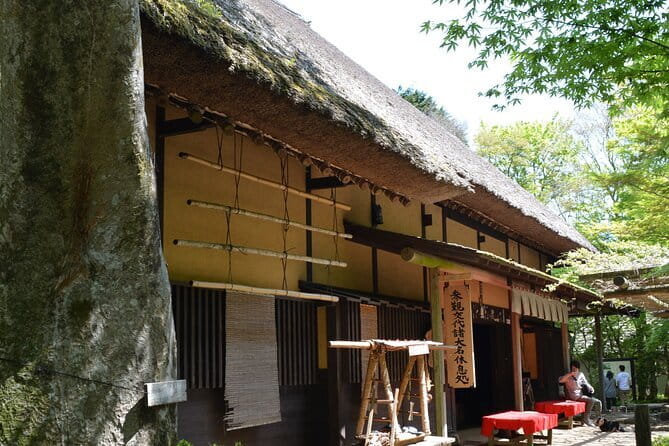
- A 13th-generation Amazake Chaya visit with Mr Yamamoto (tea house admission included)
- Cedar Avenue planted under the Edo-era shogunate with towering sugi lining the trail
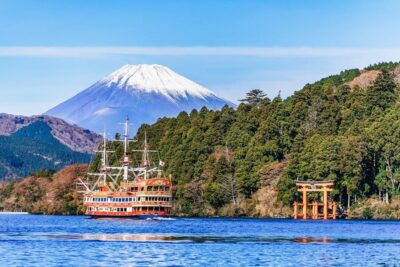
- Lake Ashi crater-lake scenery, including red tori gates out on the water (lunch by the lake)
- Hakone Sekisho checkpoint and museum time that explains why the Tokaido was controlled
- Yamanaka Castle Ruins with the story of Hojo’s western boundary and mountain defenses
- A 12km Japan Heritage Area hike between Odawara and Mishima on the preserved Tokaido Foot Highway
Why Hakone Hachiri feels like a real walk on the old Tokaido
Hakone Hachiri links up a stretch of the ancient Tokaido, the corridor that once connected Tokyo with Kyoto and Osaka. The route you hike today is declared part of Japan Heritage Areas, which is a fancy label, sure, but what you actually feel is continuity. The trail winds through old-road geography, cedar shade, and historic waypoints where travelers would have slowed down, checked in, or simply rested.
This is not a sit-and-snap tour. It is a guided hike that builds in story beats as you move, so the day has momentum. You start with food and culture, shift into forest and architecture, then you hit the big walking segment where the old road identity takes over. If you want a day that mixes nature, walking effort, and clear context, this format is a strong match.
You can also read our reviews of more hiking tours in Hakone
Price and value: what $231.18 buys you in plain terms
At $231.18 per person for a roughly 9-hour private small-group style experience, the value is mostly in three areas.
First, you are paying for an expert guide and the pacing of a structured day. Second, you get entry time at the teahouse portion (Amazake Chaya admission is included). Third, you are getting a full sequence of scenic and historic stops without having to figure out how to connect them yourself.
Do you still need to pay for lunch? Yes. Coffee and tea are listed as not included. But when you compare what you’re getting, it often works out well if you would otherwise spend time, transport effort, and energy cobbling the route together. I like tours that save my brain and let me focus on the hike, and this one is built that way.
Your day starts at Mishima Station, and it keeps a steady rhythm
Meeting point is Mishima Station, and the start time is 8:30 am. Ending back at Mishima Station keeps things simple, especially if you are staying in the area.
The day is paced with short landmark stops, then one longer hiking block, then a couple of finish-the-loop moments. That structure matters because it helps you manage energy. You get a teahouse start, a lunch-and-scenery pause by Lake Ashi, then forest and checkpoint history segments, and only later do you commit to the longest stretch.
Also, you’ll get a mobile ticket. That sounds minor, but it reduces friction when you are moving between stops.
Amazake Chaya and Mr Yamamoto, the 13th-generation manager

One of the reasons I’d pick this tour is the cultural anchor at the beginning. At Hakone Amazake Tea House, you meet Mr Yamamoto, described as the 13th generation manager. That kind of generational continuity is not a gimmick here. The tea house is positioned as one of the few remaining from the hundreds that once lined the Tokaido.
What you gain from this stop is context. You are not just tasting something local, you are learning how these waystations worked as parts of a traveler’s routine: warmth, refreshment, and a sense that you were moving through a real network, not random scenery.
This stop is about an hour and teahouse admission is included. If you care about everyday history, not just famous landmarks, this is where the day’s tone locks in.
Lake Ashinoko lunch: crater-lake scale and those red tori gates
After the morning culture stop, the route shifts toward water and open views at Lake Ashinoko. Lunch happens by the lake, and the setting is a major part of why this day works.
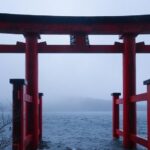
Lake Ashinoko is described as a 700m deep crater lake, and the visuals include red tori gates in the water. Whether you see everything perfectly depends on conditions, but even when the view is partially obscured, you still get that strong sense of place. It’s a break in pace before the longer walking section.
A practical note: lunch is not included in the tour price. You’ll want to plan for that so you do not end up hungry right when the day gets more physical.


Cedar Avenue: why Edo-era shade still matters on foot
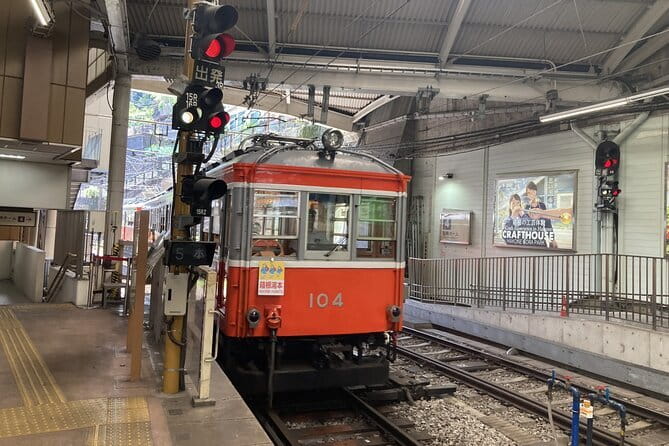
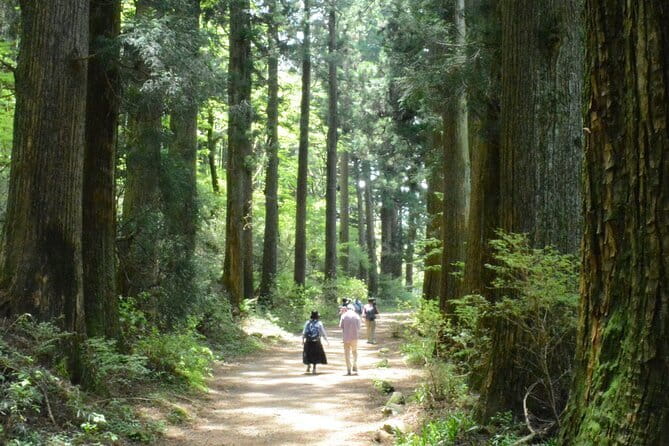
Next you move into the cedar corridor, Hakone’s Cedar Avenue. The planting story is tied to the Edo period, when Tokugawa Hidetada ordered sugi, Japanese cedar, along both sides of the Tokaido to shade travelers. The cedars are described as both old and towering, with references to a 400-year-old scale in the area.
On paper, that sounds like a historical footnote. On the trail, it turns into comfort and rhythm. Cedar shade can keep the morning or midday heat more manageable, and the tree-lined corridor gives you a clear sense of direction. It is the kind of walk where time feels different because you are literally under a living piece of infrastructure.
This stop is short, around 30 minutes. It is enough time to appreciate the scale without breaking your momentum before the next checkpoint stops.
Hakone Sekisho and the checkpoint museum: the logic of control
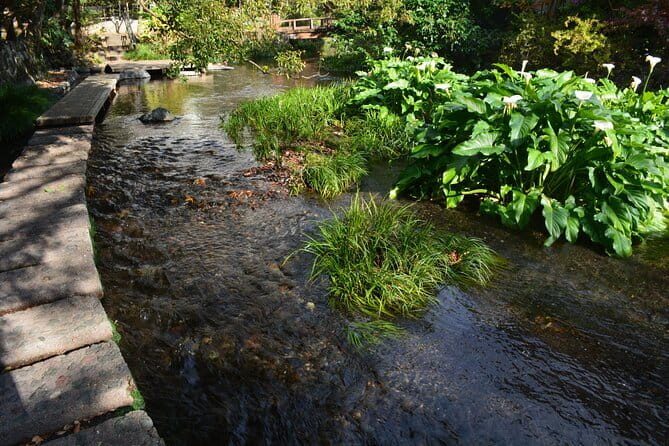
The Tokaido had checkpoint systems, called sekisho, to ensure travelers were legitimate and to protect the shogun in Edo. Hakone was the closest checkpoint to Edo, so it was also described as being among the most severely policed.
That is heavy material for a forest route, but that contrast is part of why it is worth pausing. You can stand in front of what’s been preserved and understand why travelers slowed down here, why paperwork and inspection mattered, and why the route was both a highway and a security line.
You also have time for the Hakone Sekisho Museum segment. It is listed as no additional admission fee. Even if you keep it light and move through at your own pace, you’ll come away with the sense that this was not just a road for trade, it was a system that managed people and power.
Yamanaka Castle Ruins: mountain defense in earthworks and timing
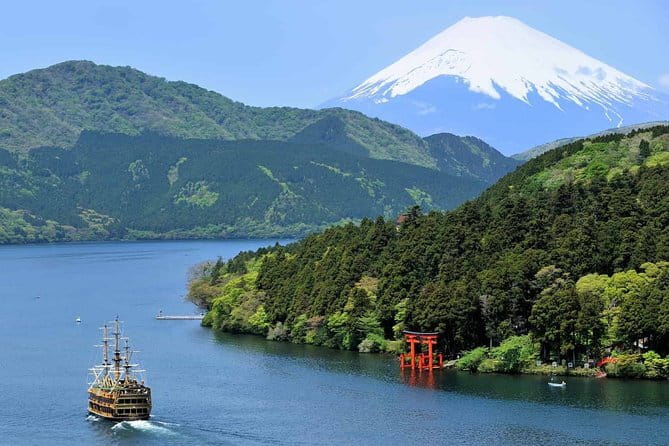
Yamanaka Castle Ruins give you the defensive side of this story. The name literally points to a castle in the middle of the mountain. The route frames the site around 1590, tied to Hojo’s western boundary and the idea of protecting that boundary with earthworks.
This stop is about 30 minutes. That time is useful because you are not forced into long museum browsing, but you also get enough presence on the site to notice how terrain was used. Earthworks and defensive positioning can look vague from afar. With a guide explaining the purpose and the boundary logic, it clicks faster.
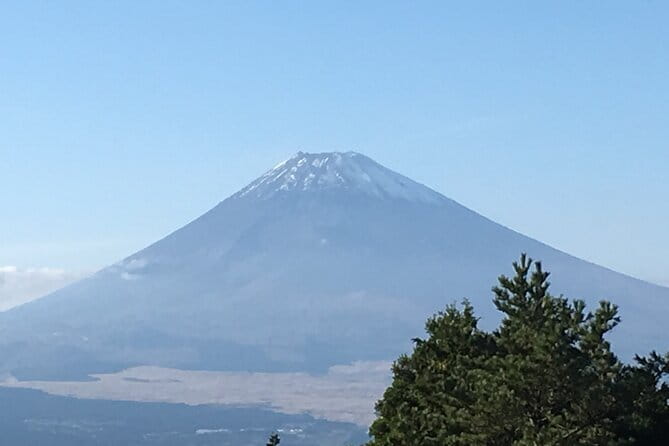
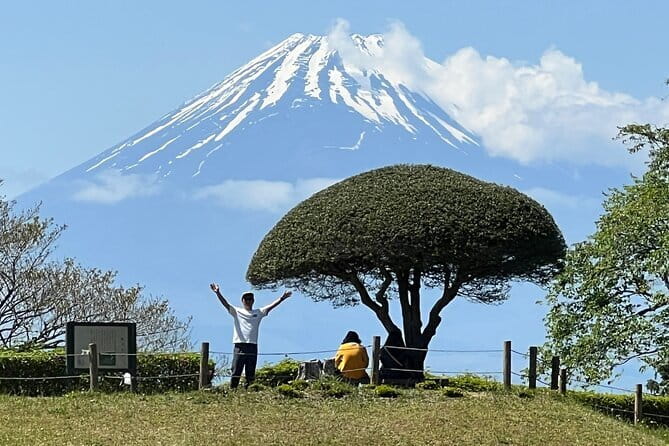
If you enjoy views, pay attention here. Even without a guarantee, you are in the kind of area where Mt Fuji sightings can happen when weather is cooperative, and the route specifically mentions Mt Fuji views from around Yamanaka Castle Ruins if conditions allow.
The big moment: a 12km Tokaido Foot Highway hike between Odawara and Mishima
This is the heart of Hakone Hachiri for most people. You hike a 12km stretch of the Old Tokaido Foot Highway between Odawara and Mishima. It is preserved as a Japan Heritage Area, which basically means the path has been protected and maintained so you can experience the old-road walking experience.
The hiking segment is about 5 hours. That’s long enough to feel like an event. You will likely settle into a steady pace, take breaks that feel natural instead of rushed, and start noticing how the terrain channels you like a corridor.
A couple of practical tips from what I saw people emphasizing: wear sturdy, comfortable shoes. One rainy-day account notes the hike can be over stones. That makes sense given how old road alignments often include uneven footing. If you go in with supportive footwear and you are okay slowing down, you’ll enjoy the workout instead of fighting it.
This section is also where you can appreciate why the day stays away from crowds. The forested stretches and the heritage-footpath feel like a purposeful escape into real walking.
Finish at Mishima and Genbegawa World Water Heritage Area
To close out the day, you get a shorter segment around Mishima and a walk along the Genbegawa World Water Heritage Area. This is about 30 minutes.
What I like about finishing this way is balance. After cedar shade and historic checkpoints, you end with a nature-and-water focus. It helps the day feel complete, not just like a march of stops.
If you still have energy, this final stretch is also a good time to ask your guide questions. A long guided day tends to make the story themes clearer by the end, and you’ll get more out of the last segment than you think.
The guide factor: Tony, history that stays practical, and translation help
One of the most consistent strengths tied to this experience is the guide. Tony is a name that shows up, and he’s described as excellent, funny, and attentive. That matters because this tour is packed with cultural context. Without a good guide, “old highway” can turn into a list. With a good guide, it becomes something you understand as you walk.
Also, translation support matters in Japan. When your guide can translate and explain in fluent Japanese, the tea house and checkpoint museum stops feel less like you are passing by and more like you are joining the conversation.
On rainy days, flexibility is another strong point. In one case, the guide adjusted things to account for bad weather. That kind of on-the-spot thinking can keep the day enjoyable instead of miserable.
What to pack for a 9-hour Hakone hike
You’ll thank yourself for planning for comfort and weather swings.
- Wear sturdy, comfy shoes with grip. Some parts can be rocky or stony.
- Bring a layer. Even in warmer seasons, forest and morning shade can feel cooler, and weather can shift fast.
- Bring something for water and snacks, since lunch is not included.
- If it looks like rain, plan like you will walk in it. One rainy-day experience emphasized being prepared and using sturdy footwear.
Also remember: this is a moderate physical fitness hike. You do not need to be a marathon runner, but you should be ready for about 5 hours of longer walking plus shorter segments.
Weather matters, including Mt Fuji expectations
This experience requires good weather. If it gets canceled due to poor weather, you’ll be offered a different date or a full refund.
Mt Fuji views are mentioned as weather permitting from around Yamanaka Castle Ruins. That means you should treat Fuji as a bonus, not a promise. Even without a clear view, you still get cedar shade, checkpoint context, and the big 12km foot highway hike. I like this kind of itinerary because the day stays valuable even when the sky is less cooperative.
Who should book Hakone Hachiri
This hike is a great fit if you want:
- A guided day that mixes culture, history, and walking.
- A route that feels less touristy because it is focused on heritage trail segments.
- A stronger workout than a typical sightseeing loop, especially if you enjoy forests and older road alignments.
It may be less ideal if you want minimal walking, wheelchair-style sightseeing, or a day with guaranteed indoor comfort. The day is about 9 hours and includes moderate hiking.
Should you book this tour, or DIY it?
If you like structure, booking this tour is a smart move. The guide role is the big factor. You get tea house context with Mr Yamamoto, checkpoint explanations at Hakone Sekisho, and a clear story that ties the old Tokaido parts together while you hike the long 12km section.
DIY can work if you are an experienced planner, comfortable navigating Japan’s regional transit, and you already know the history enough to appreciate it without a guide. But if you want to show up, walk, and understand what you are seeing without spending your day researching, this is the kind of guided hike that saves effort.
Book it if:
- You want the 13th-generation tea house stop and checkpoint museum context.
- You’re happy to hike 12km over old footpaths.
- You value a guide who can explain in fluent Japanese, not just point at things.
Skip it if:
- You are not comfortable with a moderate hike or uneven, stony trail sections.
- You need lunch fully included and cannot plan food independently.
- You are only interested in easy, short sightseeing with minimal walking.
FAQ
How long is the Hakone Hachiri hike?
The tour runs about 9 hours.
Where do you meet, and when does it start?
You meet at Mishima Station (16-1 Ichibanchō, Mishima, Shizuoka 411-0036, Japan) and the start time is 8:30 am.
Is lunch included?
No. Lunch is not included in the tour price.
Are the teahouse and other admission fees included?
Admission to the Hakone Amazake Tea House is included. The other listed segments in the route show admission ticket as free.
Is this tour private?
Yes. It is listed as a private tour/activity, and only your group participates.
What kind of fitness level do I need?
The tour says travelers should have a moderate physical fitness level.
What if it is bad weather?
The experience requires good weather. If it is canceled due to poor weather, you will be offered a different date or a full refund.
Will I definitely see Mt Fuji?
Mt Fuji views are described as possible from Yamanaka Castle Ruins, but only weather permitting, so it is not guaranteed.
More Hiking & Trekking Tours in Hakone
More Tour Reviews in Hakone

Not for you? Here's more nearby things to do in Hakone we have reviewed


Hakone Day Trips, side by side.
 ★ 5.0Mt Fuji and Hakone 1-Day Bus Tour Return by Bullet TrainFrom $16326,383 reviews
 ★ 4.0Mt Fuji & Hakone Cruise, Drum Show Bullet Train 1 Day from TokyoFrom $1497,413 reviews
 ★ 4.4Tokyo Mt Fuji 5th St & Hakone Cruise Bus Tour w/Bullet TrainFrom $1545,024 reviews
 ★ 4.7Mt. Fuji Tour, Hakone Ropeway, Owakudani, Lake AshiFrom $544,002 reviews
 ★ 4.2Mt. Fuji 5th Station & Hakone Cruise 1-Day Bus TourFrom $1292,381 reviews
 ★ 5.0Private Tour to Mt. Fuji and Hakone (Fully Licenced Operator)From $4971,910 reviews
 ★ 4.0Mt Fuji & Hakone Cruise, Drum Show Bus 1 Day from TokyoFrom $1221,287 reviews
 ★ 4.2From Tokyo: Mt. Fuji & Hakone Tour w/ Return by Bullet TrainFrom $1171,278 reviews
This tour also belongs to