
Review · TOKYO CITY TOURS
Tokyo: Learnt to cook Bento, Oyakodon and More!
Your Tokyo lunch gets a makeover in two hours. I love the hands-on cooking and small group size, so you can ask questions while your food is actually happening. The teaching is in clear English, and in past classes the instructor Yuki has been praised for confident explanations.
The tradeoff: the class has strict suitability limits, so it is not a fit for everyone, especially if you follow vegan or vegetarian diets or have certain allergies. Also, meals are not provided beyond what you prepare during the session, so you may need a proper dinner plan afterward.
Key Highlights You’ll Care About
- Small group size (max 6) means more attention while you cook, not just watch.
- Bento + oyakodon focus teaches both presentation and core Japanese home flavors.
- Dashi broth skills show up in lessons tied to oyakodon and miso soup-style dishes.
- Recipes to take home help you recreate the results without guessing later.
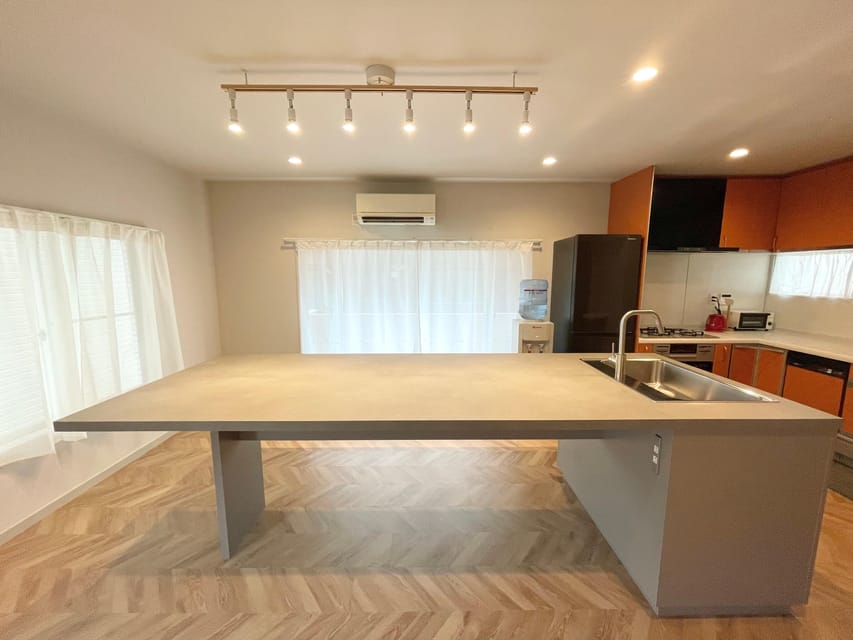
- Modern, clean kitchen setup makes the whole experience feel smooth and comfortable.
- Surprise souvenir plus the option to buy more Japanese souvenirs on-site.
Japanese Home Cooking in Tokyo, Without the Guesswork
Tokyo has plenty of food tours. This one targets something more useful: cooking. In a couple of hours, you learn Japanese home dishes the way locals think about them, with an emphasis on simple ingredients, smart timing, and how flavors come together.
What I like most is that this class is not only about eating. You’re taught the logic behind the food. Bento is partly food, partly planning. Oyakodon is comfort food, but it still has techniques, like how you manage heat and texture. And if miso soup and dashi broth come into your session, you’ll see how one base component supports more than one dish.
If you want a Tokyo souvenir, sure, you get one. But the bigger win is that you leave with recipes you can actually use later. That means you can impress friends at home, not just remember a nice meal.
You can also read our reviews of more tours and experiences in Tokyo.



The 2-Hour Class Flow, From Alley Entrance to Apron On
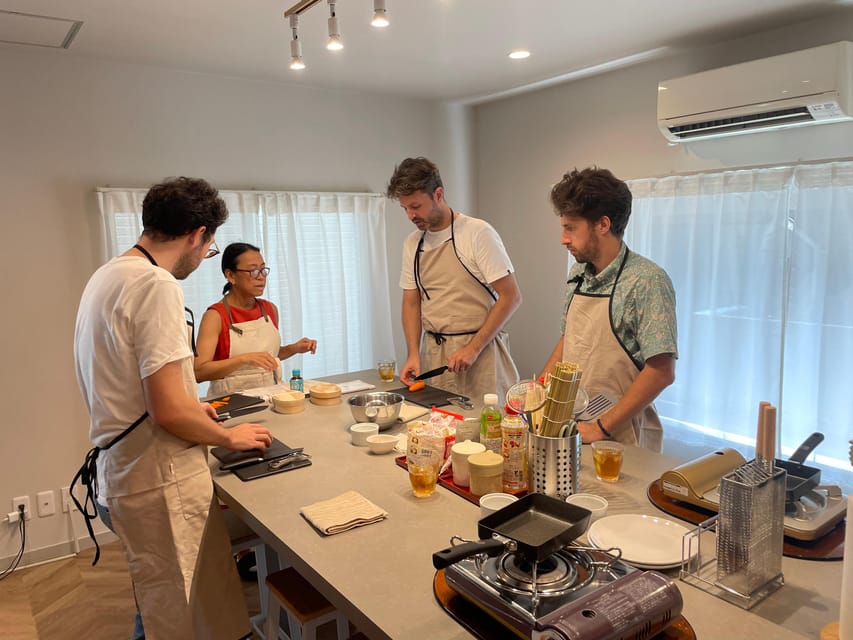
You’re in this class for about two hours, hands-on from start to finish. You do not have to bring your own cooking tools because the ingredients and equipment are provided. You also get a rental apron and towel, plus slippers so you don’t have to worry about indoor shoe rules.
Here is the practical reality of the schedule: because time is tight, the instructor will guide you through steps in an order that keeps the kitchen moving. That’s great when you want results quickly. It can be slightly less ideal if you want a slow, leisurely cooking pace, but in a two-hour format, you usually come in ready to work.
The meeting point is a bit old-school, which helps it feel local rather than touristy. You turn into the alley, then look for a four-story gray building on the right. At street level you’ll see doors on the left and right. Enter through the door on the right with the Alleyway Gourmet Lab sign, then go to the 2nd floor.
Your group is limited to 6 participants. That small size matters because you can get help while you are doing the steps, not after the fact.
Bento Cooking: The Art of Portioning and Practical Tidiness
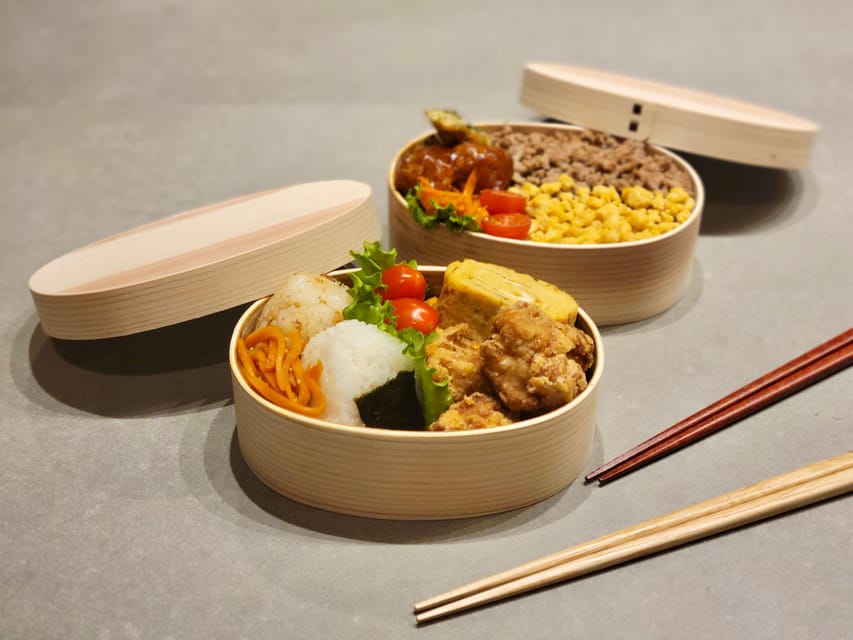
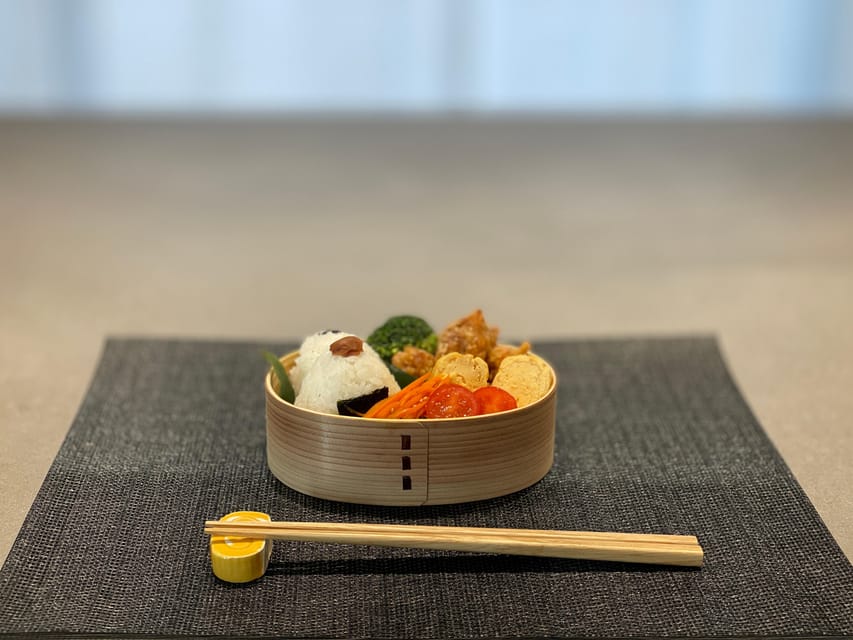
Bento sounds simple until you try to make one. This class helps you understand why bento works: it’s designed for portioning, balance, and neat presentation. Even if you never pack lunch again, the skills transfer.
In your session, you’ll learn how to prepare bento-style components using easy-to-find ingredients and then assemble them with intention. The key is that bento is not just about stuffing food into a box. It’s about texture contrast and how flavors feel together in a compact meal.
You’ll also learn what Japanese home cooks think about when they plan a bento. For example, the lesson emphasizes the significance of each dish and customs around home cooking. That cultural context is not fluff. It gives your choices a reason, which makes it easier to repeat later using your own ingredients.
One more practical point: because the class provides equipment and ingredients, you focus on technique and assembly, not hunting down specialty items. That’s a big value boost for a cooking class in Tokyo, where time is expensive and groceries can be overwhelming.
Oyakodon and Dashi Basics: Timing, Texture, and Comfort
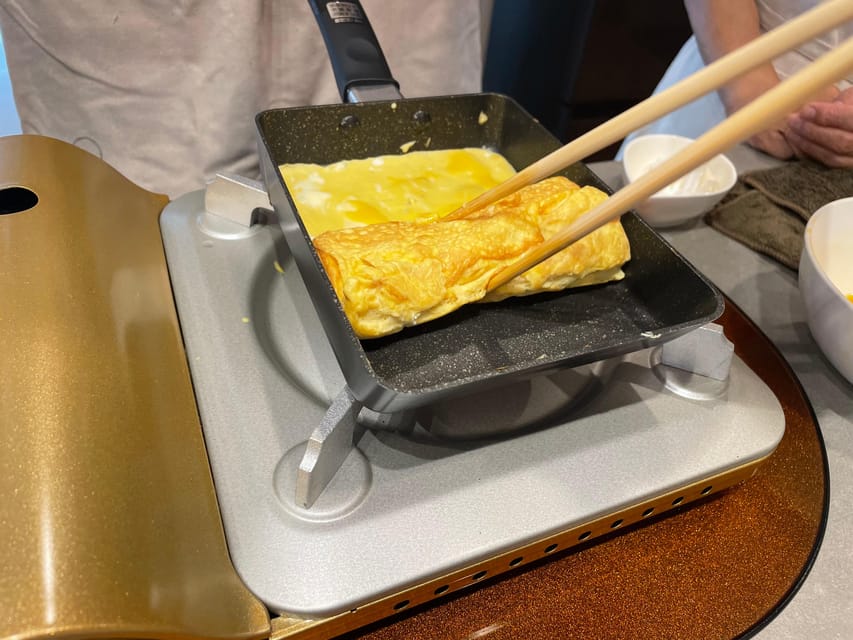
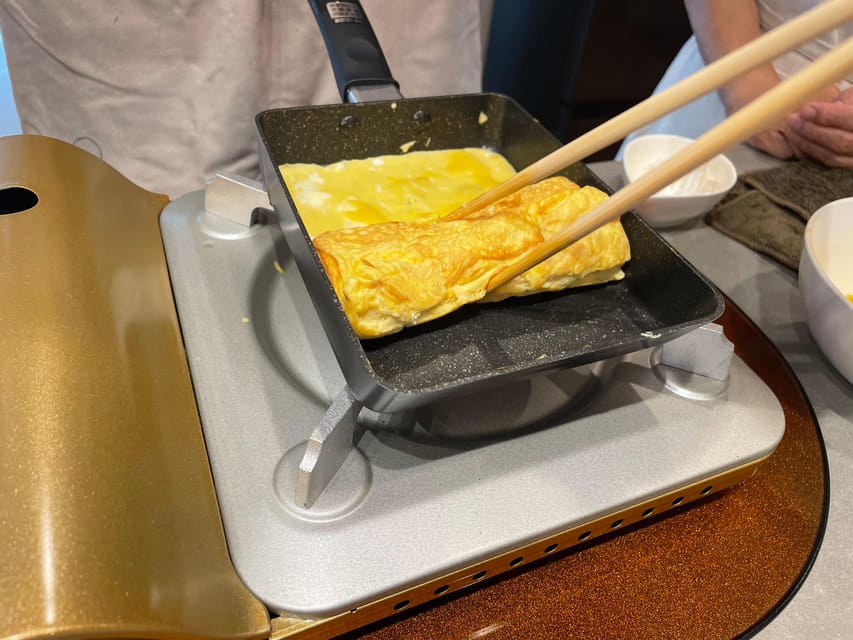
Oyakodon is deceptively specific. It looks casual, but good oyakodon depends on heat control, the way the egg sets, and how the sauce coats everything.
In past sessions, you can also expect closely related comfort dishes, like miso soup and dashi broth, depending on how the instructor structures your group’s menu. One highlight from a review was learning the dashi broth needed for both dishes. That matters because dashi is a backbone flavor. When you understand it, you start to see Japanese cooking as connected, not random recipes.
If your class includes miso soup alongside oyakodon, you get an extra layer of confidence. You’re not only cooking one dish. You’re learning how Japanese cooking reuses fundamentals across meals.
Technique-wise, you’ll be guided through step-by-step cooking in a real kitchen setting. Because it is hands-on, you practice rather than just observe. That’s especially important for oyakodon, where small differences in cooking time can change the texture of the egg.
Hands-On Learning With Instructor Yuki and Strong English Support
The class is taught by an experienced instructor who speaks English and Japanese. In feedback from earlier classes, the instructor Yuki stood out for kindness and competence, with excellent English pronunciation and answers to questions without hesitation. That quality is rare and it matters, because cooking lessons live and die by communication.
In a kitchen, you do not want vague instructions. You want to know what to do next, why you are doing it, and what to watch for. This class’s small group format supports exactly that. With a max of 6 people, the instructor can check in as you work.
You also get cultural context along the way, including Japanese customs and why each dish has significance. Think of it as learning the recipe plus learning the mental model. That makes you more confident when you swap ingredients at home.



What You Take Home: Recipes, Souvenir, and Easy Re-Cooking
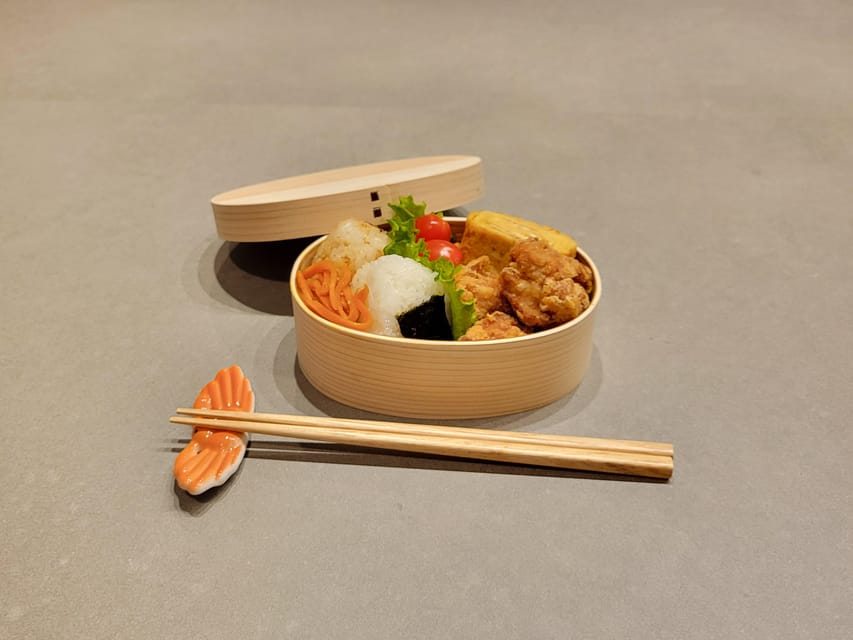
You leave with detailed recipes designed for home use. That is one of the biggest reasons this style of class is worth it. A good cooking experience gives you memories. A great class gives you the ability to recreate what you made.
The class also includes a Japanese souvenir. The contents are a surprise, so your hands-on effort may come with a little extra Tokyo joy. And if you want more, there is an option to buy additional Japanese souvenirs on-site at an average price of ¥1,000.
Also included: all cooking ingredients and equipment for the session. That means you are not stuck making a shopping list right before your lesson. You get to cook, then take your notes and recipes back with you.
One practical detail that can save you hassle: the class includes a rental apron and towel. You just wear comfortable clothes and show up. No need to bring your own kitchen gear.
Price and Value: Is $83 Worth It in Tokyo?
For $83 per person, you’re paying for more than entertainment. You’re paying for a guided, hands-on kitchen experience with ingredients, equipment, and instructor time in a small group.
Here’s the value math that makes sense for this type of class:
- You get hands-on practice (not a lecture).
- Your ingredients and equipment are included, so you avoid extra spending or pre-class shopping.
- You receive recipes you can use again, which extends value beyond the two hours.
- The group is limited to 6, which increases the chance you get help when you need it.
Where you should be honest with yourself is this: it is not a full meal experience. Meals are not included beyond what you prepare during class. So if you’re the type who hates being hungry afterward, plan a dinner option nearby.
Still, if you want something practical, this price is often competitive because cooking classes in Tokyo frequently cost more once you factor in ingredients and private time. This one tries to keep the session focused: learn core dishes, learn the thinking behind them, and leave with tools for home.
Who This Bento and Oyakodon Class Fits Best
This class is a strong match if you:
- Want Japanese home cooking skills you can repeat.
- Prefer a small-group kitchen where you can ask questions.
- Like the idea of learning fundamentals like dashi broth, not only one standalone recipe.
- Enjoy cultural context alongside the cooking.
It may not be a good match if you:
- Are vegan or vegetarian. The class is not suitable for vegetarians and vegans.
- Have food allergies, gluten intolerance, or nut allergies, since it is not suitable for these needs.
- Need wheelchair access. Wheelchair users are listed as not suitable.
- Are traveling with children under 6, or if your group includes anyone under 3 ft 9 in (120 cm).
- Are currently feeling unwell. People with a cold are listed as not suitable.
Also note language needs. Translation services beyond English or Japanese are not included. The class is conducted in English, but Japanese lessons can be arranged upon request.
Practical Tips for Your Class Day (So You Don’t Stress)
Since this is a kitchen setting, a few small prep moves help a lot:
- Wear comfortable clothes you don’t mind getting a little cooking-adjacent.
- Remember shoes indoors are not allowed, but slippers are provided.
- You do not need to bring ingredients or cooking tools.
- If you care about language support, the class language is English and Japanese, so confirm what you need early.
For timing, try to arrive with buffer time. The meeting point is a specific alley entrance, and you’ll want to find the right building door without rushing.
Also, keep the day simple. The class rules include no smoking and no vaping, and avoid strong fragrances. Weapons or sharp objects are not allowed, and alcohol and drugs are not allowed either. None of this should sound surprising, but it is better to know than to wonder.
Finally, bring curiosity. Bento and oyakodon teach you different lessons. Bento teaches planning and presentation. Oyakodon teaches timing and texture. Together, they make Japanese home cooking feel learnable, not mysterious.
Should You Book This Tokyo Cooking Class?
Book it if you want a practical Tokyo experience: learn bento assembly, master oyakodon technique, and pick up fundamentals like dashi broth, with clear guidance from an instructor known for strong English, like Yuki. The small group format and take-home recipes make it feel like skill-building, not just a fun outing.
Skip it if you fall into the listed suitability limits, especially if you need vegan or vegetarian options, have gluten or nut allergies, or require wheelchair access. Also consider skipping if you expect a full meal provided, because you’ll only eat what you cook in the session.
If you’re on the fence, here’s the simple test: do you want to be able to cook this again at home? If yes, this is the kind of Tokyo class that pays off after you fly back.
FAQ
How long is the Tokyo cooking class?
It lasts 2 hours.
What dishes will I learn?
The class focuses on learning to cook Bento and Oyakodon, and the menu can include related dishes such as miso soup and the dashi broth used for these preparations.
Is the class suitable for vegans or vegetarians?
No. The class is not suitable for vegans or vegetarians.
What language is the class taught in?
Classes are conducted in English, and Japanese lessons can be arranged upon request. English or Japanese are the class languages.
How many people are in the group?
The class is a small group limited to 6 participants.
Do I need to bring ingredients or cooking equipment?
No. All cooking ingredients and equipment are included for the class. Personal cooking tools for home use are not provided.
Are meals included?
Meals are not included. You would eat what is prepared during the class, and additional meals or snacks outside what is prepared are not included.
How do I find the meeting point?
You enter the alley and find a four-story gray building on the right. Use the door on the right with the Alleyway Gourmet Lab sign, then go to the 2nd floor.
Is transportation included?
No. Transportation is not included.
Can I cancel for a refund?
Yes. Free cancellation is available up to 24 hours in advance for a full refund.
More Tour Reviews in Tokyo
Not for you? Here's more nearby things to do in Tokyo we have reviewed












Tokyo City Tours, side by side.
 ★ 5.01-Day Tokyo Bus TourFrom $12914,250 reviews
 ★ 4.5TOKYO SKYTREE® Admission ticketFrom $1311,192 reviews
 ★ 4.6teamLab Planets TOKYO Digital Art Museum Entry TicketFrom $259,779 reviews
 ★ 4.0Mt Fuji & Hakone Cruise, Drum Show Bullet Train 1 Day from TokyoFrom $1497,413 reviews
 ★ 5.0Shinjuku Food Tour (13 Dishes at 4 Local Eateries)From $866,603 reviews
 ★ 4.4Tokyo Mt Fuji 5th St & Hakone Cruise Bus Tour w/Bullet TrainFrom $1545,024 reviews
 ★ 5.0Flagship 2-Hours Official Street Go-Kart Tour – Tokyo Bay ShopFrom $644,974 reviews
 ★ 4.5From Tokyo: Mount Fuji Full-Day Sightseeing TripFrom $684,970 reviews