
Review · TOKYO CITY TOURS
Tokyo: Name Seal & Pouch or Tote Bag Making Experience
A custom inkan for your name changes how you remember Japan. In a small studio in Roppongi, you’ll create a personalized seal in Kanji or Hiragana, and you can take home a matching pouch or tote bag.
I like that the process is practical, not just decorative. Your seal is something you can keep and use, and you also get extras while you wait, including a personalized postcard with calligraphy-style artwork.
One drawback to plan for: Kanji takes more time and the studio asks you to send your name and design choices in advance, especially for the four Kanji seal themes and the bag details.
Key points before you go
- Choose Kanji or Hiragana for your name stamp (square Kanji, round Hiragana)
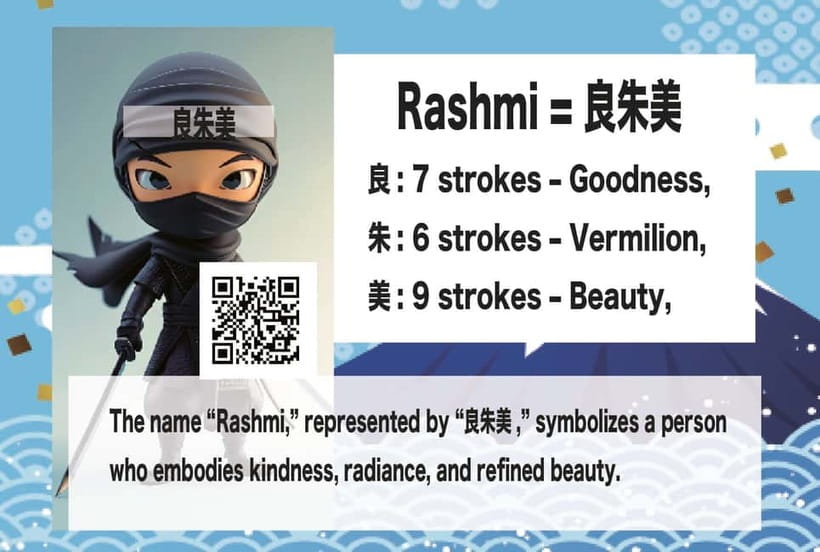
- Pick one of four Kanji seal designs: Mt. Fuji, Pine Tree, Floral Leaf (Kiri-mon), Maiko Girl
- Customize your bag with either a pouch (gold or silver) or a tote (three decorations)
- Get a personalized postcard while your seal is being made
- Small group, English help with a maximum of 5 participants
Tokyo Inkan Craft, Without the Mystery
If you’ve ever wondered why Japanese signatures sometimes look like stamps, inkan is the answer. In Japan, seal stamps are still used for business and daily life, so what you make in this class connects to something real, not a costume souvenir.
Inkan culture is one reason this experience lands well. It’s not just learning calligraphy as an art project. You’re turning your name into a functional symbol, with character choices that are meant to look right and feel meaningful.
You’ll also get some clear, hands-on instruction in English, which helps a lot if Kanji feels intimidating. Even if you can’t read the characters, you’ll leave understanding what you picked and why it looks the way it does.
You can also read our reviews of more tours and experiences in Tokyo.



Roppongi Hanko Location and How to Find the Studio
This class starts and ends at Roppongi Hanko. The studio is in the CREST Roppongi building, 2F, near the National Art Center, Tokyo.
If you’re arriving by train, take the Toei Oedo Line to Roppongi Station and use Exit No. 7. From there, cross toward FamilyMart and keep to the right as you walk along museum street. You’ll spot a large crane sign, which is your visual cue that you’re close.
If you prefer a taxi, you can show the address and the studio name: Shodocafe7557 in Crest Roppongi building, near the National Art Center Tokyo. And if you want the easiest route, search Shodocafe7557 on Google Maps and follow it straight in.
Two practical notes from the vibe of this kind of craft studio:
- Plan to arrive a few minutes early, because you’re doing a production-style class where timing matters.
- Smoking is not allowed, so keep that in mind if you’re stepping out for a quick break.
Your 30 to 40 Minute Flow: From Meet and Choose to Take Home
The class is short on purpose. You’re in and out, and the studio is built around making something custom at a steady pace.
When you arrive, you’ll be guided through picking the options for your stamp and bag. If you’re going the Kanji route, you should be ready to have your choices locked in because the studio asks for your information ahead of time.
Then you get your hands involved. The core parts are:
- making or preparing your name in Japanese characters (the studio translates your name into Kanji)
- producing the custom seal stamp
- personalizing your pouch or tote bag with your name in the same script style you chose
While your stamp is being created, you’ll keep busy with supportive activities. The studio also prepares a personalized postcard for you with calligraphy-style artwork.
Finally, you finish up at the same meeting point, Roppongi Hanko, with your new keepsake in hand.
Picking Kanji or Hiragana, and What Each Stamp Type Means
You have two ways to build your seal stamp:
Option 1: Square Kanji stamp (24mm)
This is the classic inkan look that many people imagine. The studio helps you select auspicious characters for your name based on meaning and sound, but the final product depends on your name and the Kanji choices made for it.


Option 2: Round Hiragana stamp (12mm)
If you’d rather keep things simpler, Hiragana gives you a softer, more approachable look. The stamp is round, smaller at 12mm, and built around Hiragana characters for your name.
Here’s the useful part: both are personalized in a way that still feels “you.” The main difference is the character system and the visual style of the stamp.
The Four Kanji Seal Designs, and How to Choose One
If you go with the Kanji seal, you also select a design theme. These aren’t random decorations. They’re meant to complement the stamp and make your seal feel like a story.
Your four options are:
- Mt. Fuji
- Pine Tree (Matsu)
- Floral Leaf (Kiri-mon)
- Maiko Girl
How to choose quickly:
- If you want an obvious Japan symbol, go Mt. Fuji.
- If you want something that reads as lasting or calm, Pine Tree is a strong choice.
- If you like a more formal family crest style, Floral Leaf (Kiri-mon) is a great match.
- If you want something distinctly Kyoto-feeling, Maiko Girl leans into that cultural imagery.
Important timing detail: Kanji stamp creation takes more production time. That’s why you should provide your name, selected design, and pouch color in advance.
The Pouch or Tote Bag Customization, Gold or Silver
Your stamp isn’t the only take-home item. You’ll also customize either a pouch or a tote bag with your name in Kanji or Hiragana.
Custom name pouch (silver or gold)
If you choose the pouch, you get a color choice:
- gold
- silver
This is one of those decisions that pays off later. Small pouches tend to get used constantly at home and on future trips. They also photograph well, which matters if you like documenting your travel crafts.
Custom name tote bag (three decorations)
If you choose the tote, you get a bigger canvas. Along with your name, you can personalize the bag with three decorations, chosen from options like:
- cherry blossoms
- stars
If you want more than three decorations, additional charges apply. So if you’re trying to keep costs tight, decide early whether you want a clean look or a more crowded pattern.
What You’re Really Learning Here (Beyond Making a Stamp)
This class is often more than just ordering a souvenir. The magic is in translating your name into Japanese characters and then seeing that translation become an object with weight and texture.
You’re also learning practical calligraphy concepts. The studio focuses on helping you write in a way that looks right for the stamp and bag style you chose.
The result is that you get a souvenir that feels intentional. Not “I bought a stamp,” but “I understand my name in Japanese characters, and I chose the look.”
And because your stamp is custom-made, you get that waiting time turned into something productive. Instead of sitting around, you can work on calligraphy-style practice and design a postcard while the stamp is being produced.
Small Group Size, English Guidance, and a Patient Pace
This is a small group class, capped at 5 participants. That matters more than it sounds. In a craft where details matter, small group size usually means more attention when you’re choosing characters and preparing your stamp.
The guide is English-speaking, so you won’t need to guess what’s happening. You’ll be walked through what you need to decide before your stamp is made.
Also, plan for a steady pace. The class duration is listed as 30 to 40 minutes, and it can take 40 minutes per person, especially for Kanji. If you’re scheduling a tight afternoon, build in buffer time around it.
Price and Value: Is $29 Worth It?
At $29 per person, this class is priced like a true add-on activity, not a half-day workshop. The value comes from what’s included, not just the instruction.
You’re taking home:
- a custom name seal stamp (square Kanji or round Hiragana)
- a matching pouch or tote bag
- your name translation into Japanese Kanji characters
- a personalized postcard created while you wait
Add in the practical benefit. Many souvenirs are decorative only. A seal stamp is more durable, more personal, and it connects to a cultural practice. Even if you don’t use it the way people do in Japan, it still has daily-life appeal as a keepsake, gift, or desk item.
One value consideration: production time is part of the price. It’s not mass-produced, so you’ll want to plan your day around the time it takes, especially if you want Kanji.
Who This Is Best For (and Who Might Skip It)
This activity is a great fit if:
- you love personalized souvenirs
- you’re curious about how Japanese writing systems show up in daily life
- you want a compact experience with a tangible result
- you’re traveling as a family, because the process is friendly and structured
It might be less ideal if:
- you’re looking for a long, sightseeing-heavy day
- you want to avoid any advance decisions, because Kanji requires you to provide name and design details in advance
- you dislike waiting while custom items are produced, though the studio includes activities to keep you occupied
If you’re a first-time Japan traveler, this is one of those crafts that doesn’t require prior knowledge. If you’re a repeat traveler, it’s a different kind of souvenir than the usual photo ops.
Should You Book Tokyo: Custom Name Seal and Pouch or Tote?
Yes, if you want something small, meaningful, and actually tailored to you. The combination of a custom inkan-style stamp and a matching pouch or tote makes it feel like you got more than a single souvenir.
Book it especially if you like:
- English support
- small group attention
- calligraphy as a hands-on skill, not just a demo
- a keepsake you’ll keep using, not just storing
Make your life easier by choosing your Kanji design and bag details ahead of time. If you do that, the day feels smooth and focused, and you’ll spend your energy on the creative part.
FAQ
What do I make in this experience?
You create a personalized Japanese seal stamp with your name written in Kanji or Hiragana. You also personalize either a pouch or a tote bag with your name in Kanji or Hiragana.
How long does the class take?
The duration is listed as 30 to 40 minutes, and it can take about 40 minutes per person.
What stamp options are available?
For Kanji, you can choose a square-type stamp (24mm). For Hiragana, you can choose a round-type stamp (12mm).
What Kanji seal designs can I choose?
You can choose one design theme: Mt. Fuji, Pine Tree (Matsu), Floral Leaf (Kiri-mon), or Maiko Girl.
Can I choose the bag color or decorations?
Yes. If you choose the pouch, you can pick gold or silver. If you choose the tote bag, you can choose three decorations such as cherry blossoms or stars.
Do I need to send my details in advance?
For Kanji stamps, you should provide your name, your selected design (from the four options), and your pouch color (gold or silver) in advance.
Is shipping outside Japan included?
No. Delivery outside Japan is not included.
More Tour Reviews in Tokyo


Not for you? Here's more nearby things to do in Tokyo we have reviewed












Tokyo City Tours, side by side.
 ★ 5.01-Day Tokyo Bus TourFrom $12914,250 reviews
 ★ 4.5TOKYO SKYTREE® Admission ticketFrom $1311,192 reviews
 ★ 4.6teamLab Planets TOKYO Digital Art Museum Entry TicketFrom $259,779 reviews
 ★ 4.0Mt Fuji & Hakone Cruise, Drum Show Bullet Train 1 Day from TokyoFrom $1497,413 reviews
 ★ 5.0Shinjuku Food Tour (13 Dishes at 4 Local Eateries)From $866,603 reviews
 ★ 4.4Tokyo Mt Fuji 5th St & Hakone Cruise Bus Tour w/Bullet TrainFrom $1545,024 reviews
 ★ 5.0Flagship 2-Hours Official Street Go-Kart Tour – Tokyo Bay ShopFrom $644,974 reviews
 ★ 4.5From Tokyo: Mount Fuji Full-Day Sightseeing TripFrom $684,970 reviews