
Review · TOKYO CITY TOURS
Tokyo: Matcha and Kimono Experience
Your matcha lesson starts with a kimono. This experience near Shinjuku blends first flush matcha tasting with an easy-to-wear kimono that feels like real Japanese culture, not a costume sprint. I also liked that you compare matcha styles and learn how to make a beautiful bowl back home. The main catch is simple, bring socks and be on time, since late arrivals can mean automatic cancellation.
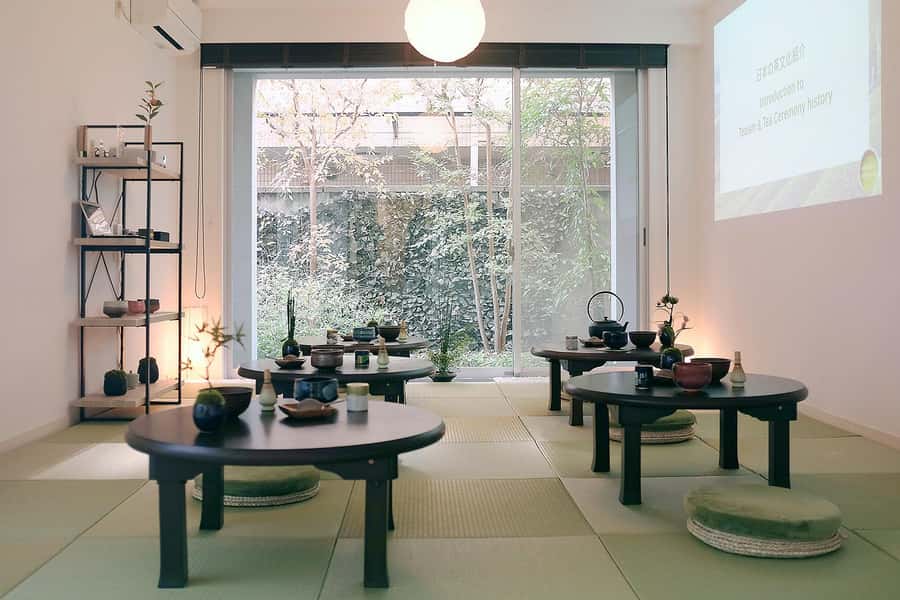
You meet up about a 6-minute walk from Yotsuya Station, at the LUUP scooter stand next to the ACN Yotsuya Building, with a workshop sign. In the room, you are guided by tea expert Komei, and the vibe stays relaxed and friendly, with lots of time to ask questions. One nice touch from the experience style is photo help during the kimono and tea moments.
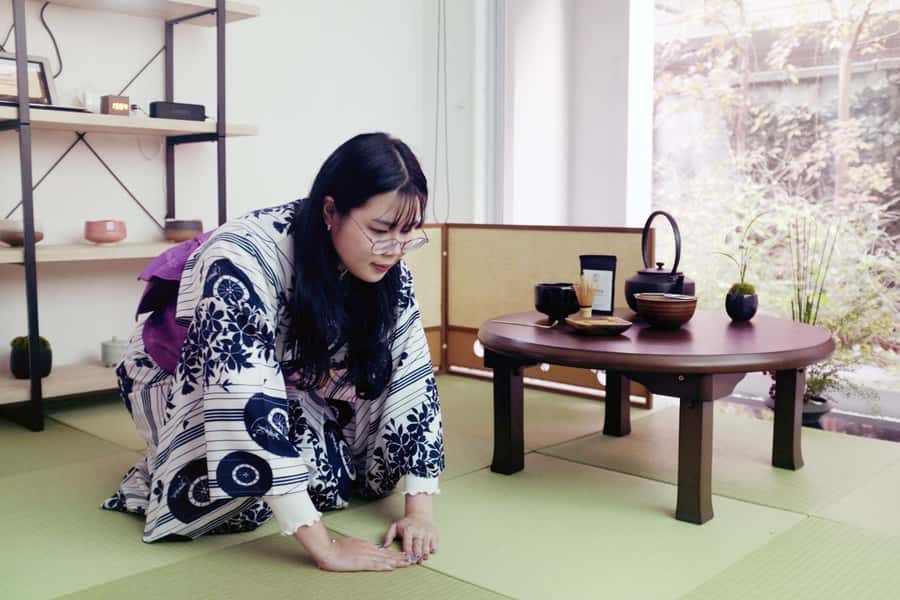
The flow is what makes it work. First you get your kimono on, then you move into a tea education session covering tea ceremony basics, Teaism, and matcha, including differences between Japanese and overseas matcha. After that comes the practical part, using tea tools to prepare your own matcha and learn proper manners for drinking it, plus Japanese sweets and a welcome drink.
Key highlights you will actually remember
- Exclusive first flush matcha selected from a 100+ collection, including a tasting focused on your senses
- Easy-to-wear kimono designed to be faster than typical kimono dressing, plus a strong photo moment
- Teaism and tea ceremony taught by a tea expert, with clear cultural framing
- Real matcha vs fake matcha comparisons, plus Japanese vs overseas matcha differences
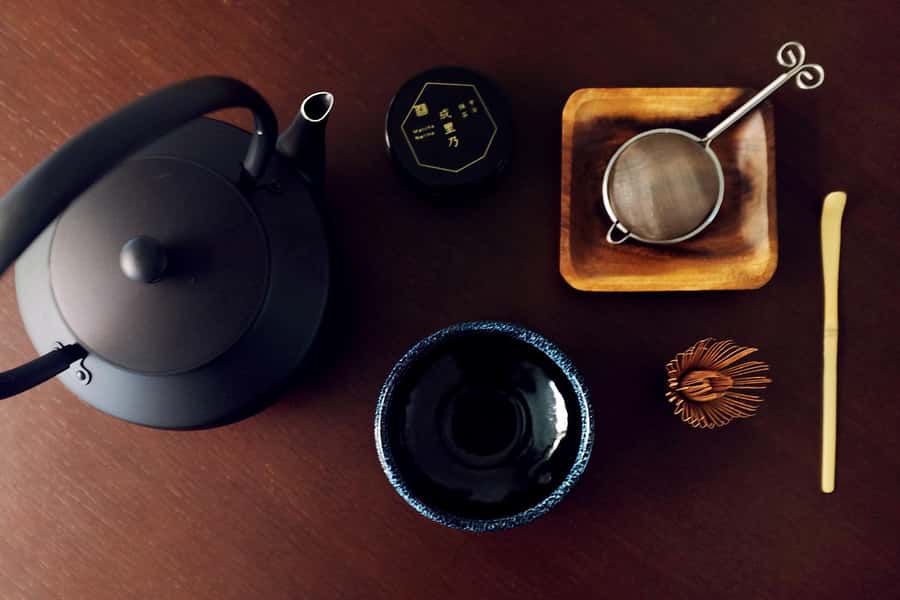
- Hands-on making lesson with tea tools rental, then practice you can repeat at home
Getting There at Yotsuya, Meeting Point by LUUP Scooters
This is an easy starting point if you are staying around Shinjuku. The guide is waiting in front of the LUUP scooter stand next to the ACN Yotsuya Building, look for a workshop sign. Plan to arrive a few minutes early so you are not stressed. The experience can be canceled if you are more than 10 minutes late, and there is no refund in that case.
Also, listen to the practical warning about socks. You need socks to protect the traditional flooring, and if you forget them, you will be asked to buy them on site. It is a small thing, but it affects comfort, so I treat it like part of the cost of doing this properly.
You can also read our reviews of more tours and experiences in Tokyo.

Easy-Wear Kimono That Avoids the 30-Minute Kimono Workout
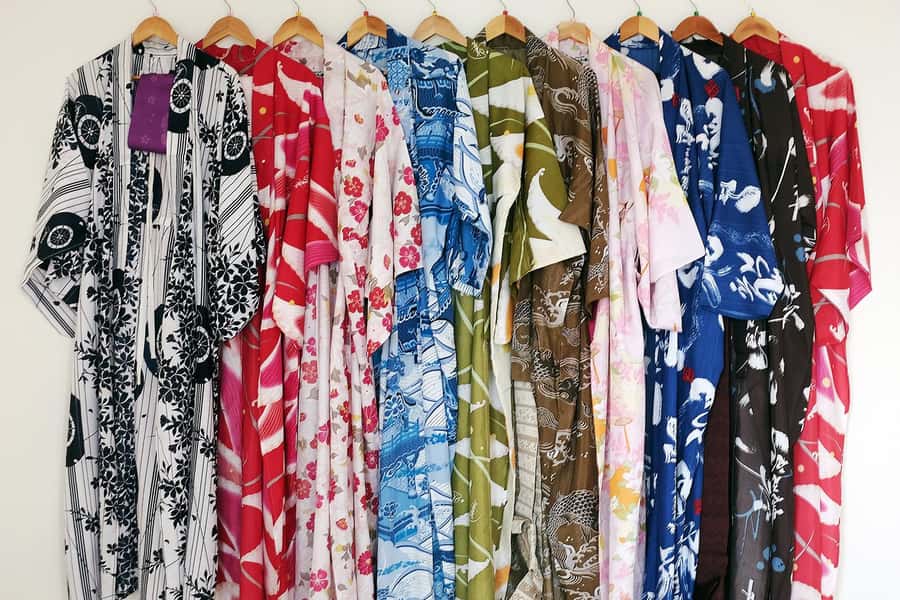
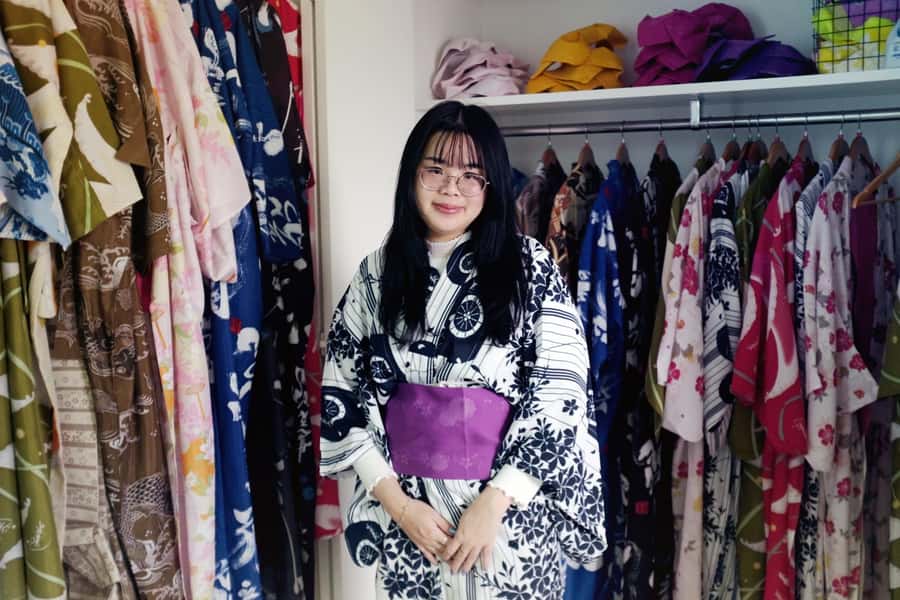
Putting on a kimono in Tokyo can sound fun, until you picture a long dressing process. This experience uses a specially designed easy-to-wear kimono, so it is not the typical setup that takes around 30 minutes. You should find it much less fiddly, especially if you do not want to think too hard about how fabric layers go where.
You also get to choose a kimono that fits you visually and photograph well. Multiple people called out the kimono as a highlight, and the host Komei helps with group photos. So yes, you are wearing something traditional, but you are also getting a guided experience, which makes it feel intentional rather than random.
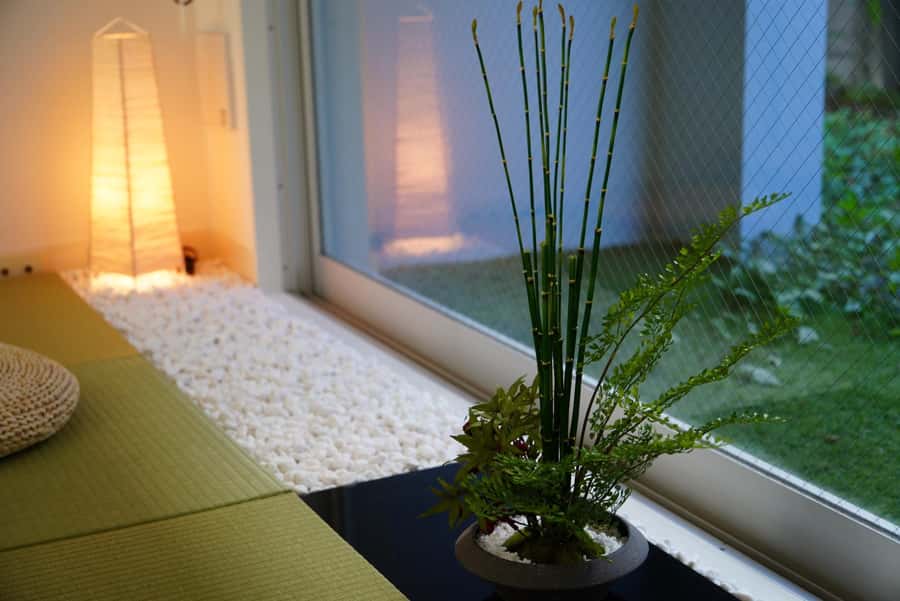
One more thing to keep in mind, you will be seated indoors on traditional flooring. That is exactly why the socks rule matters. If you hate the idea of wearing socks with a robe, this might not be your favorite style of souvenir.
Teaism and Tea Ceremony Lesson, Plus a Matcha Reality Check
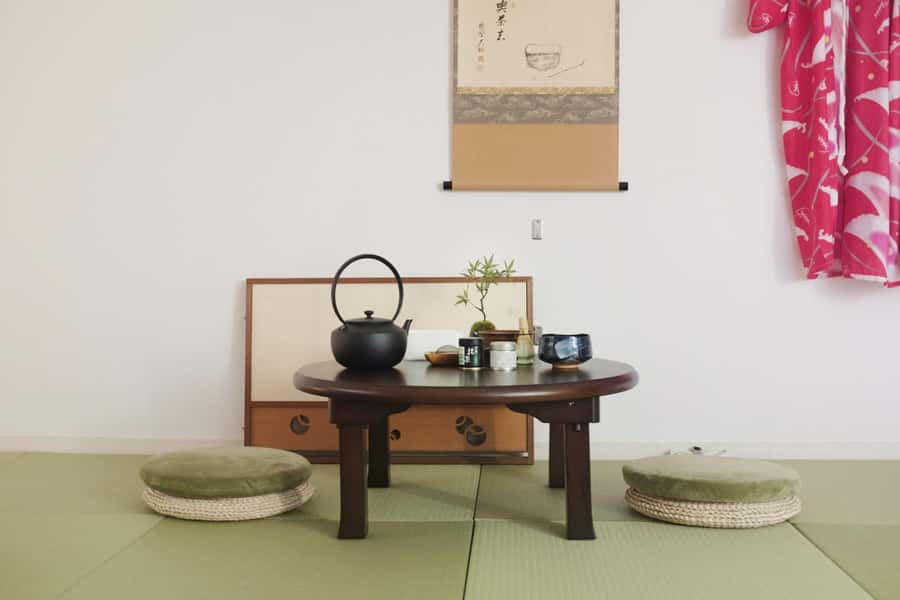
After the kimono moment, the class shifts into education. You learn about tea ceremony, Teaism, and matcha, with a tea expert leading the session. The lesson includes differences among tea types like green, black, and Chinese teas, so you get broader context beyond matcha alone.
What I like about the way this is taught is that it is not only “tea is wonderful.” There is a comparison component that helps you spot what is different between Japanese matcha and overseas matcha. Then you go one step further with a real matcha vs fake matcha comparison.
That part matters because matcha is a label you see everywhere in the world, and quality can vary a lot. Having that comparison built into the experience gives you a clearer idea of what people are chasing when they talk about good matcha.
First Flush Matcha Tasting by Eyes, Nose, and Tongue
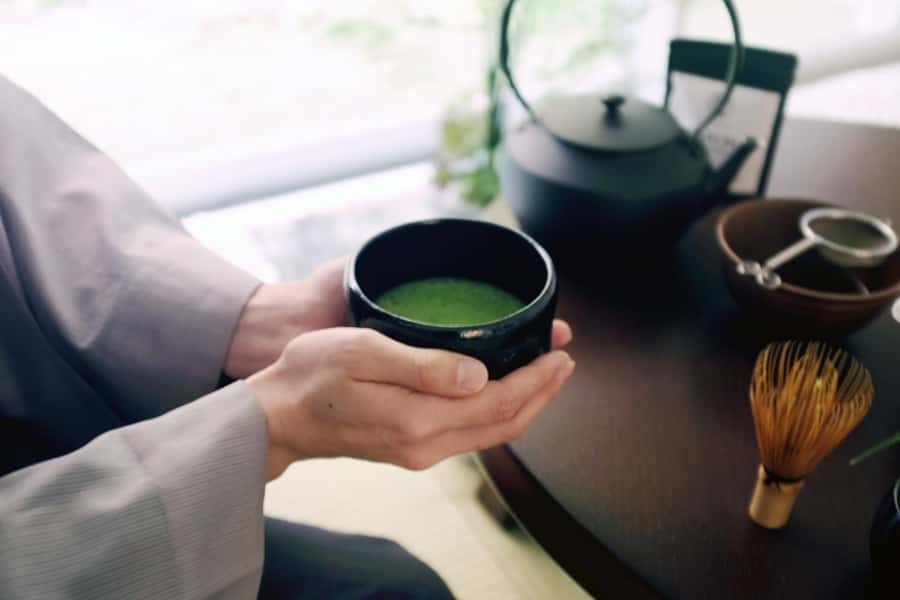
A big selling point here is the matcha selection. You taste an exclusive first flush matcha, explained as the highest quality tier from the season, chosen from a larger 100+ matcha collection from across Japan. Rather than being handed one cup and sent on your way, the experience guides you to find your favorite matcha using your eyes, nose, and tongue.
This is one of the most praised parts of the experience, with people calling the taste incredible and recommending it specifically for experiencing real matcha. I also appreciate the structure, because it trains your palate and senses instead of just asking you to react to a single flavor.
If you are a matcha fan already, you will likely enjoy the variety and the chance to compare. If you are new, the scent and visual checks can make you feel like you are doing more than sipping green stuff.
Making Your Bowl with Tea Tools, Then Drinking It the Proper Way
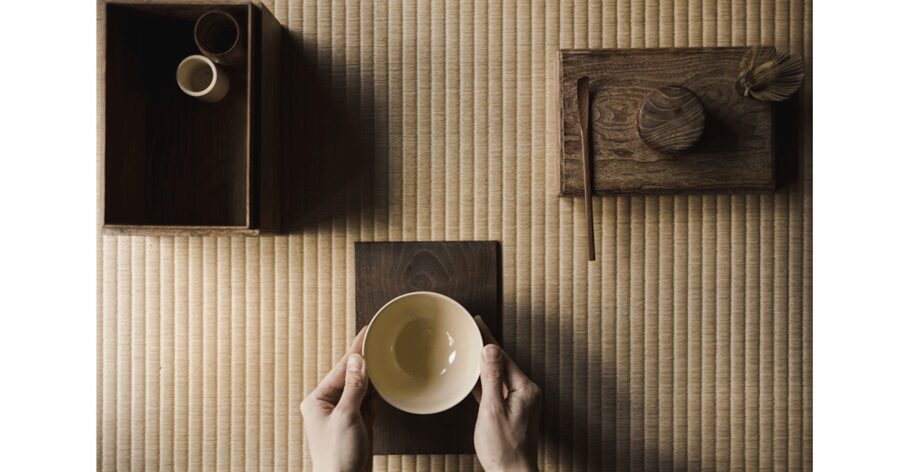
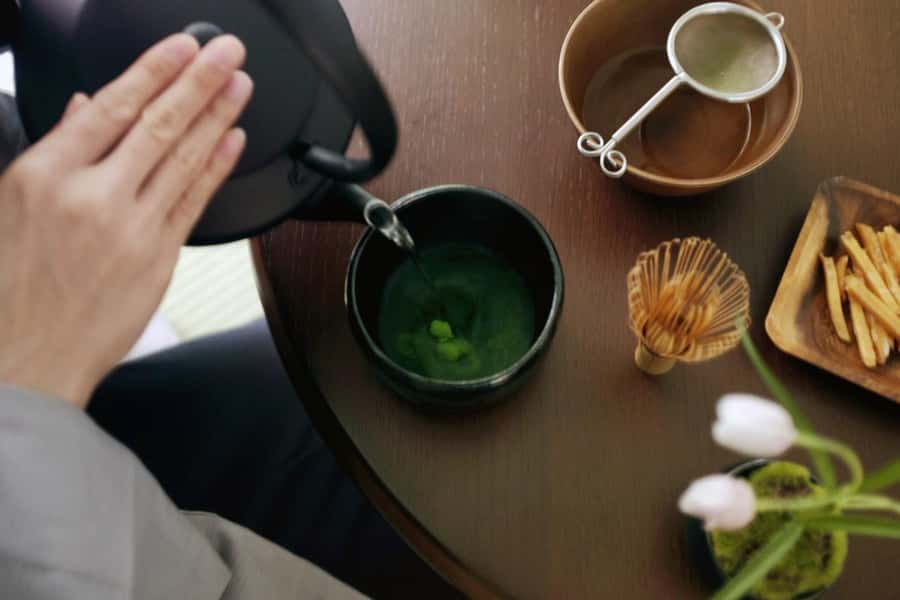
Once the tasting education is done, you move into the hands-on stage. You will prepare a matcha bowl using tea tools provided through the experience, so you are not scrambling to figure out equipment on your own. The group practice also includes basic manners for how to drink a bowl of matcha, which is where the experience becomes more than a recipe.
Several participants highlighted the ritual side, including the meaning behind gestures and the proper use of tools. That is important because tea ceremony is built around exactness and respect, and learning at least the basics makes the whole thing feel authentic.
You also get traditional Japanese sweets and a welcome drink as part of the experience. That pairing helps you slow down and taste more carefully, not rush through the class like it is a quick stop on a tour day.
Four Keypoints to Recreate Beautiful Matcha at Home
The class does not stop at a single demo. The instructor teaches you how to prepare a beautiful matcha at home, focusing on four keypoints you master during the lesson. While the exact four points are taught in the session rather than listed here, the goal is clear: you should leave with a method you can actually repeat.
This is the difference between watching a tea video and learning a process in person. I especially like that you get to practice after you understand what you are tasting. That sequencing helps you connect the theory, the tools, and the final bowl.
If you are planning to bring matcha into your routine after Tokyo, this is where the value shows. You will not just know matcha exists, you will know how to make your own bowl in the style you learned, with guidance.
One practical note from the overall vibe of the experience, a couple people wished the session time leaned a bit more toward matcha making compared to kimono dressing. So if you want maximum hands-on time only, go in knowing you are getting both culture and craft, not only the craft.
What You Get for $57 Near Shinjuku, and Who Should Book
At $57 per person, the value comes from what is included, not just the price tag. You get a matcha experience plus a kimono to wear throughout, Teaism and matcha lecture by a tea expert, the matcha making lesson, exclusive first flush matcha, Japanese traditional sweets, a welcome drink, and tea ceremony tools rental.
That bundle is why people keep recommending this as a meaningful Tokyo activity. You get multiple cultural angles in one place: tea ceremony, Teaism, matcha, and kimono, all tied together instead of treated as separate stops.
This also tends to feel personal. One review specifically mentioned a small group of about 5 people, which is exactly the kind of size where you can ask questions and actually learn. If you want a guided experience that does not feel crowded, this is a strong option.
It is not for everyone. The experience is not suitable for children under 5 years old, and there are rules meant to keep the room quiet and respectful. You cannot bring alcohol or drugs, you should avoid strong fragrances, and making noise is not allowed.
Should You Book Matchaful for Matcha and Kimono Near Shinjuku?
Book it if you want an easy-wear kimono experience that does not eat your whole day, and you also want real matcha training with a hands-on lesson. I think it is a great fit for matcha lovers, culture seekers, and people who like structured learning with a relaxed host like Komei. The combo of tasting variety, real vs fake matcha comparison, and tools-based practice is what makes it more than a photo session.
Skip it if your ideal activity is purely hands-on making and nothing else. One participant wanted a bit more time focused on matcha itself, compared with kimono dressing, so keep that in mind if you have very strong preferences about pacing. Also, if the socks requirement feels like a hassle, this is one of those experiences where you really cannot ignore it.
FAQ
Where is the meeting point?
Meet at the LUUP scooter stand next to the ACN Yotsuya Building, with a workshop sign. It is about a 6-minute walk from Yotsuya Station.
Do I need to bring socks?
Yes. Bring socks to protect the traditional flooring. If you forget them, you will be asked to buy socks at the workshop place.
What is included in the experience?
It includes a matcha experience, a kimono to wear throughout, a Teaism and matcha lecture by a tea expert, a matcha making lesson, an exclusive first flush matcha, Japanese traditional sweets, a welcome drink, and tea ceremony tools rental.
Which languages are offered?
The experience is available in English and Japanese.
Is it suitable for kids?
It is not suitable for children under 5 years old.
What is not allowed during the activity?
Alcohol and drugs are not allowed. Strong fragrances and making noise are also not allowed.
More Tour Reviews in Tokyo
Not for you? Here's more nearby things to do in Tokyo we have reviewed




Tokyo City Tours, side by side.
 ★ 5.01-Day Tokyo Bus TourFrom $12914,250 reviews
 ★ 4.5TOKYO SKYTREE® Admission ticketFrom $1311,192 reviews
 ★ 4.6teamLab Planets TOKYO Digital Art Museum Entry TicketFrom $259,779 reviews
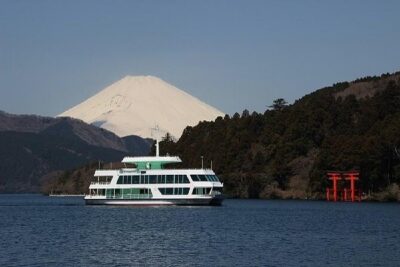 ★ 4.0Mt Fuji & Hakone Cruise, Drum Show Bullet Train 1 Day from TokyoFrom $1497,413 reviews
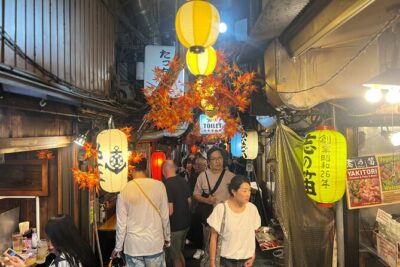 ★ 5.0Shinjuku Food Tour (13 Dishes at 4 Local Eateries)From $866,603 reviews
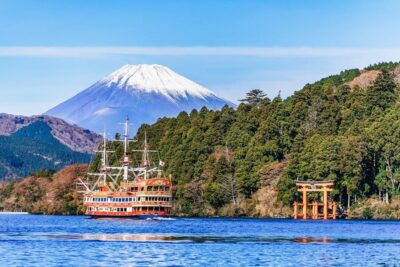 ★ 4.4Tokyo Mt Fuji 5th St & Hakone Cruise Bus Tour w/Bullet TrainFrom $1545,024 reviews
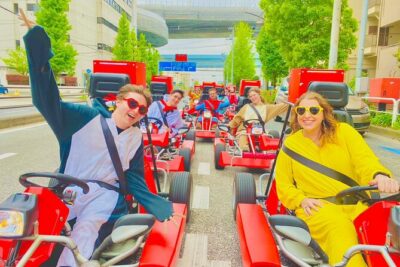 ★ 5.0Flagship 2-Hours Official Street Go-Kart Tour – Tokyo Bay ShopFrom $644,974 reviews
 ★ 4.5From Tokyo: Mount Fuji Full-Day Sightseeing TripFrom $684,970 reviews