
Review · TOKYO CITY TOURS
Tokyo: TOKYO SKYTREE® Admission ticket
Tokyo Skytree makes the city feel tiny.
With this ticket, I love the Tembo Deck 360-degree views and the chance to step over the Floor 340 glass flooring where you can look straight down.
One catch: your view depends a lot on weather and haze, so you may not always see far-off landmarks like Mount Fuji.
If you want even more height, you can add access to the Tembo Galleria at 450m for a spiral ramp experience and extra skyline angles. And when you are done with the decks, Tokyo Skytree Town (Solamachi) is right there for food and browsing.
Key highlights you should plan around

- Tembo Deck at 350m: big, circular platform with views on all sides
- Tembo Galleria at 450m: a long sloping spiral ramp for dynamic city views
- Floor 340 glass flooring: look straight down for a quick, stomach-friendly thrill
- 360-degree photo opportunities: Sumida River, Tokyo Dome, Tokyo Bay, Tokyo Tower, and sometimes Mount Fuji
- Skytree Café on Floors 350 and 340: highest café option plus a more relaxed seating break
- Tokyo Skytree Town (Solamachi): 300 shops and restaurants to extend the day
Tokyo Skytree Admission: what $13 really buys you
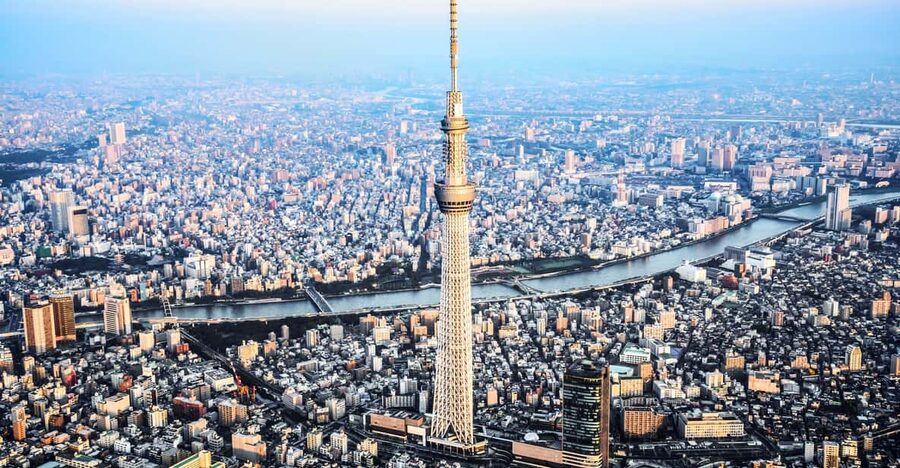
For around $13 per person, you are buying a straightforward way to ride up to Tokyo’s signature tower and see the city from serious height. The core value is that you get admission to the Tembo Deck (350m), where the platform is designed for wide, all-around viewing.
If you choose the option with Tembo Galleria, you upgrade your experience by going higher and changing how you view Tokyo. Instead of just standing and looking, you get that sloping spiral ramp at 450m, which changes the angle of the skyline and makes photos feel more layered.
This is not a half-day circus. You can take it slow, do your photos, then still have time to enjoy Solamachi downstairs. The tower experience is built for wandering, not rushing.
Getting inside fast: the 4th-floor voucher swap
Your voucher is exchanged at the ticket counter on the 4th floor of Tokyo Skytree. In practice, this is usually the make-or-break step for keeping the day calm, because if you go hunting for the right entrance at the last second, you will feel it.
Have your voucher ready, then head to that 4th-floor exchange point. The whole process is staffed with English and Japanese support (a plus if you want help finding the right line or the correct counter).
One practical tip: give yourself buffer time. Even if the ticket process is smooth, you can still encounter queues for the elevators after you are past the ticketing step.
Tembo Deck (350m): the best first impression of Tokyo
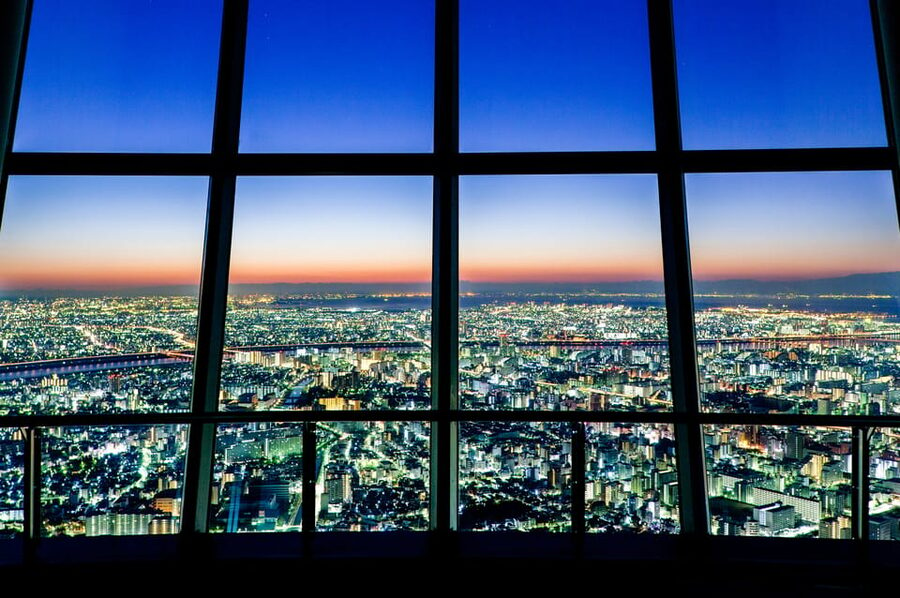
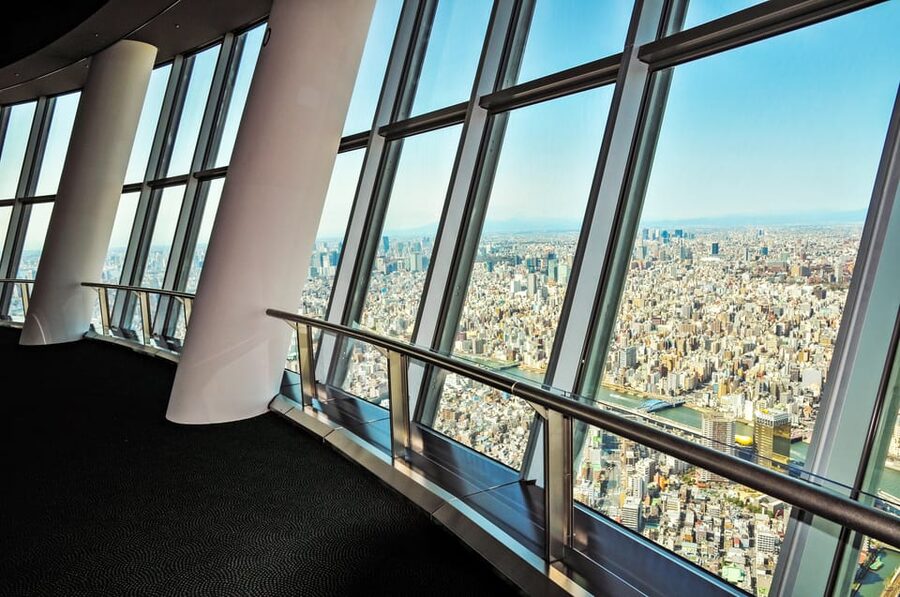
The Tembo Deck experience starts with the elevator ride that brings you up to about 350m (the Tembo Deck is listed as 350m). You arrive at a large circular observation space with windows all around, so you are not stuck facing one direction.
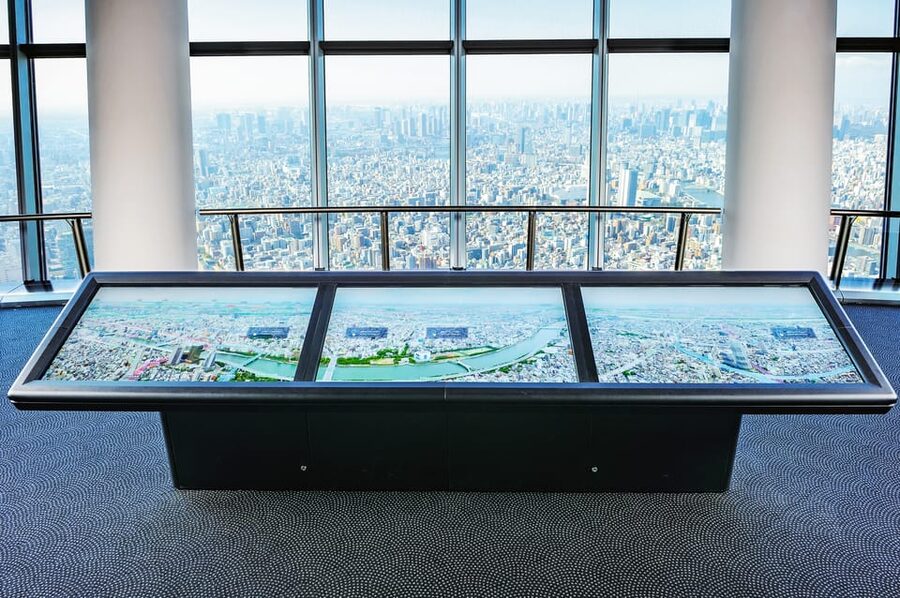
I like this layout because it keeps your viewing flexible. You can start with the Sumida River, then swing around toward Tokyo Dome, Tokyo Bay, and Tokyo Tower. Interactive displays also help you identify big landmarks, including the possibility of seeing Mount Fuji on clearer days.
If you are the type who likes to orient yourself, this deck is ideal. At this height you can often understand how neighborhoods connect, not just how pretty they look. Tokyo can be hard to “read” at street level, and the Tembo Deck helps you get your bearings fast.
What to watch for: visibility. Several people note that clouds and haze can limit the far distance. On the right day, it is thrilling. On a poor visibility day, you still get city depth, just not the extra wow factor of distant peaks.
Tembo Galleria (450m): the spiral ramp that changes your photos
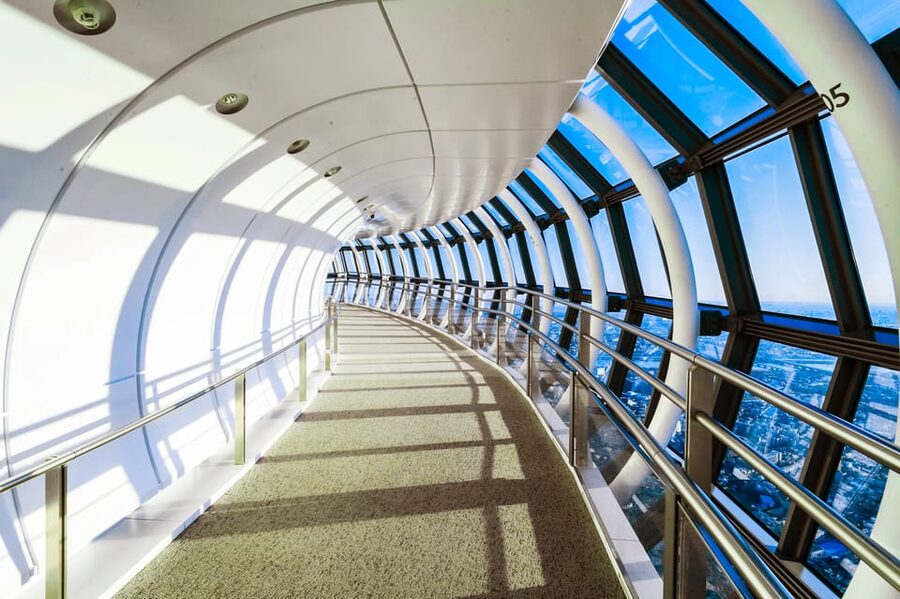
If you add the Tembo Galleria, you go up again to about 450m (the viewing space is listed at 450m). The Galleria is where the experience shifts from static viewing to motion.
Instead of standing in one spot, you walk along a long, sloping spiral ramp. That matters for photography and sightseeing because your view gradually changes as you move. It also helps prevent the “I stared at the same skyline for 20 minutes” problem.
The best part of the Galleria for most people is that it adds another “wow layer” without requiring a whole separate outing. It is still the same tower, just a higher and more dynamic angle on the city.
A balanced thought: if you are paying extra for the upgrade, your decision should come down to how much you value higher angles and the novelty of the spiral ramp. Some people love the additional views, while others feel the core Tembo Deck view already covers most of what they came for. If your priority is classic skyline viewing, the Tembo Deck alone can be plenty.
Floor 340 glass flooring: fun, fast, and a little dizzying
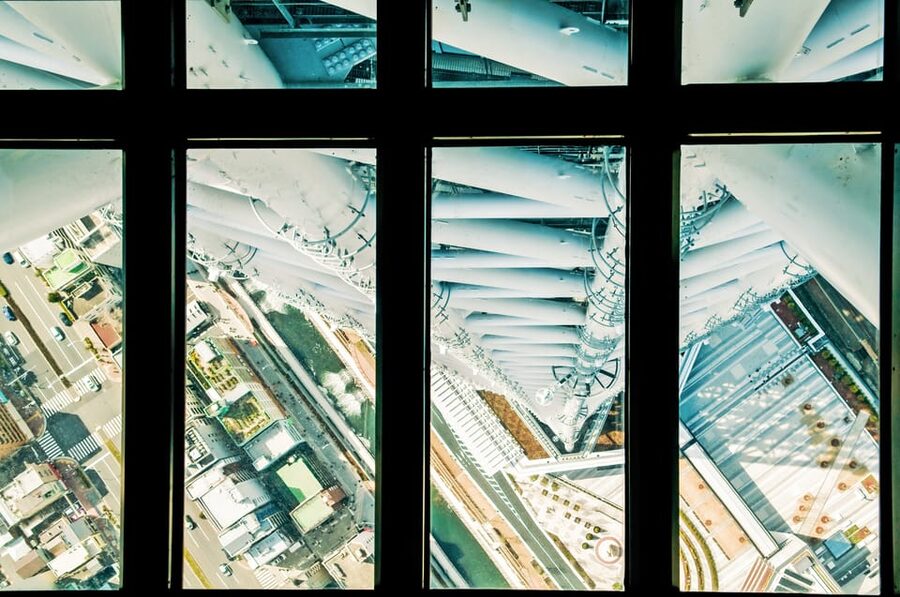
On your way down, you pass through Floor 345 (with shops) and then you reach the highlight spot on Floor 340: a section of sturdy glass flooring that lets you look straight down.
This is not a long, complicated attraction. It is a short moment that delivers a quick jolt. If you are not a fan of heights, you will still likely manage it, but it can feel intense because it is direct downward viewing.
One thing to know is that glass flooring experiences vary in how exciting they feel. For some people it is a top memory. For others it is brief, and the main value is knowing you tried it at least once.
If you want to make it easier on yourself, go when the area is not overcrowded. Stand calmly, take your photo, then move on before you spend too long psyching yourself up.
Elevator queues: what to expect even when you skip ticket lines
This ticket includes skipping the ticket line, which helps. But it does not mean you never wait at all. You may still queue to ride up to the first deck, and you can also see waiting again when descending.
The good news is that the elevator operation is described as efficient and smooth, and staff are used to directing crowd flow. If you want the shortest waits, choose a time when the tower is less packed, like earlier in the day or after the peak rush.
If you are visiting for sunset or night skyline shots, plan on more people. You can still have a great experience, but you should expect a bit more time spent in circulation.
Skytree Café on Floors 350 and 340: a break with skyline views
Observation decks are fun, but they can also turn into a photo marathon. The Skytree Café helps you slow down.
There are two café locations inside the Tembo Deck area. Skytree Café 350 is on the 350th floor and is described as Japan’s highest café. Skytree Café 340 sits on the 340th floor and offers seating for 64 guests.
I like this setup because it gives you options depending on your mood. If you want a quick drink with the best altitude, Café 350 fits. If you want to sit for a bit and catch a breather without rushing, Café 340 can feel more comfortable.
The café is also a practical plan when visibility is mixed. If the skyline is hazy, a seated break keeps the experience enjoyable rather than frustrating.
Tokyo Skytree Town (Solamachi): the day does not end at the decks
Once you come back down, you are not stuck with just stairs and exits. Tokyo Skytree Town, also called Solamachi, is directly connected and filled with choices.
The complex includes 300 shops and restaurants, plus a planetarium. That makes it easy to extend your visit into an actual day instead of treating Skytree like a quick stop.
If you want a simple plan: finish the decks, then eat something at the tower complex, then browse shops for souvenirs you can actually carry home easily. It also gives you a nice option if the weather shifts, since you still have plenty to do indoors.
Best time to visit: sunset vs night vs morning haze
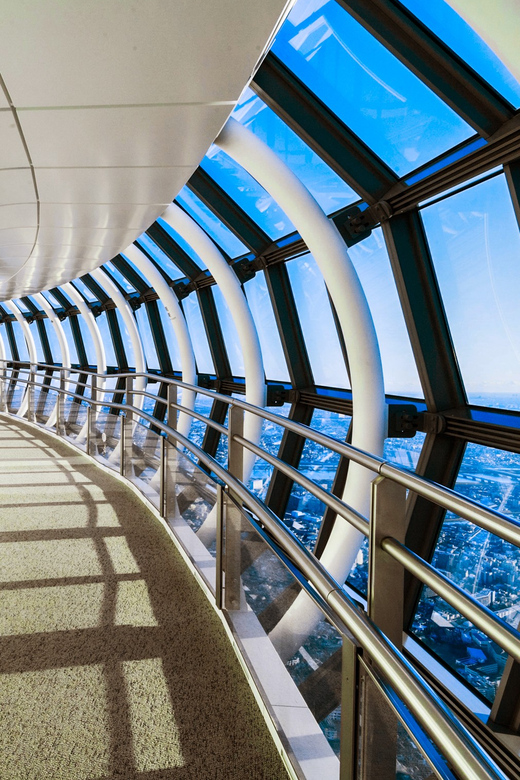
Timing can change everything at an observation deck. Many people focus on night skyline because Tokyo’s lights turn the city into a glowing grid. If you want that effect, aim for late afternoon, so you can catch the color shift and then the full night view.
Sunset is also the best “two-for-one” approach, because you get daylight context first, then the lights come on. Some people specifically recommend the 16:30 kind of window for that transition.
Morning visits can be calmer. If you go early, you are more likely to find fewer crowds at the decks, which means easier photo positioning. The tradeoff is visibility can sometimes be hazy, depending on the day.
If your dream is seeing Mount Fuji, you should treat it as a bonus, not a guarantee. Your odds improve when the air is clear, and the farther view depends heavily on weather.
Is the Galleria upgrade worth it?
Here is the decision logic I would use.
Choose Tembo Deck only if you want:
- the classic 360-degree viewing experience at 350m
- the best baseline value of your ticket
- time for café and Solamachi without rushing
Choose Tembo Galleria if you want:
- extra height at 450m
- the spiral ramp experience that changes your viewing angle while you walk
- more chances to photograph the skyline from different levels
If you hate crowds, you may prefer the Tembo Deck approach and use your time elsewhere. The Galleria can be amazing, but the extra walking and additional time on the deck may feel like “more of the same” if you already fell in love with the 360 views below.
A good rule: if you are spending real money on a single skyline viewpoint, add the part that gives you a distinct experience, not just extra standing.
Who should book this Skytree ticket?
This is a great fit if you want:
- one iconic Tokyo landmark with serious heights
- an easy, well-marked experience with English and Japanese support
- 360 views without complicated logistics
It is especially good for first-time Tokyo visitors who want to understand the city’s shape quickly. If you like photo walks and skyline breaks, this fits your style.
If you have limited time, this is still a strong pick because it is a compact, 1-day experience with a clear route. If you have all day, the tower and Solamachi connection lets you build a fuller day.
If you are sensitive to heights, you will still enjoy the elevator ride and most of the deck viewing. The only “hard choice moment” is the glass flooring on Floor 340, where you can decide how close you want to get.
Should you book this Tokyo Skytree ticket?
Yes, you should consider booking if you want an efficient, high-impact view that feels very Tokyo. For the price, the Tembo Deck at 350m alone gives you the kind of skyline context that is hard to get anywhere else.
Book the optional Tembo Galleria if you love photos and you want a second, different angle experience at 450m. If you are booking late in the day for sunset or night, the upgrade can also feel more worthwhile because every new angle helps you make the most of lighting changes.
Skip the extra if you mainly want a beautiful 360 view, plus an easy break and shopping time afterward. In that case, focus on enjoying the Tembo Deck, café stops, and Solamachi, and keep the glass-floor moment as your quick thrill.
FAQ
How much does the Tokyo Skytree admission ticket cost?
The price is listed as $13 per person.
What is included with this admission?
The ticket includes admission to the Tembo Deck (350m).
Is access to Tembo Galleria included?
Access to the Tembo Galleria (450m) is included only if you select the option that includes it.
Where do I exchange my voucher and collect the ticket?
You exchange your voucher at the ticket counter on the 4th floor of Tokyo Skytree and collect the admission ticket on the day of your visit.
How long is the activity valid?
It is listed as valid for 1 day, based on availability for starting times.
Does this include skipping the ticket line?
Yes, this activity includes skipping the ticket line.
Is the ticket refundable?
No, the activity is listed as non-refundable.
Tokyo City Tours, side by side.
 ★ 5.01-Day Tokyo Bus TourFrom $12914,250 reviews
 ★ 4.6teamLab Planets TOKYO Digital Art Museum Entry TicketFrom $259,779 reviews
 ★ 4.0Mt Fuji & Hakone Cruise, Drum Show Bullet Train 1 Day from TokyoFrom $1497,413 reviews
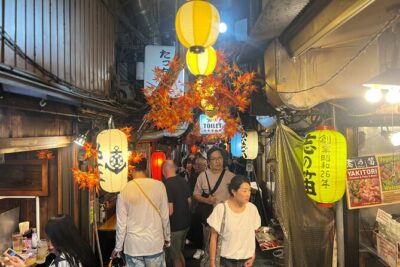 ★ 5.0Shinjuku Food Tour (13 Dishes at 4 Local Eateries)From $866,603 reviews
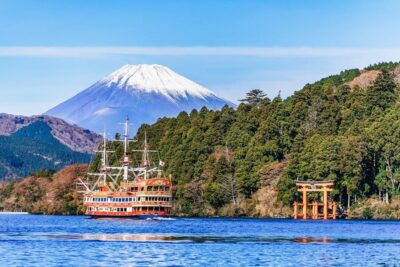 ★ 4.4Tokyo Mt Fuji 5th St & Hakone Cruise Bus Tour w/Bullet TrainFrom $1545,024 reviews
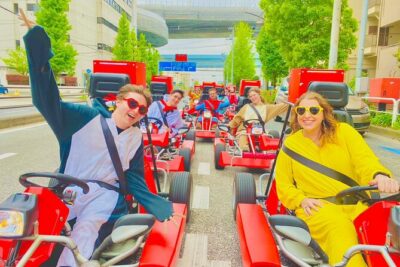 ★ 5.0Flagship 2-Hours Official Street Go-Kart Tour – Tokyo Bay ShopFrom $644,974 reviews
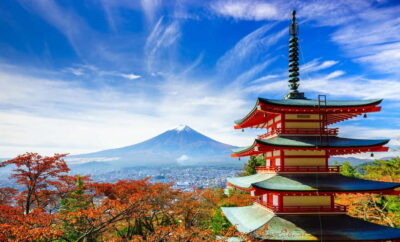 ★ 4.5From Tokyo: Mount Fuji Full-Day Sightseeing TripFrom $684,970 reviews
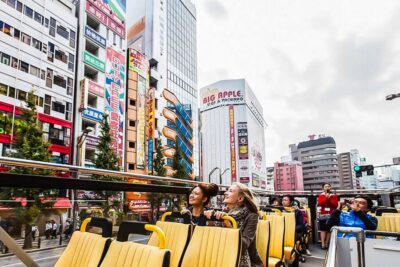 ★ 3.9Hop-On Hop-Off Sightseeing Bus TicketFrom $304,207 reviews