
Review · TOKYO CITY TOURS
Tokyo: Hop-On Hop-Off Sightseeing Bus Ticket
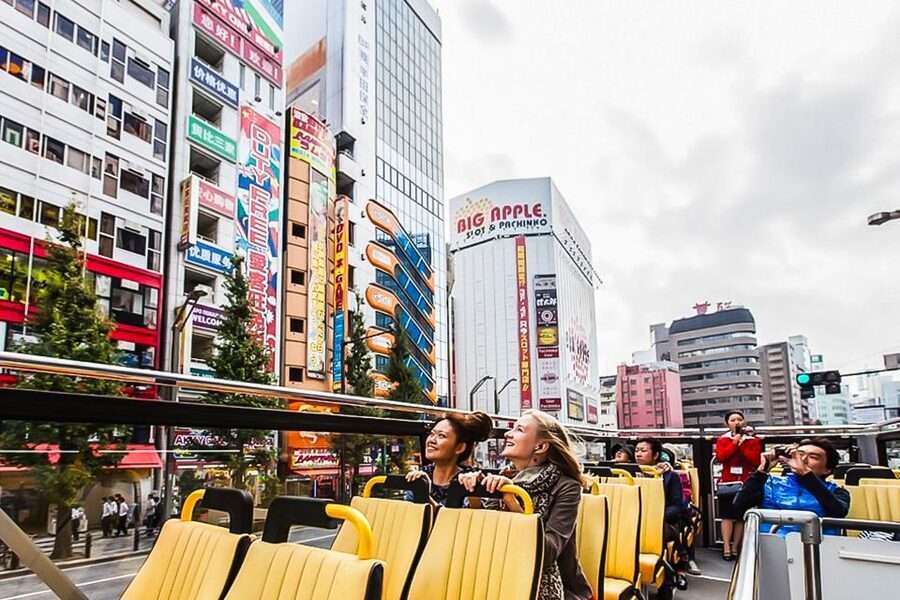
Tokyo is big, and this bus helps you tame it fast. With an open-top ride, you get panoramic views while the commentary matches the sights as you pass them. It is also one of those practical Tokyo tools, especially when you want to build a day plan without overthinking transit.
I like two things most. First, the unlimited hop-on hop-off access across all routes is perfect for picking what you care about, then coming back later. Second, the audio guide on your own device gives you flexibility, since you can use 10 languages and listen at your own pace.
One heads-up: this is open-air with no air-conditioning, so hot afternoons and humid weather can feel rough. You are also limited to seats on the second floor, and standing is not allowed while the bus is moving, so you will want to choose your spot early.
Key Things to Know Before You Ride
- Unlimited route access means you can skip what bores you, then return when you have time.
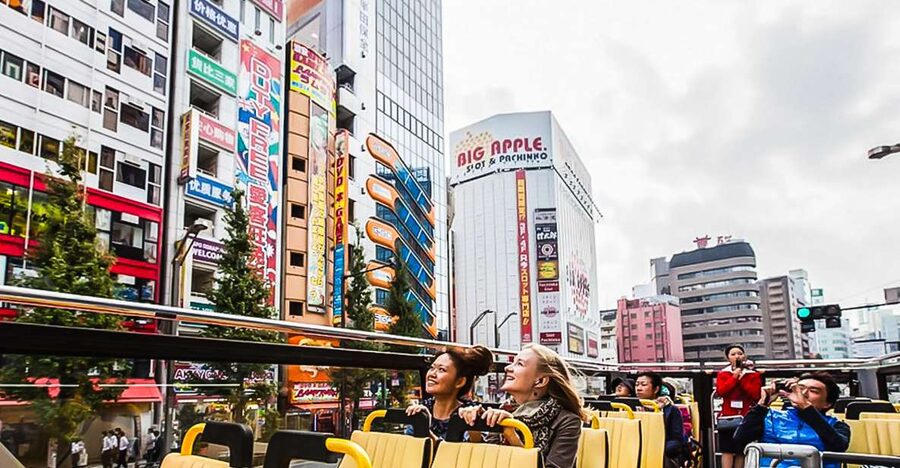
- Open-top views make Tokyo feel closer, especially on routes that go through wide roads and bridges.
- Phone-based audio (10 languages) works best with your own device and earphones, plus whatever data connection you already have.
- Practical stop planning helps, because bus timing depends on traffic and the gaps between buses can be longer than you expect.
- Weather rules matter (no umbrellas on board, rain ponchos may be handed out), and severe weather can cancel service.
Why This Open-Top Hop-On Hop-Off Works in Tokyo

Tokyo moves fast, but your sightseeing plan does not have to. This Sky Hop Bus ticket is designed around the same simple idea you want on Day 1: ride, look, hop off, explore, then reboard when you are ready. The open-top setup gives you sky lines and street views that you just do not get from a subway window.
The unlimited access across routes is the real advantage. You are not stuck doing everything in one sprint. If you want more time in Asakusa or you decide to save Shinjuku for later, you can.
And unlike some hop-on hop-off systems that feel like a blur, this one is built around named routes that hit major districts. You will hear commentary that connects to the passing landmarks, so you get context even when you stay seated.
More Tokyo tours and experiences for the shortlist

Price and Value: When This $30 Ticket Makes Sense
At about $30 per person (for 1 to 2 days), this is not the cheapest way to get around. But it can be good value when you use it as an orientation tool plus a transport shortcut.
Here is the value math that usually works for people:
- If you ride more than one route, you basically turn a single ticket into multiple themed city tours.
- If you get off at the right time, you can reduce the amount of backtracking that costs time in Tokyo.
- If you are only here briefly, the bus can cover Tokyo landmarks in a way that feels efficient without you needing to design a perfect train route.
Two-day tickets tend to fit well if you like choices. You can do one day for bearings, then focus on the areas that grabbed you the most the next day. If you are a steady walker and you know exactly what you want (Skytree now, Tokyo Tower after), one day might be enough.
Getting On, Getting Around: Mitsubishi Building and QR Boarding
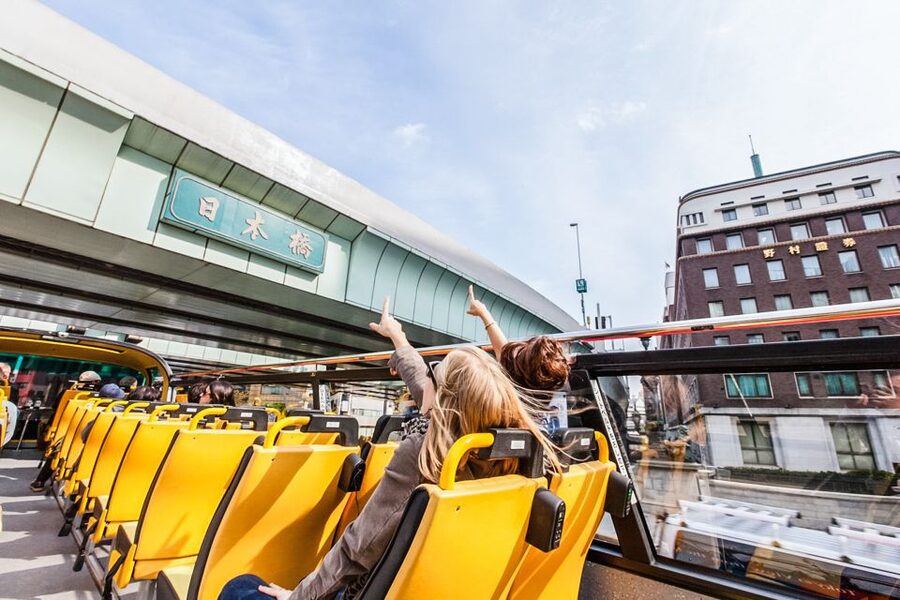
Your meeting point is in front of the Mitsubishi Building. That is your simplest move if you want to start strong. If you are already near a stop later, you can also board from bus stops using the QR code sent to you on the voucher.
That QR detail matters in Tokyo. Stops are scattered, and having the option to board at other points keeps the day flexible. Still, give yourself a little buffer. Buses run on their schedule, and timing can shift with traffic.
Also note that if there are no free seats, you do not get forced onto the next option. You just board the next bus. That is normal for a popular hop-on hop-off format, but it is smart to arrive early at busy times.
Audio Guide on Your Phone: The Best Setup and Common Pitfalls
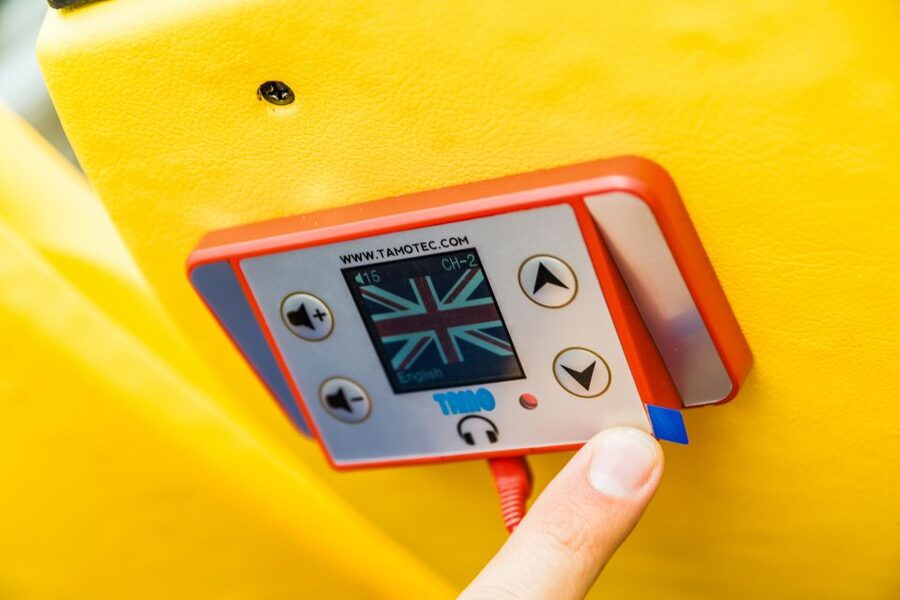
Sky Hop Bus uses two audio approaches, depending on the bus: a vehicle-mounted audio system may be available on some buses, and a bring-your-own-device system is available on others.
For the phone system, the audio supports 10 languages: Japanese, English, Korean, Chinese, French, German, Spanish, Thai, Vietnamese, and Indonesian. You bring your own smartphone or tablet and earphones. Data charges may apply, so if you are data-sensitive, consider checking your phone plan before you go.
Two practical notes from how this works in real life:
- If your device audio cuts out or you struggle with syncing, it can be because you are relying on signal or settings. Do a quick test before you board.
- The vehicle-mounted audio is listed as possibly not available on some buses, so have your phone ready even if you think you will hear it on the bus.
One more thing: the recording is generally in sync with the route stops. That is when the audio guide really shines, because you can listen, look, then hop off with a clearer sense of what you are seeing.
Route 1: Tokyo Skytree Highlights, Asakusa Feel, and Akihabara Energy
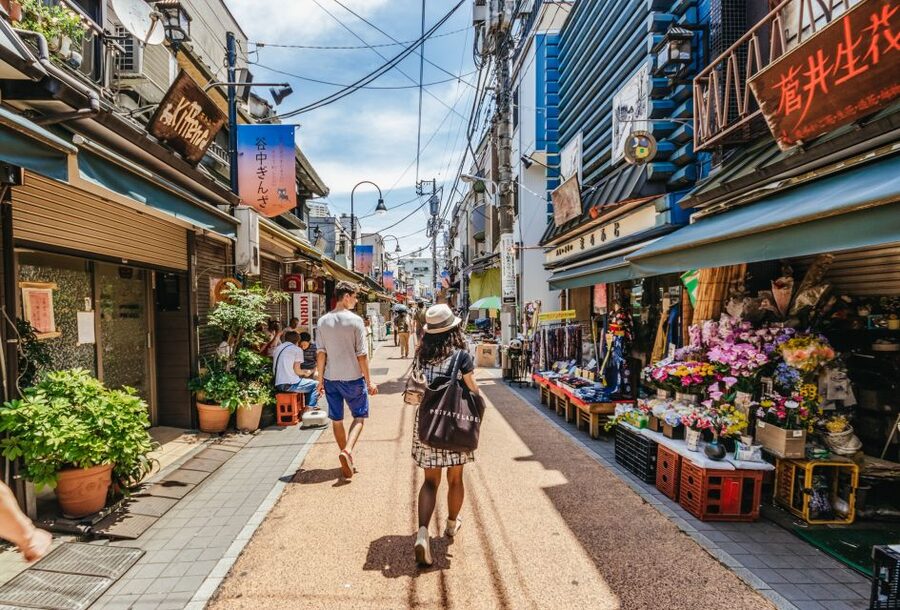
Route 1 runs the Tokyo Skytree course, and it is a nice pick if you want classic Tokyo neighborhoods plus one major icon. It starts at Marunouchi Mitsubishi Building, then strings together key areas like Kodemmacho, Ryogoku, and Ueno before ending up around Akihabara and back toward Marunouchi.
Key stops and what they mean for you:
- TOKYO SKYTREE Station: This is where the centerpiece is. Even if you do not go up, the area gives you a sense of the modern-skyline side of Tokyo.
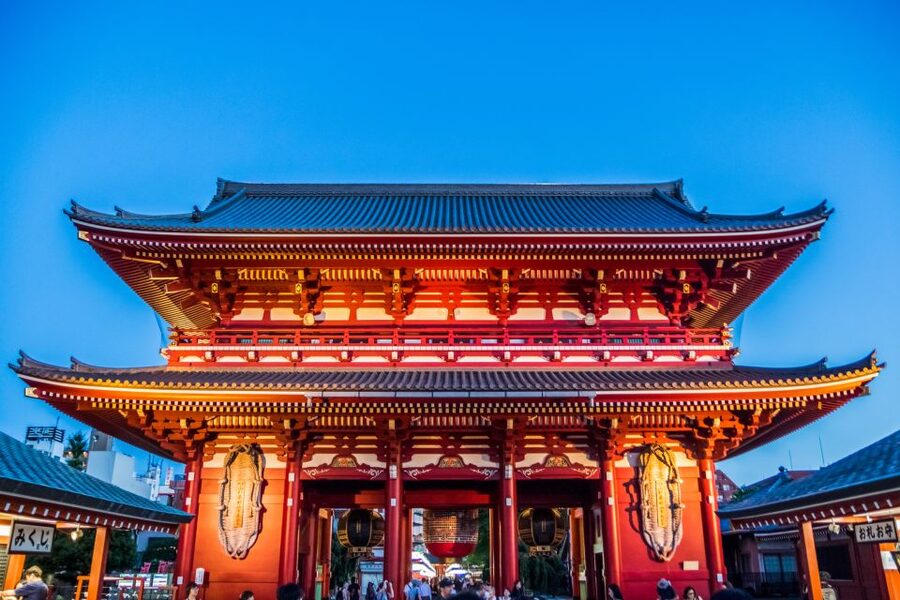
- Asakusa (Hanakawado, Tawaramachi): This is a calmer, more traditional-feeling pocket compared with the flashier districts. Asakusa is also a smart place to plan an afternoon break.
- Ueno Matsuzakaya area: Ueno is a good mid-route anchor if you want shopping and museum-area atmosphere nearby.
- Akihabara (Suehirocho): If you want electronics, games, anime culture, or just colorful street energy, this is your side of Tokyo.
A small strategy that helps: if you care about Skytree plus one neighborhood, do not hop off at every single stop. The bus is most valuable when it protects you from Tokyo distance. Pick your top two or three, then commit.





Route 2: Tokyo Tower, Tsukiji, and Ginza in One Smooth Loop
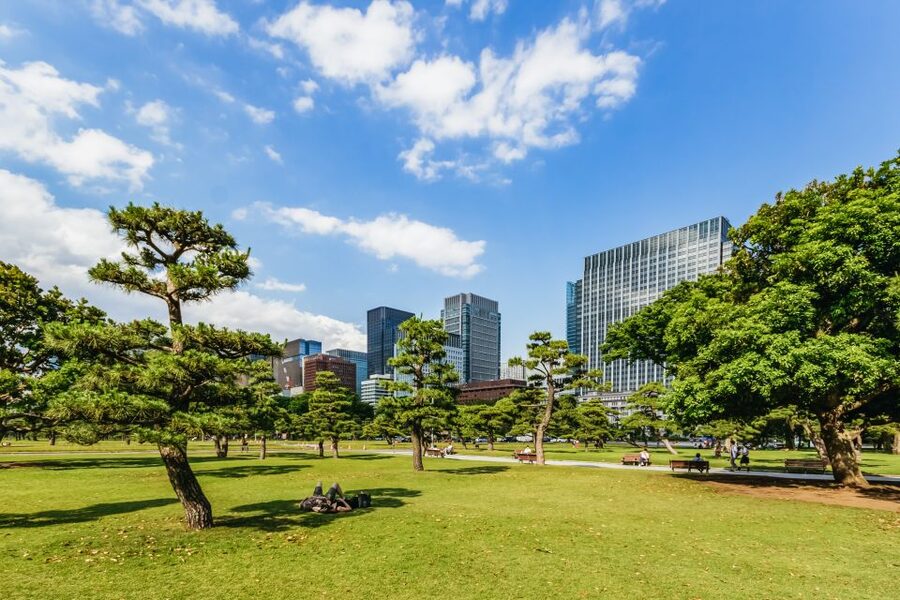
Route 2 is the Tokyo Tower, Tsukiji Ginza course. It is built for first-timers who want the famous skyline view plus a peek at the historic market area and the classic shopping district vibe.
Stops worth your attention:
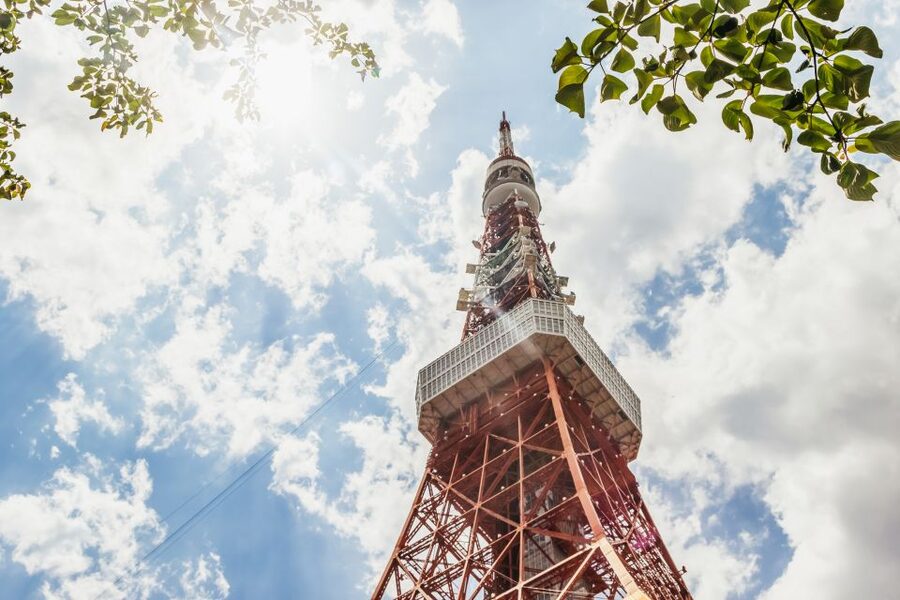
- Tokyo Tower: This is the obvious highlight, and you will get big-city views on the ride even before you arrive.
- Zojo-ji Temple area (Tokyo Prince Hotel/Zojo-ji Temple stop): Tokyo Tower is visual, but Zojo-ji gives you a more grounded side of the neighborhood.
- Tsukiji Ginza: This connects you to the food-and-stroll axis that many people want when they visit Tokyo.
- Ginza area returning toward Marunouchi: Ginza is often where shopping, department stores, and polished city blocks kick in.
One reason I like this route is the mix of moods. You can start with a landmark, then hop off for an area where you can wander without needing to plan every minute.
Route 3: Shinjuku, Shibuya, Harajuku, and Meiji Jingu Area
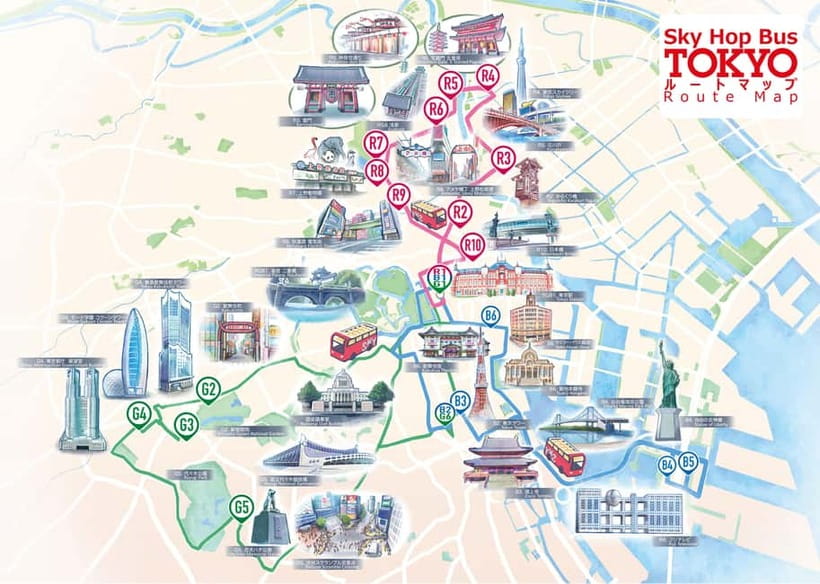
Route 3 covers the Shinjuku Shibuya course. If Tokyo for you means crowds, architecture, youth culture, and big-street energy, this is your lane.
It includes:
- Shinjuku-gyoemmae Station area
- Shinjuku Station South Exit, and a stop near Hotel Century Southern Tower
- Shinjuku Mitsui Building (Nishi-Shinjuku)
- Shibuya City Hall / Harajuku / Meiji Jingu Shrine area
What this means in plain terms:
- Shinjuku is a transport hub plus a skyline district. You will likely find it useful as a jumping-off point.
- Shibuya is the crowd magnet. Even if you do not shop, it is worth seeing at least once.
- Harajuku is the fun, trend-driven side people associate with youth fashion streets.
- Meiji Jingu Shrine area is the counterbalance. It helps Tokyo feel less like a machine.
This route is also a strong candidate if you want to do your second day with focus. Do one hop-off around Shibuya or Harajuku first, then return later for the shrine area when you want a calmer break.
Timing, Heat, and Bus Frequency: What Can Make or Break Your Day
This is where you should set expectations. The buses can be regular, but there may be longer waits between buses. Some riders noted gaps on the order of 30 to 45 minutes. If you plan a tight schedule, that wait can change your rhythm.
Traffic congestion can also delay the bus, so treat the loop times as estimates, not guarantees. If you want to stay stress-free, start early and build a loose plan.
Now, the big physical reality: no air-conditioning and open-air seating. Passenger seats are on the second floor, and the first floor is for storage. Standing is prohibited while the bus is in motion. In peak summer heat, you might feel it fast, even if the ride is short.
The good news is they do address weather. Raincoats may be distributed if needed, and umbrellas on board are prohibited. That combination tells you the bus is geared for light rain and quick weather changes, not for full storm conditions. If the weather is severe, service may not operate at all, so keep an alternate plan in mind.
Also, if you want photos, know that wind can be noticeable on open-top segments, especially on bridges. It is not a reason to skip. Just treat it like wind in a sailboat, keep your hair situation handled, and hold your phone steady.
Turning Route Views Into a Real Itinerary
The hop-on hop-off part is transport plus a sightseeing preview. Where you win is after you hop off.
My best approach:
- Ride the route once to learn the geography. Where does Skytree sit relative to Asakusa? How does Tokyo Tower line up with Ginza?
- Pick one anchor area per route. For Route 1, Asakusa or Akihabara. For Route 2, Tsukiji or Ginza. For Route 3, Shibuya or Meiji Jingu area.
- Then explore on foot or with the nearby rail connections you already planned for that day.
One practical tip: if you hop off mid-route, take a picture of the stop timetable and pinpoint it on your maps. Missing a connection can happen, and it is far less painful when you know exactly when the next bus should arrive at that stop.
Finally, think about time of day. One route can be stunning after dark, with city lights coming on. If you are choosing between day and evening, dusk can give you the best mix of views plus calmer temperatures, depending on the season.
Should You Book Sky Hop Bus for Your Tokyo Days?
Book this if you fit at least one of these:
- You are short on time and want a fast orientation across major districts.
- You want unlimited flexibility, not a rigid guided tour.
- You are okay with open-air comfort tradeoffs and can plan around heat or rain.
- You prefer listening while you ride, and you want audio in many languages on your own device.
Skip it or switch strategies if:
- You hate waiting between buses and you need precise timing minute by minute.
- You will be traveling in intense heat and open-top seating will be a dealbreaker for you.
- You want deep, ticketed experiences at each stop. This is best as a transport and sightseeing overview layer, not a museum-by-museum plan.
If you want the simplest win, do one route in the morning, hop off where the vibe matches you, then return later using the same ticket. That is the sweet spot for this kind of Tokyo hop-on hop-off.
FAQ
Where is the meeting point for the Tokyo hop-on hop-off bus?
The meeting point is in front of the Mitsubishi Building. You can also board directly from bus stops using the QR code sent on your voucher.
Can I use the hop-on hop-off ticket at multiple stops and routes?
Yes. Your ticket provides unlimited access to the available routes, and you can hop off and back on when you want.
Do I need my own smartphone for the audio guide?
For the bring-your-own-device audio guide system, yes. You also need earphones. Data charges may apply and are your responsibility.
Are there languages available on the audio guide?
The phone-based audio guide supports 10 languages, and the audio guide included also lists Spanish, Chinese, English, French, German, Japanese, and Korean. Some buses may have a vehicle-mounted system with fewer languages.
Is the bus air-conditioned?
No. The bus is open-air and there is no air-conditioning.
Are umbrellas allowed on the bus?
No. Umbrellas are prohibited on the bus. Raincoats may be distributed if needed.
What happens if the weather is severe?
If weather is severe, such as typhoons or thunderstorms, the tour may not operate.
More Tickets in Tokyo


More Tour Reviews in Tokyo
Not for you? Here's more nearby things to do in Tokyo we have reviewed












Tokyo City Tours, side by side.
 ★ 5.01-Day Tokyo Bus TourFrom $12914,250 reviews
 ★ 4.5TOKYO SKYTREE® Admission ticketFrom $1311,192 reviews
 ★ 4.6teamLab Planets TOKYO Digital Art Museum Entry TicketFrom $259,779 reviews
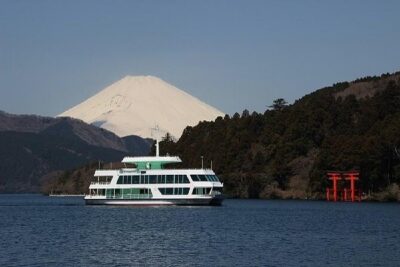 ★ 4.0Mt Fuji & Hakone Cruise, Drum Show Bullet Train 1 Day from TokyoFrom $1497,413 reviews
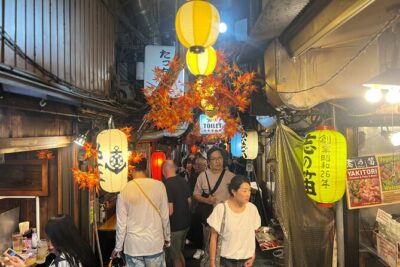 ★ 5.0Shinjuku Food Tour (13 Dishes at 4 Local Eateries)From $866,603 reviews
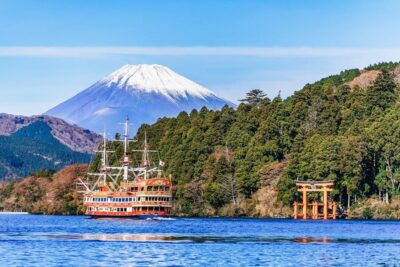 ★ 4.4Tokyo Mt Fuji 5th St & Hakone Cruise Bus Tour w/Bullet TrainFrom $1545,024 reviews
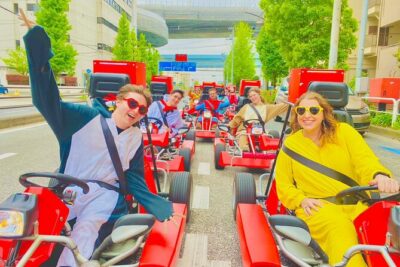 ★ 5.0Flagship 2-Hours Official Street Go-Kart Tour – Tokyo Bay ShopFrom $644,974 reviews
 ★ 4.5From Tokyo: Mount Fuji Full-Day Sightseeing TripFrom $684,970 reviews