
Review · MOUNT FUJI TOURS
Tokyo: Mount Fuji 5th Station & Onsen Day Trip
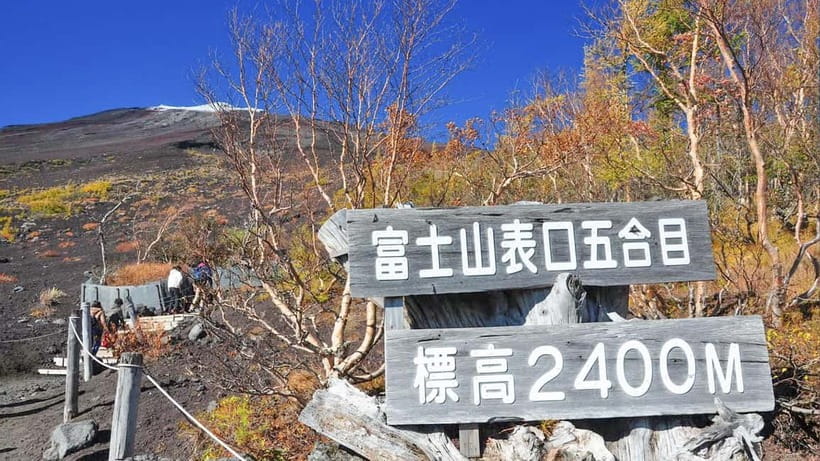
Fuji views, no hike, just relax. I love the mix of Mount Fuji at 2,300 meters and the chance to cool down later in an open-air onsen with mountain views. You also get a full day rhythm, bus ride and photo stops, plus time at Oshino Hakkai, and shopping for volcanic-stone souvenirs.
What I like most is the way the day is designed for “I want Fuji, but I do not want a steep climb.” You start high for postcard photos, then shift into an old-style village stroll at Oshino Hakkai with ponds fed by Mt. Fuji snowmelt, plus local mochi made with Fuji spring water.
The main drawback is that the quality of the “guided” part can vary day to day. The tour is supposed to include a professional guide in English or Chinese, but some experiences can feel more like a tight schedule with limited commentary, and on weekends the onsen can mean longer waits and big crowds.
Key Things I’d Aim For On This Trip
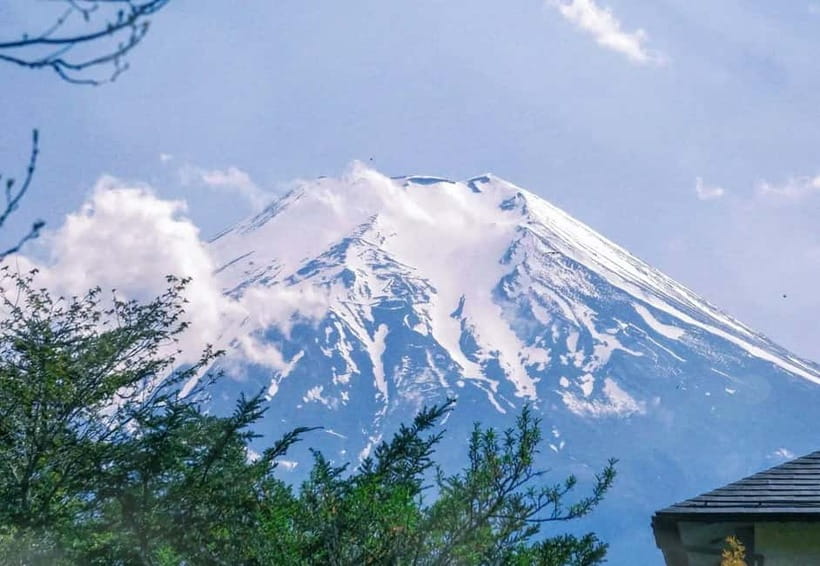
- Mount Fuji 5th Station photo time without hiking, at about 2,300 meters
- Oshino Hakkai’s eight ponds, plus that mochi made with Fuji spring water
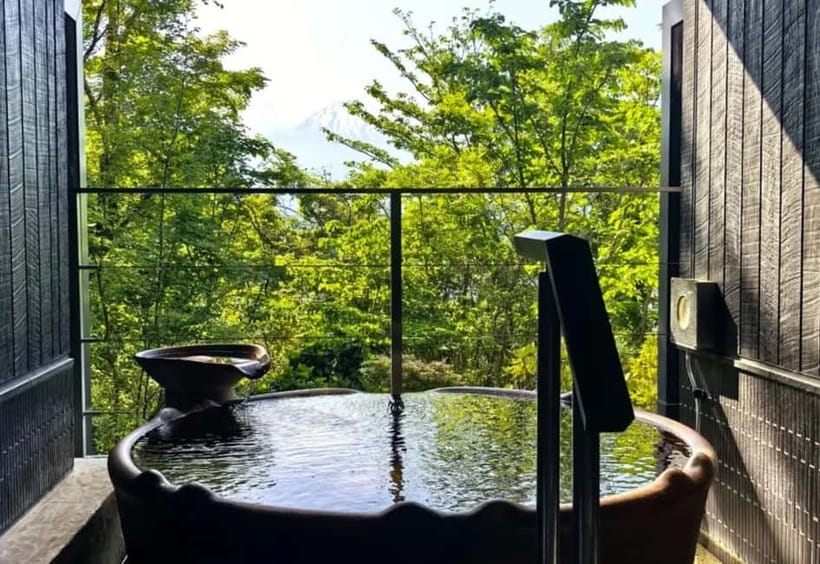
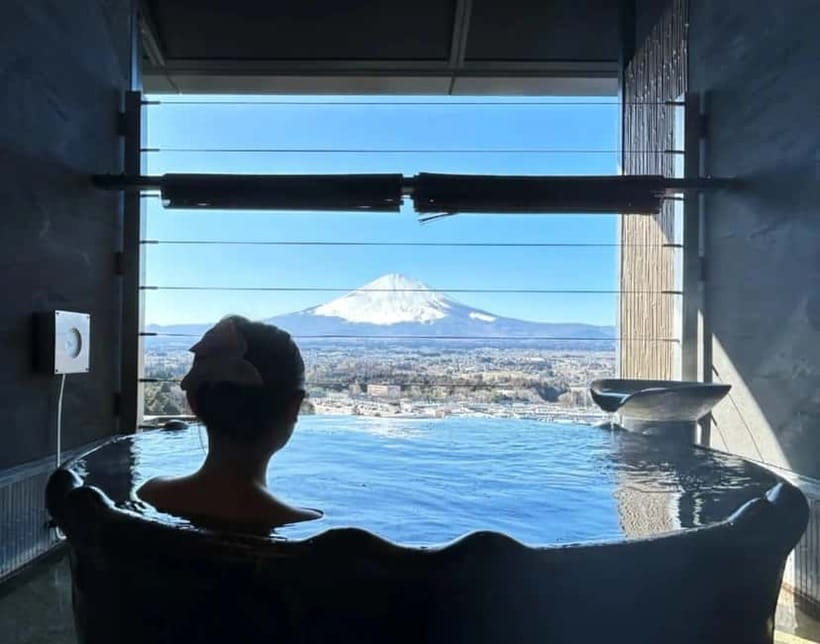
- Konohananoyu Onsen with open-air baths and unobstructed Fuji views
- Volcanic stone souvenirs at the 5th Station, a fun different kind of shopping
- Plan B when 5th Station is closed, switching to Asama Park for classic Fuji views
The Big Idea: A One-Day Fuji Fix from Tokyo
This trip is for anyone who wants the “Mt. Fuji feeling” in a single day, without turning it into a long hike. The route makes smart use of time: you ride out from Tokyo, hit Fuji’s high vantage point, then work your way down through cultural stops and a soak.
At $50 per person, it’s also a value play, because the tour price covers round-trip transfers and a guide. What it does not cover is your meals, onsen fee, and personal spending, so you should budget a little extra depending on how hungry you get and how many souvenirs you can resist.
If weather is clear, this can be a top-tier Fuji day. If not, you still get plenty of stops that make sense even when the mountain is hiding.
You can also read our reviews of more tours and experiences in Fujinomiya.

Getting to Fuji by Bus, and Why That Matters
You leave Tokyo by bus and spend about two hours heading toward Mt. Fuji’s 5th Station. That time is part of the experience, because the goal is panoramic views without the physical challenge of climbing.
Once you arrive, the day immediately shifts into short, timed segments: photo stops, guided moments, and free time blocks. That matters because Fuji photo lighting can be quick changing, and crowds can show up fast. You will want to move promptly when your group returns to the bus meeting point.
Bring the practical stuff: comfortable shoes, sunglasses, water, and a camera. Also pack a light jacket, because it can feel cooler up around the 2,300-meter mark.
Mount Fuji 5th Station at 2,300 Meters, and the Seasonal Catch
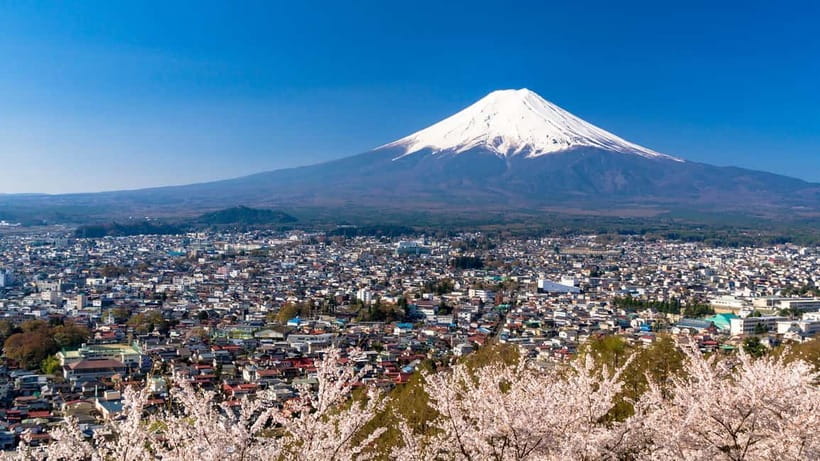
Your headline stop is Mt. Fuji 5th Station, with time to walk around, take pictures, and enjoy a guided tour plus free time. This is where you can get that iconic “so close it feels unreal” look, right up near the high altitude zone.
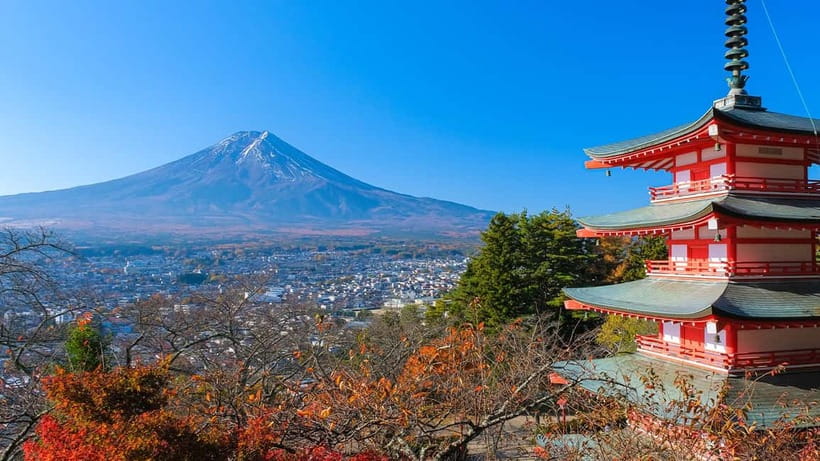
One important detail: Mt. Fuji 5th Station is open from May 10 to November 30. During the other months, the tour does not go to the station, and instead you visit Shinkurayama Asama Park (sometimes written as Shintaku-yama Asama Park). The selling point stays the same: classic Fuji views with traditional Japanese architecture, including a red pagoda view that photographs well.
So, when you book, think of this as a Fuji-view day with a seasonal landmark swap, not a guarantee of being physically at the 5th Station year-round. Either way, you are still designed for photos at altitude, with time carved out to do it calmly.
Oshino Hakkai Ponds, Mochi, and That Easy Stroll Tempo
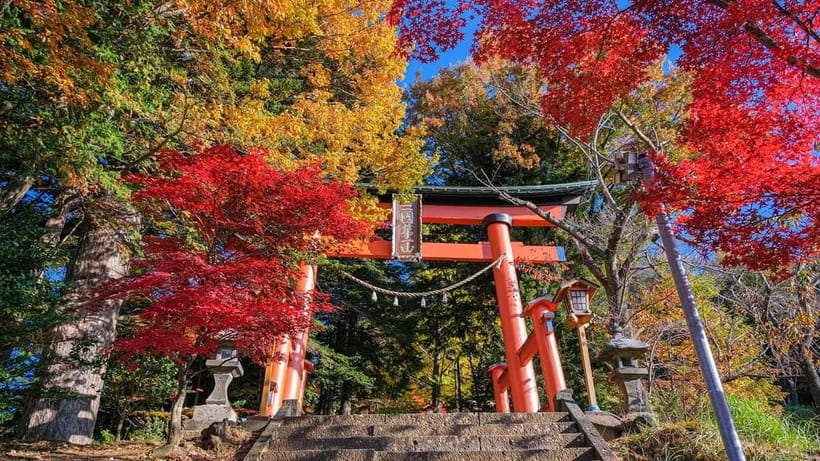
After the Fuji viewpoint stop, you head to Oshino Hakkai, a traditional village known for eight crystal-clear ponds. These ponds are fed by Mt. Fuji snowmelt, which is exactly the kind of simple explanation that makes the water feel special when you see it in person.
The itinerary gives you roughly an hour of walking time at Oshino Hakkai, plus time for photos, visiting, and shopping. It also sets you up to grab lunch and try street food, but remember meals are not included in the tour price, so you pay on your own.
One detail worth seeking out is the mochi made with Fuji spring water. It sounds small, but it’s the kind of food moment that makes a “view day” feel more local and less like a moving photo stop.
The pacing here is a nice reset. You move from thin-air Fuji photos down to a slower village stroll, where you can take a breath and just wander among the ponds and traditional buildings.
Konohananoyu Onsen: Open-Air Fuji Views with Real Rules
Then comes the part most people remember: Konohananoyu Onsen. You get about two hours to relax, with open-air baths designed for unobstructed views of Mt. Fuji. This is where the whole trip feels like a reward, not just transportation to scenery.
A few practical notes matter a lot with Japanese onsen culture.
First, tattoos are a big one. You must cover tattoos, and if you do not, entry can be refused. Second, you bathe nude in onsen facilities, and you should be prepared for that as part of the experience.
You should also expect the bathing area to be separated by sex. One guide-led day note I saw described male and female areas as separate, so plan for that normal setup when you arrive.
On busy days, waiting can be part of the equation. If you go on weekends or national holidays, the onsen can get crowded and lines may form. On those dates, time can feel tighter, so build in patience.
If you want food afterward, there is a rest area where you can eat at your own expense. I also liked the idea that the onsen break can include a comforting, non-rushed end to the day, with options like a warm drink in the rest area depending on what is available.
More Tokyo tours and experiences for the shortlist
Onsen fees and what to bring
The onsen fee is not included, so bring cash. Also bring your basic comfort items, and wear something easy to change out of. In cold weather, you will appreciate having a light layer for after the bath.
Gotemba Premium Outlets as a Date-Dependent Option
If you prefer shopping over soaking, there is a fallback in the plan. From Monday to Friday, you can choose between a visit to Gotemba Premium Outlets or the hot spring experience.
On weekends and Japanese national holidays, the hot spring arrangement may not be available. In that case, the day’s structure may adjust and you might be directed toward nearby shopping options, and you can also be told to inquire in person on your own.
Here’s the practical takeaway: do not assume the onsen will always be your stop. Before you lock in a different schedule that depends on the onsen, confirm which version your date is running.
Even if you do not do the outlet plan, shopping is still part of the day. The 5th Station has its own souvenir rhythm, including items made from volcanic stone, which makes this trip feel more varied than just food and photos.
Tour Pace, Bus Comfort, and Why the Guide Makes or Breaks It
This is a time-managed day. You will have guided touring at key stops, plus free time blocks where you can walk at your own pace. The total “feel” depends heavily on what you get from the guide.
The tour is listed with a live guide in English and Chinese. On some days, that means clear explanations, smart stop tips, and smooth group organization. If you happen to get Lin Tian Anna, the guidance is described as very organized and friendly, with help on how to maximize each stop and where to find good souvenirs.
But there is a downside to consider. Some experiences describe feeling like the guide function was light, with a driver instead and minimal explanation. Others also mention crowded, small-bus discomfort.
What I’d do, as a practical traveler, is treat this as a day with planned stops rather than a deep, slow walking tour. If you want lots of storytelling, you should pay attention to how much commentary your guide is giving on the day.
Also, be serious about meeting times. Tokyo meeting points can be busy, and rushing creates stress fast. One communication problem described late arrivals and changing meeting points. So arrive early, and if you are delayed, communicate quickly using the contact method your day provides.
Price and Value: What You’re Really Paying For
At around $50 per person for a full-day trip, the value comes from the basics: round-trip transfers and a professional guide. Those are expensive to DIY, especially when you factor in how long it takes and how hard it can be to connect between viewpoints, villages, and onsen areas.
Your extra costs are predictable:
- Meals and snacks during free time stops
- Onsen fee
- Personal expenses and souvenirs
So the true cost is $50 plus whatever you spend on food and onsen entry. If you enjoy ramen, street food, and shopping, plan for a higher total. If you go in ready to spend on just one or two small items, you can keep it more reasonable.
Where this trip can be especially good value is if you want a “maximum Fuji, minimum effort” day. The bus takes the climbing out of the equation, and you still get high-altitude photos and the onsen payoff.
Who This Tour Fits Best, and Who Should Skip It
This works best for people who:
- Want Fuji views without hiking
- Like a structured day with short, timed stops
- Plan to shop lightly or moderately for souvenirs
- Are comfortable with onsen culture and the nude bathing requirement
It is not suitable for people who are pregnant, have mobility impairments, use wheelchairs, or are over 70. If you fall into one of those categories, you might need a different style of day trip that is less walking-heavy and less time-pressured.
If you are sensitive to crowds, note that weekends and holidays can be busy. The onsen can mean longer waits, and traffic delays are possible. That does not make the trip bad, but it does mean you should not stack time-sensitive plans right after the tour.
Should You Book This Tokyo to Mount Fuji Day Trip?
Book it if you want a single-day Mt. Fuji plan that does more than just a photo stop. The combination of 5th Station altitude views, Oshino Hakkai ponds, and Konohananoyu open-air onsen is a strong three-part arc. You also get volcanic-stone shopping options, which adds variety.
Skip it if you know you are going to be disappointed by schedule variability or if you want a super detailed, slow, highly narrated experience all day. The guide quality can vary, and on weekends the crowds and waiting can change the mood.
If you do book, go in prepared: bring a light jacket, arrive early for pickup points, and budget extra for meals and the onsen fee. With that approach, this is one of those Fuji days that feels both iconic and practical.
FAQ
How long is the Tokyo to Mt. Fuji day trip?
The duration is 1 day.
What is included in the price?
You get a professional tour guide and round-trip transfers to and from the meet up location.
Is the Mt. Fuji 5th Station stop always available?
Mt. Fuji 5th Station is open from May 10 to November 30. During other periods, the plan changes to Shinkurayama Asama Park instead.
What are the main stops during the day?
The day includes Mt. Fuji’s 5th Station (or Asama Park when closed), Oshino Hakkai, and Konohananoyu Onsen, depending on the day’s arrangement.
How long do I spend at Oshino Hakkai and Konohananoyu Onsen?
You have about 1 hour at Oshino Hakkai and about 2 hours at Konohananoyu Onsen.
Are meals included?
Meals are not included. There is time for lunch and snacks at your own expense.
How do onsen rules work for tattoos?
Tattoos must be covered. If tattoos are not covered, entry to the onsen will be refused.
Do I have to bathe nude at the onsen?
Yes. Japanese onsens require nude bathing, and this is at your own expense.
What should I bring for the tour?
Bring comfortable shoes, sunglasses, a camera, water, comfortable clothes, cash, and a light jacket for cooler temperatures at altitude.
Is this tour suitable for everyone?
No. It is not suitable for pregnant women, people with mobility impairments, wheelchair users, or people over 70. Children aged 0 to 3 may join, but you must consult customer service in advance.
More 1-Day Tours in Fujinomiya
More Tour Reviews in Fujinomiya
Not for you? Here's more nearby things to do in Fujinomiya we have reviewed

Mount Fuji Tours, side by side.
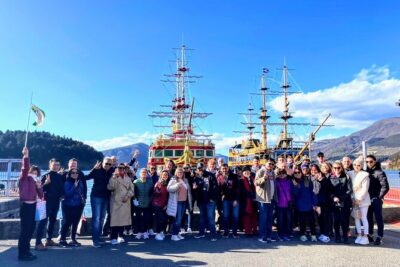 ★ 5.0Mt Fuji and Hakone 1-Day Bus Tour Return by Bullet TrainFrom $16326,383 reviews
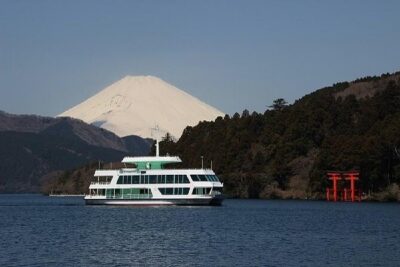 ★ 4.0Mt Fuji & Hakone Cruise, Drum Show Bullet Train 1 Day from TokyoFrom $1497,413 reviews
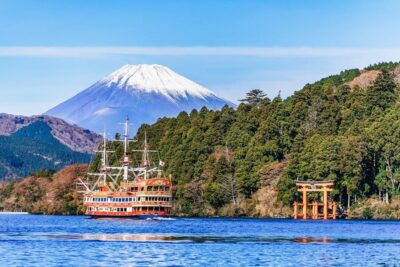 ★ 4.4Tokyo Mt Fuji 5th St & Hakone Cruise Bus Tour w/Bullet TrainFrom $1545,024 reviews
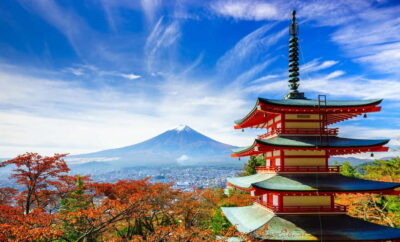 ★ 4.5From Tokyo: Mount Fuji Full-Day Sightseeing TripFrom $684,970 reviews
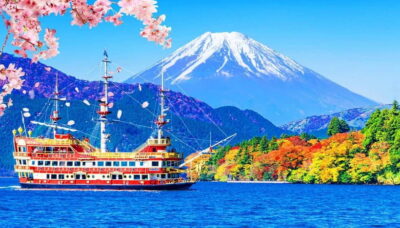 ★ 4.7Mt. Fuji Tour, Hakone Ropeway, Owakudani, Lake AshiFrom $544,002 reviews
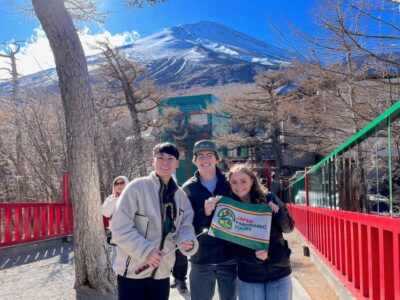 ★ 4.2Mt. Fuji 5th Station & Hakone Cruise 1-Day Bus TourFrom $1292,381 reviews
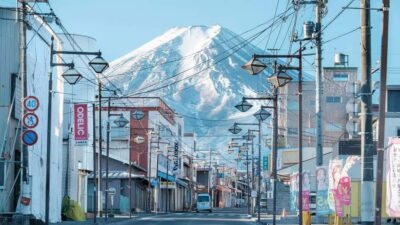 ★ 4.7Mt Fuji Top 5 Spots Day Tour: Arakurayama Park,Oshino HakkaiFrom $532,066 reviews
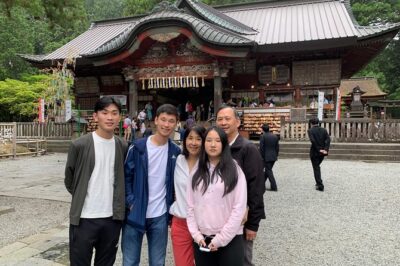 ★ 5.0Private Tour to Mt. Fuji and Hakone (Fully Licenced Operator)From $4971,910 reviews
This tour also belongs to