
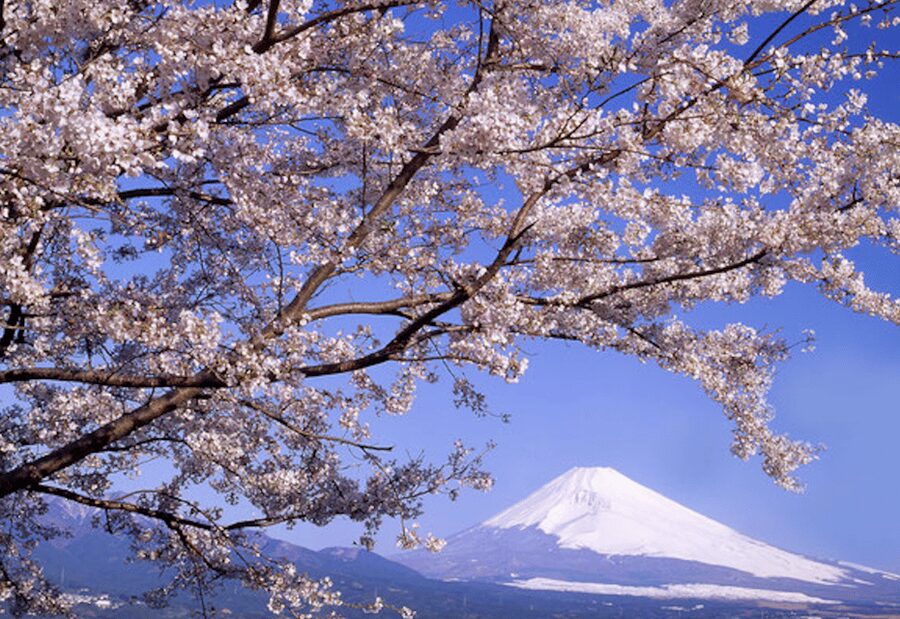
Review · MOUNT FUJI TOURS
From Tokyo: Mt. Fuji, Hakone, Owakudani & Lake Ashi Bus Tour
Mt. Fuji is the main character. In one long day, you get iconic views plus Hakone’s geothermal wow-factor, all tied together with easy round-trip transport.
What I like most is the way the tour mixes big-sky scenery with real-life geology, from ridge-top cable cars to the steam-and-sulfur mood of Owakudani. I also appreciate the steady pacing with an English-speaking guide, plus planned photo stops that help you actually see what you came for. One thing to plan around is Mt. Fuji visibility. If clouds roll in, your mountain views may be limited, and the schedule can tighten when traffic or weather changes the timing.
Key Points You Should Know Before Going
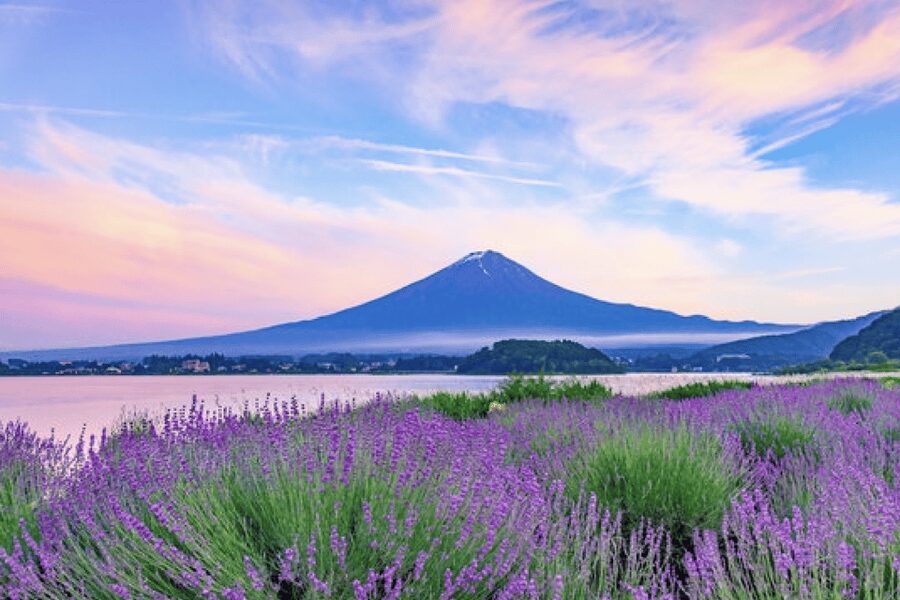
- Shinjuku meetup at the LOVE Robert Indiana statue, so you can start clean and easy
- Hakone Ropeway for panoramic mountain and valley views when visibility cooperates
- Owakudani volcanic valley walks and sulfur vents, a rare look at active geothermal terrain
- Lake Ashi cruise for a calmer end to the day, with a possible Mt. Fuji sighting in the distance
- English guide + photo stops, which helps you turn scattered sights into a story you remember
- Bus-style timing, meaning you need to be on time and ready for a full 10-hour day
Shinjuku Meetup at the LOVE Robert Indiana Statue
Your day starts in Shinjuku, right in front of the LOVE Robert Indiana statue. That matters more than it sounds, because it’s a clear landmark in a city where “easy to find” can still mean a lot of walking and guessing.
Before you go, make sure you have WhatsApp on your phone. The guide will contact you there to help the group meet up smoothly. Also, arrive at least 15 minutes early. This is a bus tour, and the bus departs on time without waiting, even by one minute. If you’re running late, you might miss the tour entirely, and there’s no late-comer rescue.
One practical tip: wear comfortable shoes, even though most of the walking is in short bursts. Ropeways, viewpoints, and volcanic paths add up. You’ll feel better on the Hakone side if you’re not doing it in brand-new shoes.
You can also read our reviews of more tours and experiences in Fujinomiya.

The 10-Hour Plan: How the Day Flows Without You Getting Lost
This is built for people who want the highlights of Mt. Fuji and Hakone in a single day. Total duration is about 10 hours, and the day is structured around a sequence of stops that keeps you moving forward instead of bouncing between stations and transfers.
After the initial 2-hour coach/bus ride, you’ll have a quick Hakone stretch, then you shift into the big scenery sequence:
- Hakone sightseeing time
- Hakone Ropeway
- Owakudani volcanic valley
- Lunch in Hakone
- Hakone Shrine
- Lake Ashi cruise
That sequencing is smart for two reasons. First, it front-loads the most scenic transport moment (the Ropeway) before you get tired. Second, it ends with something slower and more forgiving, the Lake Ashi cruise.
If you hate tight timing, this might feel like a lot. But if you want “see the best, skip the planning,” it works.
Riding Out of Tokyo Toward Mt. Fuji: Use the Drive Time
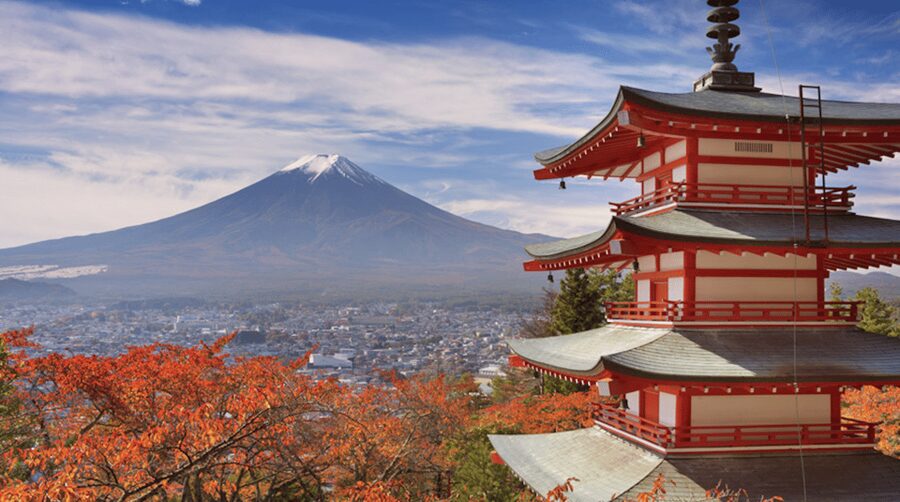
The drive is part of the experience here, not just transit. You’ll spend about 2 hours on the coach/bus heading toward the Mt. Fuji region, and the tour includes photo stops along the way.
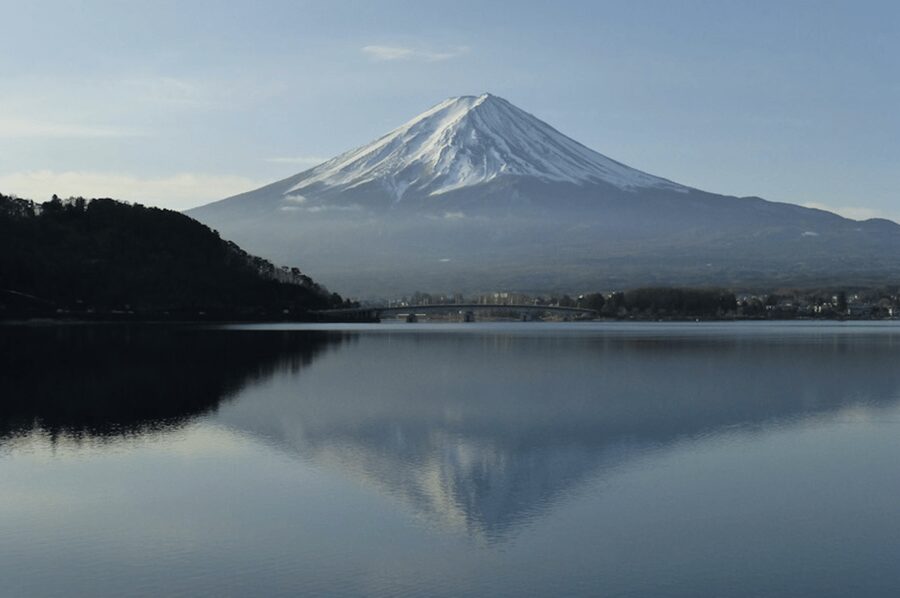
That’s worth paying attention to because Mt. Fuji viewing is mostly about timing and conditions. The mountain is a UNESCO World Heritage symbol, famous for its elegant shape and spiritual role in Japanese culture. Your guide will share context as you approach, so the first sighting feels like more than a postcard.
A key detail: you’re not guaranteed clear mountain views. Visibility can be affected by weather. That’s common around Fuji, so if you’re going to chase photos, treat it like a series of chances, not one moment.
On the logistics side, keep cash handy. Some scenic spots and restaurants may accept cash only. Even if you prefer card, having some yen avoids friction later.
Mt. Fuji Viewing Stops: More Than a Quick Look
Once you reach the Mt. Fuji area, you’ll have sightseeing time with opportunities to view and photograph the mountain, weather permitting. This part is the emotional payoff of the day for many people, and it’s also the most “conditions dependent.”
Here’s how to make the most of it:
- Be ready to step out fast when the bus stops.
- Choose the viewpoint your guide points out, not the one that looks closest.
- Don’t spend all your time on one angle. Clouds can shift quickly.
Your guide provides background on Mt. Fuji’s history and cultural importance, including how it shows up in Japanese art and tradition. I like this approach because it turns the mountain from a sightseeing checklist item into a place with meaning.
Potential drawback? If Fuji is hidden, you may feel like you paid for a vision that never fully arrived. The good news is you still get the Hakone geothermal sights right after, and those do not depend on Fuji being visible.
Hakone Ropeway: The Best Views Happen in Transit
Then you move into Hakone, a resort region known for its natural beauty and geothermal activity. The star here is the Hakone Ropeway, which gives panoramic views of mountains and valleys.
The Ropeway ride is about an hour, and this is one of the moments where the tour format pays off. Getting yourself to the cable system on your own takes planning. Here, it’s built in.
When visibility is good, you can sometimes see Mt. Fuji from the Ropeway, which is a bonus on top of the already dramatic terrain below. Even without Fuji in frame, the valley views are still strong. You’re basically getting a moving viewpoint, so you get multiple perspectives without having to hike.
One more practical note: Ropeways can make you feel the day is “finally starting.” If you’re tired from the Tokyo commute, it’s a nice reset.

Owakudani Volcanic Valley: Steam Vents and Geology Up Close
Owakudani is where the day goes from scenic to hands-on geology. You’ll spend about an hour in this active volcanic valley, with time on designated paths where you can see steam vents and sulfur areas.
This is the kind of stop that’s hard to replicate if you’re traveling solo without good guidance, because you need to know what you’re looking at. The guide explains the geothermal activity that continues beneath the surface, so you understand why the landscape looks the way it does.
What to expect on the ground:
- Rugged terrain and exposed areas
- Steam and sulfur smells
- Footpaths that are there for a reason, so stay within them
Bring a face mask if you’re sensitive to sulfur odors. It’s not listed, but it can make this stop more comfortable.
Also, pace yourself. The walking here is not long, but it’s more intense than a shrine visit. You’ll want enough energy left for Lake Ashi afterward, which is more relaxed.
Hakone Lunch and the Timing Trade-Off
Lunch is included in the sense that you’ll have a set time for it, about an hour in Hakone. The tour does not include the cost of lunch, though, so you’ll pay for your meal separately.
This is one of the trade-offs with any big highlight day. You get fewer total hours at each location, but you cover more ground overall. In exchange, you’ll spend your day seeing the places people come to Hakone for, rather than spending half the day figuring out where to eat.
To make this hour work for you:
- Keep your order simple if you’re not fluent in Japanese
- Don’t assume every place takes card, have cash ready
- Use your guide and group time to confirm where you’ll meet next
If you care a lot about food, you can treat this lunch as an energy refuel. Save your deep-dive meal hunt for a different day in Tokyo or a slower Hakone overnight.
Hakone Shrine: A Cultural Pause With Scenic Payoff
After lunch and more movement through Hakone, you’ll visit Hakone Shrine for about 1.5 hours. This stop breaks up the geothermal intensity and gives you a calmer cultural moment.
Shrines can feel quick when you’re rushed, but here you’re given enough time to slow down. You’re not just passing through; you have a real block of time to see the shrine setting and take it in at your pace.
This part also fits the emotional rhythm of the day. After Owakudani’s steam vents, Hakone Shrine feels grounded and human, a reminder that this landscape shaped daily life and spirituality long before tourism.
Lake Ashi Cruise: The Most Peaceful Part of the Day
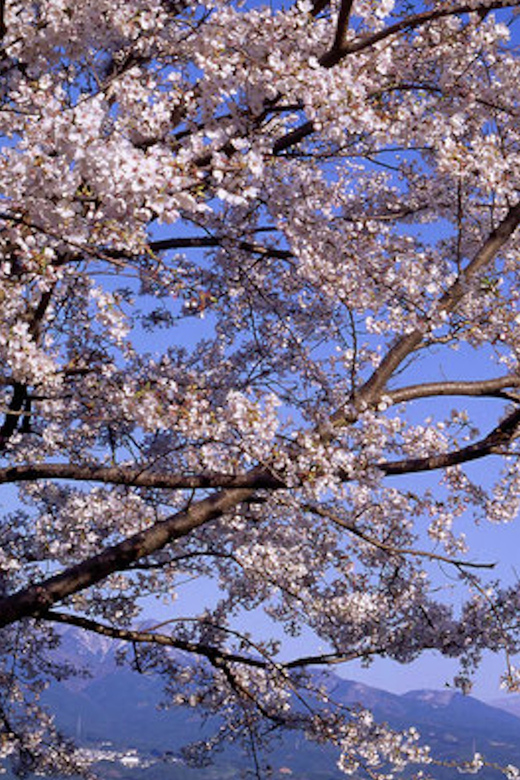
Your final major activity is a guided tour and sightseeing during a Lake Ashi cruise, about 1.5 hours. Lake Ashi is a crater lake surrounded by forested hills, and from the water you get a different view of the area entirely.
If conditions allow, you may see another perspective of Mt. Fuji in the distance. Even if Fuji stays hidden, the lake cruise still does its job. It slows your body down after a day of standing in line and walking around viewpoints.
I like how this ending feels practical. It gives you space to reflect on what you saw, and it’s easier on your feet than an extra round of walking right before heading back to Tokyo.
Price and Value: What $60 Really Covers
At about $60 per person, this is priced as a full-day highlights bundle from Tokyo. You’re paying for three big things:
- Transportation from Tokyo and back
- An English-speaking guide who connects the stops
- Included entries and planned photo stops
Lunch is not included, so plan on spending extra for food. But the main costs are handled, which is what makes this feel good value if you’re short on time.
Is it cheap compared to doing everything separately? Maybe, maybe not. The real question is effort. Solo travel to Fuji and Hakone can eat hours just arranging transit and timing. This tour aims to remove that stress and deliver a structured day of iconic sights.
The reviews emphasis is on the experience quality, especially the guide explanations and punctual pickup, which supports the idea that you’re not just buying bus seats. You’re buying the flow of the day, plus context that helps you enjoy what you’re seeing more.
Who Should Book This Mt. Fuji and Hakone Bus Tour
This tour fits best if you:
- Want a first-time introduction to Mt. Fuji and Hakone in one day
- Prefer having an English-speaking guide rather than planning every transfer
- Like scenery that changes fast, Ropeway views, volcanic terrain, and a lake cruise
You might want to skip it if you:
- Need wheelchair accessibility, since it is not suitable for wheelchair users
- Get stressed by fixed schedules and timed meeting points
- Are extremely sensitive to weather, since Mt. Fuji visibility depends on conditions
If you’re traveling with limited time in Tokyo and you want maximum payoff per day, this is a sensible choice.
If You Book: Small Planning Moves That Make a Big Difference
A few details will keep your day smoother:
- Arrive early at the LOVE statue pickup in Shinjuku
- Use WhatsApp so the guide can contact you and you can confirm the meet-up
- Bring some cash for spots that may not take card
- Accept that return time can shift during bad weather, traffic, weekends, or peak seasons. That may shorten attraction time or even change the schedule.
And yes, this tour can run long in crowded travel periods, so avoid tight plans right after your return.
Should You Book It?
I think you should book this tour if you want an organized, highlights-first day that hits Mt. Fuji, Hakone Ropeway, Owakudani, and Lake Ashi without you doing complicated transit planning.
Skip it if you’re the kind of traveler who needs lots of unstructured time at one place, or if missing a clear view of Mt. Fuji would ruin the day for you. The mountain is the headline, but the geothermal and lake moments carry the experience even when clouds interfere.
If you can be flexible with timing and weather, this is a strong way to turn a Tokyo day into a full-on Fuji and Hakone storyline.
FAQ
Where is the meeting point?
You meet in front of the LOVE Robert Indiana statue in Shinjuku.
How long is the tour?
The tour lasts about 10 hours.
Is lunch included?
Lunch is not included.
What’s included in the price?
The tour includes an English-speaking guide, transportation by bus or private vehicle, entry fees, and photo stops.
Do I need WhatsApp for the tour?
Yes. The guide contacts you through WhatsApp, so you should download it before your tour.
What if I miss the bus departure?
The bus departs on time and there is no refund for latecomers or no-shows.
Can I expect to see Mt. Fuji clearly?
Mt. Fuji visibility may be affected by weather conditions, so clear views are not guaranteed.
Does the tour accept card payments everywhere?
Bring some cash, since some scenic spots and restaurants may only accept cash payments.
More Tours in Fujinomiya
More Tour Reviews in Fujinomiya
Not for you? Here's more nearby things to do in Fujinomiya we have reviewed

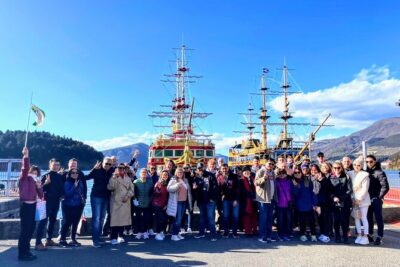
Mount Fuji Tours, side by side.
 ★ 5.0Mt Fuji and Hakone 1-Day Bus Tour Return by Bullet TrainFrom $16326,383 reviews
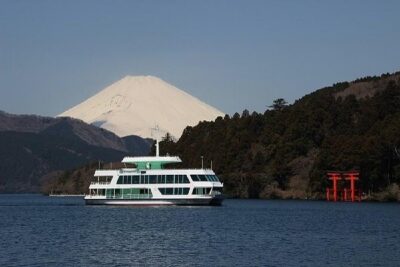 ★ 4.0Mt Fuji & Hakone Cruise, Drum Show Bullet Train 1 Day from TokyoFrom $1497,413 reviews
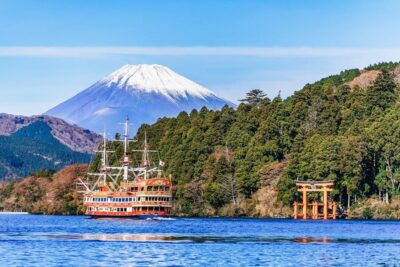 ★ 4.4Tokyo Mt Fuji 5th St & Hakone Cruise Bus Tour w/Bullet TrainFrom $1545,024 reviews
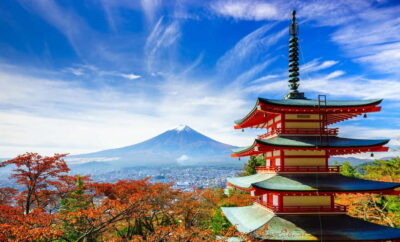 ★ 4.5From Tokyo: Mount Fuji Full-Day Sightseeing TripFrom $684,970 reviews
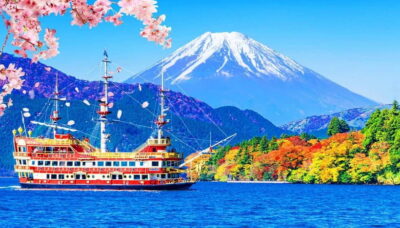 ★ 4.7Mt. Fuji Tour, Hakone Ropeway, Owakudani, Lake AshiFrom $544,002 reviews
 ★ 4.2Mt. Fuji 5th Station & Hakone Cruise 1-Day Bus TourFrom $1292,381 reviews
 ★ 4.7Mt Fuji Top 5 Spots Day Tour: Arakurayama Park,Oshino HakkaiFrom $532,066 reviews
 ★ 5.0Private Tour to Mt. Fuji and Hakone (Fully Licenced Operator)From $4971,910 reviews
This tour also belongs to