
Review · NIKKO DAY TRIPS
World Heritage Nikko Walking Tour Toshogu and Kanmangafuchi
Gold and greenery, plus a river full of statues. That is Nikko. This 4.5-hour walk pairs Kanmangafuchi Abyss and its line of stone Jizo guardians with the glittering, tightly packed drama of Nikko Toshogu Shrine. I like that it is structured and timed for first-timers, and I also like the option to choose your lunch style (Japanese, vegetarian, Indian thali, or skip it). One consideration: you still do real walking over uneven, sometimes steep paths, and shoes need to come off in some Toshogu areas.
You will get a licensed English guide interpreter plus an audio guide system to keep the crowd noise from swallowing the story. If you come for the spiritual sites, the guide helps you connect what you are seeing to why it matters. And if weather gets nasty, the plan can shift, so build in some flexibility and pack bug spray and comfortable shoes.
Key things to know before you go
- Kanmangafuchi Abyss: a short stop with about 70 Jizo statues along the river, tied to Mt. Nantai legend.
- UNESCO Toshogu: you will focus on Nikko Toshogu Shrine, where Ieyasu Tokugawa is enshrined.
- Lunch choices: standard Japanese, vegetarian, Indian thali, or no lunch, chosen at booking.
- Real walking, 5 km range: total walk time is about 5 km, and in some cases the outing can reach about 7 km on foot.
- Shoe rules and stairs: easy on/off shoes help, and expect slopes, stairs, and some chilly seasonal substitutions.
Pricing that makes sense for a guide-led UNESCO day
This tour costs $85.12 per person for about 4 hours 30 minutes. For Nikko, that price is doing a lot of work: you get a national government licensed English guide interpreter, admission to Nikko Toshogu Shrine, transportation costs, and an audio support system. It is not just a sightseeing walk. It is a guided way to avoid the common first-timer problem in Nikko, which is seeing a lot of buildings without understanding why they are arranged the way they are.
Because it is a small group (maximum 15), you tend to get more human pacing than on bigger bus tours. The guide can point out details, manage your timing at key crowd areas, and keep the route moving. Still, you should treat it as a moderate walking experience, not a sit-down tour.
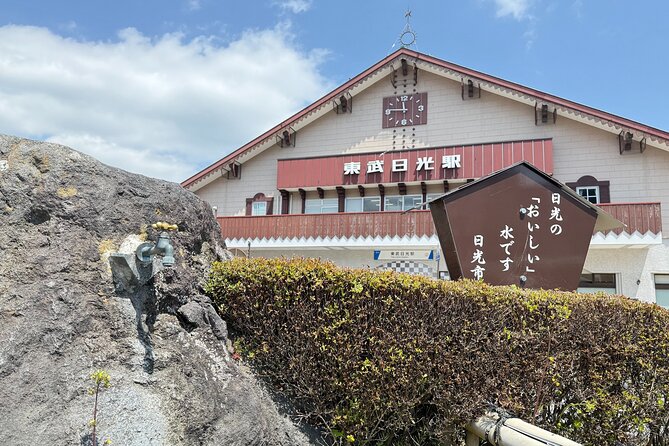
One more practical note: this one uses a mobile ticket, and you meet at Tobu-Nikko Station. If you are aiming to connect to another train after the tour, you will want to plan some buffer time since the tour ends at Nikko Toshogu Shrine.
You can also read our reviews of more walking tours in Nikko
Where you meet and how the route flows
The tour starts at 11:30 am at Tōbu-nikkō Station (address listed in Nikko). It ends at Nikkō Tōshogū. You will use public transportation between spots, and seating is not guaranteed, so stand-and-hold-on is part of the experience.
The itinerary order can change based on road conditions, events, ceremonies, or safety. On paper, it looks simple: Kanmangafuchi Abyss first, Nikko second for lunch, then Nikko Toshogu Shrine. In real life, timing can still shift a bit, especially around busy sites.
There is also a heads-up for people joining from Tokyo or Shinjuku on related group arrangements: the guide may head to the Tobu Nikko area first, and some participants might wait until around 11:35 am. If you are traveling with a tight schedule, I recommend you keep your morning flexible and avoid “must be on Train X at 10:55” thinking.
Stop 1: Kanmangafuchi Abyss, where the river is lined with Jizo
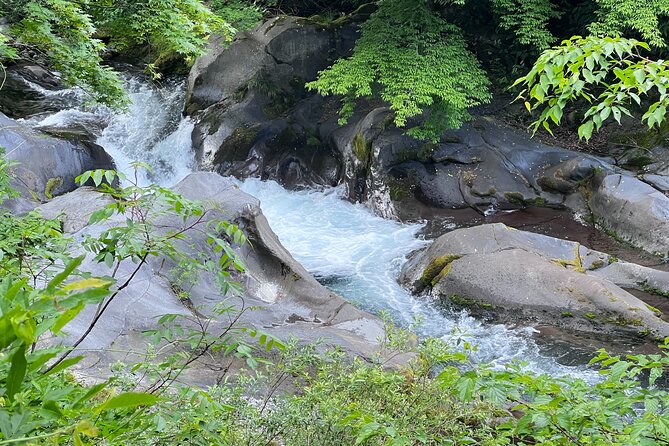
Your first real taste of Nikko is Kanmangafuchi Abyss, reached for about 20 minutes with free admission. This is a small gorge formed by an eruption from Mt. Nantai. The main visual hook is simple and strong: along the river there is a row of about 70 stone statues of Jizo, a bodhisattva often described as a protector of children.
What makes this stop worth your time is that it changes the tone of the day. Toshogu is loud, ornate, and architectural. Kanmangafuchi is quieter in feel, more about repetition and atmosphere. You are basically walking past a long “prayer line” made of stone.
Practical tips for this part:
- Wear shoes with good grip. You want control on uneven ground.
- If you are traveling in April to November, keep your legs covered. The tour specifically calls out leech presence, and thick socks that cover the ankles are a smart move.
- Bring bug spray, especially if you are the kind of person who reacts badly to bites. Nature wins that contest.
Even with only 20 minutes, you can still take the time to look slowly along the row of statues instead of just rushing for photos. In places like this, the story is in the pattern, not in a single monument.
Stop 2: Nikko pause for lunch and a breather from temple crowds
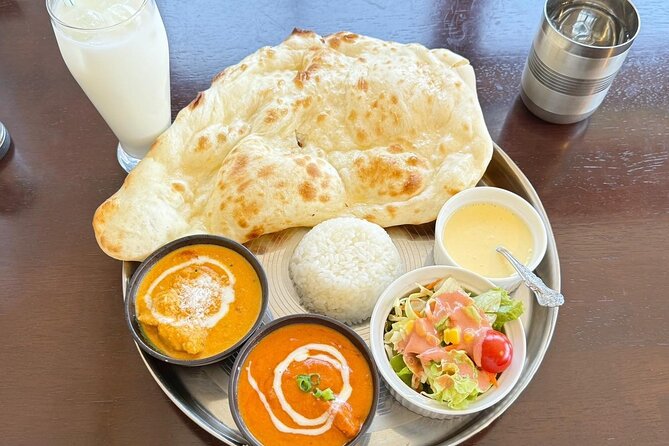
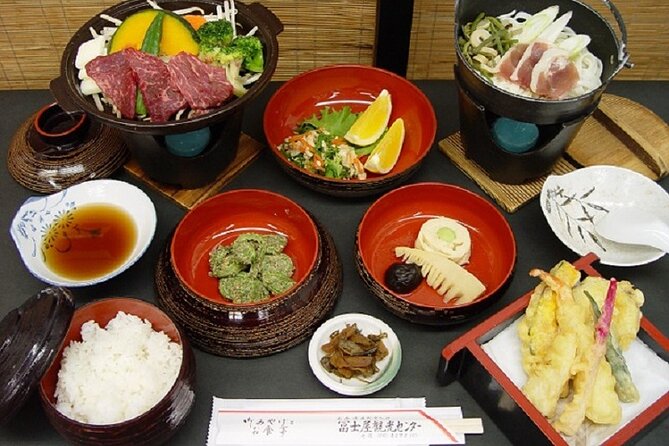
Next you shift into the Nikko area for about 50 minutes. This is where your lunch choice kicks in, and you select that when booking. You have four options:
- Standard Japanese-style menu (meat and fish)
- Vegetarian lunch
- Indian thali (a set including butter chicken masala, coconut curry, naan, rice, salad, lassi, and dessert)
- No lunch (you prepare your own)
If you choose the Indian thali option, there are also notes about flexibility: you can inform the guide on the morning for vegetarian curry or Muslim-friendly curry. What you should know, though, is the tour data says allergy-friendly meals and gluten-free meals are not available, and same-day changes are not possible. So if you have dietary needs beyond vegetarian status, plan ahead and confirm.
This lunch block is also your best time to reset. Even if you are excited to see Toshogu, you will be climbing and walking soon after. Use the meal to top up energy, then step out feeling human, not rushed.
Also, the tour mentions Japan’s finest spring water. That matters more than it sounds. Nikko days can be tiring, and having water handled for you saves the hassle of hunting bottles in crowded areas.
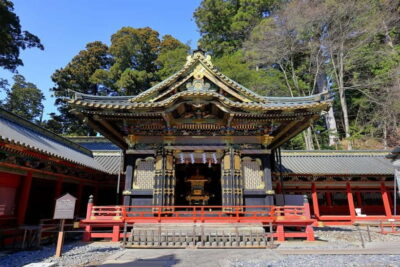
Stop 3: Nikko Toshogu Shrine, gold carvings and Ieyasu Tokugawa’s enshrinement
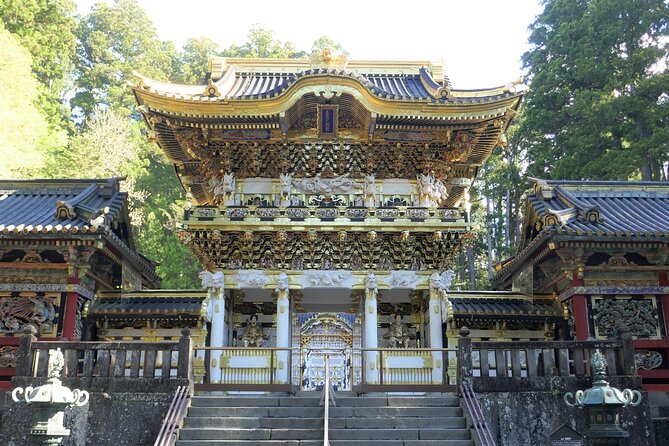
This is the big one: Nikko Toshogu Shrine, a UNESCO World Heritage site with over 400 years of history connected to Ieyasu Tokugawa, the founder of the Tokugawa Shogunate. You get about 1 hour 20 minutes here, with admission included.
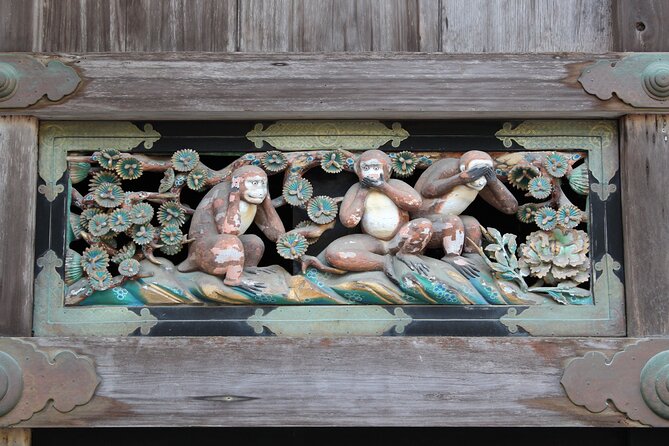
Nikko Toshogu is famous for ornate Edo-period detailing, massive carved structures, and dramatic visual effects. You will see the kind of architecture that makes your brain go from “I’m touring” to “I’m staring at the ceiling again.” One of the most repeated impressions about Toshogu is its gold finishes and golden sparkle. Plan for that. It is part of the show.
This stop also comes with real movement rules:
- Some areas require you to remove your shoes. Bring shoes that are easy to slip off and on.
- There are slopes and stairs in and around the shrine areas.
- You should expect that the route includes longer walks on foot than you might assume from a short listed distance.
From a practical standpoint, I recommend thinking about this stop as two layers:
- The big picture, which is Ieyasu’s spiritual and political legacy.
- The details, which are the carvings and decorations you keep noticing once you know what to look for.
If you are a detail person, you will enjoy how the guide and audio help you slow down. If you are not, the “just follow along” approach still works, because you are guided toward the main highlights without getting lost.
One specific detail from the supplied info is the reference to about 207 steps to reach the grave area. That means there is a vertical component built into the experience. Even if you do not climb every side pathway, you should not treat Toshogu like an easy stroll.
You can also read our reviews of more historical tours in Nikko
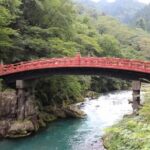
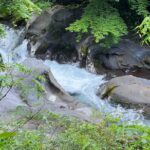
How the guide and audio system help you enjoy the details
A huge part of the value here is the pairing of:
- a national government licensed English guide interpreter, and
- an audio guide service so you can keep listening while you wait in crowded spots.
When Nikko sites get busy, it is easy to miss the “why.” The audio support helps keep the meaning connected to the sight. And because the tour includes both guided commentary and audio explanations, you can shift your attention without feeling like you are falling behind.
Group size also helps. Maximum 15 travelers means you are not stuck behind a wall of people. You can usually get to a decent viewing angle and still move with the group.
One caution from the supplied notes: the overall timing can be affected by how the day runs with transportation. The tour description allows for schedule adjustments based on ceremonies, road conditions, or safety. So if you have a strict downstream appointment, build in slack.
Walking load, footwear, and the small stuff that can save your day
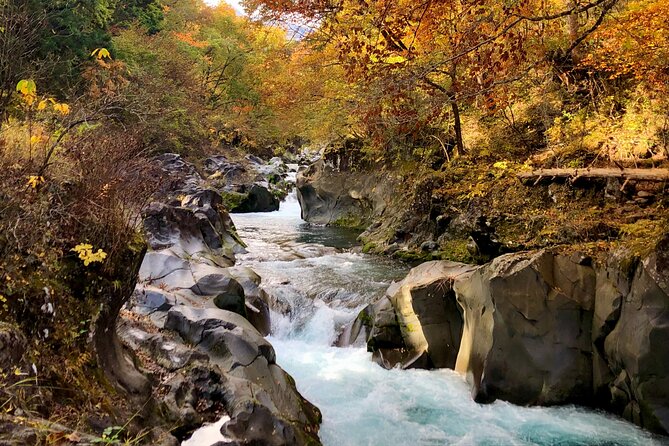
This tour is built around walking, with about 5 km (3 miles) as the typical distance. The description also warns that the total on foot distance can reach about 7 km depending on conditions, including times when the full itinerary is walked.
Add in slopes, stairs, and shoe removal at Toshogu, and you get a clear message: plan like you are going to be on your feet for the better part of half a day.
What I strongly suggest you pack:
- Comfortable shoes you can remove and put back on quickly.
- A backpack (the tour recommends it).
- Thick socks that cover the ankles in April to November for leech-prone areas.
- Bug spray for the same April to November window.
- A layer. Even when the day is sunny, shrine areas and river gorges can feel cooler.
If you do not like stairs or uneven ground, tell yourself that this is still a “choose your pace” tour. The guide is there to keep you moving, but you control how often you pause.
Spring vs winter: what changes when Kanmangafuchi is unsafe
Weather can change the route. The tour explicitly states that in winter season, roughly December to mid-March, and during inclement weather when road safety is hard to ensure for Kanmangafuchi Abyss, the day may switch to other sites.
If Kanmangafuchi gets skipped, you might be guided to places like:
- Futarasan Shrine
- Taiyuuin Mausoleum at Rinno-ji Temple
- Tamozawa Imperial Villa
- Toshogu Museum
- Kanaya Hotel History House
- Nikko Botanical Gardens
This is actually a plus for many visitors. It means the tour is designed to keep you seeing major Nikko cultural stops even when conditions limit movement. Just be ready for a different mix than the “Abyss plus Toshogu” headline.
Is $85.12 a good value for this Nikko half-day?
Here is my value check, item by item, using only what the tour includes:
- Licensed English guide interpreter
- Admission to Nikko Toshogu Shrine
- Transportation costs included
- Admission to the included shrine time and any listed admissions
- Audio guide service
- Lunch only if you choose a lunch option
If you compare this to the cost of hiring a guide and buying admission separately, the price starts to look fair. You are paying for guidance, timing, transport support, and a structured “see the must-do highlights” route that avoids decision fatigue.
You do need to choose your lunch option wisely. If you do not pick Standard, Vegetarian, or Indian thali, you get no included meal, and you are expected to prepare lunch yourself. Since the tour notes cafes and restaurants near rest areas can be crowded, skipping lunch can be fine, but only if you already have a plan.
Also watch the start time: 11:30 am. This is not an early morning “beat the crowds” tour. It is more of a midday heritage walk, with crowd management partly handled by guide pacing and audio support.
Who this tour fits best (and who should consider something else)
This is a strong fit if you:
- Want an English-friendly way to understand Nikko Toshogu Shrine without getting lost in details.
- Like the mix of nature mood at Kanmangafuchi Abyss plus a major UNESCO shrine stop.
- Prefer a small group (max 15) with audio support.
It may be less ideal if you:
- Have very limited mobility or dislike stairs and slopes, since the tour includes both.
- Need strict allergy accommodations beyond what is offered (the tour data says allergy-friendly and gluten-free meals are not available).
- Want a long, unhurried self-guided explore. This is timed and guided, so you move with the group.
Should you book World Heritage Nikko Walking Tour: Toshogu and Kanmangafuchi?
Yes, if you want a practical, guided half-day that hits the two iconic sides of Nikko, the shrine spectacle and the Jizo statue river setting. This is especially worth booking if you appreciate structure, clear explanations, and not having to figure out everything on the spot.
Skip or consider another option if you expect a mostly flat walk, or if you cannot do shoe removal rules and stairs. Also, if your schedule is ultra tight, remember the route can change and public transportation seating is not guaranteed.
If you want a single, well-supported way to sample Nikko’s spirituality without turning it into a logistics project, this is a solid choice.
FAQ
What is included in the tour price?
The tour includes a national government licensed English guide interpreter, audio guide service, admission to Nikko Toshogu Shrine, and admission fees and transportation costs included in the tour. Lunch is only included if you choose Standard Japanese, Vegetarian, or Indian thali when booking.
Can I choose my lunch option?
Yes. You can choose from four lunch options when booking: Standard Japanese-style menu, Vegetarian, Indian thali, or No lunch. If you pick Indian thali, a set meal is provided, and you can inform the guide on the day for vegetarian curry or Muslim-friendly curry.
Where do I meet and where does the tour end?
You start at Tōbu-nikkō Station at 11:30 am. The tour ends at Nikko Tōshogū (Nikko Toshogu Shrine).
How much walking is involved and what should I wear?
The walking distance is about 5 km (3 miles), and it may be up to about 7 km on foot depending on conditions. Wear comfortable shoes, and note that shoes must be removed in some areas at Toshogu. The tour also recommends covering your legs and using thick socks and bug spray for leeches from April to November.
What happens if it is cold or unsafe to reach Kanmangafuchi Abyss?
In winter (around December to mid-March) or in inclement weather when road safety is difficult, the tour may be guided to alternative sites such as Futarasan Shrine, Taiyuuin Mausoleum at Rinno-ji Temple, Tamozawa Imperial Villa, Toshogu Museum, Kanaya Hotel History House, or Nikko Botanical Gardens.
Is free cancellation available?
Yes. You can cancel up to 24 hours in advance for a full refund. If you cancel less than 24 hours before the start time, the amount paid is not refunded.
More Walking Tours in Nikko
More Tours in Nikko
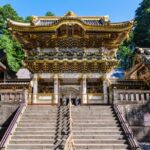
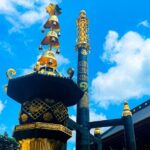
More Tour Reviews in Nikko
Not for you? Here's more nearby things to do in Nikko we have reviewed
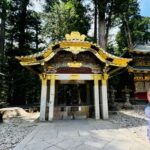
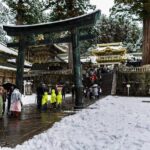
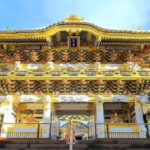
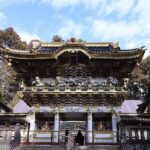
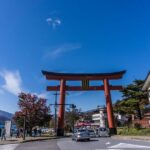
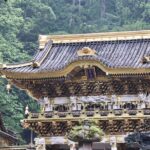
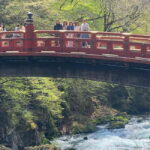
Nikko Day Trips, side by side.
 ★ 4.6Nikko: Kegon Falls, Lake Chuzenji & Toshogu TempleFrom $891,577 reviews
 ★ 4.5Nikko Toshogu Shrine and Kegon Waterfall TourFrom $841,266 reviews
 ★ 5.0Nikko Full-Day Private Tour with Government-Licensed GuideFrom $155259 reviews
 ★ 4.9From Tokyo: Nikko World Heritage Site Private Full-Day TripFrom $483243 reviews
 ★ 4.3Nikko: Edo Wonderland Edomura Cultural Theme Park TicketFrom $35205 reviews
 ★ 4.8Nikko World Heritage Private Day Trip Hotel Pick-upFrom $390145 reviews
From Tokyo: Nikko World Heritage Sight Full Day Private TourFrom $362127 reviews
 ★ 4.9Nikko – Beautiful Full-Day Personal and Private TourFrom $364119 reviews
This tour also belongs to