
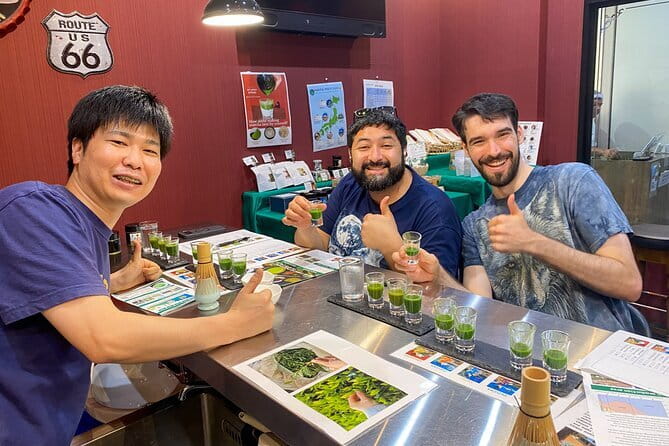
Review · TOKYO CITY TOURS
【NEW】Matcha Making Experience and Matcha Comparison in Tokyo
Matcha tastes should never be one-note. In this Tokyo class, I like the idea of comparing matcha from Kyoto to Kagoshima side by side, then learning how cultivation and soil can change what ends up in your cup. You also get to make your own matcha at the end, with guidance from Chisei and Rina, who bring science-focused backgrounds to a hands-on experience.
Two things I really like: the tasting is built for contrast, with 10 matcha types from 5 production areas, and the instruction connects to how tea is actually grown, not just how it’s marketed. One possible drawback to consider is the format is short and snack-light, so if you’re chasing a full meal or lots of shopping time, this is more lesson and tasting than a long hangout.
Matcha Trip Key Points I’d Use to Choose This Class
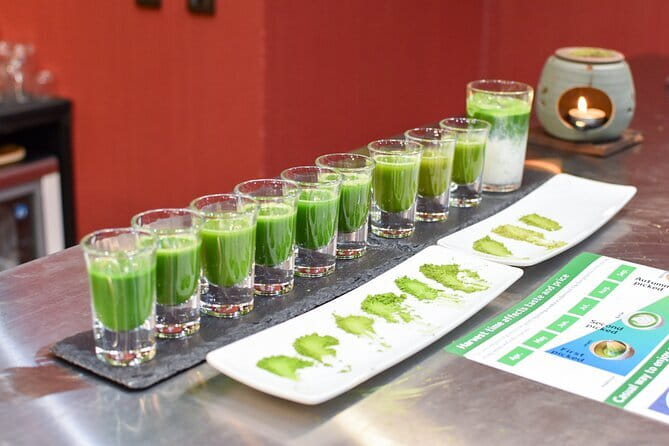
- Five regions, ten tastings: compare Kyoto, Shizuoka, Aichi, Fukuoka, and Kagoshima in small portions.
- Real vs marketed matcha: you get both ceremonial grade samples and two that are sold as matcha but are not defined as matcha.
- Bamboo whisk practice: you learn how to make your own Ousucha with a bamboo tea whisk.
- Smart instructors, practical talk: Chisei’s agricultural science and soil focus, plus Rina’s pharmacy background.
- Milk-friendly matcha at the end: matcha latte and matcha sweets use an original blend meant for milk and sugar.
- Small group feel: maximum of 5 travelers, so questions actually land.
A Matcha Flight Across Five Regions, Right in Tokyo
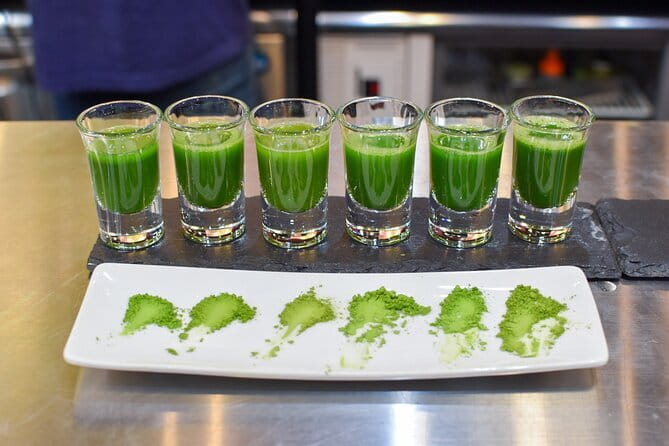
If your idea of matcha comes from a bag on a shelf or a sweet drink cup, this experience is designed to reset that mental picture fast. The core of the class is a comparison tasting: you sample matcha from five representative production areas in Japan, then you narrow it down to the one you like best.
The setting is simple and practical, not a big tourist factory. You meet at matcha trip at Henn Na Hotel (sports bar Leaf) in Taito City. The class runs about 1 hour 30 minutes and you return to the same meeting point at the end. That compact length matters. It’s long enough to taste multiple samples and make one yourself, but short enough that you can still stack it with other Tokyo plans.
Also, Tokyo has a way of making Japanese food feel like a discovery trail. This one focuses on a single ingredient, matcha, which makes it easier to understand what you like and why, without getting lost in a dozen unrelated stops.
You can also read our reviews of more tours and experiences in Tokyo.



Your Hosts: Chisei, Rina, and the Soil-Story Behind Matcha
What makes this class feel different is who’s teaching. Chisei is the main instructor, with a bachelor’s degree in agricultural science and a particularly deep knowledge of soil science. He’s also a former tea farmer who has worked through tea cultivation and processing in Kyoto, which means you’re not just getting tasting notes. You’re getting the “why” behind those notes.
Rina, the assistant, has a bachelor’s degree in pharmacy and is a practicing pharmacist. That might sound unusual for tea, but it supports the tone of the class. Instead of vague talk, you get explanations that connect to how tea is grown and what changes in flavor you can detect when you taste.
In practice, that combo helps you ask better questions. When you notice a sample that tastes grassy, smooth, or more bitter, you can connect it to growing and processing choices rather than just saying, I like it or I don’t.
The Welcome Drink and the Real-World Problem of Fake Matcha
You start with a welcome drink, and while you sip it, you’re guided through matcha history and production. The class theme is direct: do you know real matcha? The reality is that matcha gets treated like a trend ingredient worldwide, which means not everything sold under that label behaves like true matcha in taste, aroma, and color.
This matters for you because it changes how you shop later. If you only know matcha from flavored lattes or dessert dust, you may not realize how much the ingredient quality affects the final cup. In this class, the point is to make that difference obvious using real samples from different origins.
I also like the pace of this early section. You’re not thrown into whisking chaos right away. You learn enough to taste with purpose. Then the comparison portion can land, because you understand what you’re being asked to notice.
Color, Aroma, Taste: How the Matcha Comparison Works
After the welcome, the class moves into the tasting comparison. You’ll sample 10 kinds of matcha from five production areas, with a focused comparison stage where 8 types are served.
Here’s the important part: among those comparison samples, 6 are ceremonial grade, and 2 are not defined as matcha but are sold as matcha in other places. That is the class’s built-in reality check. The two “marketed as matcha” samples are there so you can compare what people sell versus what you’re actually drinking.
During the comparison, you look at the color first. Then you make tea and taste for fragrance and flavor. That order is not random. You train your senses to separate visual impressions from aroma and then final taste. If you try to taste before you look, your brain tends to guess and then you lose the real signals.
Expect differences in:
- Color: you’ll notice some samples look lighter or darker and you can connect that to what you see.
- Aroma: some taste more pronounced on the nose, others feel gentler.
- Finish: bitterness and smoothness can feel very different from one sample to the next.
You end this stage by choosing the matcha you like best. That part matters because it turns the tasting into a personal decision, not just a passive lesson.
Production areas included are Kyoto, Shizuoka, Aichi, Fukuoka, and Kagoshima. Each one brings its own character, and tasting them in small portions side by side helps you avoid the common problem of trying to compare from memory later.
Make Your Own Ousucha With a Bamboo Whisk
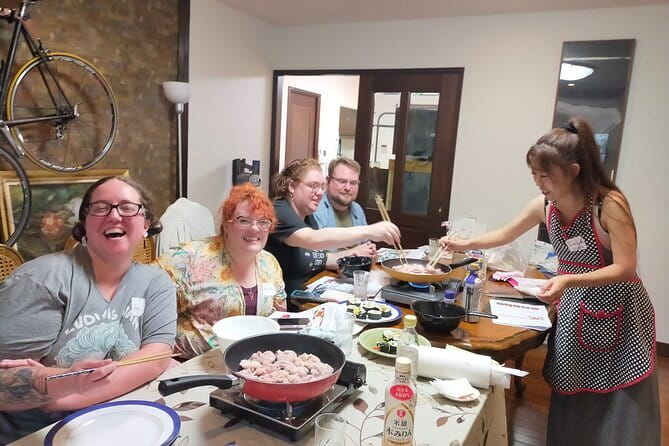
Once you’ve picked your favorite, it’s time for the hands-on matcha making experience. This is where the class earns its keep, because you don’t just taste. You learn how to create your own cup using the bamboo tea whisk.
You’ll make Ousucha (matcha) with a bamboo tea whisk. The instruction is meant to carry beyond the class. The experience is set up so you can make matcha at home later, not just for photos.
A simple way to think about this section: you’re practicing technique for the specific matcha you liked. If you start the whisking step with the matcha that tastes best to you, your goal becomes clearer. You’re not fighting the choice. You’re translating it into your own method.
One practical tip for your own future whisking attempts: pay attention during the class to texture and consistency. Even though the tour data doesn’t spell out exact measurements, the learning objective is clearly that you can replicate results at home. If you get the look and feel right during the class, it’s much easier to reproduce later.


Matcha Latte and Sweets, Plus What the Original Blend Tells You
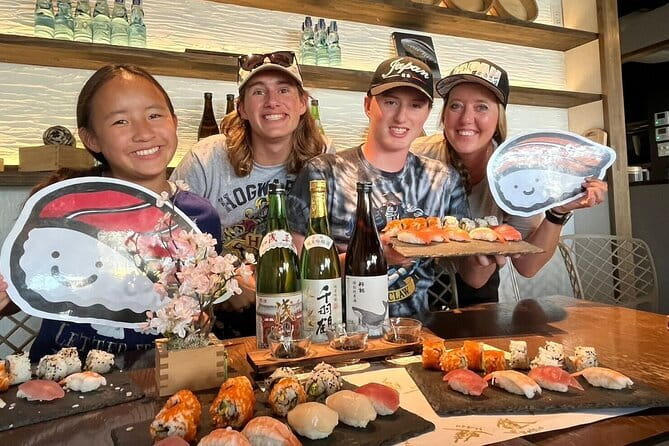
After you finish your Ousucha, the class doesn’t stop at plain matcha. You also get matcha latte and matcha sweets.
The data says they use an original blend matcha that goes perfect with milk and sugar. That’s a useful clue for you as a shopper. It suggests not all matcha is meant to be treated the same way. Some matcha shines on its own as a whisked drink. Other matcha is built to handle milk and sweetness without getting lost.
So this part is not just dessert. It’s an experiment in matching flavors to format. When you taste latte after you’ve compared multiple matcha samples, you start to understand what changes when dairy and sugar enter the picture.
In terms of expectations, plan for light sweets, not a full dinner. If your day includes a proper lunch and you just want something calm and focused afterward, this ending fits nicely.
Price, Group Size, and Timing: Is $62.12 Good Value?
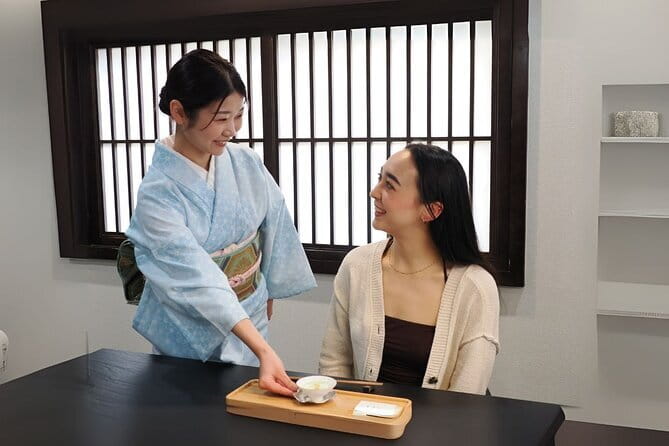
At $62.12 per person, this is not a budget “grab a drink” activity. But for what you get in a short time, it can feel like good value, especially compared to doing matcha tastings one by one on your own.
Here’s what you’re paying for:
- 1 hour 30 minutes with a guide
- Small portions of 10 different matcha types
- A guided comparison across five regions
- Your own chance to whisk and make one matcha
- Included latte and matcha sweets
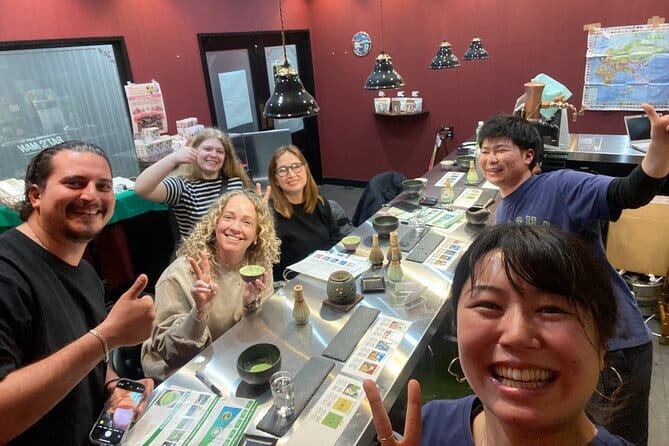
You also get a small group experience. The maximum is 5 travelers, which is key in a hands-on activity. With a bigger group, whisking instruction can turn into wait-time. With a smaller group, you’re more likely to get corrections or answers while you’re working.
Timing is another value factor. The start time is 9:30am, which can be great if you want something that doesn’t mess up the rest of the day. Booking is on average about 20 days in advance, so if you’re traveling in peak season, give yourself time.
One more check: you get a mobile ticket. That’s convenient in Tokyo, where you don’t want to waste time hunting paperwork.
For satisfaction, the experience has a 5 out of 5 rating based on 7 reviews. I treat that as a signal that the format works and the teaching style lands well.
Getting There at 9:30am: The Henn Na Hotel Meeting Point
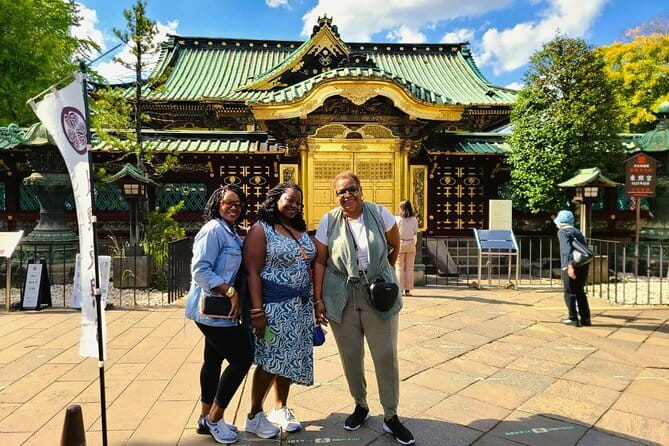
The meeting point is matcha trip, Henn Na Hotel (2F sports bar Leaf), 111-0042 Tokyo, Taito City, Kotobuki, 3-chōme 19-8. Start time is 9:30am, and the activity ends back at the meeting point.
Why this matters: it’s a clear, easy-to-find landmark. Also, it’s near public transportation, which helps because the tour is time-specific. You don’t want to be rushing through transfer chaos right when class starts.
If you’re running late, you’ll be stressed. So aim to arrive a bit earlier than the official start. That also gives you a buffer if you need a bathroom break before you start tasting.
Who Should Book This Matcha Class, and Who Might Not
This experience is especially a good fit if:
- You’re curious about how matcha differs by region and want a direct comparison
- You’ve had matcha before but feel like it was all the same
- You want hands-on technique, not just a tasting
- You enjoy structured sensory work, color, aroma, then taste
It may be less ideal if:
- You’re expecting a long full-course food experience. The included food is latte and sweets, not a full meal.
- You want a huge shopping break. This class is about tasting and making, then leaving.
- You prefer to freestyle. The class has clear steps and a guided flow, which is good, but it is still organized.
If you like science-flavored explanations, this one has that edge. Chisei’s soil science angle and Rina’s pharmacy background bring a tone that feels more grounded than generic tea talk.
Book It or Skip It: My Recommendation
Book this tour if you want the fastest path to real understanding of matcha. The combination of 10 tastings, real technique practice with a bamboo whisk, and the follow-up latte and sweets using an original blend makes it a lot more than a simple “drink tea” stop.
Skip it if your only goal is caffeine or a sweet treat with no interest in differences between origins, or if you want something much longer and food-heavy. This is a focused class, and that focus is its strength.
FAQ
What is the duration of the Matcha Making Experience and Matcha Comparison in Tokyo?
It lasts about 1 hour 30 minutes.
Where does the tour start?
The meeting point is matcha trip at Henn Na Hotel, 2F sports bar Leaf, in Taito City.
What time does the tour start?
The start time is 9:30am.
How much does it cost?
The price is $62.12 per person.
How many matcha types will I taste?
You will taste 10 kinds of matcha, and you also make one matcha by yourself.
Which matcha production areas are included?
The matcha samples come from Kyoto, Shizuoka, Aichi, Fukuoka, and Kagoshima.
Can I make matcha myself during the class?
Yes. You choose your favorite and make matcha using a bamboo tea whisk, including making Ousucha (matcha).
Is matcha latte and sweets included?
Yes. You get matcha latte and matcha sweets using the tour’s original blend matcha.
What languages are the guides?
A local guide is provided in English and Japanese.
What is the cancellation policy?
Free cancellation is available. You can cancel up to 24 hours in advance for a full refund. If you cancel less than 24 hours before the start time, the amount paid is not refunded.
More Tour Reviews in Tokyo


Not for you? Here's more nearby things to do in Tokyo we have reviewed












Tokyo City Tours, side by side.
 ★ 5.01-Day Tokyo Bus TourFrom $12914,250 reviews
 ★ 4.5TOKYO SKYTREE® Admission ticketFrom $1311,192 reviews
 ★ 4.6teamLab Planets TOKYO Digital Art Museum Entry TicketFrom $259,779 reviews
 ★ 4.0Mt Fuji & Hakone Cruise, Drum Show Bullet Train 1 Day from TokyoFrom $1497,413 reviews
 ★ 5.0Shinjuku Food Tour (13 Dishes at 4 Local Eateries)From $866,603 reviews
 ★ 4.4Tokyo Mt Fuji 5th St & Hakone Cruise Bus Tour w/Bullet TrainFrom $1545,024 reviews
 ★ 5.0Flagship 2-Hours Official Street Go-Kart Tour – Tokyo Bay ShopFrom $644,974 reviews
 ★ 4.5From Tokyo: Mount Fuji Full-Day Sightseeing TripFrom $684,970 reviews