
Review · SHIBUYA TOURS
Official Japan Go-Kart Shibuya / Tokyo Tower (IDP Required)
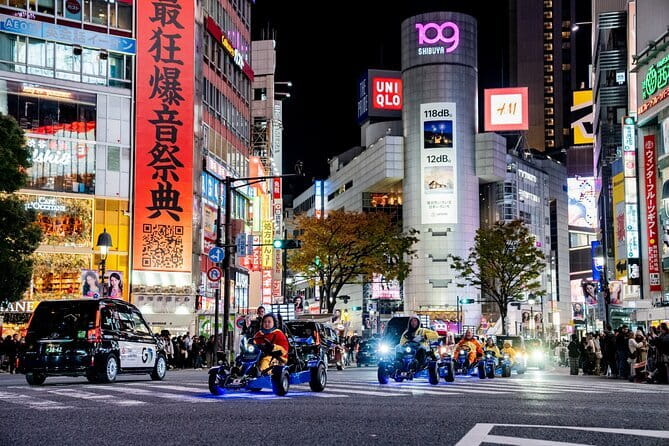
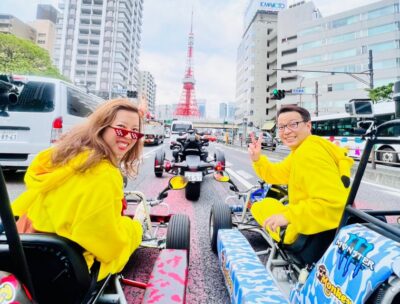
Tokyo traffic is intense, but this ride skips the stress. This guided go-kart tour in a small convoy lets you see major Tokyo landmarks from the driver seat, with stops built around Shibuya Crossing and Tokyo Tower.
What I like most is the low-drama format. You do not have to study maps or fight navigation, because the route is guided and the group stays small. I also love that go-kart rental is included, so you can show up, get briefed, and focus on the views.
One key consideration: to drive, you must bring the right documents. You need a physical IDP booklet plus your original license, and you cannot substitute photos or digital copies. If you forget anything, the tour can be canceled with no refund.
Key points to know before you go
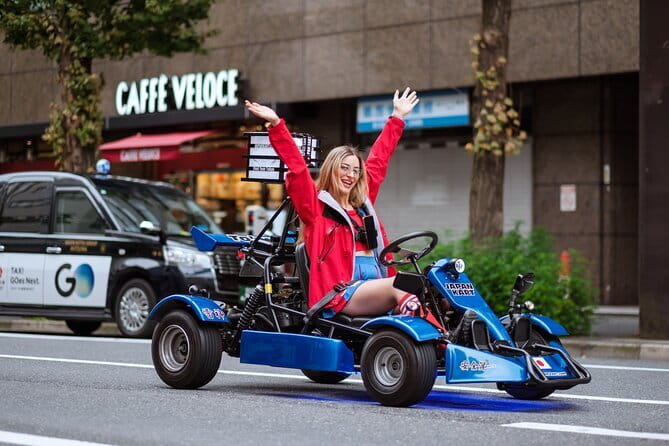
- IDP required to drive: you must bring a booklet-format International Driving Permit (1949 Geneva format) plus your license
- Guided convoy, not a race: you get a sightseeing drive with direction, and you do not have to navigate
- Small group feel: group size is capped at 10 people, with the activity listing a maximum of 15 travelers
- Landmark lineup: Imperial Palace area, Shibuya Crossing, Roppongi, Tokyo Tower, and Tokyo Station
- Tokyo Tower stop is short: plan for a quick photo moment since admission is not included and the stop is about 10 minutes
- Photo-forward team: staff help with pictures along the way, so you leave with more than just memory
Price and what you actually get for it
At $145.35 per person for about 2.5 to 3 hours, this is not the cheapest way to see Tokyo. But you are paying for something specific: a guided, small-group go-kart experience where the kart rental is included and the route is built around major landmarks.
For me, the value calculation comes down to two things. First, you are not just sightseeing on foot or by bus, you are doing the sightseeing from a go-kart seat with a built-in storyline: Shibuya to Tokyo Tower, with Imperial Palace and Tokyo Station folded into the ride. Second, you are avoiding the usual hassle of planning a route while in an unfamiliar city. This kind of structure matters, especially if you are balancing other Tokyo priorities.
You can also read our reviews of more tours and experiences in Tokyo.



Meeting at JAPANKART Kanda and getting set up fast
Your meeting point is JAPANKART Kanda Branch, 4F, 42 Kanda Higash Matsushita-cho, Chiyoda City, Tokyo 101-0042. It is close to public transportation, which helps because you do not want to waste your kart time hunting for the start.
Arrive 15 minutes early. You will want that buffer for check-in and the driver briefing. The experience is run with tight timing, and the rules are strict about what you bring and wear.
One more practical note: the tour says alcohol consumption before the tour is prohibited. I treat this as a hard rule, not a suggestion. Also, plan your outfit. Do not wear long skirts, high heel shoes, or sandals. Go for something secure and comfortable, like sneakers and pants you can move in.
Documents that make or break your ability to drive
This is the big one. You must present both your driver’s license and an International Driving Permit to participate, and the details matter.
- Your IDP must be issued in the format of the 1949 Geneva Convention
- It must be in booklet form, not paper or A4
- IDPs under the 1968 Vienna Convention are not accepted in Japan
- You need the required documents as physical copies at the time of driving. Photos or digital versions are not accepted.
There are also license exceptions. If your license is issued in Switzerland, Germany, France, Taiwan, Belgium, or Monaco, you will need a Japanese translation from JAF, using the Japan Automobile Federation process, plus your original license.
Finally, do not risk an unofficial IDP. Some online companies sell documents that are not valid. Only use an IDP issued through a government-authorized association.
If you like a smooth trip, check your documents twice before you leave home.
How the guided convoy works on Tokyo streets
This tour is built around a simple promise: you get guided riding with a small convoy, so you are not stressing about directions. The experience is not described as a race. It is more like a structured sightseeing drive where you still get the fun of controlling a kart through Tokyo traffic flow.
Because it is a guided route, you get more consistent landmark viewing. Because group size is capped (10 people in the overview, and a maximum of 15 travelers listed), the staff can keep everyone together.
For first-timers, that combination is the sweet spot. You get the thrill of motion and street-level energy, with enough guidance that you can focus on the moment rather than constant route checks.
Imperial Palace area stop: calm contrast on a car-powered sightseeing loop
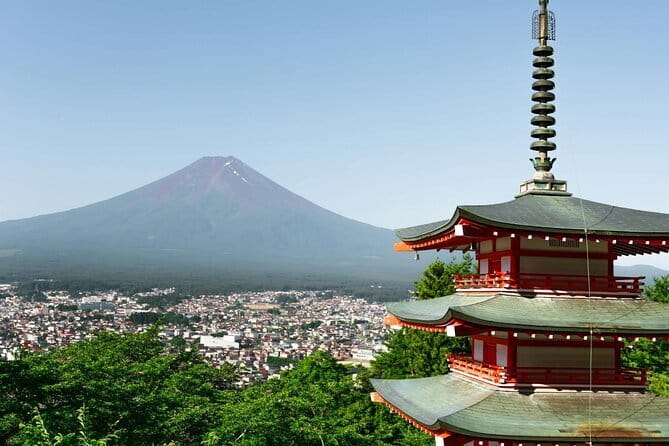
One stop centers on the Imperial Palace in Tokyo, the main residence of the Emperor. The area sits on the former site of Edo Castle, with traditional-style architecture, lush gardens, and wide moats and stone walls.
Even if you are not spending long on foot, this stop gives your tour a welcome pause. Tokyo can feel nonstop. The Imperial Palace grounds are a different rhythm. You get to switch gears from neon and crowds to something more orderly and spacious.
What to expect:
- A short stop where you can look around and get photos
- A change of scenery that makes the later city lights feel even more dramatic
Potential drawback:
- This is not a long walk-through. If you want deep time at the gardens or inner grounds, you will need separate sightseeing on your own.



Shibuya Crossing: the neon landmark moment from street level

Shibuya Crossing is the headline for a reason. It is famous for the massive pedestrian surges when the lights change, and it has the neon-heavy, electric look people travel for.
What makes this stop special on a go-kart tour is perspective. You are not just watching from the sidewalk. You get to experience the area from the street, so the scale feels different. One review-highlight pattern also points to the fact that you ride on the roads around the Shibuya Crossing area, which is a huge part of why people call it thrilling.
What to expect:
- You are in the Shibuya zone as part of the run, not just stuck looking from afar
- Photo opportunities as you pass major viewpoints
Practical thought:
- Shibuya is visually intense. Have your camera ready, but do not panic about perfect shots. The tour is guided, and you will have chances as you move through the area.
Roppongi ride-through: nightlife district energy, daytime context included
Roppongi shows up as a stop in the itinerary, and it is known as an area for nightlife, bars, clubs, and international dining. It also has a daytime side, with things like shopping and museum interest.
On this tour, the value is less about deep museum time and more about feeling the district pulse from your kart. You get a Tokyo highlight that is not only about shopping or only about landmarks, but about how the city changes across neighborhoods.
What to expect:
- A drive through the Roppongi area as the route threads between big sights
- Views that help you connect Tokyo Tower and Shibuya to the wider city map
Possible drawback:
- If your ideal day is focused on one indoor attraction like a museum, this go-kart format gives you more exterior viewing than inside time.
Tokyo Tower stop: iconic views, quick timing, no admission included
Tokyo Tower is one of the most recognizable skyline silhouettes in Japan. It is designed to resemble the Eiffel Tower and stands about 333 meters tall. The observation decks are known for panoramic views, and the tower is painted in a bright orange and white scheme.
On this tour, the Tokyo Tower stop is around 10 minutes, and the admission ticket is not included. That means you are mainly going for the sight, the photos, and the quick viewpoint moment if there is access in that time window.
What to expect:
- A fast hit of the Tokyo Tower area
- Great opportunities for skyline shots with the structure as a backdrop
The trade-off:
- If you want to go up inside for the full observation deck experience, you will need to plan that separately. With only about 10 minutes here, the tower is a highlight, not a full attraction.
This is still worth it for many people because it anchors your route. Once Tokyo Tower is locked in, the rest of the sightseeing feels connected.
Tokyo Station: red-brick icon in the middle of modern Tokyo
Tokyo Station is a historic railway hub with an architectural look that feels classic and grand. It opened in 1914, and its red-brick facade stands out against Tokyo’s modern skyline. Inside, you can find lots of shops and restaurants, but even from outside, it is a landmark that helps you understand Tokyo’s layers.
On this go-kart tour, Tokyo Station is valuable because it gives the ride a sense of arrival and closure. You start in Kanda, hit central highlights like Shibuya and Tokyo Tower, and then end at Tokyo Station as the city’s big transit heart.
What to expect:
- A landmark pass where you can appreciate the building exterior
- Easy integration with future plans since Tokyo Station is a transit hub
Practical note:
- If you want shopping or a long sit-down meal inside, plan for after the tour, not during it.
Clothing, comfort, and the real feel of go-kart riding in Tokyo
Go-karting in Tokyo can sound like a movie scene. Some review language compares it to the Fast and Furious vibe, but with slower pacing and more of a sightseeing drive feel. That comparison is probably the right mental picture: fun driving energy, guided pacing, and city awareness.
The ride is also outdoors. One of the best review themes is how well the team keeps things fun even when it is chilly. That matters. You may have wind exposure depending on the season and your tour time.
To keep it comfortable:
- Wear closed-toe shoes with good grip
- Dress in layers so you can handle temperature shifts
- Bring your ID documents in a way that is quick to reach
Also, watch the instructional video in your confirmation email. If you want a smooth start, treat that as part of the experience, not homework.
Who this is best for
This tour fits best if you want Tokyo highlights without getting stuck in a tight, slow bus rhythm. You like moving city to city visually, but you also like direction so you do not lose time.
It is a strong choice for:
- People who want a memorable Tokyo activity that still feels practical and guided
- First-time visitors who want the biggest landmarks grouped into one run
- Groups of friends or couples who want a small group format (with capped numbers)
It may not be ideal if:
- You want long museum-style time at multiple attractions
- You are not ready to handle the IDP document requirements carefully
- You prefer casual sightseeing with zero driving responsibilities
Small details that add up to a better experience
These are the kinds of specifics that separate a good tour from a great one.
The staff organization seems to be a major strength. People repeatedly describe the team as friendly and helpful, and they emphasize safety plus excitement. That combo matters because the tour mixes driving and major landmark zones.
Another detail: photos. The experience is set up so the staff can capture images along the way. That means you are not stuck asking strangers to take pictures every five minutes.
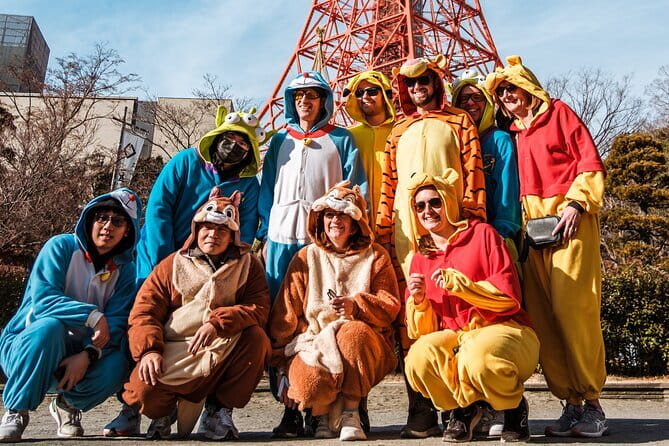
And yes, some riders note playful costumes like a tiger theme. If you are up for it, you might leave with more than just photos, you might leave with a story.
Should you book Japankart Shibuya to Tokyo Tower?
Yes, I think you should book it if you meet one big condition: you have the correct driving paperwork and you want to see Tokyo from a street-level kart perspective.
The price feels fair when you factor in guided routing, small-group pacing, and included kart rental, plus the landmark checklist it covers. Tokyo Tower, Shibuya Crossing, Imperial Palace area, and Tokyo Station in one structured run is a lot to pack into a 2.5 to 3 hour window.
Skip it if you cannot handle the IDP requirements, if you want long stops for attractions, or if you prefer to avoid the clothing rules and quick briefing routine.
If you are prepared, this is one of those rare Tokyo experiences that feels like sightseeing plus real activity, without forcing you into heavy planning.
FAQ
Do I need an International Driving Permit to drive this go-kart tour?
Yes. You must present both your driver’s license and an International Driving Permit to participate and drive.
What kind of IDP is accepted in Japan for this tour?
The tour specifies an IDP in the format of the 1949 Geneva Convention, issued in booklet form. IDPs issued under the 1968 Vienna Convention are not accepted.
What documents do I need to bring, and in what format?
You need a physical copy of your valid driver’s license and the physical booklet-form IDP (and any required Japanese translation if your license is from certain countries listed by the tour). Digital copies or photos are not accepted.
How early should I arrive at the meeting point?
Please arrive 15 minutes before the booking time.
What should I wear for the tour?
The tour advises not to wear long skirts, high heel shoes, or sandals.
Is alcohol allowed before the tour?
No. The tour states that alcohol consumption before the tour is prohibited.
How long is the experience?
It runs about 2 hours 30 minutes to 3 hours.
Where is the meeting point?
The meeting point is JAPANKART Kanda Branch, 42 2階, Kanda Higash Matsushitachō, Chiyoda City, Tokyo 101-0042. The tour ends back at the same meeting point.
How many people are in the group?
The overview says the group size is capped at 10 people, and the activity listing states a maximum of 15 travelers.
What Tokyo sights are included?
The itinerary includes stops for the Imperial Palace, Shibuya Crossing, Roppongi, Tokyo Tower, and Tokyo Station, with Tokyo Tower admission tickets noted as not included for the short stop.
More Tour Reviews in Tokyo
Not for you? Here's more nearby things to do in Tokyo we have reviewed












Shibuya Tours, side by side.
 ★ 5.0Official Street Go-Kart in ShibuyaFrom $763,435 reviews
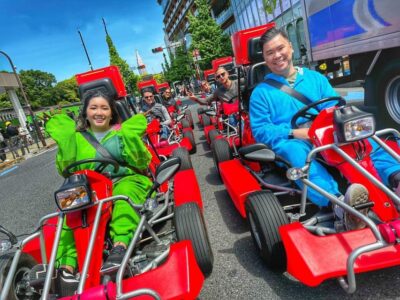 ★ 4.9Street Kart Experience in ShibuyaFrom $741,484 reviews
 ★ 5.0Shibuya Meltdown Nightlife Tour: All-You-Can-Drink Bar HoppingFrom $1061,058 reviews
 ★ 5.0Shibuya Official Street Go-Kart in Shibuya AnnexFrom $69972 reviews
 ★ 5.0Shibuya Food Tour (13 dishes and 4 Eateries)From $77770 reviews
 ★ 5.0Best of Shibuya Food TourFrom $217612 reviews
 ★ 4.8Shibuya Highlights Walking TourFrom $19601 reviews
 ★ 4.7Premium Go-Kart Tour with Tower & Shibuya CrossingFrom $116528 reviews
This tour also belongs to