
Review · MOUNT FUJI TOURS
From Tokyo: Full-Day Mount Fuji Tour in English or Spanish
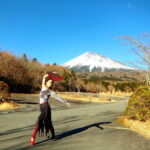
Fuji views plus shrine steps, all in one day. This Mount Fuji day tour from Tokyo strings together classic viewpoints like Arakurayama Sengen Park and the Chureito Pagoda, plus a calm Lake Kawaguchiko cruise for a nice change of pace. It also gives you a deep look at the pilgrimage route culture around Fuji.
What I like most is how the itinerary mixes photo stops with meaning, and not just quick look and go. I also like the way the day gives you standout views at multiple angles, including the classic fifth station outlook. One possible drawback: you should be ready for walking, including the Arakura area’s 400 steps if you take the stair route.
Key highlights worth planning around
- Multiple Fuji viewpoints: Expect famous angles from the area around the fifth station and later from Honcho Street.
- Arakura Sengen Park options: You can choose the 400-step route or a no-steps slope to reach the same places.
- Chureito Pagoda photo time: Built for that iconic Mount Fuji backdrop moment.
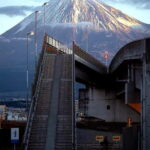
- Honcho Street, Fuji Michi pilgrimage link: A shopping street with historical context, not just a place to browse.
- Oishi Park stone memory gardens: Seasonal flowers plus local stone stories tied to Fuji eruptions.
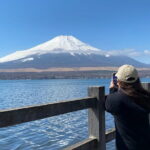
- Lake Kawaguchiko sailing: A 40-minute cruise that makes the day feel less rushed.
How this Mount Fuji tour works from Nishishinjuku
This is a long, full-day outing with a 10-hour total run. You start in Nishishinjuku at 6-chōme-5-1, and you end back in the same area at 1-chōme-8-8. There’s also a brief bus ride at the start, listed as about 30 minutes, before you begin the sightseeing rhythm.
The tour is led by a live guide in English or Spanish. The meeting point is in front of the Robert Indiana sculpture LOVE, where the guide shows up with a JP Travelers sign and announces in Spanish, Fuji tour in Spanish. That clarity matters because Fuji days can be hectic, and finding your group quickly saves time you can spend outdoors.
Transport is rated highly, with 92% of reviewers giving it a perfect score. That usually means you can settle in for the long day and keep your energy for the walks and viewpoint stops.
More Tokyo tours and experiences for the shortlist
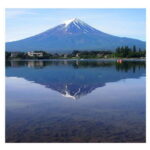
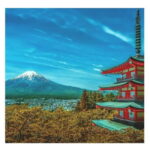
Arakurayama Sengen Park, the stair choice, and why it matters
Your first major stop is Arakurayama Sengen Park Observatory, with a guided sightseeing window of about 70 minutes. This is a smart opener because it sets the tone fast: Fuji views start early, and you get a sense of the sacred mountain theme before you hit the main icons.
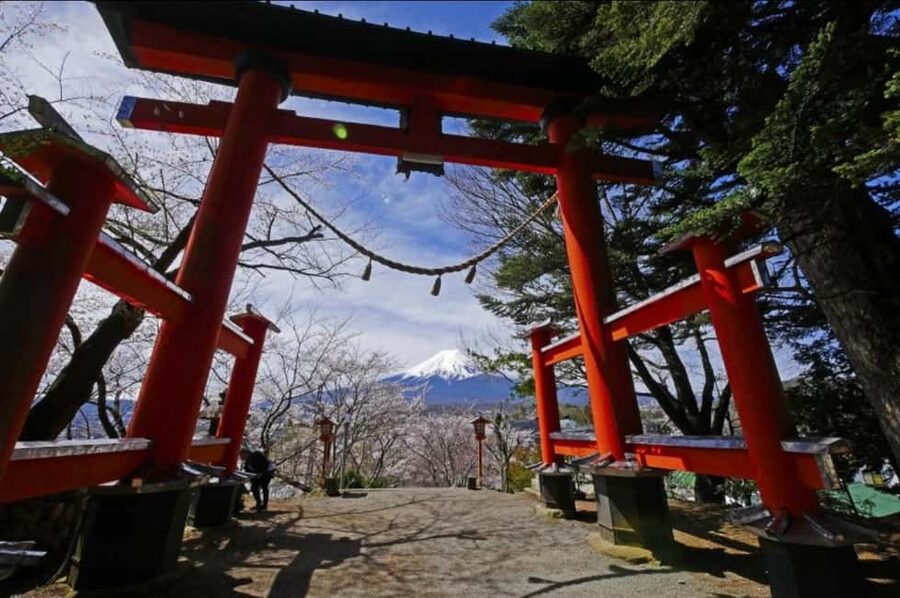
The Arakura mountain area is built around two routes to the shrine and pagoda spots. One route involves 400 steps total. The first 100 steps take you to the shrine, and then the next 300 steps lead up to the pagoda viewpoint. The other option is a beautiful slope without steps, which reaches the same places while feeling easier on the knees and calves.
If you want a practical tip, treat the stair route like an intentional mini-hike. Go slowly, take breaks for photos, and save the steep effort for when your legs are fresh. If stairs aren’t your thing, the slope option is there for a reason, and it keeps the experience accessible without turning it into a “skip everything” day.
Chureito Pagoda, the classic silhouette shot
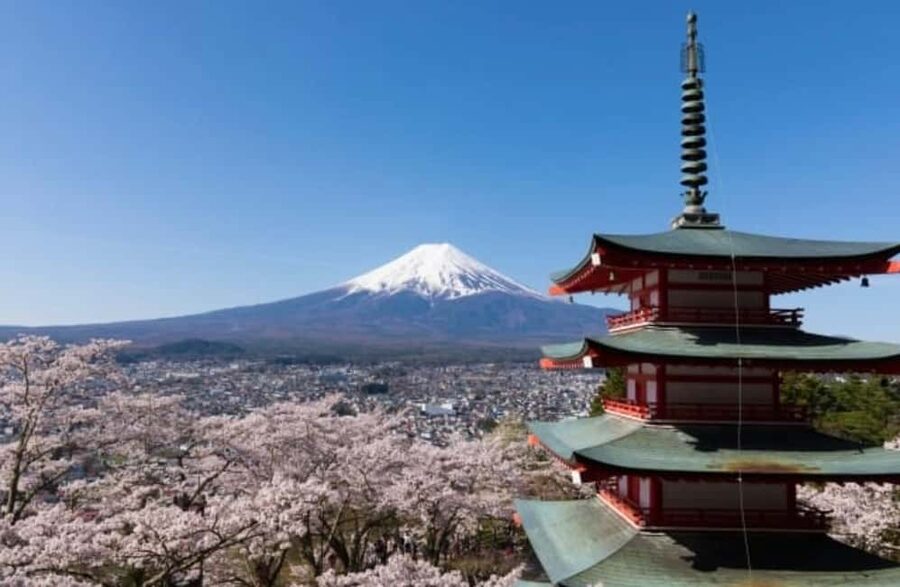
After Arakura, you visit Arakura Fuji Sengen Shrine and then head to Chureito Pagoda for guided sightseeing and walking. Chureito is the stop most people picture when they think of Mount Fuji photo postcards, and this route is built around getting you to the viewpoint where the composition works.
The pagoda visit is part of why this tour feels efficient. You are not just dropped at one spot. You climb within a connected sacred area, and you experience the sequence the landscape was designed for, shrine first, then the pagoda.
The upside of having a guide is context. You learn what the site represents and why people come up here, so your photos are tied to more than scenery. The upside of visiting with time set aside is that you can wait for better light and reposition without feeling like you missed your moment.
Honcho Street and the Fuji Michi pilgrimage route
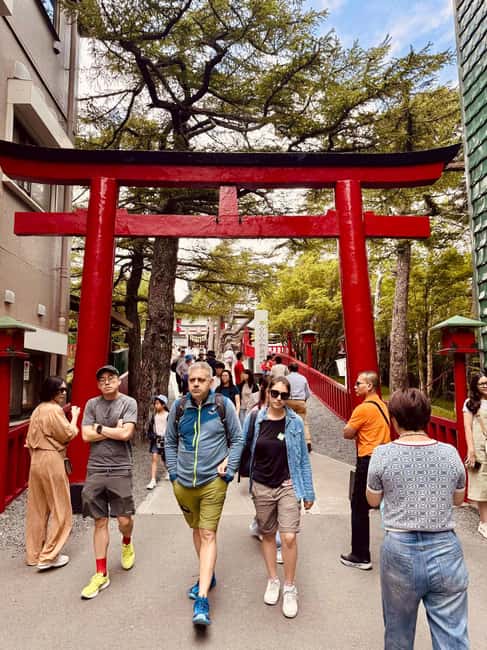
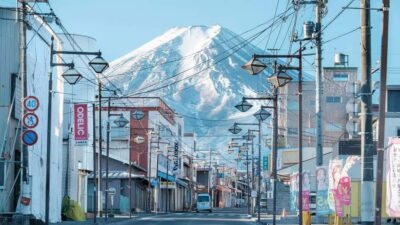
Next you walk along Shimoyoshida Honcho Street for about 40 minutes. This isn’t just a generic “shopping strip.” It’s linked to the Fuji Michi, the path connected to pilgrimage traditions leading toward the sacred mountain. The street has traditional architecture and local shops, so you get a cultural pause between viewpoints.
This is also the moment when you’re likely to appreciate the way the day alternates between steep effort and easier wandering. You can browse, grab a snack if you need one, and take advantage of the street’s famous Mount Fuji angles.
If you prefer practical sightseeing, Honcho Street works well because you’re not standing still for long. You move, you look up, and you stop when you want the best view. It’s a different kind of Fuji experience, more everyday and local than the big scenic platforms.
Kitaguchi Hongu Fuji Sengen Shrine and the UNESCO connection
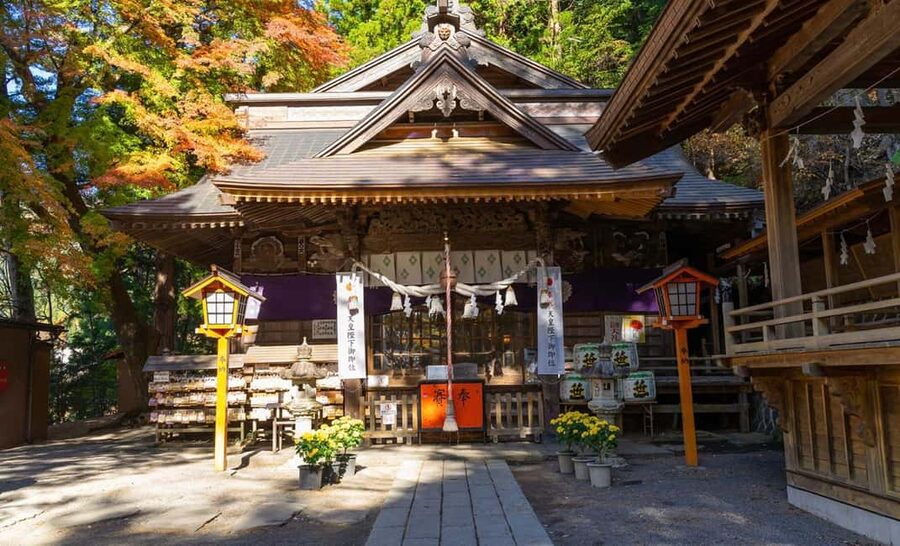
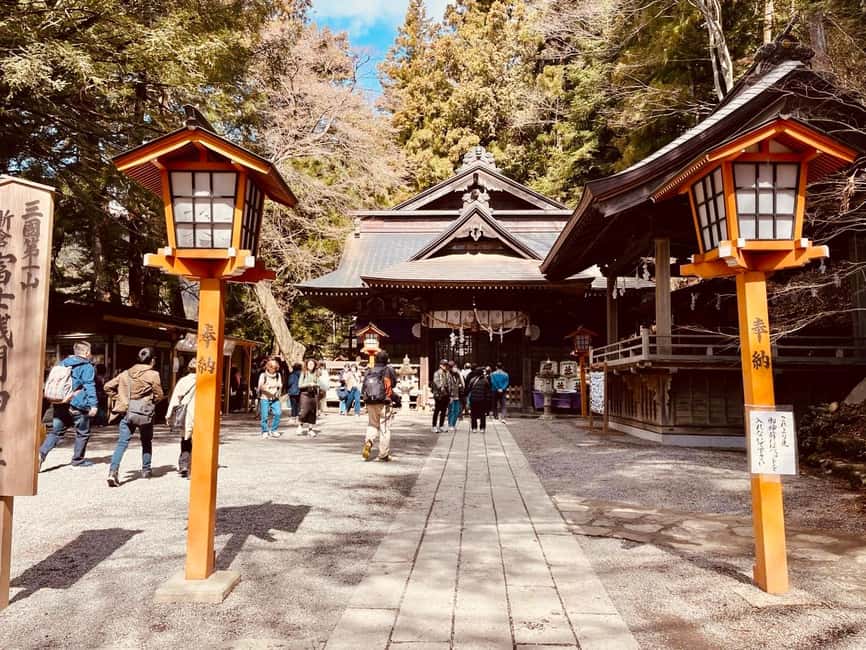
Then it’s on to Kitaguchi Hongu Fuji Sengen Shrine for about 50 minutes of guided sightseeing. This is one of the most valuable stops on the itinerary because it grounds the day in religion and history.
The shrine is part of the Mt. Fuji UNESCO World Cultural Heritage site, designated in 2013. It’s said to have over 1,900 years of history, with origins dating back to 100 AD, when a small shrine was built to honor the legendary prince Yamato Takeru during his passage through the region.
It’s also described as the true and ancient northern entrance to Mount Fuji, and the starting point of a long pilgrimage route. That matters because it helps you understand why the entire area feels like more than a tourist circuit. The route you are following today mirrors the idea of approach and reverence.
There’s one more practical note in the tour information: if Mount Fuji is closed or entry is restricted for reasons beyond control, the plan adjusts to still include the shrine visit. That flexibility is a relief on a day that depends heavily on access and weather.
Oishi Park and the stone gardens with seasonal flowers
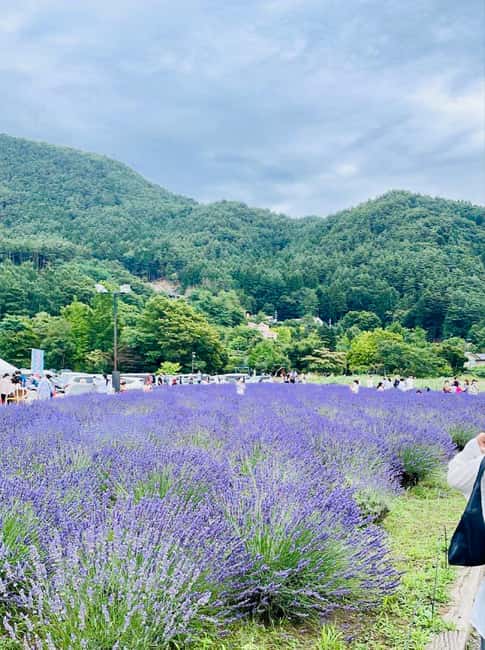
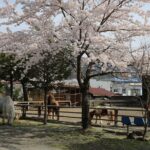
After the shrine and street walking, you go to Oishi Park, guided sightseeing for about 50 minutes. This park sits in front of Lake Kawaguchiko, and it’s built using stones recovered by local people from past Fuji eruptions. The park is meant to remember those eruptions that affected the lake area.
You’ll walk through gardens with seasonal flowers. That seasonal angle is important because a Fuji day can be visually repetitive if every stop is only about the same skyline. Here you get texture and color in the foreground, flowers and gardens rather than only distant views.
There’s also a food moment, with 14 flavors of creamy ice cream listed for you at the park. Lunch is not included on the tour, and ice cream is also not included, so if you want to taste those flavors, treat it as your flexible budget stop.
If you enjoy souvenirs, Oishi Park is also where you can buy local fruits and keepsakes. That’s a nice way to turn the final stretch of sightseeing into something tangible before you head out on the water.
Lake Kawaguchiko cruise, where the day finally slows down
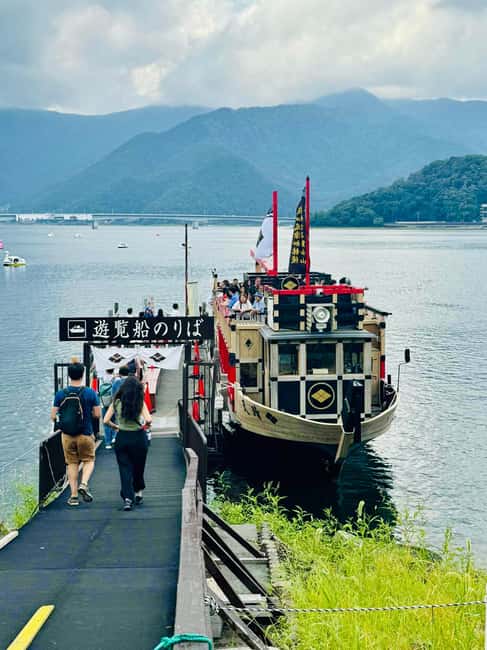
To close the day, you do a cruise on Lake Kawaguchiko, listed as a 40-minute sailing. Kawaguchiko is the second largest lake around Mount Fuji, and the cruise is the part that often feels like a reset button after the walks.
You get views of Mount Fuji and the lake surroundings from the water. That perspective matters because it changes the relationship between the mountain and the terrain. From shore, you’re usually framed by buildings, paths, and park viewpoints. On water, the horizon opens up and the scenery feels more balanced.
This is also a good time to stop thinking like a checklist tourist. Watch the shorelines drift by, check the mountain angle from multiple moments, and let the day end on something slow and scenic.
The guide factor: clear history and Spanish that actually helps
The biggest consistent theme in the experience is the guide. In Spanish-speaking departures, guides like Luis stand out for explaining each site with clear enthusiasm and history that actually connects to what you’re seeing. You also get practical pacing, like guidance on timing to help avoid the heaviest crowds.
There’s also value in language. When you’re standing in front of shrines, pagodas, and pilgrimage routes, knowing what each place represents makes the whole day click. If you’re traveling in Spanish, having a guide who can talk through the meaning of sites, not only describe them, makes a real difference.
If you prefer English, the guide also runs the experience in English. Either way, the guiding approach is designed to keep you moving through the day while still understanding what the route is showing you.
Price and what you are really paying for
At $90 per person for about 10 hours, the price has a lot of built-in structure. You get bus transportation, a guide fee, and entrance fees for the listed places. You also get the major experiences that are costly in time and logistics, including the Lake Kawaguchiko cruise and the guided visits across the Arakura and shrine circuit.
What is not included is also clearly laid out. Lunch, snacks, drinks, and ice cream are on you. Comfortable budgeting helps here. You might want lunch in the area or plan to snack at Honcho Street and Oishi Park. The ice cream stop is tempting, especially with 14 flavors listed, but it is not part of the included cost.
So the value is less about a cheap ticket and more about paying for a smooth, guided day that strings together viewpoints that would be harder to manage alone in a single trip from Tokyo.
What to bring and what to wear for Fuji day conditions
This is a day of walking and outdoor time, so you’ll want comfortable shoes and comfortable clothes. If you plan to take the stair option at Arakura, treat footwear seriously. Your calves will notice.
Bring a camera, sunscreen, and water. The tour info also suggests bringing food and drinks, which is practical when lunch is not included and weather can shift fast. If you’re sensitive to wind or temperature changes, plan your outfit layers so you can adjust on the fly.
A simple rule for Fuji: don’t assume you will see the mountain at every stop. Clouds roll in, and weather changes rapidly. The guide route still matters, even on less perfect days, because the shrines, parks, and lake scenery keep the day meaningful.
Who this tour suits best, and who should skip it
This is a good fit if you want a structured Mount Fuji tour from Tokyo that covers the big icons in one go: Arakura Sengen Park, Chureito Pagoda, Honcho Street, Kitaguchi Hongu Fuji Sengen Shrine, Oishi Park, and a Kawaguchiko cruise.
It’s also a strong pick if you value Spanish or English guided context, not just photos. The tour is designed to explain what you’re seeing, and guides like Luis are a big reason people rate it highly.
Two practical considerations to keep in mind:
- The day includes walking and potentially a 400-step route, so mobility matters.
- It is not suitable for people over 95 years.
If you want a calmer, minimal-walking day, you might prefer a different format. But if you can handle a full sightseeing day, this one is built for you.
Should you book this Mount Fuji tour?
Book it if you want a single day that balances iconic views with pilgrimage and shrine context, and you want the comfort of a guide who can explain things in your language. I’d also book it if you hate the stress of figuring out timing across multiple Fuji spots, because this route does the connecting for you.
Consider skipping or choosing another option if stairs are a dealbreaker or if you want lunch included and zero extras. Since lunch and snacks are not part of the included price, you should plan for food during the long day.
If your dream is classic Mount Fuji photos plus a real sense of how people approach the mountain, this tour hits that goal efficiently.
FAQ
How long is the Mount Fuji tour from Tokyo?
The tour runs for 10 hours.
How much does the tour cost?
The price is $90 per person.
What languages are offered?
The live tour guide offers Spanish and English.
Where is the meeting point in Tokyo?
Meet in front of the Robert Indiana sculpture LOVE in Nishishinjuku, at 6-chōme-5-1. The guide holds a sign with JP Travelers.
What is included in the tour price?
Bus transportation, guide fee, entrance fees, and the visits to Mount Arakura Sengen Park, Arakura shrine, Chureito Pagoda, Honcho Street walk, Kitaguchi Hongu Fuji Sengen Shrine, Oishi Park, and a Lake Kawaguchiko cruise.
Is lunch included?
No. Lunch, snacks, drinks, and ice cream are not included.
Is there a cruise on Lake Kawaguchiko?
Yes. You get a cruise around Lake Kawaguchiko for about 40 minutes.
How much walking is involved at Arakura?
The tour describes two routes. One route includes up to 400 steps, and there is also a slope option without steps that reaches the same places.
What if Mount Fuji access is restricted or Mount Fuji is closed?
If Mount Fuji is closed or entry is not permitted, the tour will instead visit the Kitaguchi Hongu Fuji Sengen Shrine.
What should I bring?
Comfortable shoes, a camera, food and drinks, sunscreen, water, comfortable clothes, and cash.
More Full-Day in Fujiyoshida

More Tours in Fujiyoshida
More Tour Reviews in Fujiyoshida
Not for you? Here's more nearby things to do in Fujiyoshida we have reviewed
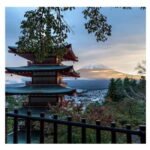
Mount Fuji Tours, side by side.
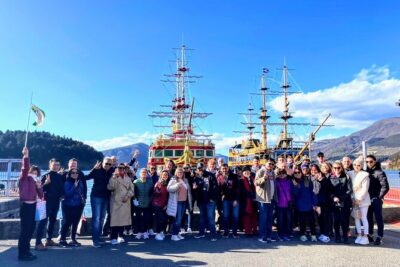 ★ 5.0Mt Fuji and Hakone 1-Day Bus Tour Return by Bullet TrainFrom $16326,383 reviews
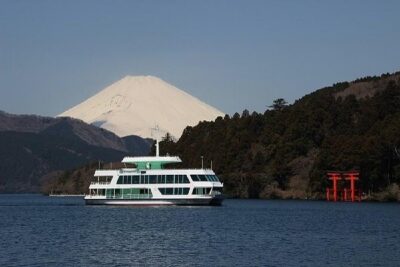 ★ 4.0Mt Fuji & Hakone Cruise, Drum Show Bullet Train 1 Day from TokyoFrom $1497,413 reviews
 ★ 4.4Tokyo Mt Fuji 5th St & Hakone Cruise Bus Tour w/Bullet TrainFrom $1545,024 reviews
 ★ 4.5From Tokyo: Mount Fuji Full-Day Sightseeing TripFrom $684,970 reviews
 ★ 4.7Mt. Fuji Tour, Hakone Ropeway, Owakudani, Lake AshiFrom $544,002 reviews
 ★ 4.2Mt. Fuji 5th Station & Hakone Cruise 1-Day Bus TourFrom $1292,381 reviews
 ★ 4.7Mt Fuji Top 5 Spots Day Tour: Arakurayama Park,Oshino HakkaiFrom $532,066 reviews
 ★ 5.0Private Tour to Mt. Fuji and Hakone (Fully Licenced Operator)From $4971,910 reviews