
Review · TOKYO CITY TOURS
Experience the Taste of Old Tokyo in Backstreet Yanesen
Tokyo still has pockets of the past. Yanesen is one of them, and this walk turns the streets into a food lesson. You’ll move through Yanaka, Nezu Shrine, and Sendagi, with multiple tastings along the way.
What makes it especially fun is the mix of old places and very eatable stops. I like how the day pairs temple-town atmosphere with practical bites like handmade onigiri, fresh unagi, nostalgic sweets, and retro kissaten coffee. I also like that guides such as Kan, Michelle, Diana, and Mairi focus on pacing, history context, and the why behind each food.
One thing to consider: the experience runs as a good-weather walk. If the weather turns, you may need to reschedule, so plan your trip window accordingly.
Key highlights you should care about
- A small group of up to 6, so you can actually hear your guide and ask questions
- Food and drink included, including breakfast, lunch, snacks, coffee or tea, and alcoholic beverages
- Old Tokyo neighborhoods on foot, with Yanaka’s temple-town feel, plus Nezu Shrine and Sendagi’s preserved vibe
- Several shrine and temple stops are free, which keeps the day focused on the walk and tastings
- Guides who set the right pace, balancing bites with the stories behind them
Yanesen on foot, where food feels like culture
Yanesen means three neighborhoods with a shared personality: Yanaka, Nezu, and Sendagi. After WWII, much of Tokyo modernized fast, but this area kept a slower rhythm, with narrow lanes, older wooden townhouses, and lots of religious and cemetery spaces that shape daily life.
What you’re really buying with this tour is time with a guide who connects the dots. You don’t just sample food, you get context for why it belongs here, and how the neighborhood’s shape influenced what people ate and bought. That matters, because Tokyo can feel endless if you’re only chasing the next photo.
The tour is about 6 hours of walking and stops, starting at 10:00 am near Sendagi. You’ll end in Yanaka, which is a nice payoff because the last part of the walk keeps leaning into the older-streets feeling.
If you like food tours that actually teach you how to notice a place, this format is a strong fit. And if you want a day that feels more like wandering with a sharp local guide than checking a list, the pace and small group size help a lot.
You can also read our reviews of more tours and experiences in Tokyo.



Starting near Sendagi, with an easy meeting point
You start at Saint Marc Cafe in Sendagi, in Bunkyo City, right near Sendagi Station. That’s practical. It means you can get there by public transit without needing private transportation, and you avoid the “what street am I on?” stress that kills momentum.
From the beginning, the day’s style is simple: walk, stop, eat, learn, repeat. You’ll want comfortable shoes, because even without long, steep routes, Yanesen’s streets are not made for slick soles and quick glances.
Also, the tour uses a mobile ticket. That’s helpful when you’re moving through a neighborhood where signboards, alley entrances, and small shops can be easy to miss. Have your phone ready, keep it charged, and plan for a bit of roaming time between stops.
The start time being 10:00 am is another plus. It helps you catch daylight and avoid the dinner rush crowds. If you’re the type who likes to take your time, this schedule supports that.
Yanaka’s temple-town lanes and the first wave of tastes
Yanaka is the heart of the older-streets feel, and your longest early portion of the day is spent here. This part lasts about 3 hours, and it’s where the Yanesen theme clicks into place fast.
Yanaka was built up as a temple town in the Edo period, and the density of temples is a big reason the neighborhood still feels different. In the broader Yanesen area there are 117 temples, and 76 of those are in Yanaka. You feel that concentration when you turn a corner and suddenly the lane is framed by shrine grounds, temple approaches, and old shopfronts.
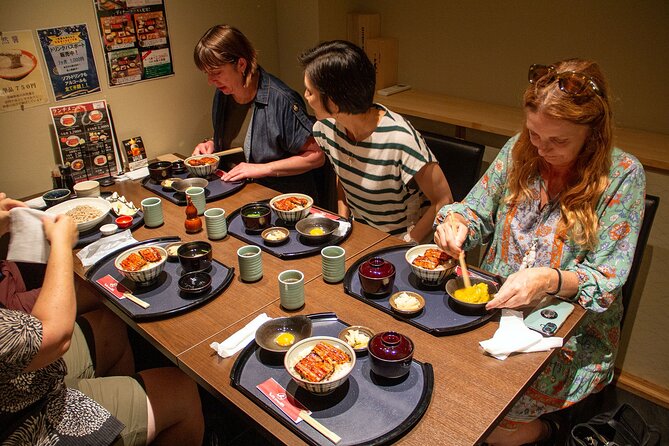
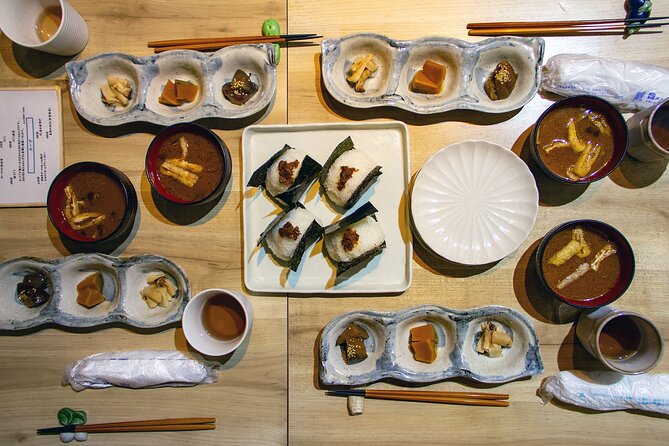
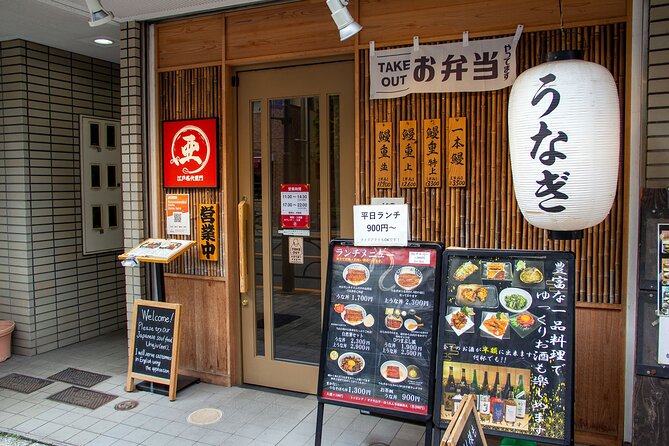
Food shows up right alongside this setting. The tastings here can include handmade onigiri and fresh unagi, which is a great pairing for this area. Onigiri is casual, everyday comfort, while unagi feels like a specialty meal Tokyo has turned into a culinary calling card. Put together, they show you how daily life and tradition overlap.
You may also pass and sample from century-old shops and places that don’t look like “tourist food” even when they’re famous locally. That’s one of the tour’s real values. You’re not just eating, you’re stepping into the kind of environment where people shop and snack because they live nearby.
A small drawback to note: because the first stretch is longer, you’ll want to pace yourself. If you go into it starving, you might feel overwhelmed by the number of bites. Start with small tastes, then slow down and enjoy the guide’s stories as you go.
Nezu Shrine: free entry, 1900-year roots
Next comes Nezu Shrine, a stop of about 30 minutes with no admission ticket required. Even in a short time, it’s a powerful contrast to the nearby streets. Shrine space changes your pace instantly, from casual walking to a calmer, more respectful rhythm.
Nezu is considered one of Japan’s oldest Shinto shrines. Origins are said to date back around 1900 years, while the current main structures were built in the early 18th century. That timeline helps you understand something important about Tokyo: old doesn’t mean frozen. It means layers.
On a food tour, this stop might sound unrelated at first. But it works because your guide can connect the neighborhood’s religious and community life to what people preserved and celebrated. You start noticing how the streets around a shrine function like a hub, not just a monument.
If you’re worried about fitting photos or reading signs, you’re in good shape. The stop is short enough to keep moving, but long enough to take in details and reset your energy before the next stretch.
One practical tip: treat this part as a pause, not a sprint. Even if you’re not a shrine superfan, use it to regroup. You’ll appreciate it more once the day continues back into alley walking.
Nichika Shrine of Enju-ji: a short stop with big atmosphere
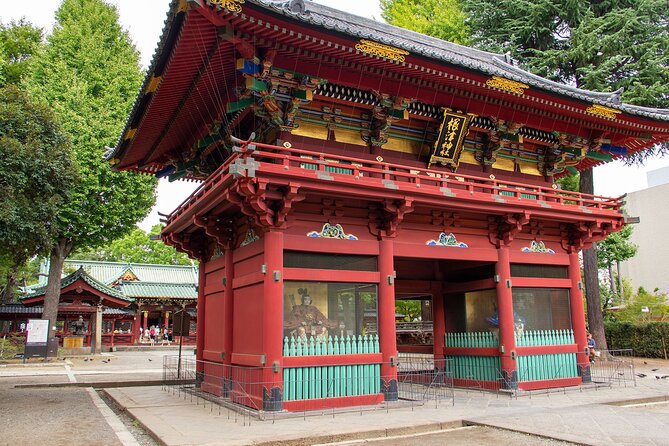
After Nezu, you’ll move to Nichika Shrine of Enju-ji Temple for another 30-minute stop. This is the kind of place that doesn’t need hours to make an impression. The architecture, the approach, and the way the grounds are set up do the work for you.
This stop also reinforces the Yanaka theme of temple density and neighborhood identity. Since the broader Yanesen area holds 117 temples, and Yanaka holds 76, you’re not just seeing a single attraction. You’re experiencing what happens when a neighborhood is shaped by many places of worship.
The admission here is also free, which keeps the experience feeling purpose-built for the day’s main goal. You’re not spending your time buying tickets and waiting in lines. You’re spending it walking, eating, and learning how the area works.
If you enjoy small, specific sights more than big, headline attractions, this portion is a win. You get to slow down without feeling stuck.
The only caution is emotional, not physical: if you’re expecting a loud, energetic kind of sightseeing, these temple stops can feel quieter than the food moments. That’s normal here, and it’s part of why the tour feels like a real neighborhood day instead of an entertainment route.


Sendagi’s preserved streets and the slow Tokyo rhythm
The final neighborhood stretch is Sendagi, about 2 hours. This is where the tour’s “old Tokyo” promise becomes more obvious because Sendagi still preserves an older atmosphere: wooden townhouses, narrow alleys, and a daily pace that feels less rushed than much of central Tokyo.
Sendagi can feel like a residential world with visitors sprinkled in, not the other way around. You’ll see how the neighborhood’s shape affects where people eat, where they gather, and how shops survive.
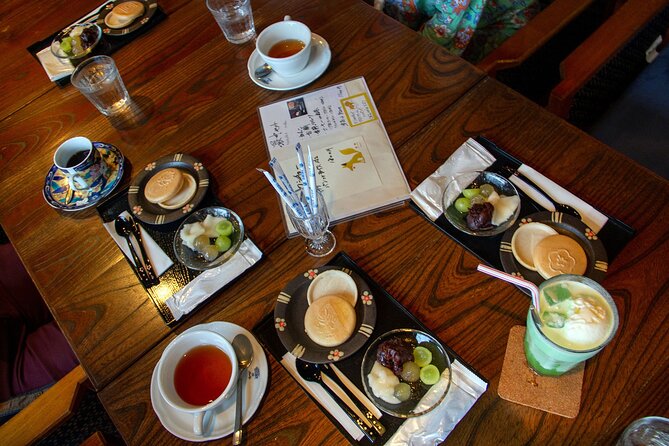
This is also where coffee culture and dessert fits well. The tour’s lineup includes retro kissaten coffee, plus nostalgic sweets. Kissaten style matters because it’s not just about caffeine. It’s about a tradition of lingering over a drink the way people did for decades.
From the reviews-style details you can expect, this final stretch tends to be where your senses line up. You’ve already learned how the neighborhood’s temple-town identity shapes the streets, and now the food shifts toward the comfort side: sweets, pastry-type bites, and flavors like red bean that show up in classic Japanese desserts.
If you’re traveling with kids, this portion often works well because the environment is interesting without requiring long lectures. Guides like Mairi have been praised for making the day fun and clear for families, while still giving enough history to keep adults engaged.
Wear patience here. Sendagi can feel like you want to keep walking after the tour ends, because the streets invite wandering. That’s a good problem to have, and it’s why finishing here is a smart move.
The food map: onigiri, unagi, coffee, sake, and sweets
The tastings are the headline of the day, and they’re not random. They’re chosen to show different sides of Japanese eating: everyday snacks, celebratory flavors, and traditional drinks.
You can expect at least some of these:
- Handmade onigiri, which is about rice craft and simplicity
- Fresh unagi, a savory specialty that carries real cultural weight
- Retro kissaten coffee, where the experience is as traditional as the drink
- Sake and other alcoholic beverages, included in the tour
- Nostalgic sweets, plus flavors like red bean
- Possible pastry-type bites and even items like wine in some tastings, depending on the day
The way the tour spaces food out matters. A bunch of tastings crammed together can feel like sugar overload. But the day is designed as a repeating loop of street view, guided story, and then a bite. That’s exactly how the guide pacing gets praised. When the stop lengths are reasonable, you can actually taste, not just eat.
Also, this is a smart way to learn. Japanese cuisine can be complex, but a well-chosen set of bites gives you a practical mental map. You start remembering flavors and textures, not just names.
Portion size is usually “enough to understand the flavor” rather than “meal-size every time.” That’s good for a walking day. It keeps you satisfied but still moving, and it makes the included lunch feel like a true meal break instead of another tasting station.
If alcohol is not your thing, you should still consider the tour. Alcoholic beverages are included, but it doesn’t mean you must make every stop a drinking moment. You can enjoy the food and coffee, then skip what you don’t want.
Price check: $195 for a guided food day with meals included
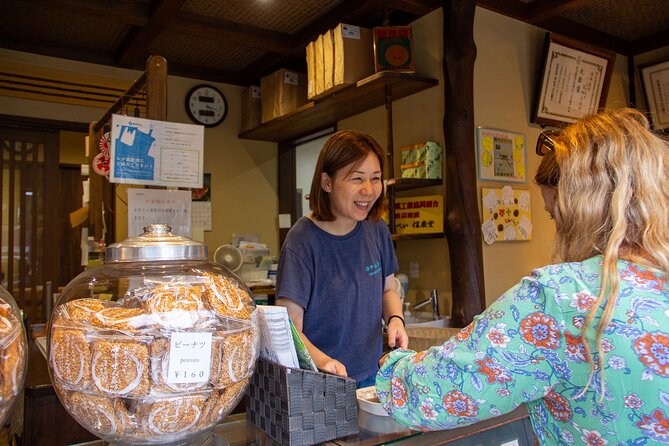
At $195 per person, this isn’t a cheap lunch with a side tour. You’re paying for a guided walking experience, multiple tastings, and the fact that the day includes breakfast, lunch, meals, snacks, coffee and/or tea, and alcoholic beverages.
That inclusion is where the value math gets interesting. Tokyo can be expensive when you’re buying little snack after snack. Here, your snacks are part of the package, along with the drink pairings. If you were to recreate it yourself, you’d spend time hunting, lining up, and figuring out which shops fit your tastes.
The small group size also helps the price make sense. With a maximum of 6 travelers, you’re not competing for the guide’s attention. That leads to the kind of conversations people appreciate, especially when the guide is sharing history tied to the food.
A detail that affects value: private transportation is not included. That’s fine because the neighborhoods are walkable and the meeting point is near public transit. But if you’re expecting a driver or a taxi jump between districts, that’s not this tour.
For many people, the real win is time. One afternoon in Yanesen with a guide beats a self-planned food chase because you get the stories and the order. And the order matters. You start with the street context, then you taste more as you understand what you’re looking at.
How to plan your day in Yanesen so it stays fun
You’ll enjoy this tour more if you treat it like a walking day with built-in food breaks.
First, wear comfortable shoes. Even with short stops, you’re out for about 6 hours, and the streets can be uneven and narrow. Second, keep an eye on the weather. The tour requires good weather, and if it’s canceled due to poor conditions, you’ll be offered a different date or a full refund.
Third, arrive a few minutes early. The meeting point is near Sendagi Station, but Japan signage can still confuse you if you’re rushing.
Fourth, use the guide time. Guides such as Kan and Michelle have been specifically praised for knowledge that turns each bite into a lesson, and also for pacing. If you want more explanation, ask. If you want to move faster, say so politely. The small group makes that easier.
Finally, pace your tastings. You’ll likely have multiple snack moments, plus coffee, plus lunch. Take small bites at first, then settle into the ones you love most.
Who should book, and who might skip it
This is a great match if you want:
- A small-group Tokyo day with food and neighborhood storytelling
- Yanesen specifically, not just a generic “food tour”
- Tastings that include onigiri, unagi, kissaten coffee, sweets, and sake
It might be less ideal if:
- You hate walking and prefer rides between stops
- You want only big, famous, landmark sights instead of temple and alley atmosphere
- You have very strict alcohol preferences, since alcoholic beverages are included
If you enjoy off-the-radar neighborhoods and you like learning why certain foods matter in certain streets, this will click.
Should you book this Old Tokyo taste walk?
I’d book it if your idea of a good Tokyo day includes neighborhood texture, shrine-town atmosphere, and tastings that feel connected rather than random. The included meals, snacks, coffee/tea, and alcoholic beverages, plus the small group size, are what justify the $195 price in a way that self-planning usually can’t.
If you’re only in Tokyo for a couple days and you need one “big hits” tour, this might not be your top pick. But if you’re spending time in the city and you want one day that feels genuinely local, Yanesen is a smart choice, and this tour is built for it.
If you want a calm, old-Tokyo mood with food that matches the setting, you should book.
FAQ
How long is the Yanesen Backstreet food and history tour?
It’s about 6 hours long.
What does the tour cost?
The price is $195.00 per person.
What food and drinks are included?
The tour includes breakfast, lunch, snacks, coffee and/or tea, and alcoholic beverages.
Are there admission fees for the shrines and temples?
The stops listed for Yanaka, Nezu Shrine, and Nichika Shrine of Enju-ji Temple are shown with free admission tickets.
Where do I meet the tour guide?
You start at Saint Marc Cafe – Sendagi Japan, near Sendagi station. The start time is 10:00 am.
Where does the tour end?
It ends at Echigoya Honten in Yanaka.
Is transportation included?
No. Private transportation is not included.
Is the tour dependent on weather?
Yes, it requires good weather. If it’s canceled due to poor weather, you’ll be offered a different date or a full refund.
How big is the group?
The tour has a maximum of 6 travelers.
More Tour Reviews in Tokyo


Not for you? Here's more nearby things to do in Tokyo we have reviewed












Tokyo City Tours, side by side.
 ★ 5.01-Day Tokyo Bus TourFrom $12914,250 reviews
 ★ 4.5TOKYO SKYTREE® Admission ticketFrom $1311,192 reviews
 ★ 4.6teamLab Planets TOKYO Digital Art Museum Entry TicketFrom $259,779 reviews
 ★ 4.0Mt Fuji & Hakone Cruise, Drum Show Bullet Train 1 Day from TokyoFrom $1497,413 reviews
 ★ 5.0Shinjuku Food Tour (13 Dishes at 4 Local Eateries)From $866,603 reviews
 ★ 4.4Tokyo Mt Fuji 5th St & Hakone Cruise Bus Tour w/Bullet TrainFrom $1545,024 reviews
 ★ 5.0Flagship 2-Hours Official Street Go-Kart Tour – Tokyo Bay ShopFrom $644,974 reviews
 ★ 4.5From Tokyo: Mount Fuji Full-Day Sightseeing TripFrom $684,970 reviews