
Review · TOKYO CITY TOURS
Making Japanese desserts Nerikiri & drinking matcha in Tokyo
Your hands learn wagashi in 90 minutes. In this small class in Setagaya, you knead and shape nerikiri (seasonal Japanese confectionery) and then relax with a cup of matcha. You are not just copying a recipe, you are also learning the background behind why these sweets look the way they do, based on the time of year.
Two things I really like here. First, the class stays small, with a maximum of 8 people, so you get hands-on help and fast corrections if something is off. Second, the experience gives you the ingredients and tools, so you can focus on learning instead of hunting down supplies.
One drawback to consider: the location can vary. The class is basically held in a Shimokitazawa kitchen, but if the rental space is unavailable, it may switch to a meeting near Toritsu Daigaku Station. It is still close to transit, but you should double-check the email details after you reserve.
Key highlights worth knowing
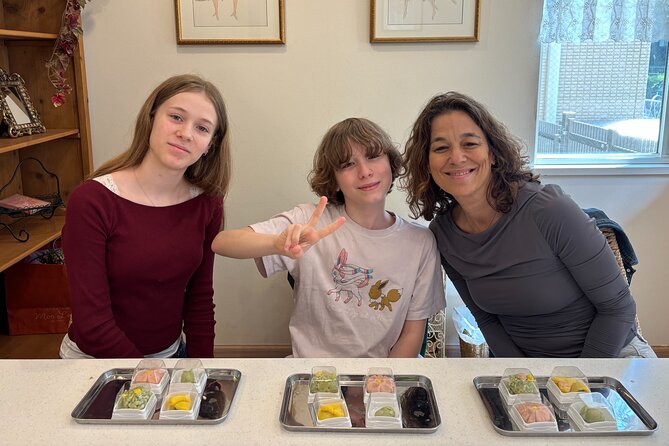
- Small group size (up to 8), so you get more personal attention while shaping the sweets
- Everything included, from ingredients to the tools you need for kneading
- Three types of seasonal nerikiri dough, made by hand during the class
- Matcha tea included, prepared by the instructor at the end of the session
- Take-home packets provided, so you can share your results later
Nerikiri and matcha in Setagaya: what you learn, not just what you eat
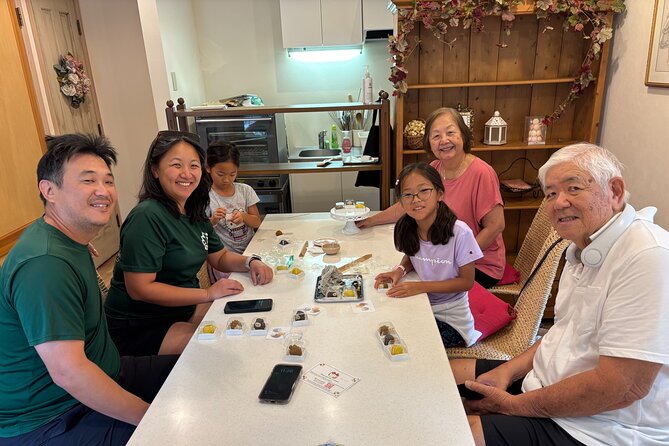
This is one of those Tokyo food experiences that feels practical. You come away with something tangible, not just photos. The star is nerikiri, a kneaded confectionery that changes with the seasons, and the method is very hands-on. Expect to roll, press, and shape dough like you are working with modeling clay, only the end goal is a delicate wagashi style sweet.
The best part is that the class connects technique to meaning. You get facts about Japanese cuisine that most guidebooks do not usually spell out, including how nerikiri reflects the season. The session also includes sampling a range of treats, which helps you understand how different designs and flavors fit together, instead of treating it like one isolated workshop.
You also get matcha as part of the rhythm. At the end, the instructor prepares popular matcha for you to drink, and you can enjoy the nerikiri you made on the spot or take it away. It turns a lesson into an actual small food moment, not just a production line.
You can also read our reviews of more drinking tours in Tokyo



Your 90-minute game plan: from seasonal dough to finished sweets
The class runs about 1 hour 30 minutes. That time is tight enough to keep you moving, but long enough to feel your progress. The structure is simple: you learn the process, then you do it, then you get to eat what you made.
You start with the seasonal kneaded dough. You will make three types during the class. The instructor explains the process of making nerikiri and you follow along with your hands. This is where the small group matters, because shaping is the tricky part. If the dough texture or pressure is not right, you want a quick correction rather than guessing.
Next comes the matching of shape to season. Even if you are a beginner, the workshop style makes it manageable. You are not expected to freestyle a design. Instead, you learn the method for shaping seasonal styles, guided step by step.
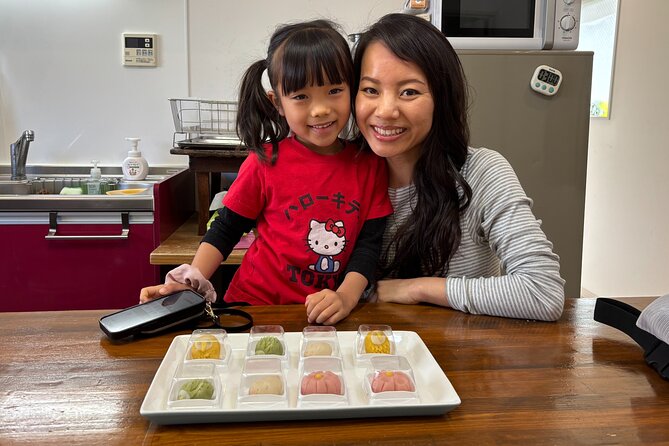
Then the class hits its payoff. After you finish, the instructor prepares matcha. You can eat your nerikiri right there or pack them up. Packets for taking home are provided, which is great if you want to keep tasting through the evening instead of finishing everything on the spot.
Seasonal shapes, plus special requests like owl and needle mouse
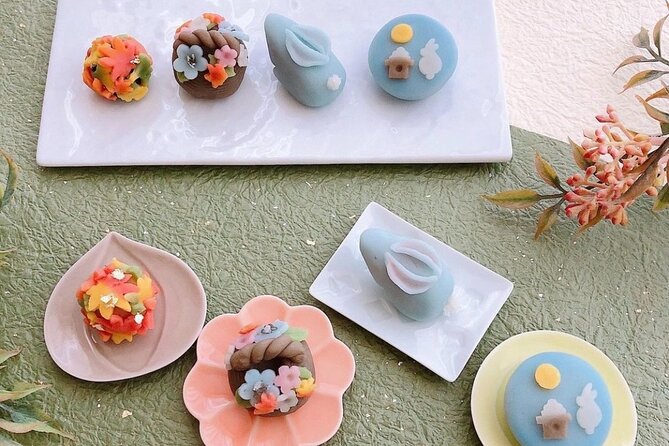
Nerikiri is seasonal by nature, and this class leans into that. You will make kneaded rice balls according to the season. Translation: what you shape will depend on when you visit. That is part of the charm, because it means you are not doing the exact same thing every time you take this workshop.
There is also an option if you want specific designs. If you would like to make an owl and a needle mouse, you need to let the operator know by email when you send your request. If there is no request, you will make the seasonal kneaded rice balls instead.
Here is the practical consideration. The notes explain that the request might not be possible depending on the time of application. So if you have a must-have shape in mind, do not wait until the last minute. Also, since the class is maximum 8 people, you may have less flexibility than a bigger, more scripted workshop.
If you are thinking about this class as a gift, or as something for kids, these special shapes are exactly the kind of detail that can make a huge difference. Even if your main plan is seasonal nerikiri, having that option can turn the session into a memorable personal moment.
Matcha time: what happens at the end and how to enjoy it
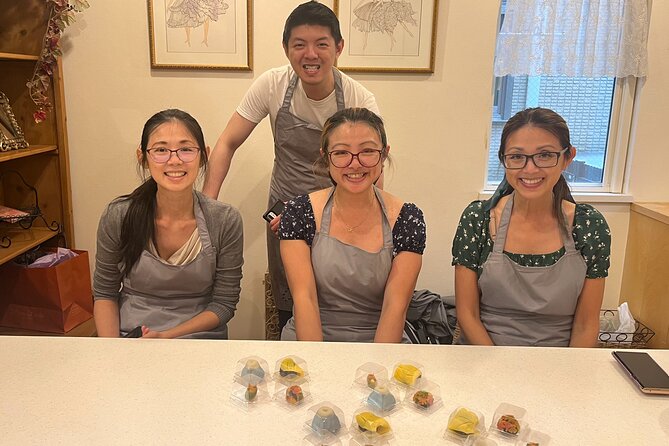
Matcha is not just a side drink here. It is part of the experience flow. After the kneaded sweets are finished, the instructor prepares matcha, and you get to drink it as part of your session’s finish.
You can also eat the nerikiri you made on the spot. That matters because you can taste right after shaping, when the textures are at their best. If you prefer, you can take your sweets home instead. Either way, you are not leaving with only an empty stomach and a sugar memory.
One small but helpful detail: matcha is described as popular, meaning it is not some rare specialty that might be intimidating. If you are new to matcha, this setup makes it easier to enjoy without worrying that you picked the wrong type of tea.
If you are used to sweet pastries, it is worth remembering that wagashi-style sweets are designed with a lighter, seasonal mindset. The matcha helps balance sweetness and keeps the whole experience grounded in Japanese tea culture, not just dessert consumption.
Shimokitazawa kitchen or Toritsu Daigaku Station: where to show up
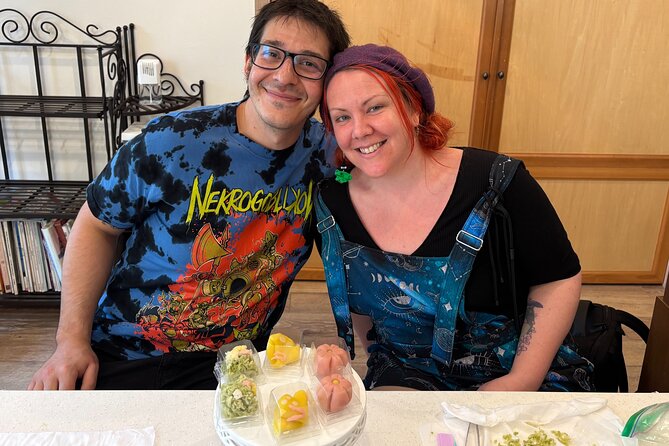
Most of the time, the class will be held at the kitchen in Shimokitazawa. But because rental space can change, the organizer notes that the class might be held near Toritsu Daigaku Station instead. The instructor contacts you by email with the location details after you reserve.
Your meeting start point is listed at 3-chōme-20-4 Kitazawa, Setagaya City, Tokyo 155-0031, Japan. Since Shimokitazawa and Kitazawa sit in the Setagaya area, that fits the overall neighborhood feel of the experience. Also, the activity is described as near public transportation, so you should not feel stuck relying on taxis.
Practical tip: when you get the email location, take 30 seconds to map the exact meeting point. In Tokyo, a few blocks can change how easy it is to arrive on time. This matters more for a short 1 hour 30 minute session, where late arrivals cut into instruction.



$65.69 in Tokyo: is it good value for a hands-on food class?
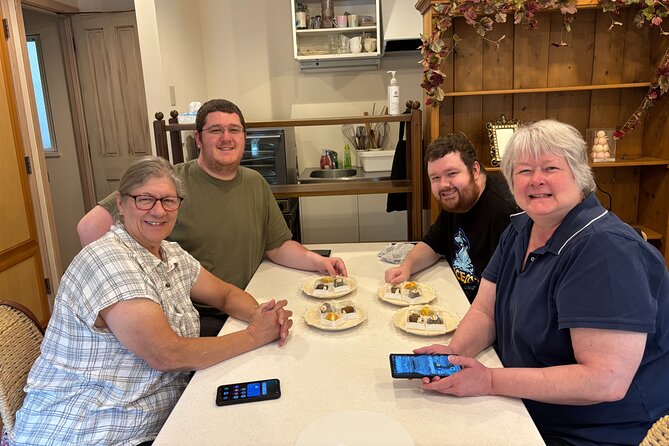
At $65.69 per person for roughly 1.5 hours, this is not a bargain-basement snack stop. But it is also not overpriced for what you get. You are paying for guided instruction, a small group size, and materials.
The value is strongest in three places. First, you get ingredients and tools included. That is a real cost saver, and it also means you can show up with just yourself. Second, you make multiple types of seasonal nerikiri during one session. Third, you get matcha prepared for you, plus the option to take your sweets home in provided packets.
Also, the booking rhythm suggests it is a popular style of activity. The information provided indicates it is often booked about 34 days in advance on average. That usually means you should try to reserve earlier if your dates are firm, especially if you want a specific time slot or a shape request.
If you are deciding between a guided tasting and a hands-on class, this one leans practical. You leave with skills you can talk about and sweets you can share, which makes it easier to justify the price.
Who should book this nerikiri and matcha workshop
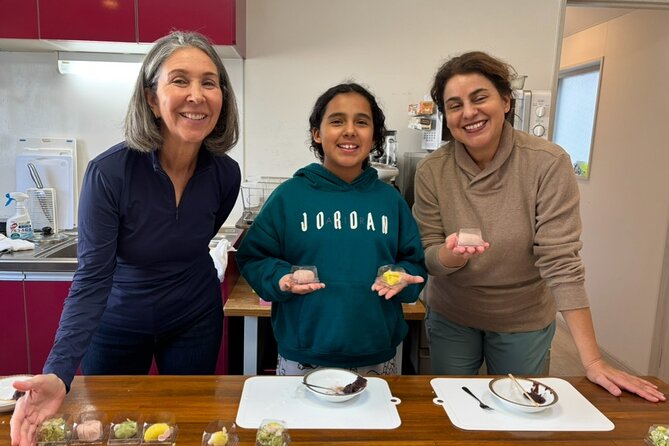
This class fits best if you want culture you can physically do. If you like learning through your hands, you will appreciate how the instructor explains the process and then lets you follow along. If you prefer structured guidance over wandering food streets, this gives you a clear activity with a clear outcome.
It is also a strong option for beginners. The session is designed as a cooking class with a tutor, and the experience highlights personal attention for a small group. That setup is ideal if you have never made Japanese sweets before and you want feedback while you are shaping.
If you are traveling with friends or family, the small group format is another advantage. You can enjoy the social part of making sweets together without being swallowed by a crowd. The class max is 8 people, which usually makes conversation and questions more natural.
If you are short on time, note that 1 hour 30 minutes is tight but manageable. It is long enough to learn and taste, but short enough to stack with other Setagaya plans the same day.
After the class: use Setagaya-ku to turn dessert into a neighborhood memory
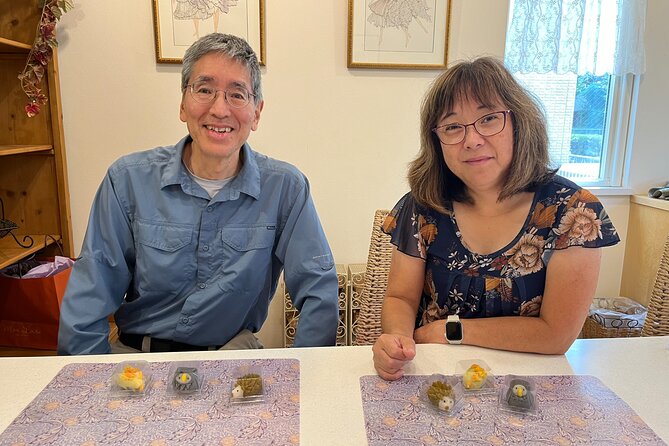
The experience is located in the Setagaya area, and there is a built-in suggestion to explore nearby after the class. That is a smart pairing because cooking workshops are sensory. You just spent time shaping sweets and drinking matcha, and then you can walk it off and look at local streets and shops with fresh eyes.
Shimokitazawa in particular is the kind of area where an easy stroll can feel rewarding. You do not need a strict plan. After the class, you can move at a relaxed pace, grab a simple post-workshop snack, and let the day keep flowing.
If you are taking your nerikiri home, the neighborhood time is still useful. You get to plan a calm moment later to taste your own sweets, not rush through everything immediately.
Should you book this Nerikiri and matcha class?
If you want a Tokyo food experience that is hands-on, guided, and genuinely doable in 90 minutes, I think this is a yes. The standout strengths are the small group size and the fact that you get ingredients and tools included, so the learning feels focused instead of stressful.
I would book it if you care about seasonal Japanese sweets and you enjoy matcha. You are learning not only how to shape, but also why these sweets change through the year. And you get an end-of-class payoff with matcha and the chance to eat your nerikiri on the spot or take it home.
I might hesitate only if you need a fixed location with zero uncertainty. Since the class may shift between a Shimokitazawa kitchen and a meeting near Toritsu Daigaku Station, check your email instructions carefully right before you go.
FAQ
How long is the nerikiri and matcha class?
The class takes about 1 hour and 30 minutes.
How many people are in the class?
The class has a maximum of 8 travelers.
What will I make during the session?
You will make three types of seasonal kneaded dough. If you request special shapes like an owl or a needle mouse by email, you may be able to make those instead, depending on the application timing.
Is matcha included?
Yes. After the class, the instructor prepares matcha for you to drink, and you can eat the nerikiri you made on the spot or take it home.
Where does the class meet?
The meeting start point is in Setagaya City at 3-chōme-20-4 Kitazawa, Tokyo 155-0031. The class is basically held at a Shimokitazawa kitchen, but if that space is not available, it may be held near Toritsu Daigaku Station, and you will be emailed the details.
Can I take my sweets home?
Yes. After the class, packets for taking home are provided, and you can take the nerikiri you made home with you.
More Drinking Tours in Tokyo


More Tour Reviews in Tokyo
Not for you? Here's more nearby things to do in Tokyo we have reviewed






Tokyo City Tours, side by side.
 ★ 5.01-Day Tokyo Bus TourFrom $12914,250 reviews
 ★ 4.5TOKYO SKYTREE® Admission ticketFrom $1311,192 reviews
 ★ 4.6teamLab Planets TOKYO Digital Art Museum Entry TicketFrom $259,779 reviews
 ★ 4.0Mt Fuji & Hakone Cruise, Drum Show Bullet Train 1 Day from TokyoFrom $1497,413 reviews
 ★ 5.0Shinjuku Food Tour (13 Dishes at 4 Local Eateries)From $866,603 reviews
 ★ 4.4Tokyo Mt Fuji 5th St & Hakone Cruise Bus Tour w/Bullet TrainFrom $1545,024 reviews
 ★ 5.0Flagship 2-Hours Official Street Go-Kart Tour – Tokyo Bay ShopFrom $644,974 reviews
 ★ 4.5From Tokyo: Mount Fuji Full-Day Sightseeing TripFrom $684,970 reviews
This tour also belongs to