
Review · TOKYO CITY TOURS
TOKYO OishiPark, Oshino & KoedoKawagoe, Fuji Mount
One early start, then Japan in three moods. You get Fuji-area scenery at Oishi Park, the famous spring ponds of Oshino Hakkai, and a stop in Koedo Kawagoe’s Edo-style lanes, all in one packed day. It is a simple way to see a lot without juggling trains and transfers.
I especially like the panoramic Mount Fuji views from Oishi Park, because the whole point of the trip is to feel close to Fuji, even when the weather is doing its own thing. I also really enjoy Oshino Hakkai for the clarity of the eight spring ponds, the World Cultural Heritage setting, and the chance to see the traditional thatched-roof village around it.
The main drawback is that it is a long coach day. If traffic hits, you can lose visiting time, and you will feel it sitting on the bus. I’d also plan for possible motion sickness, because this route can get slow.
Key things to know before you go
- Shinjuku pick-up at Shinjuku L Tower (Exit 20), starting 8:00 am, keeps this organized from the get-go
- Oishi Park is only about 1 hour, so come ready to photograph, not browse
- Oshino Hakkai is the star stop, with eight Fuji-fed ponds and a traditional village feel
- Koedo Kawagoe gives you Little Edo streets for about 3 hours, including major sights like Kawagoe Castle and Kitain Temple
- Small-ish group energy, with a maximum of 45 people, but you still ride a bus for hours
- Admission tickets are not included for Oishi Park and Oshino Hakkai, so budget a bit for entry fees
Why this Fuji and Little Edo loop makes sense in one day
This tour works because it groups three very different visual experiences into one smooth outing. You start with Fuji-and-lake views, then shift to spring-water ponds and a rural village, and end in Saitama’s Edo-style town. That pacing is ideal if you are short on time in Tokyo and do not want to plan two separate day trips.
You also get the practical benefit of a guide who speaks English or Chinese, plus an air-conditioned vehicle for round-trip travel. When language and timing are handled for you, your brain has more room for the good stuff: where to stand for the best views, what to prioritize first, and how not to waste time once you arrive.
If your ideal day is one where you can check off key spots with minimal fuss, this is built for you. The tradeoff is that you cannot linger. It is a “see it, enjoy it, move on” kind of schedule.
You can also read our reviews of more tours and experiences in Tokyo.



Getting to Shinjuku L Tower and what the 10-hour timing really feels like
You meet at Shinjuku L Tower at 1-chōme-6-1 Nishishinjuku, Shinjuku City. From September 1, 2024, pick-up is at Shinjuku Station Exit 20 at Shinjuku L Tower. Start time is 8:00 am, and the whole thing runs about 10 hours.
That early start matters. Going from Tokyo to the Fuji region is the part most likely to get stuck. If traffic delays the ride, it steals time from your sightseeing blocks. So I treat this tour like a “morning out of Tokyo, then watch the schedule” day, not a guaranteed timetable where you will always have the full amount of time at each stop.
The vehicle is air-conditioned, and the group size caps at 45 people. That helps the vibe stay coordinated. Still, you are on a coach for a long stretch, so if you hate bus time, that is your biggest personal decision factor.
Oishi Park: Fuji views with only one hour to play your cards
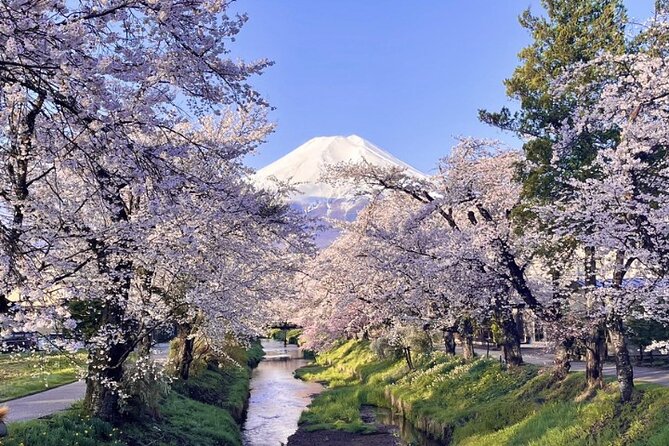
Oishi Park sits on the northern shore of Lake Kawaguchiko, one of the Fuji Five Lakes. The payoff is clear: you get classic Mount Fuji views with the lake and surrounding countryside in the frame.
Because you get about 1 hour here, you will want a quick game plan. Arrive ready to move. Scope your photo spots fast, take a few steady shots, then do a slow walk for one more angle. If clouds roll in, do not wait for perfect conditions for long. Fuji days can change quickly, so keep your eyes up and your feet moving.
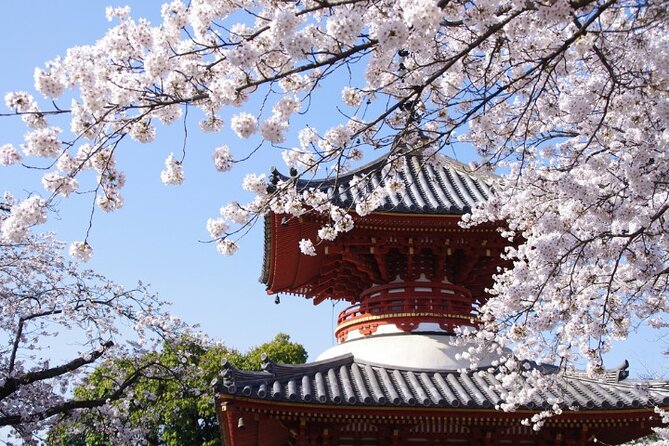
Admission for Oishi Park is not included, so factor that into your day. Also, if you are going in a season with flowering around the lakes, this park is where that seasonal color hits hardest, since the area is known for shifting looks like cherry blossoms, lavender, red leaves, and pink broom grass.
What I like most about Oishi Park in a tour setting is that it gives Fuji a “face.” You are not just seeing a distant shape on the horizon. You are placed where the view is meant to be enjoyed.
Oshino Hakkai: eight ponds, thatched village charm, and World Cultural Heritage mood
Oshino Hakkai is the stop most people remember, and I get why. It is a group of eight natural spring water ponds in Oshino village, fed by snowmelt from Mount Fuji. It is also listed as a World Cultural Heritage site, so the area has a protected, meaningful feel.
The ponds are associated with a dragon in Japanese mythology, with each pond linked to the eight-headed dragon concept. More importantly for your senses, the water is known for being crystal-clear. You can even drink the water directly from the ponds, which is a fun reality check that you are not just looking at scenery. You are experiencing it.
You have about 2 hours here, plus a traditional village setting with thatched-roof houses, restaurants, and souvenir shops. That matters because it breaks up the time. You can do a slow walk around the ponds, then switch to village streets for a calmer feel.
The practical note: admission for Oshino Hakkai is not included. If you are budgeting tight, check your payment plan ahead of time so you are not scrambling at the entrance.
The other consideration is that Oshino Hakkai is popular. Even without saying it is crowded, this is the type of place where everyone comes for the same photos and the same pond views. So I recommend you follow your guide’s timing and do the “pond circuit” efficiently before you get distracted by shops.
Koedo Kawagoe: Little Edo streets, a castle stop, and Kitain Temple statues
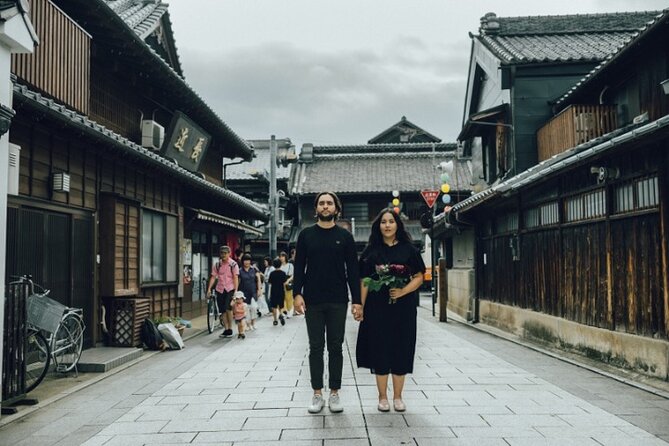
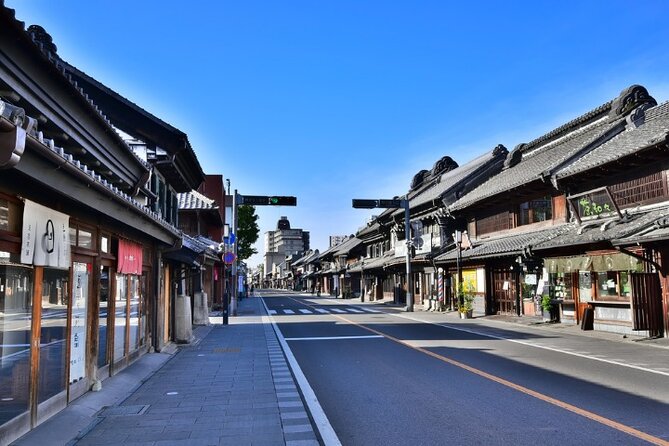
Koedo Kawagoe is a totally different atmosphere. This is Edo-period inspired town life in Saitama, about 30 kilometers north of Tokyo, often called Little Edo for its preserved architecture.
You get about 3 hours in Kawagoe, which is enough time to see the big highlights without turning it into a marathon. The town is known for narrow streets lined with traditional wooden buildings and small shops, so even when you are just walking, you get the atmosphere.
Here are the main sights to keep on your radar:
- Kawagoe Castle, built in the 16th century
- Kitain Temple, known for a collection of over 500 wooden statues of Buddha
- The classic local snack, Kawagoe yaki, which is sweet potato based
If you like towns where you can slow down and wander, this is the best place on the trip to do it. In Fuji-area stops you are often chasing views. In Kawagoe, you can let your feet choose the turns.
Admission for this part is listed as free, which is a nice bonus. You will still spend time and money naturally if snacks and souvenirs catch your eye, but at least the core entry is not a paid extra.



Guide quality and what is included in the $85.02 price
The price is $85.02 per person for about 10 hours, with a round-trip ride in an air-conditioned vehicle and a professional English/Chinese-speaking guide. Mobile ticket is included, which simplifies day-of check-in.
Is it good value? Usually, yes, because the big cost and hassle on a day trip like this is transportation. In one price you get Tokyo-to-Fuji-area travel and Tokyo-to-Kawagoe return, guided so you are not guessing where to stand or which stop deserves your first 10 minutes.
What is not included is key. Food and drinks are not included. Admission tickets are not included for Oishi Park and Oshino Hakkai. Koedo Kawagoe is listed as free for that stop.
That means your true day budget is the tour price plus:
- entry fees for Oishi Park and Oshino Hakkai
- lunch snacks and drinks
- anything you buy in the village and town
The group dynamic is also worth mentioning. The tour can go up to 45 people, so you will want to stay close to your guide, especially when walking between photo spots. A good guide matters here because the schedule is tight.
In terms of guide reputation, names like Elli Wan have been mentioned in praise for keeping the day organized and the experience well run. If you get a guide with that style, it makes the long day feel less stressful.
What to pack and how to make the bus day easier
This trip can be a lot, even when the sights are great. To keep it enjoyable, I recommend planning for comfort like it is a long commute day.
- Bring motion sickness medicine if you are prone to it. This route can get slow, and the bus time is long.
- Wear shoes that can handle walking for photo spots and pond paths.
- Pack a light snack and water. Meals are not included, and you will want something simple if lunch timing slips.
- Bring layers. Fuji-area weather can feel different from Tokyo, even when the day starts bright.
If you care a lot about seeing everything slowly, this tour might feel like speed dating. If you are okay with a “hit the highlights” rhythm, you will probably love it.
Seasons to watch for: cherry blossoms to lavender to red leaves
The tour is designed around changing seasonal scenery. Oishi Park and the Fuji Five Lakes area are known for dramatic seasonal shifts, including cherry blossoms, lavender, red leaves, and pink broom grass. That is why this day trip stays popular year-round.
If you want the prettiest background for photos, pick a season based on your taste:
- Cherry blossoms for soft spring color
- Lavender for a more purple-toned look
- Red leaves for strong autumn contrast
- Pink broom grass for a bright, gentle pop of color
Even then, remember Fuji visibility depends on weather. So I treat the mountain view as a bonus, not a promise. Your plan should still work even if Fuji hides behind clouds.
Who this tour fits best, and when to consider the train instead
This is a strong fit if you want:
- One day that covers Fuji-area icons plus an Edo-style town
- A guided day with transportation handled
- A schedule that feels manageable for first-time visitors to the Fuji region
It is also smart for people who do not want to sort train connections while learning the rhythm of Japan on the fly.
I would think twice if you hate long coach rides or if you are extremely time-sensitive. Traffic can eat visiting time, and some people prefer a train plan because it can be more predictable and gives you more control. If you love the idea of Fuji and Kawagoe but want to avoid the bus-time gamble, a train-based day trip may suit you better.
Still, if your priority is convenience plus the main sights, this tour hits the brief.
Should you book this Fuji and Kawagoe day trip?
Book it if you want a guided, one-price solution for Oishi Park, Oshino Hakkai, and Koedo Kawagoe without spending your Tokyo time on logistics. The Fuji views, the World Cultural Heritage ponds, and the Little Edo streets are a good match for a classic first-pass Japan day.
Skip it or choose a different approach if you are very sensitive to coach rides, prone to motion sickness, or you expect perfect timing no matter what traffic does. This is a long day, and the route can run behind.
If you do book, go in with the right mindset: plan for a highlight tour, bring a little comfort kit for the bus, and keep your priorities straight. You will come home with three very different Japan memories, and you will not have had to wrestle the travel puzzle yourself.
FAQ
What is the start time for this tour?
The tour starts at 8:00 am.
Where do I meet for pick-up?
You meet at Shinjuku L Tower, 1-chōme-6-1 Nishishinjuku, Shinjuku City. From September 1, 2024, pick-up is at Shinjuku Station Exit 20 at Shinjuku L Tower.
How long does the tour last?
It runs for about 10 hours.
What is included in the tour price?
Included are an air-conditioned vehicle, round-trip traffic, and a professional English/Chinese-speaking guide.
Are admission tickets included?
No. Oishi Park admission is not included, Oshino Hakkai admission is not included, and Koedo Kawagoe is listed as free for the stop.
Do I get a mobile ticket?
Yes, the tour provides a mobile ticket.
How large are the groups?
The tour has a maximum of 45 travelers, and it requires a minimum of 8 travelers to depart.
What happens if the weather is poor?
This tour requires good weather. If it is canceled due to poor weather, you will be offered a different date or a full refund.
How does cancellation work?
You can cancel for a full refund up to 24 hours in advance of the experience start time.
More Tour Reviews in Tokyo
Not for you? Here's more nearby things to do in Tokyo we have reviewed












Tokyo City Tours, side by side.
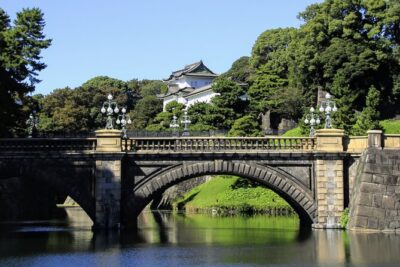 ★ 5.01-Day Tokyo Bus TourFrom $12914,250 reviews
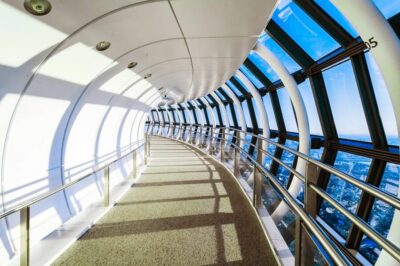 ★ 4.5TOKYO SKYTREE® Admission ticketFrom $1311,192 reviews
 ★ 4.6teamLab Planets TOKYO Digital Art Museum Entry TicketFrom $259,779 reviews
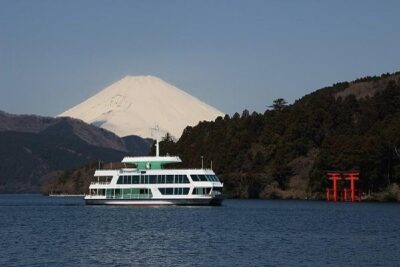 ★ 4.0Mt Fuji & Hakone Cruise, Drum Show Bullet Train 1 Day from TokyoFrom $1497,413 reviews
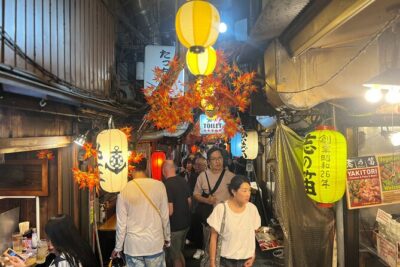 ★ 5.0Shinjuku Food Tour (13 Dishes at 4 Local Eateries)From $866,603 reviews
 ★ 4.4Tokyo Mt Fuji 5th St & Hakone Cruise Bus Tour w/Bullet TrainFrom $1545,024 reviews
 ★ 5.0Flagship 2-Hours Official Street Go-Kart Tour – Tokyo Bay ShopFrom $644,974 reviews
 ★ 4.5From Tokyo: Mount Fuji Full-Day Sightseeing TripFrom $684,970 reviews