
Review · SHINJUKU TOURS
Authentic Onsen Experience Tattoo Friendly Hidden Gem in Shinjuku
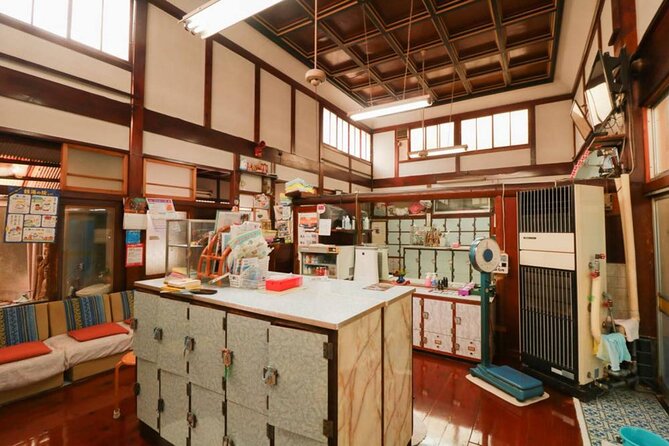
A Tokyo bathhouse, straight from 1954. In Shinjuku, a 1954 sento built in 1954 is still used by locals, not a tourist spa. A bilingual guide walks you through shoe lockers, the wash area, and the bathing pools, and that is what I like most for first-timers.
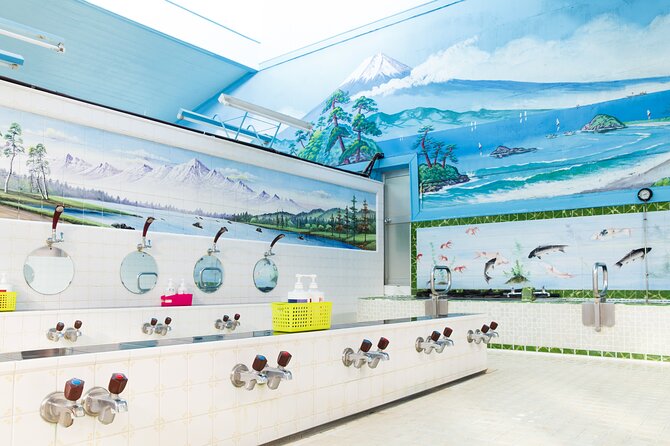
I also love the story behind the Mount Fuji murals painted on the walls, and how the guide connects sento to postwar neighborhood life. You finish with a classic bottle drink as part of the ritual, milk or fruit soda style, which feels wonderfully unforced.
One consideration: since the guide is male, female guests enjoy the bath on their own without a guide in the bathing area. If you want constant guidance once you step past the entrance, plan for that difference.
Key Points That Matter Before You Go
- A real Shinjuku sento from 1954 that locals still use, not a big sightseeing complex
- Bilingual guide support for shoe lockers, changing rooms, washing, and bathing etiquette
- Mount Fuji mural explanations tied to how sento mattered in postwar communities
- Included cold bottle drink after your soak, like milk coffee or fruit milk
- Small group size (max 6), which keeps things calmer for shy first-timers
- Listed as tattoo friendly, but still follow the house rules once you arrive
A 1954 Shinjuku Sento That Feels Like a Local Habit
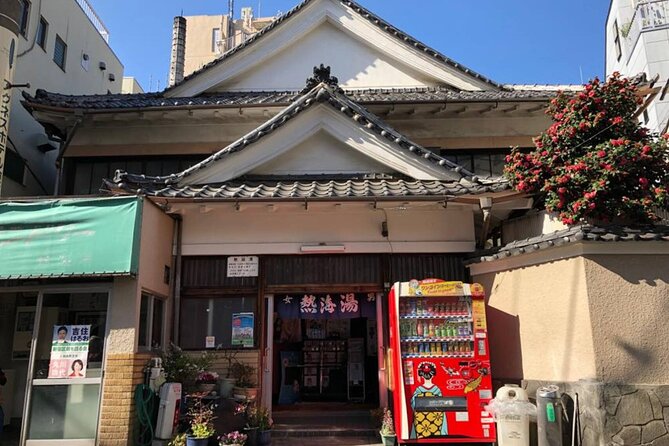
This is a sento, a public bathhouse, not a natural hot-spring onsen. The difference matters, because a sento is often more ordinary, more neighborhood, and more “this is what people do after work.” In this case, it is also retro, built in 1954, and still running in Shinjuku like it always has.
I like experiences where you learn the rhythm instead of just taking photos. Here, the guide’s job is to get you through the practical steps fast, so you are not guessing in a space where people move by routine.
The mood is also a big deal. This place is meant to be used by locals, so even as you’re learning, you are not performing for a crowd.
More Tokyo tours and experiences for the shortlist

What Happens in the 1-Hour Flow (Step by Step)
The experience runs about 1 hour, and it is structured to help you choose your comfort level. First, you meet at Starbucks Coffee – Kagurazaka-shita in Shinjuku (Kagurazaka, 1-chōme, 秀永ビル), and then you head to the bathhouse together.
Once you arrive, the guide focuses on orientation. You get walked through the basic layout: where your shoes go, how the changing area works, how to wash properly at the wash area, and how bathing pools are used.
After that comes your choice. If you want to bathe, you can. If you feel shy or unsure, the guide can suggest lower-pressure options like observing the bathhouse architecture, looking at the entrance murals, or relaxing in the lobby with a drink.
Finally, you cool down with the included bottle. The tour provides one soda or pop after your soak, and the classic match for sento culture is a cold bottle like milk coffee or fruit milk.
It is a short window, but it is long enough for a beginner to feel oriented and not just “shown a place.”
Getting the Etiquette Right Without Feeling Silly
Japanese bath etiquette sounds intimidating until someone breaks it into simple actions. That is exactly what this guide does for you, in a way that helps you avoid common mistakes.
Here is what you learn as you move through the space:
- Shoe locker basics so you know what to do right away
- Changing room expectations so you are not scrambling
- Washing area routine so you understand the point of cleansing before the bath
- How to use the bathing pools so you fit into the flow
The guide is bilingual, and that matters more than you might think. When you can ask a quick question in plain language, you stop overthinking. You also get confident faster, which is the real goal on a first visit.
The tone is also practical. One of the best parts is how the guide treats the experience like something friendly you can learn, not like a mystery you must decode alone.
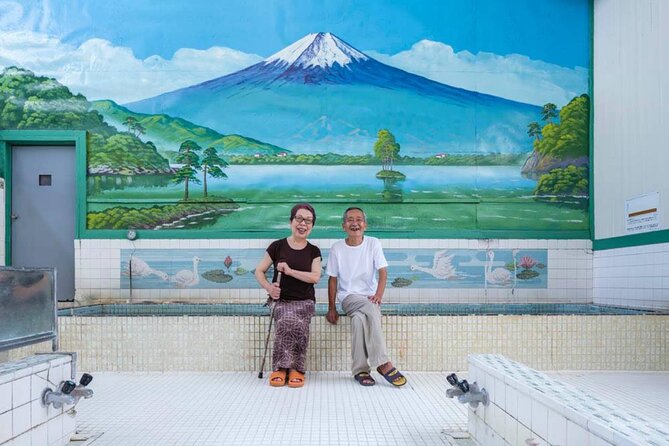
The Mount Fuji Murals and Why People Painted Bathhouses
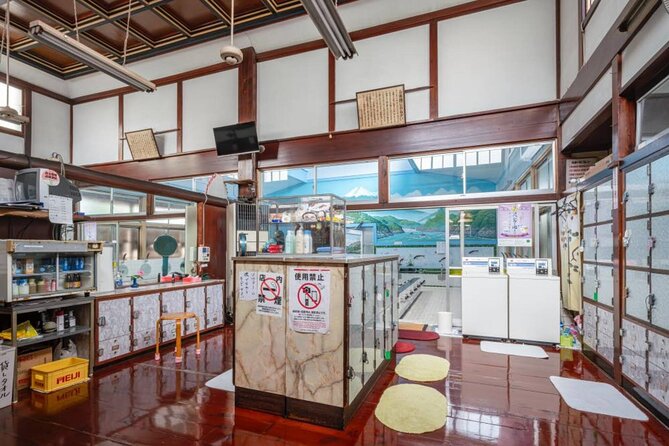
One of the most interesting parts is not the water at all, it is what is on the walls. The guide explains the Mount Fuji murals and why they show up in sento spaces.
You also get context for why sento mattered in postwar neighborhood life. Bathhouses like this were a social and practical support system, a place where communities gathered and daily life had a steady rhythm.
Even if you just take it in quietly while you look around, those stories change how you see the room. Instead of thinking, This is just decoration, you start thinking, This was meant for people to recognize and feel at home in.
That adds value to the experience, because you leave with more than a photo memory. You leave with a sense of why this place exists.
The Included Bottle Drink Is Part of the Ritual
Sento culture is not only about bathing. It is also about what you do right after, while your body is warm and your throat feels dry.
Here, you get one complimentary bottle of milk or a soft drink after your bath. Based on the common options explained on the tour, think milk coffee or fruit milk style.
Why this is good value: you are not guessing about what is traditional or whether food and drinks will be an extra cost. The drink is built into the flow, so your “cool-down” feels natural instead of rushed.
It also gives you something to do if you choose not to bathe right away. You can sit with the lobby drink while you decide how you feel, which is a comfort option the guide can offer.






Tattoo-Friendly Practicalities (What You Should Still Do)
This experience is listed as tattoo friendly, which is a big green flag if tattoos are part of your life and you do not want to stress about turning away at the door.
Still, Japan can be particular about bathing-house rules, and you do not want to rely on assumptions. The smartest approach is to confirm how tattoos are handled when you book, then follow the staff instructions once you arrive.
If you are worried, use the guide as your bridge. The whole point of the tour is getting you through the basics and helping you communicate comfortably.
Price and Logistics: Does $35.77 Make Sense for Tokyo?
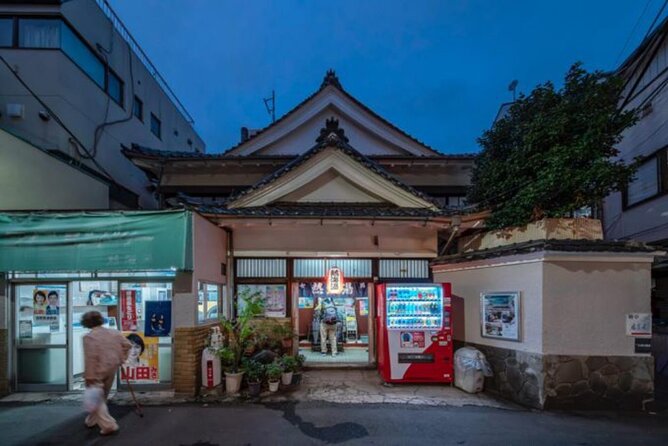
At $35.77 per person, this is not a bargain you should ignore, but it also does not feel overpriced for what you get. You’re paying for two things that matter on a first visit: a bilingual guide who teaches etiquette, and entry support to a true local bathhouse experience.
A typical DIY sento visit is cheaper on paper, but you pay in confusion. When you do not know where to store things, how the wash area works, or what to do in the bathing pool, you can lose your confidence fast.
Here, the guided orientation reduces that stress, and a calm first attempt is worth real money. You also get shampoo and body soap use included, so you are not scrambling for basics once you arrive.
One small note on planning: this is often booked around 55 days in advance on average. That does not mean you cannot find a spot later, but it is a sign that dates can fill.
Small Group Size Keeps It Comfortable
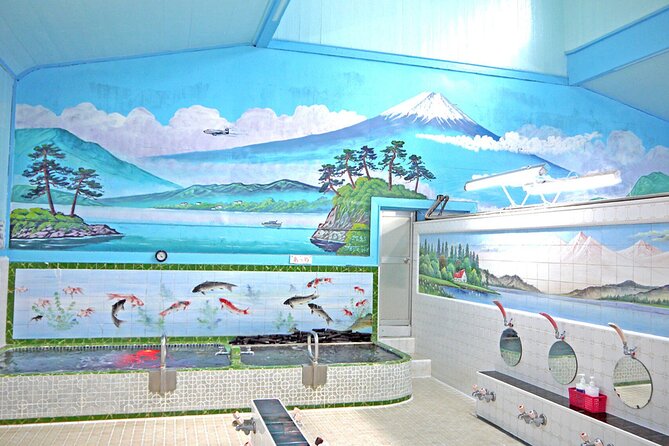
With a maximum group size of 6 travelers, the vibe stays human. You are not lost in a crowd, and the guide can adjust when someone looks unsure.
That matters especially because this is beginner-friendly and also designed for shy first-timers. You can observe, relax in the lobby, and still enjoy the guided context. You are not forced into the full bathing routine if you are not ready.
Also, a smaller group can make it easier to focus on the practical steps, like where things go and when you switch between areas.
Who This Tour Works Best For
I think this experience is strongest for three types of people:
- First-timers who want sento etiquette explained in plain language
- People who prefer local routines over tourist spectacle
- Travelers with tattoos who want a listed tattoo-friendly option
It is also a good fit if you like calm, low-key cultural activities. This is not a “walk fast and check boxes” day.
If you’re traveling as a mixed-gender group, note the guide detail. Since the guide is male, female guests bathe on their own without a guide in the bathing area. That is normal here, but it is a real difference from some other escorted experiences.
My Booking Tips for a Smooth First Sento
A first sento visit goes better when you treat the tour like a lesson, not like a challenge. Wear clothes that are easy to remove and put back on quickly. Then let the guide handle the rest.
Also, plan your timing with the expectation that the experience is about 1 hour. You want to arrive a bit ready to learn, not rushed.
Finally, check the tattoo-friendly detail and be ready to follow house rules. Even if the experience is listed as tattoo friendly, each bathhouse can have its own approach to visibility and placement.
Should You Book This Sento Experience?
Yes, I think you should book it if you want an honest, local way to experience Japanese bathing culture. This tour is built around the stuff that usually trips people up, shoe lockers, washing steps, and bathing pool etiquette, and it does it with a bilingual guide.
It is also worth it for the add-ons that most quick visits skip: the Mount Fuji mural stories, the postwar community context, and the included bottle drink that finishes the ritual on the right note.
If you hate being guided or you want a fully private bath experience, this may not be your style. And if you are a female guest who expects a guide inside the bathing area, you should know the guide does not join you in that space.
FAQ
How long is the sento experience?
It runs for about 1 hour.
How much does the tour cost?
The price is $35.77 per person.
What is the meeting point for the tour?
You meet at Starbucks Coffee – Kagurazaka-shita, Shinjuku City, Kagurazaka, 1-chōme92 秀永ビル (162-0825 Tokyo, Japan).
Will I receive a ticket on my phone?
Yes. The tour uses a mobile ticket.
What is included in the experience?
You get shampoo and body soap use, plus one complimentary bottle of milk or a soft drink after your bath.
What if I feel shy and do not want to bathe right away?
After the orientation, you can choose not to bathe. The guide can offer alternatives like observing the architecture or entrance murals, or relaxing in the lobby with a drink.
Is the guide bilingual?
Yes, the guide is bilingual.
Is the experience tattoo friendly?
It is listed as tattoo friendly.
How big is the group?
The tour has a maximum of 6 travelers.
What is the cancellation policy?
Free cancellation is available up to 24 hours before the experience starts for a full refund. If you cancel less than 24 hours before the start time, the amount paid is not refunded. The activity may also be canceled due to poor weather, and you would be offered a different date or a full refund.
More Spa & Hot Springs in Tokyo

More Tour Reviews in Tokyo
Not for you? Here's more nearby things to do in Tokyo we have reviewed












Shinjuku Tours, side by side.
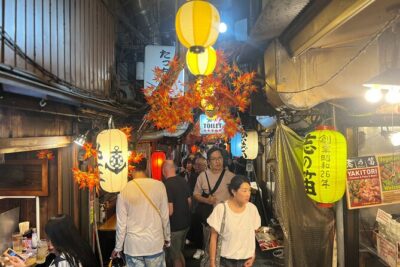 ★ 5.0Shinjuku Food Tour (13 Dishes at 4 Local Eateries)From $866,603 reviews
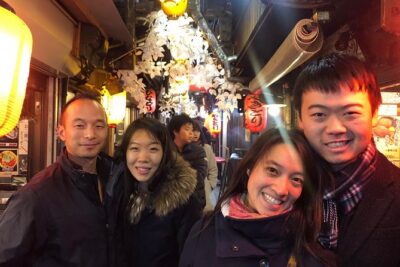 ★ 5.0Tokyo Bar Hopping Tour in Shinjuku (All-You-Can-Drink + Dinner)From $1063,587 reviews
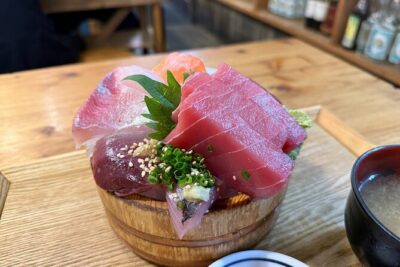 ★ 4.9Shinjuku Food Tour (15 Dishes and 4 Eateries)From $852,033 reviews
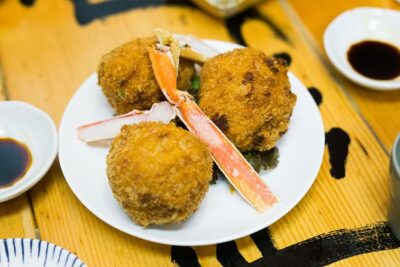 ★ 5.0Best of Shinjuku: Izakaya Food Tour (4 Stops, 14+ Tastings)From $921,863 reviews
 ★ 4.9Shinjuku Local Bar and Izakaya Guided Walking TourFrom $341,794 reviews
 ★ 5.0Tokyo Shinjuku Chopsticks Making ClassFrom $201,763 reviews
 ★ 5.0Tokyo Shinjuku Sumo Show & Experience with PhotoFrom $791,750 reviews
 ★ 5.0Tokyo Night Foodie Tour in Shinjuku – Seasonal Sushi, Wagyu BeefFrom $1111,161 reviews
This tour also belongs to