
Review · SHINJUKU TOURS
Tokyo Shinjuku Chopsticks Making Class
Your chopsticks begin as raw wood. In this Shinjuku class, you shape custom chopsticks with a traditional kanna (hand plane), guided step by step in an efficient, beginner-friendly setup.
I really like two things here. First, the instruction from staff who speak good English, including names like Masa, Tom and Yuki, Nana, and Ken and Sayaka. Second, the chance to choose Japanese wood with different grain and character, where two wood options are free and premium upgrades are available.
One thing to watch is how crowded it can feel at peak times. When it is busy, the pace can feel rushed, and you may notice more pressure to buy higher-grade wood or add engraving.
Key things to know before you go
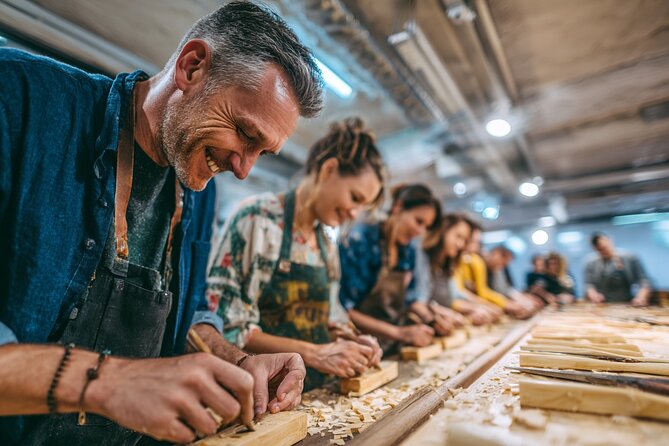
- Traditional kanna hand-plane crafting that turns rough sticks into usable chopsticks.
- Wood choices matter, with two types free and premium woods available for an extra fee.
- English-speaking help at the workstations, including patient instructors like Masa and Tom and Yuki.
- It can get hectic in the middle of the day, so timing affects how much individual help you get.
- Personalization is optional but add-on priced, with engraving reported as 2,000 yen.
Shinjuku workshop basics, time, and what your hour actually includes
This chopsticks making class is in Nishishinjuku, Shinjuku City at 7-chōme-4-5. The experience runs about 1 hour, and it ends back at the meeting point. You get a mobile ticket, and the tour is set up with a maximum group size of 32.
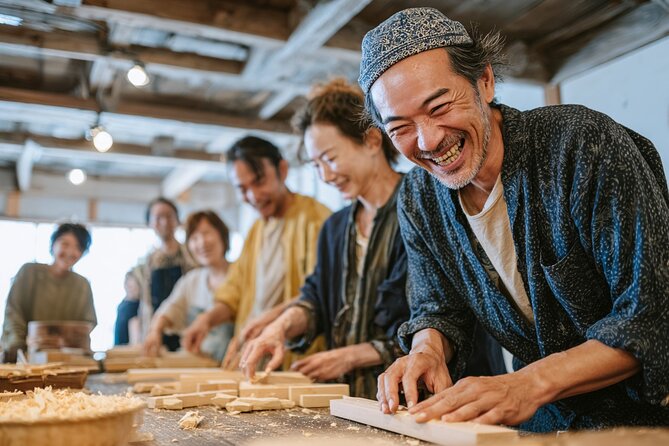
Inside, the format is practical. Think multiple tables, multiple workstations, and helpers circulating so you can keep your project moving. One review noted a well-organized setup with enough stations that people could start right away, even when arriving early. That matters because you do not want to spend your first five minutes standing around while everyone else gets the rhythm.
Logistics-wise, it is described as being near public transportation, so you should have options for getting there without stress. Still, I suggest you double-check the exact meeting address and follow the details you are given for the location. Some people have run into confusion when maps and message details do not match, and giving yourself a little buffer time is the easiest fix.
More Tokyo tours and experiences for the shortlist


Your first step is choosing wood, and it changes the whole experience
The class does not start with polishing. It starts with the decision that shapes your whole souvenir: the wood you choose.
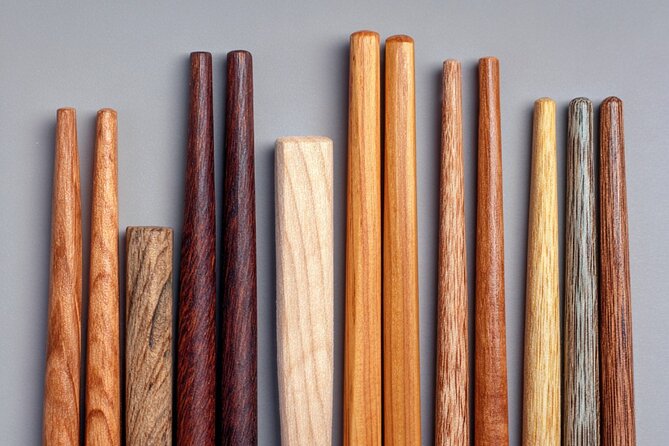
You begin with simple wooden sticks and then transform them into chopsticks using the kanna. The workshop lets you experiment with different types of Japanese wood. Two types are included for free, while premium woods are available for a small upgrade. The value here is not just the look, it is how the wood behaves under your hands. Different woods bring different grain, texture, and even scent.
Here is the practical part for first-timers. Wood choice affects effort. Reviews mention that some options take more muscle, and since you are planing by hand, that is real. If you want the easiest path for a first attempt, choose a wood that feels forgiving and do not go straight for the hardest-to-plane option. If you want the most dramatic look, you can still upgrade, but know that you may work a bit more for the result.
Also, watch your wallet. Some people felt the experience pushed add-ons more strongly when it got busy. You do not have to buy everything to end up with great chopsticks, especially if your goal is a fun craft memory rather than the fanciest materials.
Shaping with the kanna: where the class feels truly hands-on
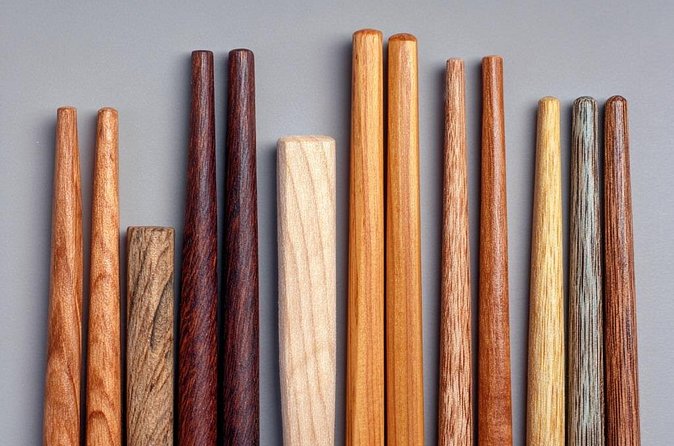
The heart of the experience is using a kanna hand plane. This is the tool that makes the process feel distinct from generic crafts. You are shaving and shaping the surface, learning how to guide the plane so your chopsticks start to match the right form.
In plain terms, you are turning rough wood into elegant, functional chopsticks. That means you will work on shaping the surface, smoothing as you go, and paying attention to how the grain responds. If you have never used woodworking tools before, you are not expected to. The class is designed to be beginner-friendly, with staff guiding your technique.
What I like about the teaching style is that mistakes seem built into the process. Several instructors are described as patient, including Masa being especially supportive when someone made early errors, and other staff members helping people if they messed up a first attempt. That is important because the kanna is physical and it takes a little practice. You will not get perfect results on the first shave, and you should not feel pressured by that.
You also get help when you get stuck. Reviews repeatedly mention helpers stepping in, which matters with a group size as large as 32. When the room is busy, you may get less one-on-one time than you want, but the workshop still keeps things moving with multiple station assistants.
One small but delightful detail: you get to keep the shavings. It sounds silly, but it is a real craft moment, and it gives your souvenir story a tangible physical piece.
Sanding, oiling, and getting to that smooth finish
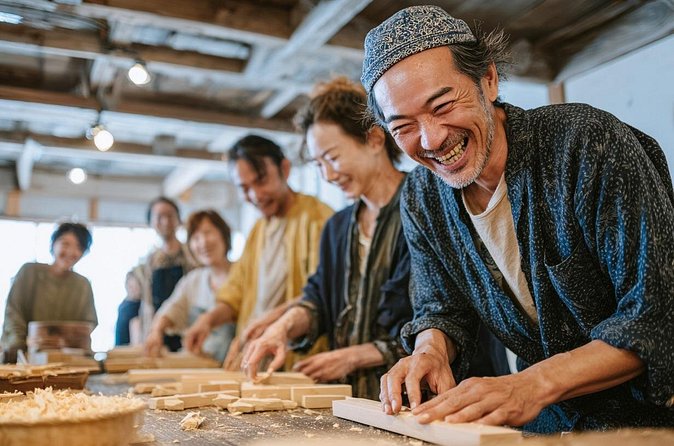
Once the shaping is done, you move into refining. The class includes guidance on shaving, sanding, and oiling. The sanding stage is where your chopsticks go from workable to really satisfying to hold.
This part is less about tool control and more about finishing. The goal is for the final surface to feel smooth in your hands and ready for use at the table. You will apply oil as part of the finish, which is exactly what you want for a wooden souvenir. It helps protect the surface and it gives the wood a warmer look.
From the reviews and description, staff explain these steps clearly. If you are the kind of person who learns best by watching and then trying, this part should click fast. You are not just being handed a finished kit, you are building your own version with direct coaching.
Personalizing your chopsticks: engrave optional, upgrades real
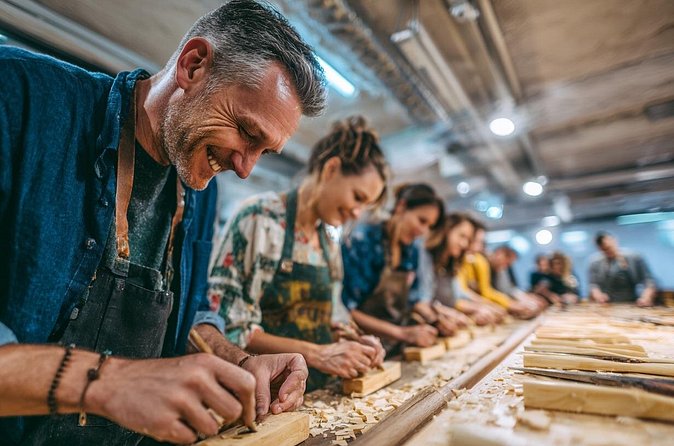
Your chopsticks can be more than handmade, they can be personal. The workshop offers add-ons like engraving, plus premium wood upgrades.
One review mentions engraving as 2,000 yen. Others mention personalization as a lasting memory and note that engraving is available. You might also be nudged toward upgrading wood when you are choosing materials, which is where value opinions split. Some people thought the pricing for upgrades felt steep, especially when the class felt rushed.
So here is a decision framework for you:
- If you want a simple, great souvenir, pick from the included free woods and skip engraving.
- If you want something gift-worthy or extra memorable, consider upgrading or engraving, but go in with your budget set ahead of time.
- If you are visiting during a peak time and feel the room is crowded, you may want to stick to the free choices so you do not feel pressured.
No matter what, the core experience is the crafting itself. The personalization should feel like a bonus, not the reason you were there.






Why this souvenir feels better than a typical Tokyo buy
A lot of Tokyo souvenirs are cute, but they are finished products. This one is different because you make it from scratch. You will handle the wood, shape it, refine it, and finish it with your own hands.
That makes it a story souvenir. It also makes it a useful one. Chopsticks are practical daily items, so your keepsake will not just sit in a drawer. You can bring it out for guests or keep it for yourself the next time you eat Japanese food.
I also like the multi-generational appeal. Reviews mention family groups and wide age ranges, including people from around 10 up to older travelers. That tells me the workshop is paced for normal humans, not just hobbyists.
When to go: crowd levels can change your experience
This workshop can be efficient and fun, but time of day matters. One review noted it was very busy and felt rushed, and another said it is smart to avoid going in the middle of the day because instructor availability can become limited when there are lots of people.
If you want more calm and more coaching:
- Try to go earlier in the day.
- Arrive a few minutes early so you can settle in and start without waiting.
- Keep your plan simple if you prefer to avoid decision pressure. Choose one wood, then focus on technique.
If you do not mind a lively room and you just want to get your chopsticks done, a busier time may still work fine. You will still learn the process and leave with your chopsticks, and multiple reviews describe the staff as helpful and the setup as organized even when busy.
Value check: is $20 worth it with upgrades?
At $20 per person, the base price feels very reasonable for a hands-on workshop where you use a traditional tool, get guided instruction, and finish a functional souvenir. The class includes the crafting process and access to tools, and you even get at least two wood options for free.
The value question comes from what happens after you arrive. Premium woods are available for an upgrade. Engraving is an additional cost. Some people felt those add-ons made the overall experience less of a bargain, particularly when they felt pushed due to crowding.
Here is the honest way to think about it:
- You are paying for time, guidance, and the ability to make something yourself.
- You might spend more if you choose premium wood or engraving.
- If you stay within the free materials, you are likely to feel the price is fair.
- If you choose upgrades plus engraving, your final spend can climb, and that is where value complaints can start.
For me, the tipping point would be your goal. If you want the best possible chopsticks, upgrades make sense. If your goal is a fun cultural craft and a take-home souvenir, you can probably keep costs down and still love the result.
Who this class is best for
This is ideal if you want a hands-on activity that is not overly technical. Reviews describe it as beginner-friendly, with staff who explain steps in good English.
It is also a strong fit for:
- First-time Japan visitors who want something cultural but still practical.
- Families, since the activity is interactive and can work across ages.
- People who like making gifts. Homemade chopsticks feel personal fast.
- Anyone who enjoys trying a traditional tool, even if you are not a woodworking person.
If you are very sensitive to crowd noise or you dislike having choices narrowed by time, go earlier and plan to keep your decision-making simple.
Should you book the Tokyo Shinjuku Chopsticks Making Class?
If you want a real souvenir, this class is an easy yes. You shape wood with a traditional kanna, you get real guidance, and you leave with chopsticks you made yourself.
Book it if:
- You like hands-on crafts.
- You want an English-friendly class.
- You want a memorable gift you actually crafted.
Consider skipping upgrades, or at least going in with a firm budget, if:
- You are watching total spend.
- You prefer not to feel nudged toward add-ons.
- You do not want your time to feel rushed.
The best move for a smooth experience is picking timing that is less crowded and sticking to the included wood options unless you genuinely want premium materials or engraving.
FAQ
How long is the Tokyo Shinjuku chopsticks making class?
The experience is about 1 hour.
Where do I meet for the class?
The meeting point is at 7-chōme-4-5 Nishishinjuku, Shinjuku City, Tokyo 160-0023, Japan. The class ends back at the meeting point.
Is this class beginner-friendly?
Yes. The workshop is described as beginner-friendly, with guided, step-by-step instruction and staff support.
How many people are in the group?
The experience has a maximum of 32 travelers.
Are premium woods or engraving included in the price?
Two wood types are included for free. Premium woods are available for a small upgrade. Engraving is an extra option, with one review citing a 2,000 yen engraving cost.
What is the cancellation policy?
Free cancellation is available up to 24 hours in advance for a full refund. If you cancel within 24 hours, the amount paid is not refunded.
More Workshops & Classes in Tokyo

More Tour Reviews in Tokyo
Not for you? Here's more nearby things to do in Tokyo we have reviewed












Shinjuku Tours, side by side.
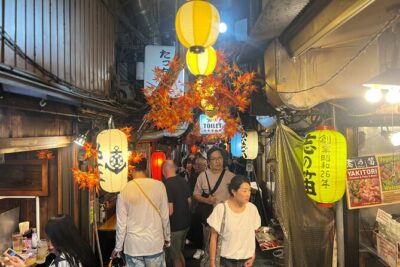 ★ 5.0Shinjuku Food Tour (13 Dishes at 4 Local Eateries)From $866,603 reviews
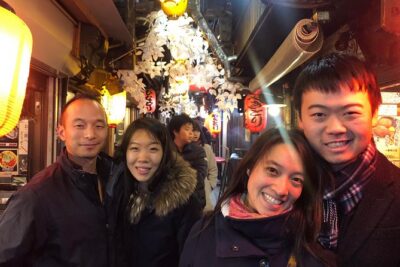 ★ 5.0Tokyo Bar Hopping Tour in Shinjuku (All-You-Can-Drink + Dinner)From $1063,587 reviews
 ★ 4.9Shinjuku Food Tour (15 Dishes and 4 Eateries)From $852,033 reviews
 ★ 5.0Best of Shinjuku: Izakaya Food Tour (4 Stops, 14+ Tastings)From $921,863 reviews
 ★ 4.9Shinjuku Local Bar and Izakaya Guided Walking TourFrom $341,794 reviews
 ★ 5.0Tokyo Shinjuku Sumo Show & Experience with PhotoFrom $791,750 reviews
 ★ 5.0Tokyo Night Foodie Tour in Shinjuku – Seasonal Sushi, Wagyu BeefFrom $1111,161 reviews
 ★ 4.8Sumo Show and Experience in ShinjukuFrom $691,001 reviews
This tour also belongs to