
Review · SHIBUYA TOURS
Japanese Speaking Experience Meet the locals Friend Cafe Shibuya
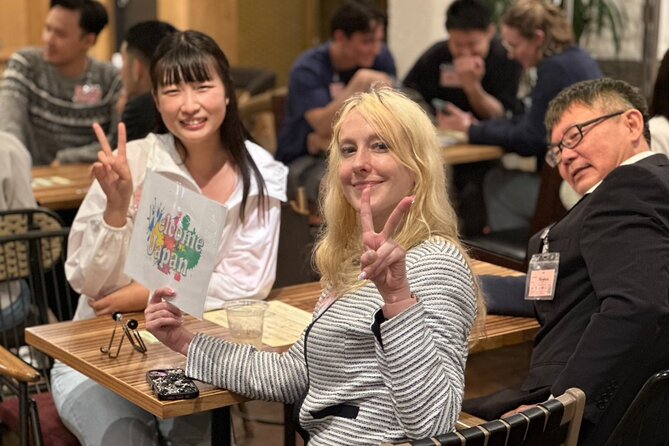
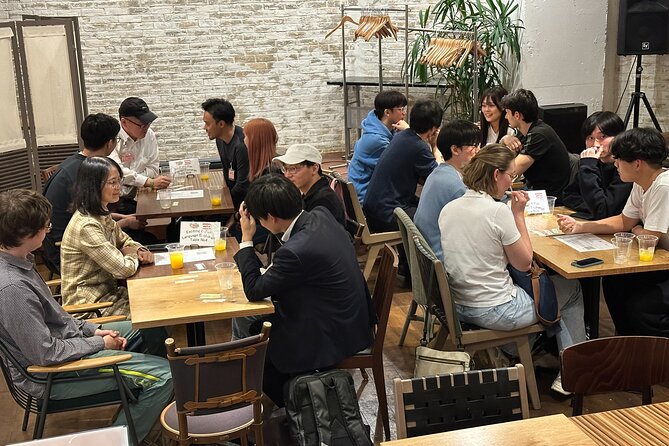
Shibuya gets friendlier when you trade languages. This Japanese-English language exchange in a Shibuya pub is built for easy conversation, with seat swaps every 15 minutes and topic cards to get things going.
I love two things right away: you’re placed into small groups of 3 to 4 people with a mix of Japanese and international participants, and the chat time flips on a clear rhythm between English and Japanese. One practical consideration is that it’s over-18 only and located in a pub, so you should expect a bar vibe, and plan to buy at least one drink when you arrive.
Key Highlights You’ll Feel Immediately
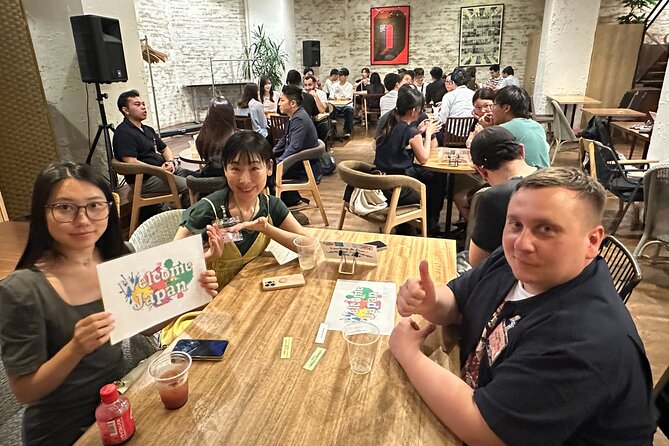
- Small groups of 3 to 4 keep the pressure low and the talking higher
- Topic cards help you start conversations fast
- Seat changes every 15 minutes mean you talk with more than the same few people
- English then Japanese schedule keeps momentum instead of freezing up
- Over-18 pub setting adds real Tokyo nightlife energy, not a classroom mood
- Closing group photo helps you wrap the night with a shared moment
Where To Meet: Shibuya Bowling Cafe EST, B1F, Pub Energy
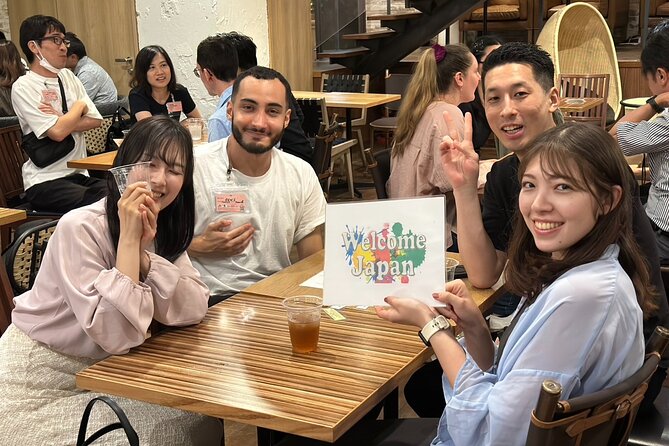
Meet at Shibuya Bowling Cafe Shibuya EST, 1-chōme-14-14 Shibuya, Tokyo. The event itself happens in the café space on the B1F, so when you arrive, look for the reception area downstairs and check in with the staff.
This is a straightforward setup. You’re not wandering through five venues or hunting down rooms. You start in the same place where you can grab a drink first, and then the language exchange begins on schedule. That matters in Shibuya, because it’s easy to lose time if your meetup point is unclear.
Also note the timing style: reception starts with a 10 minute starting time. In plain terms, show up a bit early. You’ll have time to check in, then you can buy a drink at the bar (alcoholic beverages are not included in the ticket). Once you’re checked in, you can jump into the event right away.
You can also read our reviews of more tours and experiences in Tokyo.



How the Language Exchange Works: 15-Min English, 15-Min Japanese
The structure is the secret sauce here. Instead of one long stretch of awkward conversation, you get a repeating cycle that keeps things moving and gives your brain a chance to switch gears.
Here’s how the flow works, in the order you’ll experience it:
- Check-in at reception, then buying a drink at the store or bar (bring it back to your seat)
- Staff prepares seats for you and provides topic cards
- You start with English conversation
- Then there’s a 5-minute break, and staff changes seats so you sit with different people
- Next round is Japanese conversation
- This pattern repeats, and you keep switching seats during the breaks so you have multiple chances to speak more than once with different partners
- The final part ends with a closing group photo
The schedule described is essentially multiple rounds of English and Japanese conversation, with 5 minutes between rounds for rest and seat switching. The goal is simple: you practice both languages in short, manageable blocks, and you meet a range of people instead of being stuck with one conversation partner all night.
One more detail that helps: the staff splits attendees into small groups (3 to 4 per group) and mixes Japanese and foreign participants. That removes the guesswork, because you’re not trying to find a partner who shares your interests and your comfort level. The host does the matching.
Topic Cards and Seat Switching: How It Stays Low-Stress
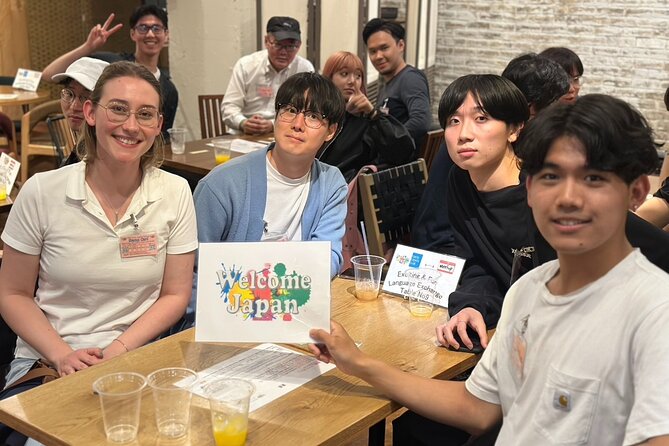
If you’re worried about not knowing enough Japanese, you should know this event is built for you. The format does not require advanced ability. It’s more about communication than perfection.
Here’s what makes it feel low-stress in practice:
1) Topic cards give you a script without feeling scripted
You’ll have conversation topics in front of you, so you’re not staring at a blank face. That’s especially helpful for beginners, because you can start with safe, structured questions and then let it grow naturally.
2) Seat changes prevent the stuck-in-place problem
Many language exchanges turn into one or two conversations that you repeat all night. Here, staff changes seats so you get multiple speaking turns with new partners. Even if your first round is shaky, you’ll likely improve quickly because you’ll get used to the pace.
3) The English support matters even when you want Japanese
The alternating schedule means you get time to talk in your stronger language (English), then switch to Japanese when you’re ready. Think of it like warming up and then doing the more challenging part in a controlled way.
If you’re an English speaker hoping to help locals practice English, you’ll still get value. Your English becomes part of the group dynamic, and you can gradually shift how much you talk, based on what your conversation partner seems comfortable with.
The Host Factor: Friendly Organization You Can Trust
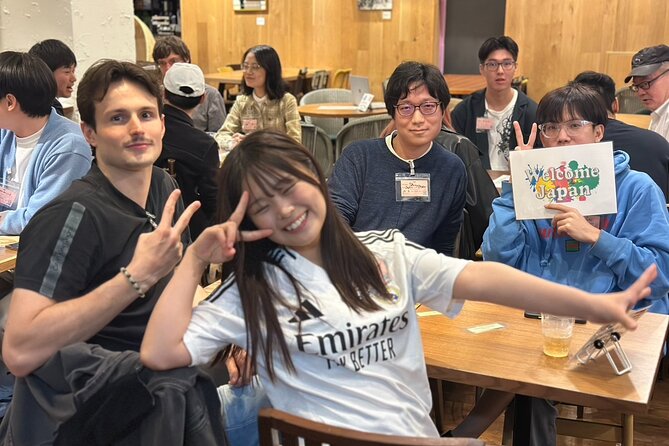
The event depends on the host, and the reviews show a consistent theme: the host keeps energy up and people comfortable.
Names that came up in feedback include Candice and Rikiya. One review called out Candice as punctual and described her as great at getting the group laughing and dancing, which tells me she didn’t just run the schedule, she guided the mood. Another review highlighted Rikiya as organizing well and helping people feel more at ease to talk.
That matters because language exchanges can go either way. You want a host who knows how to nudge groups into conversation instead of letting everything go quiet.
You’ll also notice the event has clear structure, which is another “host win.” The rounds are timed, the group sizes are small, and the staff handles seat rotation. That reduces the awkwardness of trying to figure things out on your own in the middle of the night.
What This Feels Like in Shibuya: A Night Out With Purpose
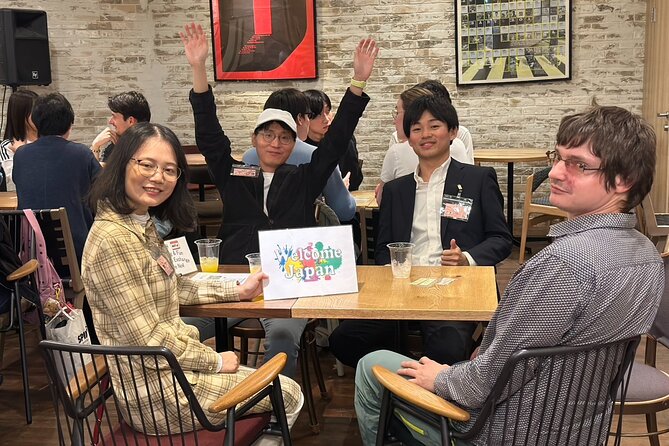
This is not a quiet, museum-style activity. It’s a pub setting with over-18 participants only. That means you’re stepping into a social atmosphere where people are there to mingle, meet, and practice language while having a drink.
There’s a big difference between a language exchange that feels like a chore and one that feels like a real night out. Here, the format keeps it moving, and the environment supports social chatting.
From reviews, I’d expect the overall vibe to be friendly and not intimidating. People talked about good organization and an atmosphere where interaction felt easy. And since it’s in Shibuya, you’re also close to the rest of your nightlife options afterward, so it works well as a standalone plan or the beginning of a longer evening.
Also, expect it to be adult-focused social time. If you’re traveling with a mix of ages, this won’t work for under-18s. If you like bar energy and casual conversation, you’ll likely enjoy it a lot.



Price and Value: Is $29 Worth Two Hours?
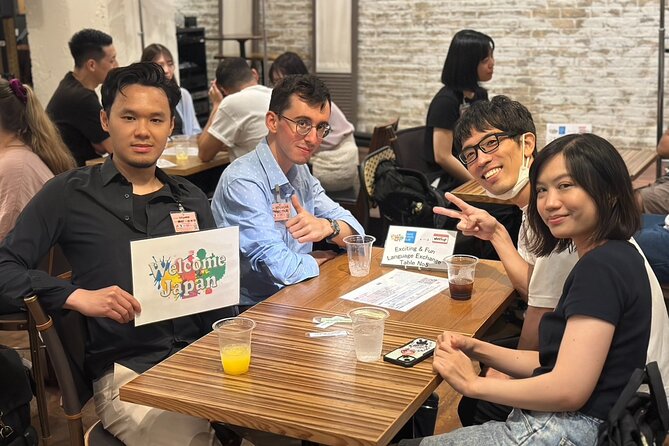
At $29.00 per person, this sits in the “small price, good payoff” category, if what you want is conversation time and new connections.
Here’s what you’re paying for, beyond the venue:
- All fees and taxes are included
- You get a structured language exchange with topic cards
- You get grouping and seat rotation managed by staff
- The schedule alternates English and Japanese across multiple rounds
- You finish with a closing group photo
What’s not included is the obvious part: alcoholic beverages and any food. The ticket does not include drinks, so you’ll want to plan for at least one drink purchase at the bar when you arrive.
Is the ticket still a good deal with that extra cost? In my view, yes, if you value meeting people in a guided setting. In Tokyo, it can be hard to find casual conversation opportunities without paying for classes or organized tours. This gives you a timeboxed, host-run chance to practice both languages with multiple partners during one 2-hour session.
If your goal is purely sightseeing, this won’t be the best match. But if your goal is social Tokyo and language practice, $29 plus one drink is a sensible trade.
Itinerary Breakdown, Step by Step (So You Know Exactly What Happens)
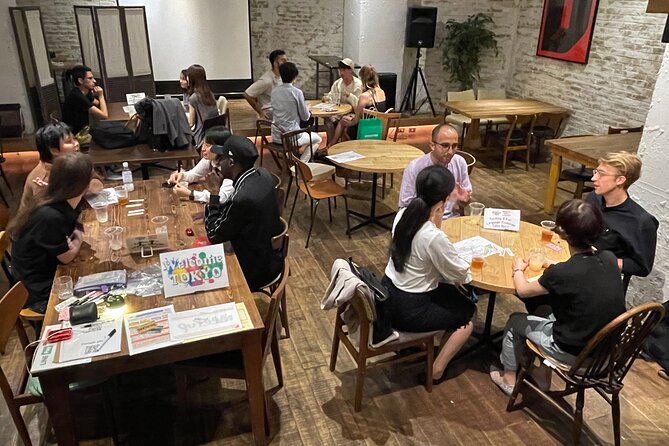
Let’s turn it into a simple play-by-play so you don’t have to guess once you’re there.
Check-in and first drink
You arrive at the meeting point: Shibuya Bowling Cafe Shibuya EST. The event is on the B1F. You check in at reception.
Then you buy a drink at the bar or store. Alcohol is not included, so budget for it. This is also where you get settled, pick up your place in the seating setup, and get ready for the conversation topics.
Round 1: English conversation
The first part is English conversation. You’ll sit where the staff puts you, and you’ll have topic cards available to help start the talk.
This is a smart opening choice. If your Japanese is basic, you still get a productive first round, and you warm up socially.
Short break and seat change
After the English round, you get 5 minutes break time. During this break, staff changes seats. This is one of the key benefits. You are not stuck with one group for the entire night.
Round 2: Japanese conversation
Then the Japanese conversation starts. Now you’re with new partners, and you can use the momentum from the previous conversation round, plus the topic cards, to keep the discussion going.
More rounds, same idea
The event runs multiple English and Japanese rounds, always with seat changes to expand your speaking opportunities. The goal stays consistent: talk with a range of people, in both languages.
Closing: group photo
At the end, there is a closing group photo. It’s a small thing, but it helps you feel like you participated, not just attended.
Who Should Book This (and Who Might Want a Different Plan)
This experience is a good match if:
- You want real conversation practice in a fun, timed format
- You’re a beginner Japanese learner and want a low-pressure setting
- You want to meet both Japanese locals and international participants
- You enjoy the pub nightlife side of Shibuya and don’t mind buying a drink
You might not love it if:
- You want a quiet, nature-like experience or a sightseeing focus
- You prefer to talk only with the same people for a long time
- You’re not comfortable with an adult-only pub environment
Also keep in mind the group size. The event has a maximum of 20 travelers. That typically means it feels active but still controlled, so you can actually have meaningful conversation time.
Practical Tips Before You Go
A few small moves will make the night smoother:
- Arrive early enough to check in without stress, since reception has a starting window
- Expect to pay for at least one drink, since it’s not included
- Come with a couple of easy conversation topics in mind, even if you plan to rely on topic cards
- If your Japanese is limited, lean into short phrases. The format is designed for starting and continuing, not flawless sentences
- If you want to get the most out of seat changes, don’t wait for perfect grammar. Ask one simple question and let the conversation do the rest
And if you’re thinking of turning this into a longer Shibuya night, treat it like the pregame social boost. You’ll likely leave with a few new faces and some momentum for the rest of your evening.
Should You Book Japanese Speaking Experience Meet the locals Friend Cafe Shibuya?
If you want a structured, social language exchange in Shibuya, this is one of the easier ways to make it happen. I’d book it if you’re aiming for conversation practice, new friends, and a night that feels like Tokyo nightlife, not a classroom.
Skip it if you’re looking for sightseeing, quiet time, or a no-cost activity. This is a ticket plus drink kind of evening, and the pub atmosphere is part of the deal.
The best reason to book is the design: small groups, topic cards, and seat changes that keep you talking with different people. That combination is exactly what helps a language exchange stay fun.
FAQ
What is the duration of the Japanese-English speaking experience?
It lasts about 2 hours.
Where does the experience take place in Tokyo?
The meeting point is Shibuya Bowling Cafe Shibuya EST in Shibuya, Tokyo, and the café area is on B1F.
How much does it cost, and what is included?
The price is $29.00 per person. All fees and taxes are included. Drinks and food are not included.
Do I need to buy a drink?
Yes. The event ticket does not include a drink, so you should buy at least one drink at the bar when you arrive.
Do I have to speak Japanese to join?
No. Beginner Japanese learners are welcome, and you can participate even if you cannot speak Japanese.
What languages will we use during the event?
The event alternates between English conversation and Japanese conversation.
How long is each language round?
The schedule includes 15 minutes of English conversation, then 15 minutes of Japanese conversation, with breaks and seat changes in between.
How are seating and group sizes handled?
Staff split attendees into small groups of 3 to 4 people, and the staff change seats so everyone has more chances to speak with different partners.
Is there a dress or age requirement?
It is over-18 only because the activity is located in a pub.
What is the cancellation rule?
Free cancellation is available, and you can cancel up to 24 hours in advance for a full refund. If you cancel less than 24 hours before the start time, the amount paid will not be refunded.
More Tour Reviews in Tokyo
Not for you? Here's more nearby things to do in Tokyo we have reviewed












Shibuya Tours, side by side.
 ★ 5.0Official Street Go-Kart in ShibuyaFrom $763,435 reviews
 ★ 4.9Street Kart Experience in ShibuyaFrom $741,484 reviews
 ★ 5.0Shibuya Meltdown Nightlife Tour: All-You-Can-Drink Bar HoppingFrom $1061,058 reviews
 ★ 5.0Shibuya Official Street Go-Kart in Shibuya AnnexFrom $69972 reviews
 ★ 5.0Shibuya Food Tour (13 dishes and 4 Eateries)From $77770 reviews
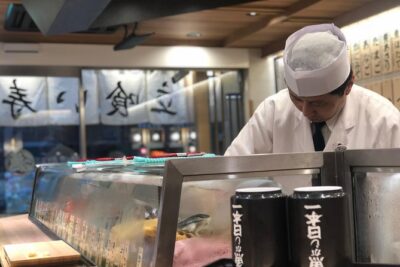 ★ 5.0Best of Shibuya Food TourFrom $217612 reviews
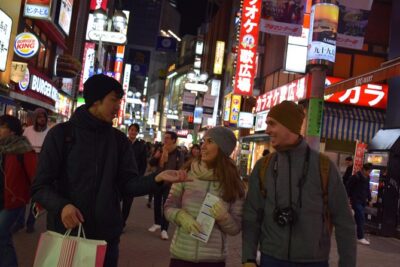 ★ 4.8Shibuya Highlights Walking TourFrom $19601 reviews
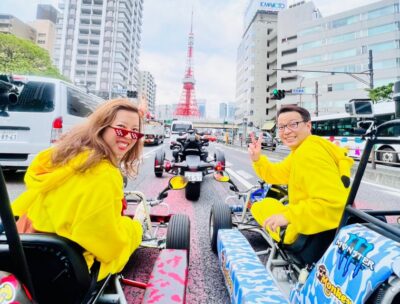 ★ 4.7Premium Go-Kart Tour with Tower & Shibuya CrossingFrom $116528 reviews
This tour also belongs to